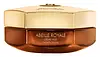
This anti-aging night moisturizer is formulated around Squalane and Royal Jelly to soften the look of wrinkles and hydrate skin.
This anti-aging moisturizer is formulated around Adenosine and Centella Asiatica Leaf Extract to soften the look of wrinkles.

What's inside
What's inside
 Key Ingredients
Benefits
Concerns
Ingredients Side-by-side
Water
Skin ConditioningSqualane
Emollient


Propanediol
Solvent
Glycerin
Humectant
Diphenylsiloxy Phenyl Trimethicone
Skin Conditioning
Mel
EmollientJojoba Esters
Emollient

C15-19 Alkane
SolventTheobroma Grandiflorum Seed Butter
Skin Conditioning
Arachidyl Alcohol
Emollient
Cetyl Alcohol
Emollient
Stearyl Alcohol
Emollient
Polyglycerin-3
Humectant
Royal Jelly

Behenyl Alcohol
Emollient
C10-18 Triglycerides
Emollient
Dimethicone/Phenyl Vinyl Dimethicone Crosspolymer
Phenoxyethanol
Preservative
Parfum
Masking



Decyloxazolidinone
AntimicrobialDimethicone
Emollient
Sodium Stearoyl Glutamate
CleansingAvena Sativa Kernel Extract
Abrasive


Arachidyl Glucoside
EmulsifyingHydroxyethyl Acrylate/Sodium Acryloyldimethyl Taurate Copolymer
Emulsion StabilisingAcrylates/C10-30 Alkyl Acrylate Crosspolymer
Emulsion StabilisingCaprylyl Glycol
Emollient
Tocopheryl Acetate
Antioxidant

Polyglyceryl-3 Beeswax
Emulsifying
Sodium Citrate
BufferingCitric Acid
Buffering
Xanthan Gum
EmulsifyingDisodium EDTA
ChelatingGlyceryl Polymethacrylate
Sodium Hydroxide
BufferingCentella Asiatica Leaf Extract
Skin Conditioning
Sodium Hyaluronate
Humectant
Polysorbate 60
Emulsifying
Sorbitan Isostearate
Emulsifying
Sodium Benzoate
Masking
PEG-8
HumectantSodium Tocopheryl Phosphate
Antioxidant
Hyaluronic Acid
Humectant
Caramel
Cosmetic ColorantTocopherol
Antioxidant
Sodium Lactate
Buffering
CI 19140
Cosmetic ColorantCI 15985
Cosmetic ColorantBHT
Antioxidant
Palmitoyl Hexapeptide-12
Skin Conditioning
Water, Squalane, Propanediol, Glycerin, Diphenylsiloxy Phenyl Trimethicone, Mel, Jojoba Esters, C15-19 Alkane, Theobroma Grandiflorum Seed Butter, Arachidyl Alcohol, Cetyl Alcohol, Stearyl Alcohol, Polyglycerin-3, Royal Jelly, Behenyl Alcohol, C10-18 Triglycerides, Dimethicone/Phenyl Vinyl Dimethicone Crosspolymer, Phenoxyethanol, Parfum, Decyloxazolidinone, Dimethicone, Sodium Stearoyl Glutamate, Avena Sativa Kernel Extract, Arachidyl Glucoside, Hydroxyethyl Acrylate/Sodium Acryloyldimethyl Taurate Copolymer, Acrylates/C10-30 Alkyl Acrylate Crosspolymer, Caprylyl Glycol, Tocopheryl Acetate, Polyglyceryl-3 Beeswax, Sodium Citrate, Citric Acid, Xanthan Gum, Disodium EDTA, Glyceryl Polymethacrylate, Sodium Hydroxide, Centella Asiatica Leaf Extract, Sodium Hyaluronate, Polysorbate 60, Sorbitan Isostearate, Sodium Benzoate, PEG-8, Sodium Tocopheryl Phosphate, Hyaluronic Acid, Caramel, Tocopherol, Sodium Lactate, CI 19140, CI 15985, BHT, Palmitoyl Hexapeptide-12
Water
Skin ConditioningNeopentyl Glycol Dicaprylate/Dicaprate
EmollientGlycerin
Humectant
Cocoglycerides
Emollient
Pentylene Glycol
Skin Conditioning
Jojoba Esters
Emollient
Behenyl Alcohol
Emollient
Cyclopentasiloxane
Emollient
Glyceryl Stearate
Emollient
Sodium Acrylates Copolymer
Decyloxazolidinone
AntimicrobialSodium Stearoyl Glutamate
CleansingTheobroma Grandiflorum Seed Butter
Skin Conditioning
Orchid Extract
Skin ConditioningHydrogenated Polyisobutene
EmollientPhenoxyethanol
Preservative
Butylene Glycol
Humectant
Acrylates/Stearyl Acrylate/Dimethicone Methacrylate Copolymer
Dimethicone
Emollient
Caprylic/Capric Triglyceride
Masking
Ammonium Acryloyldimethyltaurate/Beheneth-25 Methacrylate Crosspolymer
Emulsion StabilisingParfum
Masking
Avena Sativa Kernel Extract
Abrasive
Helianthus Annuus Seed Oil
Emollient
Phospholipids
Skin Conditioning
Polyglyceryl-10 Stearate
Skin Conditioning
Tocopheryl Acetate
Antioxidant
Sodium Hyaluronate
Humectant
Sodium Citrate
BufferingDipalmitoyl Hydroxyproline
Skin Conditioning
Hydrolyzed Soy Flour
Skin ConditioningAdenosine
Skin Conditioning
Aloe Barbadensis Leaf Extract
Emollient
Biosaccharide Gum-1
Humectant
BHT
Antioxidant
T-Butyl Alcohol
Perfuming

Palmitic Acid
Emollient

Linalool
Perfuming
Centella Asiatica Leaf Extract
Skin Conditioning
Citric Acid
Buffering
Magnesium Aspartate
Skin ConditioningAlteromonas Ferment Extract
Skin Conditioning
Citronellol
Perfuming
Geraniol
Perfuming
Alpha-Isomethyl Ionone
Perfuming
Limonene
Perfuming
Potentilla Erecta Root Extract
Skin ConditioningTocopherol
Antioxidant
Faex
Skin ConditioningGeranium Robertianum Extract
AstringentSanguisorba Officinalis Root Extract
CleansingWater, Neopentyl Glycol Dicaprylate/Dicaprate, Glycerin, Cocoglycerides, Pentylene Glycol, Jojoba Esters, Behenyl Alcohol, Cyclopentasiloxane, Glyceryl Stearate, Sodium Acrylates Copolymer, Decyloxazolidinone, Sodium Stearoyl Glutamate, Theobroma Grandiflorum Seed Butter, Orchid Extract, Hydrogenated Polyisobutene, Phenoxyethanol, Butylene Glycol, Acrylates/Stearyl Acrylate/Dimethicone Methacrylate Copolymer, Dimethicone, Caprylic/Capric Triglyceride, Ammonium Acryloyldimethyltaurate/Beheneth-25 Methacrylate Crosspolymer, Parfum, Avena Sativa Kernel Extract, Helianthus Annuus Seed Oil, Phospholipids, Polyglyceryl-10 Stearate, Tocopheryl Acetate, Sodium Hyaluronate, Sodium Citrate, Dipalmitoyl Hydroxyproline, Hydrolyzed Soy Flour, Adenosine, Aloe Barbadensis Leaf Extract, Biosaccharide Gum-1, BHT, T-Butyl Alcohol, Palmitic Acid, Linalool, Centella Asiatica Leaf Extract, Citric Acid, Magnesium Aspartate, Alteromonas Ferment Extract, Citronellol, Geraniol, Alpha-Isomethyl Ionone, Limonene, Potentilla Erecta Root Extract, Tocopherol, Faex, Geranium Robertianum Extract, Sanguisorba Officinalis Root Extract
Ingredients Explained
These ingredients are found in both products.
Ingredients higher up in an ingredient list are typically present in a larger amount.
Avena Sativa Kernel Extract is is derived from colloidal oatmeal. Besides being a healthy breakfast, oats have many benefits in skincare too.
This ingredient helps sooth, hydrate, and protect the skin. The starches in colloidal oatmeal are able to bind water, keeping the skin hydrated.
The cellulose and fiber in colloidal oatmeal help reduce inflammation. This can also help the skin feel softer.
Colloidal Oatmeal is also an antioxidant. Antioxidants protect our skin from free-radical damage.
Oatmeal also contains beneficial compounds:
This ingredient is created by mixing grounded oatmeal and a liquid base.
Learn more about Avena Sativa Kernel ExtractBehenyl Alcohol is a type of fatty alcohol (these are different from the drying, solvent alcohols).
Fatty Alcohols have hydrating properties and are most often used as an emollient or to thicken a product. They are usually derived from natural fats and oils; behenyl alcohol is derived from the fats of vegetable oils.
Emollients help keep your skin soft and hydrated by creating a film that traps moisture in.
In 2000, Behenyl Alcohol was approved by the US as medicine to reduce the duration of cold sores.
Learn more about Behenyl AlcoholBHT is a synthetic antioxidant and preservative.
As an antioxidant, it helps your body fight off free-radicals. Free-radicals are molecules that may damage your skin cells.
As a preservative, it is used to stabilize products and prevent them from degrading. Specifically, BHT prevents degradation from oxidation.
The concerns related to BHT come from oral studies; this ingredient is currently allowed for use by both the FDA and EU.
However, it was recently restricted for use in the UK as of April 2024.
Learn more about BHTCentella Asiatica Leaf Extract comes from the leaves of an herb plant native to Southeast Asia. Centella Asiatica is rich in antioxidants and amino acids. It can help reduce irritation and soothe the skin.
Many active components found in centella asiatica, such as Madecassic Acid and Asiaticoside, encourage the skin to naturally produce hyaluronic acid. This helps keep our skin hydrated. Many of these components also show antioxidant activity and may help reduce the signs of aging.
Research shows centella asiatica can help increase Type I collagen production by increasing fibroblast production. Fibroblast helps form connective tissue.
The combination of all these properties makes centella asiatica leaf extract effective at soothing the skin.
Other components of centella asiatica leaf extract include Vitamin A, vitamin C, several B vitamins, and Asiatic Acid.
Recent studies found madecassoside may help prevent damage from UV rays by preventing UV-induced inflammation. Further research is needed.
This plant has been used as a medicine and in food for many centuries. As a medicine, it is used to treat burns, scratches, and wounds.
Learn more about Centella Asiatica Leaf ExtractCitric Acid is an alpha hydroxy acid (AHA) naturally found in citrus fruits like oranges, lemons, and limes.
Like other AHAs, citric acid can exfoliate skin by breaking down the bonds that hold dead skin cells together. This helps reveal smoother and brighter skin underneath.
However, this exfoliating effect only happens at high concentrations (20%) which can be hard to find in cosmetic products.
Due to this, citric acid is usually included in small amounts as a pH adjuster. This helps keep products slightly more acidic and compatible with skin's natural pH.
In skincare formulas, citric acid can:
While it can provide some skin benefits, research shows lactic acid and glycolic acid are generally more effective and less irritating exfoliants.
Most citric acid used in skincare today is made by fermenting sugars (usually from molasses). This synthetic version is identical to the natural citrus form but easier to stabilize and use in formulations.
Rosacea skin has a lower threshold for acids generally, with 62.5% of rosacea subjects in one study reacting to lactic acid in a sting test. This is why we mark citric acid as a potential rosacea trigger.
However, this ingredient shows up as a pH adjuster or chelator at roughly 0.1-1% in many products. These low levels are unlikely to be an issue for rosacea skin and becomes a potential trigger at exfoliating concentrations (20%). Because everybody's skin is unique, we recommend a patch test if you are unsure.
Learn more about Citric AcidWe don't have a description for Decyloxazolidinone yet.
Dimethicone is a type of synthetic silicone created from natural materials such as quartz. It is also known as polydimethylsiloxane.
What it does:
Dimethicone comes in different viscosities:
Depending on the viscosity, dimethicone has different properties.
Ingredients lists don't always show which type is used, so we recommend reaching out to the brand if you have questions about the viscosity.
This ingredient is unlikely to cause irritation because it does not get absorbed into skin. However, people with silicone allergies should be careful about using this ingredient.
Note: Dimethicone may contribute to pilling. This is because it is not oil or water soluble, so pilling may occur when layered with products. When mixed with heavy oils in a formula, the outcome is also quite greasy.
Learn more about DimethiconeGlycerin (or glycerol) is a compound naturally found in your skin. It's a powerhouse humectant that pulls water into the stratum corneum.
Topically, glycerin does several things at once:
Your skin makes glycerin on its own (mostly from sebaceous oil breakdown) and shuttles it to your outermost layer of skin, or your epidermis, via aquaporin-3.
Aquaporin-3 is a transporter that is essential for normal skin hydration, elasticity, and repair. Interestingly, mice lacking in AQP3 have dry and less elastic skin that can be fully corrected with glycerin.
This ingredient is non-irritating, plays well with almost every ingredient, and works across all skin types. Typical use is anywhere between 3-10% but can go up to 79% in some leave-on products.
Just know very high concentrations (>40%) can feel tacky in low humidity.
Glycerin is the name for this ingredient in American English. British English uses Glycerol/Glycerine.
Learn more about GlycerinJojoba Esters is a wax created from Jojoba oil. It is an emollient and film-forming ingredient. In bead form, it is an exfoliator.
This ingredient has high oxidative stability, meaning it doesn't break down when exposed to oxygen.
Its similarity to our skin's natural oils makes it a great emollient. Emollients help soften and soothe our skin by creating a barrier on top. This barrier helps trap moisture in, keeping skin hydrated.
It is created using either the hydrogenation or transesterification processes on jojoba oil.
Learn more about Jojoba EstersParfum is a catch-all term for an ingredient or more that is used to give a scent to products.
Also called "fragrance", this ingredient can be a blend of hundreds of chemicals or plant oils. This means every product with "fragrance" or "parfum" in the ingredients list is a different mixture.
For instance, Habanolide is a proprietary trade name for a specific aroma chemical. When used as a fragrance ingredient in cosmetics, most aroma chemicals fall under the broad labeling category of “FRAGRANCE” or “PARFUM” according to EU and US regulations.
The term 'parfum' or 'fragrance' is not regulated in many countries. In many cases, it is up to the brand to define this term.
For instance, many brands choose to label themselves as "fragrance-free" because they are not using synthetic fragrances. However, their products may still contain ingredients such as essential oils that are considered a fragrance by INCI standards.
One example is Calendula flower extract. Calendula is an essential oil that still imparts a scent or 'fragrance'.
Depending on the blend, the ingredients in the mixture can cause allergies and sensitivities on the skin. Some ingredients that are known EU allergens include linalool and citronellol.
Parfum can also be used to mask or cover an unpleasant scent.
The bottom line is: not all fragrances/parfum/ingredients are created equally. If you are worried about fragrances, we recommend taking a closer look at an ingredient. And of course, we always recommend speaking with a professional.
Learn more about ParfumPhenoxyethanol is one of the most widely used preservatives in skincare (and for good reason!).
It has a large spectrum of antimicrobial activity and especially effective bacteria, yeast, and mold while only having a weak effect on your skin's natural microbiome.
On a cellular level, it disrupts the cell membranes of microbes by poking holes that make the cell leak. This shuts down the chemical reactions the microbe needs to make energy so it can no longer survive.
Another perk of this ingredient is that it stays functional across a wide pH range (3-10).
You'll often see it paired with boosters like Ethylhexylglycerin; one study showed that a 1:9 ratio of Ethylhexylglycerin to Phenoxyethanol damages bacterial membranes as effectively as doubling the Phenoxyethanol concentration on its own.
Typical use concentrations range from 0.3-1% depending on the formula, and this ingredient is capped at 1% int the EU.
Safety-wise, the fear mongering does not hold up to the evidence. The EU's Scientific Committee on Consumer Safety and FDA consider it safe as a preservative at up to 1%, including for children of all ages.
Adverse systemic effects only showed up in animal studies at exposures roughly 200x higher than what people get from cosmetics. And despite its very widespread use, this ingredient is a rare sensitizer and allergic reactions are uncommon.
Learn more about PhenoxyethanolSodium Citrate is the sodium salts of citric acid. In skincare, it is used to alter pH levels and acts as a preservative.
Its main functions are to maintain the pH of a product and neutralize metal ions.
The acidity of our skin is maintained by our glands and skin biome; normal pH level of skin is slightly acidic (~4.75-5.5).
Being slightly acidic allows our skin to create an "acid mantle". This acid mantle is a thin barrier that protects our skin from bacteria and contaminants.
Learn more about Sodium CitrateSodium Hyaluronate is the salt form of hyaluronic acid. It is a long sugar chain that is naturally found in your skin, joints, and connective tissue that maintains hydration and elasticity.
In skincare, it works as a humectant. It pulls water from the environment and deeper layers of skin and binds it to the surface.
Interestingly, the size of the molecule affects its behavior:
Some clinical evidence links low molecular weight versions to improved wrinkle depth, elasticity, anti-inflammatory effects, and barrier repair.
Many serums use a blend of both weights so you can get surface hydration plus longer-lasting and deeper effects.
You'll typically see concentrations between 0.1-2% for this ingredient.
Learn more about Sodium HyaluronateSodium Stearoyl Glutamate is an amino-acid based emulsifier. It is made by combining stearic acid with L-glutamic acid and neutralizing it to a sodium salt.
As an emulsifier, it works mainly as an oil-in-water one and helps keep the oil and water in your formulas blended. It also contributes to a smooth, non-greasy skin feel.
This ingredient is biodegradable and commonly available in natural/COSMOS-certified grades.
Learn more about Sodium Stearoyl GlutamateThis ingredient is also known as cupuacu butter. It's a soft, creamy plant fat that works as a skin-conditioning agent and often marketed as the plant-based alternative to lanolin.
The composition of this butter is dominated by oleic acid, stearic acid, and smaller amounts of palmitic, linoleic, and arachidic acids. There's also a useful dose of phystosterols.
That fatty-acid-and-sterol combo is why this ingredient behaves like a richer cousin of shea butter: the lipids reinforce the skin's surface and slow water loss while the sterols help support the barrier.
There's some early research too: a mouse study found cupuacu butter emulgels had antioxidant activity and a measurable photoprotective effect against UVB damage.
Overall, this is a well-tolerated ingredient but those prone to congestion might prefer formulations with lower concentrations.
Fungal acne: Cupuacu butter's fatty acids are mostly "locked up" in triglycerides that Malassezia can't easily feed on, but the yeast can slowly break these down to access the free fatty acids. Therefore, ingredient may not be fungal acne safe.
Learn more about Theobroma Grandiflorum Seed ButterTocopherol is a fat-soluble antioxidant known as Vitamin E.
You'll find this ingredient in the vast majority of skincare (for good reason). It works to neutralize free radicals, or unstable molecules generated by UV exposure, pollution, and other environmental stressors, before they can cause oxidative damage to your skin cells.
Topically applied tocopherol has been shown to protect against UV damage by ramping up the skin's own natural defense enzymes.
It also acts as a skin conditioning agent; some studies show that regular topical use can improve the skin's water-binding capacity over 2-4 weeks.
This ingredient is especially loved for being a team player. When combined with Vitamin C, the photoprotective effect of both ingredients roughly doubles and the combo also helps reduce UV-induced DNA damage.
This ingredient has some brightening potential but it's more of a prevention ingredient than spot-fader. Cell studies show it can slow down melanin production but it's worth noting that it's not the most powerful brightener out there.
In formulations, it also serves as a stabilizer that helps protect other oxidation-prone ingredients from degrading.
Concentrations usually range from 0.1-1% in most leave-on products.
Learn more about TocopherolTocopheryl Acetate is a stable, shelf-friendly form of vitamin E.
Formulators love it because plain vitamin E oxidizes quickly once it hits air. This acetate version stays stable and resists going off, helping to extend a product's shelf life.
It's actually inactive on its own and works like a slow-release "storage" form; the enzymes in your skin called esterases gradually convert it into active vitamin E over time.
One in vivo study showed 5% of the acetate in the living layer of the epidermis converted to vitamin E after 5 days of application. This study also found the skin gained protection against UV damage even though the conversion was slow and small.
Once converted, vitamin E acts as a skin's main fat-soluble antioxidant that fights free radicals to protect skin from damage.
Topical vitamin E generally boosts the skin's photoprotection, and it reduced UV-damage in animal models.
This ingredient has some brightening potential but it's more of a prevention ingredient than spot-fader. Cell studies show it can slow down melanin production but it's worth noting that it's not the most powerful brightener out there.
Overall, it has a pretty solid safety profile and has been found to be non-irritating and non-comedogenic. Allergic reactions may happen but stay rare due to how widely the ingredient gets used.
The concentration will vary depending on the formula; industry data shows 0.1% in baby lotions, 3% in lipsticks, and 5% in foot powders. You can also find this ingredient at 100% in a pure vitamin E oil.
Most leave-on skincare keeps it at the lower end, often between 0.5-1%.
Learn more about Tocopheryl AcetateWater. It's the most common cosmetic ingredient of all. You'll usually see it at the top of ingredient lists, meaning that it makes up the largest part of the product.
So why is it so popular? Water most often acts as a solvent - this means that it helps dissolve other ingredients into the formulation.
You'll also recognize water as that liquid we all need to stay alive. If you see this, drink a glass of water. Remember to stay hydrated!
Learn more about Water

