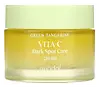
This brightening moisturizer is formulated around Niacinamide and Sodium Ascorbyl Phosphate to fade the look of dark spots and brighten dull-looking skin.
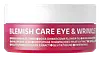
This brightening eye mask is formulated around Niacinamide and Rosa Damascena Flower Water to fade the look of dark spots and soften the look of wrinkles.

What's inside
What's inside
 Key Ingredients
Benefits
Concerns
Ingredients Side-by-side
Citrus Tangerina Extract
TonicDipropylene Glycol
HumectantGlycerin
Humectant


Niacinamide
Smoothing









Butylene Glycol
Humectant
1,2-Hexanediol
Skin Conditioning
Water
Skin ConditioningLimnanthes Alba Seed Oil
Skin Conditioning


Pentylene Glycol
Skin Conditioning
Chondrus Crispus Extract
Skin Conditioning

Chlorella Vulgaris Extract
Skin ConditioningSaccharum Officinarum Extract
MoisturisingCitrus Aurantium Bergamia Fruit Oil
Masking


Melia Azadirachta Flower Extract
Skin ConditioningAcacia Senegal Gum
MaskingOcimum Sanctum Leaf Extract
Skin ConditioningMelia Azadirachta Leaf Extract
Skin ConditioningLavandula Angustifolia Oil
Masking
Curcuma Longa Root Extract
Antioxidant
Corallina Officinalis Extract
Skin Conditioning
Citrus Limon Peel Oil
Masking
Cananga Odorata Flower Oil
Masking
Citrus Aurantium Dulcis Peel Oil
Masking
Eucalyptus Globulus Leaf Extract
Perfuming
Cynanchum Atratum Extract
Skin ConditioningTheobroma Cacao Seed Extract
Antioxidant
Althaea Rosea Flower Extract
Skin ConditioningCamellia Sinensis Leaf Extract
Antimicrobial
Vinyldimethicone

Ammonium Acryloyldimethyltaurate/Vp Copolymer
Panthenol
Skin Conditioning
Trehalose
Humectant
Caprylic/Capric Triglyceride
Masking
Acrylates/C10-30 Alkyl Acrylate Crosspolymer
Emulsion StabilisingHydroxyacetophenone
Antioxidant
Tromethamine
BufferingDiisostearyl Malate
EmollientGlucose
Humectant
Fructooligosaccharides
Humectant
Fructose
Humectant
Dimethicone/Vinyl Dimethicone Crosspolymer
Skin Conditioning
Tocopheryl Acetate
Antioxidant
Adenosine
Skin Conditioning
Ethylhexylglycerin
Skin ConditioningSodium Phytate
ChelatingAgar
MaskingSilica
Abrasive
Dextrin
AbsorbentXanthophylls
Skin ConditioningSodium Ascorbyl Phosphate
Antioxidant
Limonene
Perfuming
Linalool
Perfuming
Citrus Tangerina Extract, Dipropylene Glycol, Glycerin, Niacinamide, Butylene Glycol, 1,2-Hexanediol, Water, Limnanthes Alba Seed Oil, Pentylene Glycol, Chondrus Crispus Extract, Chlorella Vulgaris Extract, Saccharum Officinarum Extract, Citrus Aurantium Bergamia Fruit Oil, Melia Azadirachta Flower Extract, Acacia Senegal Gum, Ocimum Sanctum Leaf Extract, Melia Azadirachta Leaf Extract, Lavandula Angustifolia Oil, Curcuma Longa Root Extract, Corallina Officinalis Extract, Citrus Limon Peel Oil, Cananga Odorata Flower Oil, Citrus Aurantium Dulcis Peel Oil, Eucalyptus Globulus Leaf Extract, Cynanchum Atratum Extract, Theobroma Cacao Seed Extract, Althaea Rosea Flower Extract, Camellia Sinensis Leaf Extract, Vinyldimethicone, Ammonium Acryloyldimethyltaurate/Vp Copolymer, Panthenol, Trehalose, Caprylic/Capric Triglyceride, Acrylates/C10-30 Alkyl Acrylate Crosspolymer, Hydroxyacetophenone, Tromethamine, Diisostearyl Malate, Glucose, Fructooligosaccharides, Fructose, Dimethicone/Vinyl Dimethicone Crosspolymer, Tocopheryl Acetate, Adenosine, Ethylhexylglycerin, Sodium Phytate, Agar, Silica, Dextrin, Xanthophylls, Sodium Ascorbyl Phosphate, Limonene, Linalool
Water
Skin ConditioningDipropylene Glycol
HumectantGlycerin
Humectant
Niacinamide
Smoothing
1,2-Hexanediol
Skin Conditioning
Chondrus Crispus Extract
Skin Conditioning
Rosa Damascena Flower Water
Masking
Ceratonia Siliqua Gum
EmollientRosa Damascena Flower Oil
Masking
Rosa Hybrid Flower
Skin ConditioningSodium Hyaluronate
Humectant
Sodium Acetylated Hyaluronate
Humectant
Hydrolyzed Hyaluronic Acid
Humectant
Hydrolyzed Sodium Hyaluronate
Skin Conditioning
Hyaluronic Acid
Humectant
Hydroxypropyltrimonium Hyaluronate
Potassium Hyaluronate
Skin ConditioningSodium Hyaluronate Crosspolymer
Humectant
Hippophae Rhamnoides Fruit Extract
Skin Conditioning
Rubus Idaeus Fruit Extract
AstringentRubus Fruticosus Fruit Extract
AstringentEuterpe Oleracea Fruit Extract
Vaccinium Myrtillus Fruit Extract
Skin ConditioningVaccinium Macrocarpon Fruit Extract
AstringentRibes Nigrum Fruit Extract
Astringent
Vaccinium Angustifolium Fruit Extract
Skin Protecting
Houttuynia Cordata Extract
Skin Conditioning
Centella Asiatica Extract
Cleansing
Calendula Officinalis Flower Extract
Masking
Scutellaria Baicalensis Root Extract
Astringent
Glycyrrhiza Glabra Root Extract
Bleaching
Glutathione
Allantoin
Skin Conditioning
Betaine
Humectant
Trehalose
Humectant
Panthenol
Skin Conditioning
Dipotassium Glycyrrhizate
Humectant
Adenosine
Skin Conditioning
Potassium Chloride
Sucrose
Humectant
Xanthan Gum
EmulsifyingCellulose Gum
Emulsion StabilisingPolyglyceryl-10 Oleate
Skin Conditioning
Glyceryl Caprylate
EmollientPelargonium Graveolens Flower Oil
Masking
Citrus Aurantium Dulcis Peel Oil
Masking
Citronellol
Perfuming
Geraniol
Perfuming
Linalool
Perfuming
CI 77491
Cosmetic ColorantWater, Dipropylene Glycol, Glycerin, Niacinamide, 1,2-Hexanediol, Chondrus Crispus Extract, Rosa Damascena Flower Water, Ceratonia Siliqua Gum, Rosa Damascena Flower Oil, Rosa Hybrid Flower, Sodium Hyaluronate, Sodium Acetylated Hyaluronate, Hydrolyzed Hyaluronic Acid, Hydrolyzed Sodium Hyaluronate, Hyaluronic Acid, Hydroxypropyltrimonium Hyaluronate, Potassium Hyaluronate, Sodium Hyaluronate Crosspolymer, Hippophae Rhamnoides Fruit Extract, Rubus Idaeus Fruit Extract, Rubus Fruticosus Fruit Extract, Euterpe Oleracea Fruit Extract, Vaccinium Myrtillus Fruit Extract, Vaccinium Macrocarpon Fruit Extract, Ribes Nigrum Fruit Extract, Vaccinium Angustifolium Fruit Extract, Houttuynia Cordata Extract, Centella Asiatica Extract, Calendula Officinalis Flower Extract, Scutellaria Baicalensis Root Extract, Glycyrrhiza Glabra Root Extract, Glutathione, Allantoin, Betaine, Trehalose, Panthenol, Dipotassium Glycyrrhizate, Adenosine, Potassium Chloride, Sucrose, Xanthan Gum, Cellulose Gum, Polyglyceryl-10 Oleate, Glyceryl Caprylate, Pelargonium Graveolens Flower Oil, Citrus Aurantium Dulcis Peel Oil, Citronellol, Geraniol, Linalool, CI 77491
Reviews
Ingredients Explained
These ingredients are found in both products.
Ingredients higher up in an ingredient list are typically present in a larger amount.
1,2-Hexanediol is a synthetic liquid and another multi-functional powerhouse.
It is a:
- Humectant, drawing moisture into the skin
- Emollient, helping to soften skin
- Solvent, dispersing and stabilizing formulas
- Preservative booster, enhancing the antimicrobial activity of other preservatives
Adenosine is a purine nucleoside that your body already makes in every cell. In skincare, it acts mainly as a skin conditioning and anti-aging agent.
The way it works is fairly well mapped out:
Your skin has cells called fibroblasts that build collagen (the stuff that keeps skin firm and smooth). Adenosine basically flips a switch on these cells that tells them to get to work making more collagen and other proteins. These cells slow down on their own as skin ages, so Adenosine helps give them a little nudge to keep going.
The clinical backing is pretty solid too.
A blind, randomized, placebo-controlled trial of 126 women aged 45-65 tested a 0.1% cream twice daily and found real improvements in crow's feet and frown lines using a precise 3D skin-mapping technique; these changes showed up by week 3 and held at 2 months.
A later study using Adenosine-loaded dissolving microneedle patches reported gains in wrinkle depth, dermal density, elasticity, and hydration.
On concentrations, South Korea's Ministry of Food and Drug Safety has set 0.04% as the approved functional anti-wrinkle level. You'll typically see this ingredient used somewhere in the 0.04-0.1% range since it works at low doses.
This ingredient has been found safe for cosmetics with the data showing no irritation or sensitization.
Overall, this is a great ingredient for any anti-aging routine and has no photosensitizing effect, so it suits both AM and PM use.
Learn more about AdenosineThis ingredient comes from the red seaweed that grows along the North Atlantic. It's the same alga that gives us carrageenan, the thickener in your oat milk.
The extract is mostly big sulfated sugar molecules (polysaccharides) plus some minerals and protein.
What those sugars do is simple and useful: they hold onto water and form a light film on the skin. That means they boost hydration, add a bit of slip, and leave a soft, cushiony feel.
It also helps with texture and thickness.
You'll see claims about anti-aging and "second skin" effects but those come mostly from supplier marketing.
The real research is cell-culture stuff and there's no human trial on this ingredient specifically (yet). So for now, treat it as a nice hydrator and texture helper, not an active.
Safety-wise, it's pretty solid. The Cosmetic Ingredient Review panel rated it safe as used, human sensitization tests came back negative, and it wasn't irritating in skin or eye tests.
Typical use levels are 0.5% or lower.
You'll see algae listed as a 5/5 on a lot of pore-clogging charts and that number doesn't come from anywhere; it's not in the original rabbit-ear studies that most comedogenic ratings trace back to.
The reasoning behind the reputation is that seaweed is high in iodine and iodine can trigger acne-like breakouts when eaten. This traces back to a 1976 letter in Archives of Dermatology describing two women whose breakouts cleared after they stopped taking high-dose kelp supplements orally.
And the reaction of these two women wasn't clogged pores at all: it was an iodine-triggered pustular rash. Later research found normal dietary iodine doesn't meaningfully affect acne either and nobody has shown topical algae delivers enough iodine to matter.
What we do have is dozens of brown and red algae ingredients found to be non-irritating and non-sensitizing, and a handful of studies that found algae compounds may actually help acne.
However, plenty of people do report breaking out from algae-containing products. Skin is individual and it's worth avoiding if yours has reacted to algae before.
Learn more about Chondrus Crispus ExtractCitrus Aurantium Dulcis Peel Oil is oil from the peel of an orange fruit.
Limonene and linalool make up the majority of oils from citrus peels. Limonene has a "citrus" fragrance. Citrus peels also contain flavonoids, which have anti-inflammatory properties.
Citrus peel is also a rich source of flavonoids. Flavonoids are natural antioxidants and help protect your skin against damage. Flavonoids are a group of compounds naturally found in vegetables and fruits.
The term 'fragrance' is not regulated in many countries. In many cases, it is up to the brand to define this term. For instance, many brands choose to label themselves as "fragrance-free" because they are not using synthetic fragrances. However, their products may still contain ingredients such as essential oils that are considered a fragrance.
Learn more about Citrus Aurantium Dulcis Peel OilDipropylene Glycol is a synthetically created humectant, stabilizer, and solvent.
This ingredient helps:
Dipropylene glycol is technically an alcohol, but it belongs to the glycol family (often considered part of the ‘good’ alcohols). This means it is hydrating and gentle on skin unlike drying solvent alcohols like denatured alcohol.
As a masking agent, Dipropylene Glycol can be used to cover the smell of other ingredients. However, it does not have a scent.
Studies show Dipropylene Glycol is considered safe to use in skincare.
Learn more about Dipropylene GlycolGlycerin (or glycerol) is a compound naturally found in your skin. It's a powerhouse humectant that pulls water into the stratum corneum.
Topically, glycerin does several things at once:
Your skin makes glycerin on its own (mostly from sebaceous oil breakdown) and shuttles it to your outermost layer of skin, or your epidermis, via aquaporin-3.
Aquaporin-3 is a transporter that is essential for normal skin hydration, elasticity, and repair. Interestingly, mice lacking in AQP3 have dry and less elastic skin that can be fully corrected with glycerin.
This ingredient is non-irritating, plays well with almost every ingredient, and works across all skin types. Typical use is anywhere between 3-10% but can go up to 79% in some leave-on products.
Just know very high concentrations (>40%) can feel tacky in low humidity.
Glycerin is the name for this ingredient in American English. British English uses Glycerol/Glycerine.
Learn more about GlycerinLinalool is a small, naturally occurring scent molecule found in plants like lavender, coriander, bergamot, and more.
It is one of the two most-used fragrance ingredients in cosmetics and added purely for smell. Since it's not used for a skin benefit, there's no "effective dose". Concentration depends on the fragrance load of the product.
The EU requires it to be named on the label above 0.001% in leave-on and 0.01% in rinse-off products.
Fresh linalool is a weak sensitizer but air exposure turns some of it into hydroperoxides, which are strong sensitizers. Those oxidation products are the actual allergy concern.
Patch-test clinics see positive reactions to linalool hydroperoxides in about 4% to 12% of dermatitis patients depending on country and test concentration.
Resassuringly, one analytical study found hydroperoxide levels in real fragranced products to be orders of magnitude below what induced sensitization in animal studies with no evidence of oxidation building up during normal storage.
The practical takeaway is that linalool is fine for most people but worth avoiding if you have a confirmed fragrance contact allergy or a badly compromised barrier.
Products stored a long time after opening are also the high-risk scenario since that is when oxidation happens.
The scent of linalool is described as floral, spicy tropical, and citrus-like.
Learn more about LinaloolNiacinamide is a multitasking form of vitamin B3 that strengthens the skin barrier, reduces pores and dark spots, regulates oil, and improves signs of aging.
And the best part? It's gentle and well-tolerated by most skin types, including sensitive and reactive skin.
You might have heard of "niacin flush", or the reddening of skin that causes itchiness. Niacinamide has not been found to cause this.
In very rare cases, some individuals may not be able to tolerate niacinamide at all or experience an allergic reaction to it.
If you are experiencing flaking, irritation, and dryness with this ingredient, be sure to double check all your products as this ingredient can be found in all categories of skincare.
When incorporating niacinamide into your routine, look out for concentration amounts. Typically, 5% niacinamide provides benefits such as fading dark spots. However, if you have sensitive skin, it is better to begin with a smaller concentration.
When you apply niacinamide to your skin, your body converts it into nicotinamide adenine dinucleotide (NAD). NAD is an essential coenzyme that is already found in your cells as "fuel" and powers countless biological processes.
In your skin, NAD helps repair cell damage, produce new healthy cells, support collagen production, strengthen the skin barrier, and fight environmental stressors (like UV and pollution).
Our natural NAD levels start to decline with age, leading to slower skin repair, visible aging, and a weaker skin barrier. By providing your skin niacinamide, you're recharging your skin's NAD levels. This leads to stronger, healthier, and younger looking skin.
Another name for vitamin B3 is nicotinamide. This vitamin is water-soluble and our bodies don't store it. We obtain Vitamin B3 from either food or skincare. Meat, fish, wheat, yeast, and leafy greens contain vitamin B3.
The type of niacinamide used in skincare is synthetically created.
Learn more about NiacinamidePanthenol is a common ingredient that helps hydrate and soothe the skin. It is found naturally in our skin and hair.
There are two forms of panthenol: D and L.
D-panthenol is also known as dexpanthenol. Most cosmetics use dexpanthenol or a mixture of D and L-panthenol.
Panthenol is famous due to its ability to go deeper into the skin's layers. Using this ingredient has numerous pros (and no cons):
Like hyaluronic acid, panthenol is a humectant. Humectants are able to bind and hold large amounts of water to keep skin hydrated.
This ingredient works well for wound healing. It works by increasing tissue in the wound and helps close open wounds.
Once oxidized, panthenol converts to pantothenic acid. Panthothenic acid is found in all living cells.
This ingredient is also referred to as pro-vitamin B5.
Learn more about PanthenolTrehalose is a disaccharide made of two glucose molecules (glucose is sugar!). Trehalose is used to help moisturize skin. It also has antioxidant properties.
As a humectant, trehalose helps draw moisture from the air to your skin. This helps keep your skin hydrated.
Due to its antioxidant properties, trehalose may help with signs of aging. Antioxidants help fight free-radical molecules, unstable molecules that may damage your skin.
In medicine, trehalose and hyaluronic acid are used to help treat dry eyes.
Some animals, plants, and bacteria create trehalose as a source of energy to survive freeze or lack of water.
Learn more about TrehaloseWater. It's the most common cosmetic ingredient of all. You'll usually see it at the top of ingredient lists, meaning that it makes up the largest part of the product.
So why is it so popular? Water most often acts as a solvent - this means that it helps dissolve other ingredients into the formulation.
You'll also recognize water as that liquid we all need to stay alive. If you see this, drink a glass of water. Remember to stay hydrated!
Learn more about Water

