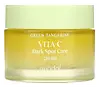
This brightening moisturizer is formulated around Niacinamide and Sodium Ascorbyl Phosphate to fade the look of dark spots and brighten dull-looking skin.
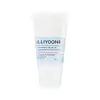
This barrier-repair moisturizer is formulated around Hydroxypropyl Bispalmitamide Mea and Panax Ginseng Root Water to strengthen the skin barrier and hydrate skin.

What's inside
What's inside
 Key Ingredients
Benefits
Concerns
Ingredients Side-by-side
Citrus Tangerina Extract
TonicDipropylene Glycol
HumectantGlycerin
Humectant


Niacinamide
Smoothing









Butylene Glycol
Humectant
1,2-Hexanediol
Skin Conditioning
Water
Skin ConditioningLimnanthes Alba Seed Oil
Skin Conditioning


Pentylene Glycol
Skin Conditioning
Chondrus Crispus Extract
Skin Conditioning
Chlorella Vulgaris Extract
Skin ConditioningSaccharum Officinarum Extract
MoisturisingCitrus Aurantium Bergamia Fruit Oil
Masking


Melia Azadirachta Flower Extract
Skin ConditioningAcacia Senegal Gum
MaskingOcimum Sanctum Leaf Extract
Skin ConditioningMelia Azadirachta Leaf Extract
Skin ConditioningLavandula Angustifolia Oil
Masking
Curcuma Longa Root Extract
Antioxidant
Corallina Officinalis Extract
Skin Conditioning

Citrus Limon Peel Oil
Masking
Cananga Odorata Flower Oil
Masking
Citrus Aurantium Dulcis Peel Oil
Masking
Eucalyptus Globulus Leaf Extract
Perfuming
Cynanchum Atratum Extract
Skin ConditioningTheobroma Cacao Seed Extract
Antioxidant
Althaea Rosea Flower Extract
Skin ConditioningCamellia Sinensis Leaf Extract
Antimicrobial
Vinyldimethicone

Ammonium Acryloyldimethyltaurate/Vp Copolymer
Panthenol
Skin Conditioning
Trehalose
Humectant
Caprylic/Capric Triglyceride
Masking
Acrylates/C10-30 Alkyl Acrylate Crosspolymer
Emulsion StabilisingHydroxyacetophenone
Antioxidant
Tromethamine
BufferingDiisostearyl Malate
EmollientGlucose
Humectant
Fructooligosaccharides
Humectant
Fructose
Humectant
Dimethicone/Vinyl Dimethicone Crosspolymer
Skin Conditioning
Tocopheryl Acetate
Antioxidant
Adenosine
Skin Conditioning
Ethylhexylglycerin
Skin ConditioningSodium Phytate
ChelatingAgar
MaskingSilica
Abrasive
Dextrin
AbsorbentXanthophylls
Skin ConditioningSodium Ascorbyl Phosphate
Antioxidant
Limonene
Perfuming
Linalool
Perfuming
Citrus Tangerina Extract, Dipropylene Glycol, Glycerin, Niacinamide, Butylene Glycol, 1,2-Hexanediol, Water, Limnanthes Alba Seed Oil, Pentylene Glycol, Chondrus Crispus Extract, Chlorella Vulgaris Extract, Saccharum Officinarum Extract, Citrus Aurantium Bergamia Fruit Oil, Melia Azadirachta Flower Extract, Acacia Senegal Gum, Ocimum Sanctum Leaf Extract, Melia Azadirachta Leaf Extract, Lavandula Angustifolia Oil, Curcuma Longa Root Extract, Corallina Officinalis Extract, Citrus Limon Peel Oil, Cananga Odorata Flower Oil, Citrus Aurantium Dulcis Peel Oil, Eucalyptus Globulus Leaf Extract, Cynanchum Atratum Extract, Theobroma Cacao Seed Extract, Althaea Rosea Flower Extract, Camellia Sinensis Leaf Extract, Vinyldimethicone, Ammonium Acryloyldimethyltaurate/Vp Copolymer, Panthenol, Trehalose, Caprylic/Capric Triglyceride, Acrylates/C10-30 Alkyl Acrylate Crosspolymer, Hydroxyacetophenone, Tromethamine, Diisostearyl Malate, Glucose, Fructooligosaccharides, Fructose, Dimethicone/Vinyl Dimethicone Crosspolymer, Tocopheryl Acetate, Adenosine, Ethylhexylglycerin, Sodium Phytate, Agar, Silica, Dextrin, Xanthophylls, Sodium Ascorbyl Phosphate, Limonene, Linalool
Water
Skin ConditioningButylene Glycol
Humectant
Glycerin
Humectant
Dimethicone
Emollient
Pentaerythrityl Tetraisostearate
Emollient
Hydrogenated Poly(C6-14 Olefin)
EmollientStearic Acid
Cleansing
Behenyl Alcohol
Emollient
Palmitic Acid
Emollient
Cetyl Ethylhexanoate
Emollient1,2-Hexanediol
Skin Conditioning
Arachidyl Alcohol
Emollient
C14-22 Alcohols
Emulsion Stabilising
Hydroxypropyl Bispalmitamide Mea
Emollient
Polyacrylate-13
Arachidyl Glucoside
EmulsifyingMannitol
Humectant
C12-20 Alkyl Glucoside
EmulsifyingPolyisobutene
Glyceryl Caprylate
EmollientPanax Ginseng Root Water
Masking
Ethylhexylglycerin
Skin ConditioningAcrylates/Ammonium Methacrylate Copolymer
Polysorbate 20
Emulsifying
Sorbitan Isostearate
Emulsifying
Carbomer
Emulsion StabilisingPerilla Ocymoides Seed Extract
Antioxidant
Myristic Acid
Cleansing
Arachidic Acid
Cleansing
Cholesterol
Emollient
Bupleurum Falcatum Root Extract
Skin ConditioningAngelica Acutiloba Root Extract
Skin ConditioningOphiopogon Japonicus Root Extract
Skin ConditioningGlucose
Humectant
Silica
Abrasive
Glycine Max Oil
Emollient
Ceramide NP
Skin Conditioning
Phytosphingosine
Skin Conditioning
Hydrogenated Lecithin
Emulsifying
Tocopherol
Antioxidant
Canola Oil
Emollient
Rosmarinus Officinalis Leaf Extract
AntimicrobialWater, Butylene Glycol, Glycerin, Dimethicone, Pentaerythrityl Tetraisostearate, Hydrogenated Poly(C6-14 Olefin), Stearic Acid, Behenyl Alcohol, Palmitic Acid, Cetyl Ethylhexanoate, 1,2-Hexanediol, Arachidyl Alcohol, C14-22 Alcohols, Hydroxypropyl Bispalmitamide Mea, Polyacrylate-13, Arachidyl Glucoside, Mannitol, C12-20 Alkyl Glucoside, Polyisobutene, Glyceryl Caprylate, Panax Ginseng Root Water, Ethylhexylglycerin, Acrylates/Ammonium Methacrylate Copolymer, Polysorbate 20, Sorbitan Isostearate, Carbomer, Perilla Ocymoides Seed Extract, Myristic Acid, Arachidic Acid, Cholesterol, Bupleurum Falcatum Root Extract, Angelica Acutiloba Root Extract, Ophiopogon Japonicus Root Extract, Glucose, Silica, Glycine Max Oil, Ceramide NP, Phytosphingosine, Hydrogenated Lecithin, Tocopherol, Canola Oil, Rosmarinus Officinalis Leaf Extract
Reviews
Ingredients Explained
These ingredients are found in both products.
Ingredients higher up in an ingredient list are typically present in a larger amount.
1,2-Hexanediol is a synthetic liquid and another multi-functional powerhouse.
It is a:
- Humectant, drawing moisture into the skin
- Emollient, helping to soften skin
- Solvent, dispersing and stabilizing formulas
- Preservative booster, enhancing the antimicrobial activity of other preservatives
Butylene Glycol (or BG) is used within cosmetic products for a few different reasons:
Overall, Butylene Glycol is a safe and well-rounded ingredient that works well with other ingredients.
Though this ingredient works well with most skin types, some people with sensitive skin may experience a reaction such as allergic rashes, closed comedones, or itchiness.
Learn more about Butylene GlycolEthylhexylglycerin is created from glycerin. It is a multitasker ingredient that:
The CIR Expert Panel found minimal skin absorption or sensitization of any kind in a safety assessment. Though this ingredient is considered well-tolerated, a small number of cases of allergic dermatitis have been published since 2002. Just be sure to patch test if you are unsure.
Industry-reported use ranges from 8% in rinse-off products and 2% in leave-on formulations.
Learn more about EthylhexylglycerinGlucose is a simple sugar (a monosaccharide). In skincare, it is mostly a humectant and skin conditioning agent.
Mechanistically, it has multiple hydroxyl groups that hydrogen-bond to water. This pulls moisture into the upper layers of skin to keep the surface soft and hydrated.
It's worth knowing sugars are already a natural component of the skin's NMF (natural moisturizing factor) so it's a molecule that your stratum corneum is well-acquainted with.
Just so you know, glucose is hydrophilic (water-loving) and the stratum corneum is a strong barrier to hydrophilic compounds. This just means penetration is slow and most of the action is happening on the surface.
Gram-to-gram, glucose is not as efficient as a humectant as glycerin. This is why you'll likely see glycose paired with stronger humectants for a bigger hydration payoff.
In skincare, glucose is typically derived from corn or other starch sources.
Learn more about GlucoseGlycerin (or glycerol) is a compound naturally found in your skin. It's a powerhouse humectant that pulls water into the stratum corneum.
Topically, glycerin does several things at once:
Your skin makes glycerin on its own (mostly from sebaceous oil breakdown) and shuttles it to your outermost layer of skin, or your epidermis, via aquaporin-3.
Aquaporin-3 is a transporter that is essential for normal skin hydration, elasticity, and repair. Interestingly, mice lacking in AQP3 have dry and less elastic skin that can be fully corrected with glycerin.
This ingredient is non-irritating, plays well with almost every ingredient, and works across all skin types. Typical use is anywhere between 3-10% but can go up to 79% in some leave-on products.
Just know very high concentrations (>40%) can feel tacky in low humidity.
Glycerin is the name for this ingredient in American English. British English uses Glycerol/Glycerine.
Learn more about GlycerinSilica, also known as silicon dioxide, is a naturally occurring mineral. It is used as a fine, spherical, and porous powder in cosmetics.
Though it has exfoliant properties, the function of silica varies depending on the product.
The unique structure of silica enhances the spreadability and adds smoothness, making it a great texture enhancer.
It is also used as an active carrier, emulsifier, and mattifier due to its ability to absorb excess oil.
In some products, tiny microneedles called spicules are made from silica or hydrolyzed sponge. When you rub them in, they lightly polish away dead skin layers and enhance the penetration of active ingredients.
Learn more about SilicaWater. It's the most common cosmetic ingredient of all. You'll usually see it at the top of ingredient lists, meaning that it makes up the largest part of the product.
So why is it so popular? Water most often acts as a solvent - this means that it helps dissolve other ingredients into the formulation.
You'll also recognize water as that liquid we all need to stay alive. If you see this, drink a glass of water. Remember to stay hydrated!
Learn more about Water

