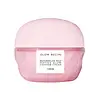
Glow Recipe Cloudberry Bright Moisture Cream Versus Glow Recipe Watermelon Milk Peptide Glow Cushion Cream
This anti-aging moisturizer is formulated around Ubiquinone and Copper Tripeptide-1 to soften the look of wrinkles.
This anti-aging moisturizer is formulated around Squalane and Citrullus Lanatus Fruit Extract to soften the look of wrinkles and hydrate skin.

What's inside
What's inside
 Key Ingredients
Benefits
Concerns
Ingredients Side-by-side
Water
Skin ConditioningCarthamus Tinctorius Seed Oil
Masking



Caprylic/Capric Triglyceride
Masking

Glycerin
Humectant
C10-18 Triglycerides
Emollient
Ricinus Communis Seed Oil
Masking
Cetearyl Alcohol
Emollient



Glyceryl Stearate Citrate
Emollient
Rubus Chamaemorus Seed Oil
Skin Conditioning
Ubiquinone
Antioxidant

Copper Tripeptide-1
Skin Conditioning
Palmitoyl Tripeptide-5
Skin Conditioning
Hyaluronic Acid
Humectant
Bisabolol
Antioxidant

Zingiber Officinale Root Extract
Masking
Chenopodium Quinoa Seed Extract
Skin Conditioning
Mannose
HumectantSodium Mannose Phosphate
HumectantDaucus Carota Sativa Root Extract
Skin Conditioning
Glycine Max Seed Extract
Skin ConditioningOryza Sativa Extract
Absorbent
Saccharide Isomerate
Humectant
Panax Ginseng Root Extract
Emollient
Trisodium Ethylenediamine Disuccinate
ChelatingCopernicia Cerifera Cera
Emollient
Coco-Caprylate/Caprate
Emollient
Sorbitan Isostearate
Emulsifying
Rhizobian Gum
Butylene Glycol
Humectant
C9-12 Alkane
SolventHydroxyethyl Acrylate/Sodium Acryloyldimethyl Taurate Copolymer
Emulsion StabilisingCetyl Alcohol
Emollient
Glyceryl Caprylate
Emollient1,2-Hexanediol
Skin Conditioning
Hydrogenated Castor Oil
Emollient
Sodium Citrate
BufferingXanthan Gum
EmulsifyingCetearyl Glucoside
Emulsifying
Acacia Senegal Gum
MaskingCitric Acid
Buffering

Ethylhexylglycerin
Skin ConditioningPhenoxyethanol
Preservative
Parfum
Masking

Water, Carthamus Tinctorius Seed Oil, Caprylic/Capric Triglyceride, Glycerin, C10-18 Triglycerides, Ricinus Communis Seed Oil, Cetearyl Alcohol, Glyceryl Stearate Citrate, Rubus Chamaemorus Seed Oil, Ubiquinone, Copper Tripeptide-1, Palmitoyl Tripeptide-5, Hyaluronic Acid, Bisabolol, Zingiber Officinale Root Extract, Chenopodium Quinoa Seed Extract, Mannose, Sodium Mannose Phosphate, Daucus Carota Sativa Root Extract, Glycine Max Seed Extract, Oryza Sativa Extract, Saccharide Isomerate, Panax Ginseng Root Extract, Trisodium Ethylenediamine Disuccinate, Copernicia Cerifera Cera, Coco-Caprylate/Caprate, Sorbitan Isostearate, Rhizobian Gum, Butylene Glycol, C9-12 Alkane, Hydroxyethyl Acrylate/Sodium Acryloyldimethyl Taurate Copolymer, Cetyl Alcohol, Glyceryl Caprylate, 1,2-Hexanediol, Hydrogenated Castor Oil, Sodium Citrate, Xanthan Gum, Cetearyl Glucoside, Acacia Senegal Gum, Citric Acid, Ethylhexylglycerin, Phenoxyethanol, Parfum
Water
Skin ConditioningButylene Glycol
Humectant
Caprylic/Capric Triglyceride
Masking
Glycerin
Humectant
Propanediol
Solvent
Squalane
Emollient
Dipropylene Glycol
HumectantEthylhexyl Stearate
Emollient
Panthenol
Skin Conditioning
Pentylene Glycol
Skin Conditioning
Polyglyceryl-3 Methylglucose Distearate
Emulsifying
1,2-Hexanediol
Skin Conditioning
Pentaerythrityl Tetraethylhexanoate
Emollient
Polyglycerin-3
Humectant
Dicaprylyl Carbonate
EmollientSynthetic Beeswax
Emulsion Stabilising
Citrullus Lanatus Fruit Extract
Skin Conditioning
Copper Tripeptide-1
Skin Conditioning
Palmitoyl Tripeptide-1
Skin Conditioning
Palmitoyl Tripeptide-5
Skin Conditioning
Palmitoyl Pentapeptide-4
Skin Conditioning
Acetyl Hexapeptide-8
Humectant
Acetyl Octapeptide-3
Humectant
Acetyl Tetrapeptide-2
Skin Conditioning
Acetyl Tetrapeptide-3
Skin Protecting
Acetyl Tetrapeptide-5
Humectant
Acetyl Tetrapeptide-9
Skin Conditioning
Nonapeptide-1
Skin Conditioning
Ascorbic Acid Polypeptide
Antioxidant
Carnosine
Skin Conditioning
Ectoin
Skin Conditioning
Ceramide NP
Skin Conditioning
Phytosterols
Skin Conditioning
Hydrogenated Lecithin
Emulsifying
Saccharide Isomerate
Humectant
Sodium Hyaluronate
Humectant
Beta-Glucan
Skin Conditioning
Allantoin
Skin Conditioning
Betaine
Humectant
Biosaccharide Gum-1
Humectant
Pullulan
Tocopherol
Antioxidant
Lithospermum Officinale Root Extract
Skin ConditioningBeta Vulgaris Root Extract
Skin ConditioningCaprylic/Capric/Myristic/Stearic Triglyceride
EmollientDicaprylyl Ether
Emollient
Glyceryl Stearate
Emollient
Glyceryl Stearate Citrate
Emollient
Polyglyceryl-3 Distearate
Emulsifying
Sorbitan Isostearate
Emulsifying
Cetyl Alcohol
Emollient
Behenyl Alcohol
Emollient
Hydroxyethyl Acrylate/Sodium Acryloyldimethyl Taurate Copolymer
Emulsion StabilisingAcrylates/C10-30 Alkyl Acrylate Crosspolymer
Emulsion StabilisingPoly C10-30 Alkyl Acrylate
Emulsion StabilisingCarbomer
Emulsion StabilisingXanthan Gum
EmulsifyingTromethamine
BufferingSodium Phytate
ChelatingCitric Acid
Buffering
Sodium Citrate
BufferingEthylhexylglycerin
Skin ConditioningMethyl Hydrogenated Rosinate
Perfuming
Water, Butylene Glycol, Caprylic/Capric Triglyceride, Glycerin, Propanediol, Squalane, Dipropylene Glycol, Ethylhexyl Stearate, Panthenol, Pentylene Glycol, Polyglyceryl-3 Methylglucose Distearate, 1,2-Hexanediol, Pentaerythrityl Tetraethylhexanoate, Polyglycerin-3, Dicaprylyl Carbonate, Synthetic Beeswax, Citrullus Lanatus Fruit Extract, Copper Tripeptide-1, Palmitoyl Tripeptide-1, Palmitoyl Tripeptide-5, Palmitoyl Pentapeptide-4, Acetyl Hexapeptide-8, Acetyl Octapeptide-3, Acetyl Tetrapeptide-2, Acetyl Tetrapeptide-3, Acetyl Tetrapeptide-5, Acetyl Tetrapeptide-9, Nonapeptide-1, Ascorbic Acid Polypeptide, Carnosine, Ectoin, Ceramide NP, Phytosterols, Hydrogenated Lecithin, Saccharide Isomerate, Sodium Hyaluronate, Beta-Glucan, Allantoin, Betaine, Biosaccharide Gum-1, Pullulan, Tocopherol, Lithospermum Officinale Root Extract, Beta Vulgaris Root Extract, Caprylic/Capric/Myristic/Stearic Triglyceride, Dicaprylyl Ether, Glyceryl Stearate, Glyceryl Stearate Citrate, Polyglyceryl-3 Distearate, Sorbitan Isostearate, Cetyl Alcohol, Behenyl Alcohol, Hydroxyethyl Acrylate/Sodium Acryloyldimethyl Taurate Copolymer, Acrylates/C10-30 Alkyl Acrylate Crosspolymer, Poly C10-30 Alkyl Acrylate, Carbomer, Xanthan Gum, Tromethamine, Sodium Phytate, Citric Acid, Sodium Citrate, Ethylhexylglycerin, Methyl Hydrogenated Rosinate
Reviews
Ingredients Explained
These ingredients are found in both products.
Ingredients higher up in an ingredient list are typically present in a larger amount.
1,2-Hexanediol is a synthetic liquid and another multi-functional powerhouse.
It is a:
- Humectant, drawing moisture into the skin
- Emollient, helping to soften skin
- Solvent, dispersing and stabilizing formulas
- Preservative booster, enhancing the antimicrobial activity of other preservatives
Butylene Glycol (or BG) is used within cosmetic products for a few different reasons:
Overall, Butylene Glycol is a safe and well-rounded ingredient that works well with other ingredients.
Though this ingredient works well with most skin types, some people with sensitive skin may experience a reaction such as allergic rashes, closed comedones, or itchiness.
Learn more about Butylene GlycolCaprylic/Capric Triglyceride (aka MCT Oil) is a lightweight emollient, solvent, and texture enhancer. It is considered a skin-softener by helping to prevent moisture loss.
Though it behaves like an oil, it is not technically one due to its chemical composition. One perk of this ingredient is that it is very stable, resistant to oxidation, and unlikely to go rancid.
In practice, that translates to a long shelf life and a consistently elegant skin feel.
While there is an assumption Caprylic Triglyceride can clog pores due to it being derived from coconut oil, there is no research supporting this. Just patch test if you have concerns.
Fractionated coconut oil and MCT Oil are both listed as Caprylic/Capric Triglyceride according to INCI. This is because INCI names are based on the ingredient’s final chemical composition and not its marketing name or source.
This ingredient is treated as the gold standard fungal acne safe oil. Even though it is coconut derived, the problematic lauric acid is stripped out.
This leaves just caprylic (C8) and capric (C10) acid. These chain lengths actually trend antifungal; a 2020 study found caprylic acid was enough to disrupt Malassezia furfur cell membrane, with a caprylic acid derivative damaging membrane structures at concentrations as low as 0.2%.
Learn more about Caprylic/Capric TriglycerideCetyl Alcohol is a fatty alcohol. Fatty Alcohols are most often used as an emollient or to thicken a product.
Its main roles are:
Though it has "alcohol" in the name, it is not related to denatured alcohol or ethyl alcohol.
The FDA allows products labeled "alcohol-free" to have fatty alcohols.
This ingredient may not be fungal acne safe. It is a primary fatty alcohol with a chain length above 12 carbons. A study from 2019 show Malassezia can feed on fatty alcohols in this range, so it may trigger fungal acne in those prone to it.
Learn more about Cetyl AlcoholCitric Acid is an alpha hydroxy acid (AHA) naturally found in citrus fruits like oranges, lemons, and limes.
Like other AHAs, citric acid can exfoliate skin by breaking down the bonds that hold dead skin cells together. This helps reveal smoother and brighter skin underneath.
However, this exfoliating effect only happens at high concentrations (20%) which can be hard to find in cosmetic products.
Due to this, citric acid is usually included in small amounts as a pH adjuster. This helps keep products slightly more acidic and compatible with skin's natural pH.
In skincare formulas, citric acid can:
While it can provide some skin benefits, research shows lactic acid and glycolic acid are generally more effective and less irritating exfoliants.
Most citric acid used in skincare today is made by fermenting sugars (usually from molasses). This synthetic version is identical to the natural citrus form but easier to stabilize and use in formulations.
Rosacea skin has a lower threshold for acids generally, with 62.5% of rosacea subjects in one study reacting to lactic acid in a sting test. This is why we mark citric acid as a potential rosacea trigger.
However, this ingredient shows up as a pH adjuster or chelator at roughly 0.1-1% in many products. These low levels are unlikely to be an issue for rosacea skin and becomes a potential trigger at exfoliating concentrations (20%). Because everybody's skin is unique, we recommend a patch test if you are unsure.
Learn more about Citric AcidCopper Tripeptide-1 (GHK-Cu) is a skin repairing ingredient said to boost collagen, improve firmness, and support skin regeneration.
It is a complex made up of a naturally occurring peptide (glycine-histidine-lysine) and copper, an essential trace element.
While studying wound healing, researchers noticed GHK-Cu stimulated hair follicle enlargement and growth by keeping hair in its active growth phase longer. This has made it a promising ingredient for hair regrowth treatments.
Some people have reported increased facial hair. While GHK-Cu can make your hair follicles bigger, it usually doesn’t turn soft, barely-visible facial hairs into thick, dark ones.
Anecdotal reports suggest that overusing copper peptides might lead to premature aging due to excess free copper or enzyme imbalances. This claim isn’t backed by large-scale studies.
Unfortunately, there are limited human studies for this ingredient. While early results are promising, many studies are either small, in-vitro, or not rigorously controlled.
For example, there is a 1998 study that explored the effects of copper tripeptide, vitamin C, tretinoin, and melatonin on skin repair and collagen synthesis.
After one month, increased procollagen production was seen in 7 out of 10 participants using copper tripeptide (more than those using vitamin C, melatonin, or tretinoin.
While the study was exploratory, it offers early evidence that copper tripeptide may support collagen production. Larger, well-designed trials are still needed to confirm its potential and understand individual responses.
Read more about other common types of peptides here:
Learn more about Copper Tripeptide-1Ethylhexylglycerin is created from glycerin. It is a multitasker ingredient that:
The CIR Expert Panel found minimal skin absorption or sensitization of any kind in a safety assessment. Though this ingredient is considered well-tolerated, a small number of cases of allergic dermatitis have been published since 2002. Just be sure to patch test if you are unsure.
Industry-reported use ranges from 8% in rinse-off products and 2% in leave-on formulations.
Learn more about EthylhexylglycerinGlycerin (or glycerol) is a compound naturally found in your skin. It's a powerhouse humectant that pulls water into the stratum corneum.
Topically, glycerin does several things at once:
Your skin makes glycerin on its own (mostly from sebaceous oil breakdown) and shuttles it to your outermost layer of skin, or your epidermis, via aquaporin-3.
Aquaporin-3 is a transporter that is essential for normal skin hydration, elasticity, and repair. Interestingly, mice lacking in AQP3 have dry and less elastic skin that can be fully corrected with glycerin.
This ingredient is non-irritating, plays well with almost every ingredient, and works across all skin types. Typical use is anywhere between 3-10% but can go up to 79% in some leave-on products.
Just know very high concentrations (>40%) can feel tacky in low humidity.
Glycerin is the name for this ingredient in American English. British English uses Glycerol/Glycerine.
Learn more about GlycerinGlyceryl Stearate Citrate is a citric acid ester of glyceryl stearate.
It is an emulsifier, emollient, and a surfactant.
Emulsifiers help stabilize a product. It does this by preventing certain ingredients from separating. Common ingredients include oils and water, which do not mix naturally. Emulsifiers have properties that help keep ingredients such as these together.
Emollients help soothe and soften the skin. They do this by creating a protective film on your skin. This barrier helps trap moisture and keeps your skin hydrated. Emollients may be effective at treating dry or itchy skin.
Surfactants help gather oils, dirt, and other pollutants from the skin. This helps them to be easily rinsed away.
Learn more about Glyceryl Stearate CitrateThis is a synthetic polymer. It helps improve the texture of products by adding thickness and gel-like feel.
It is also an emulsifer, meaning it prevents ingredients such as oil and water from separating. It also helps evenly disperse other ingredients.
Palmitoyl Tripeptide-5 is a synthetic signal lipopeptide. This just means it is a three amino acid chain bolted onto a palmitic acid tail so it can slip through the skin's lipid barrier.
This peptide has a "build more, lose less" approach.
It's designed to mimic the collagen-stimulating activity in your skin by copying a snippet of one of your skin's own matrix proteins. This nudges fibroblasts into making more collagen while inhibiting the enzyme that breaks down skin protein.
The manufacturer's in vivo study of 45 volunteers found 1% and 2.5% reduced the appearance of wrinkles by 7% and 12% respectively, after using it twice daily for 84 days.
This is in the expected range for peptides; they're slow and cumulative actives and not overnight fixers.
Typical use levels range from 1-3% and this ingredient gets along with pretty much everything.
On the fungal acne front:
Although palmitic acid sits in the chain length that Malassezia can feed on, this ingredient has it locked in an amine bond. This makes it hard for Malassezia to access as a source of food, and therefore fungal acne safe.
Saccharide Isomerate comes from sugars found in corn. It is a skin hydrator.
The structure of this ingredient can be altered to be more similar to the carbohydrates found in our skin. This ability to mimic our skin gives it hydrating properties.
Specifically, saccharide Isomerate is a humectant. Humectants draw moisture from the air to our skin.
Research shows Saccharide Isomerate to be an effective moisturizer.
Learn more about Saccharide IsomerateSodium Citrate is the sodium salts of citric acid. In skincare, it is used to alter pH levels and acts as a preservative.
Its main functions are to maintain the pH of a product and neutralize metal ions.
The acidity of our skin is maintained by our glands and skin biome; normal pH level of skin is slightly acidic (~4.75-5.5).
Being slightly acidic allows our skin to create an "acid mantle". This acid mantle is a thin barrier that protects our skin from bacteria and contaminants.
Learn more about Sodium CitrateSorbitan Isostearate is an emulsifer. It is created from isostearic acid and sorbitol.
As an emulsifier, it keeps the water and oil ingredients from separating. This keeps formulas stable and smooth.
In a 24 hour occlusive patch test on 56 subjects, 10% sorbitan isostearate was completely non-irritating. Most formulas use less than 10%.
Because it's a fatty acid ester, it may not be fungal acne safe since the Malassezia yeast can utilize it as a nutrient source.
Learn more about Sorbitan IsostearateWater. It's the most common cosmetic ingredient of all. You'll usually see it at the top of ingredient lists, meaning that it makes up the largest part of the product.
So why is it so popular? Water most often acts as a solvent - this means that it helps dissolve other ingredients into the formulation.
You'll also recognize water as that liquid we all need to stay alive. If you see this, drink a glass of water. Remember to stay hydrated!
Learn more about WaterXanthan gum is used as a stabilizer and thickener within cosmetic products. It helps give products a sticky, thick feeling - preventing them from being too runny.
On the technical side of things, xanthan gum is a polysaccharide - a combination consisting of multiple sugar molecules bonded together.
Xanthan gum is a pretty common and great ingredient. It is a natural, non-toxic, non-irritating ingredient that is also commonly used in food products.
Learn more about Xanthan Gum

