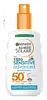
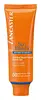
Garnier Ambre Solaire Kids Sensitive Advanced Sun Cream Spray SPF 50+ Versus Lancaster Sun Beauty Comfort Touch SPF 50
This chemical sunscreen covers the full UV range and blocks ~98% of UVB at SPF 50.
This hybrid sunscreen covers the full UV range and blocks ~98% of UVB at SPF 50.


What's inside
What's inside
 Key Ingredients
Benefits
Concerns
Ingredients Side-by-side
Water
Skin ConditioningDiethylamino Hydroxybenzoyl Hexyl Benzoate
UV Filter
Alcohol Denat.
Antimicrobial




Homosalate
Skin Conditioning
Ethylhexyl Salicylate
UV Absorber
Butyl Methoxydibenzoylmethane
UV Absorber
Octocrylene
UV Absorber
Glycerin
Humectant


Propanediol
Solvent
Bis-Ethylhexyloxyphenol Methoxyphenyl Triazine
UV Absorber
C12-22 Alkyl Acrylate/Hydroxyethylacrylate Copolymer
StabilisingDiisopropyl Adipate
EmollientDiisopropyl Sebacate
EmollientDicaprylyl Ether
Emollient
Ethylhexyl Triazone
UV Absorber
Tocopherol
Antioxidant





Hydroxyacetophenone
Antioxidant
Sodium Polyacrylate
Absorbent
Trisodium Ethylenediamine Disuccinate
Triethanolamine
BufferingDrometrizole Trisiloxane
UV Absorber
Aloe Barbadensis Leaf Juice Powder
Skin Conditioning
Caprylyl Glycol
Emollient
Acrylates/C10-30 Alkyl Acrylate Crosspolymer
Emulsion StabilisingWater, Diethylamino Hydroxybenzoyl Hexyl Benzoate, Alcohol Denat., Homosalate, Ethylhexyl Salicylate, Butyl Methoxydibenzoylmethane, Octocrylene, Glycerin, Propanediol, Bis-Ethylhexyloxyphenol Methoxyphenyl Triazine, C12-22 Alkyl Acrylate/Hydroxyethylacrylate Copolymer, Diisopropyl Adipate, Diisopropyl Sebacate, Dicaprylyl Ether, Ethylhexyl Triazone, Tocopherol, Hydroxyacetophenone, Sodium Polyacrylate, Trisodium Ethylenediamine Disuccinate, Triethanolamine, Drometrizole Trisiloxane, Aloe Barbadensis Leaf Juice Powder, Caprylyl Glycol, Acrylates/C10-30 Alkyl Acrylate Crosspolymer
Water
Skin ConditioningOctocrylene
UV Absorber
Tribehenin PEG-20 Esters
EmollientGlycerin
Humectant
Diisopropyl Sebacate
EmollientHomosalate
Skin Conditioning
Butyl Methoxydibenzoylmethane
UV Absorber
Phenylbenzimidazole Sulfonic Acid
UV Absorber
C12-15 Alkyl Benzoate
AntimicrobialCyclopentasiloxane
Emollient
Alcohol
Antimicrobial
Ethylhexyl Methoxycinnamate
UV Absorber
Methylene Bis-Benzotriazolyl Tetramethylbutylphenol
UV Filter
Polymethylsilsesquioxane
Bis-Ethylhexyloxyphenol Methoxyphenyl Triazine
UV Absorber
Alpha-Isomethyl Ionone
Perfuming


Aluminum Hydroxide
EmollientAluminum Stearate
Cosmetic ColorantAngelica Archangelica Root Extract
Masking
Ascorbic Acid
Antioxidant

Ascorbyl Palmitate
Antioxidant
Benzyl Alcohol
Perfuming
Benzyl Benzoate
Antimicrobial
Benzyl Salicylate
Perfuming
BHT
Antioxidant
Butylphenyl Methylpropional
Perfuming
Caffeine
Skin Conditioning
Calcium Sodium Phosphosilicate
Camellia Sinensis Leaf Extract
Antimicrobial

Caprylyl Glycol
Emollient
Cinnamal
Perfuming
Citric Acid
Buffering
Citronellol
Perfuming
Citrus Aurantium Amara Peel Extract
MaskingCoffea Arabica Seed Extract
Masking
Cyclohexasiloxane
Emollient
Decyl Glucoside
Cleansing
Dimethylmethoxy Chromanol
Antioxidant
Disodium EDTA
Farnesol
Perfuming
Geraniol
Perfuming
Glycine
Buffering
Hippophae Rhamnoides Oil
Emollient
Hydrolyzed Citrus Aurantium Dulcis Fruit Extract
Skin ProtectingHydroxycitronellal
Perfuming
Hydroxyethyl Acrylate/Sodium Acryloyldimethyl Taurate Copolymer
Emulsion StabilisingLecithin
Emollient
Limonene
Perfuming
Linalool
Perfuming
Magnesium Aluminum Silicate
Absorbent
Maltodextrin
Absorbent
Mauritia Flexuosa Fruit Oil
Skin Conditioning
Mica
Cosmetic ColorantPEG-8
HumectantPolysorbate 60
Emulsifying
Pongamia Pinnata Seed Extract
Skin ConditioningPropylene Glycol
Humectant
Ruby Powder
Skin ConditioningSclerotium Gum
Emulsion StabilisingSodium Hydroxide
BufferingSodium Lactate Methylsilanol
Skin ConditioningSorbitan Isostearate
Emulsifying
Synthetic Fluorphlogopite
Tin Oxide
Abrasive
Titanium Dioxide
Cosmetic Colorant
Tocopherol
Antioxidant
Xanthan Gum
EmulsifyingChlorphenesin
Antimicrobial
Phenoxyethanol
Preservative
Salicylic Acid
Masking

Sorbic Acid
Preservative
Parfum
Masking
CI 14700
Cosmetic ColorantCI 19140
Cosmetic ColorantCI 77891
Cosmetic ColorantWater, Octocrylene, Tribehenin PEG-20 Esters, Glycerin, Diisopropyl Sebacate, Homosalate, Butyl Methoxydibenzoylmethane, Phenylbenzimidazole Sulfonic Acid, C12-15 Alkyl Benzoate, Cyclopentasiloxane, Alcohol, Ethylhexyl Methoxycinnamate, Methylene Bis-Benzotriazolyl Tetramethylbutylphenol, Polymethylsilsesquioxane, Bis-Ethylhexyloxyphenol Methoxyphenyl Triazine, Alpha-Isomethyl Ionone, Aluminum Hydroxide, Aluminum Stearate, Angelica Archangelica Root Extract, Ascorbic Acid, Ascorbyl Palmitate, Benzyl Alcohol, Benzyl Benzoate, Benzyl Salicylate, BHT, Butylphenyl Methylpropional, Caffeine, Calcium Sodium Phosphosilicate, Camellia Sinensis Leaf Extract, Caprylyl Glycol, Cinnamal, Citric Acid, Citronellol, Citrus Aurantium Amara Peel Extract, Coffea Arabica Seed Extract, Cyclohexasiloxane, Decyl Glucoside, Dimethylmethoxy Chromanol, Disodium EDTA, Farnesol, Geraniol, Glycine, Hippophae Rhamnoides Oil, Hydrolyzed Citrus Aurantium Dulcis Fruit Extract, Hydroxycitronellal, Hydroxyethyl Acrylate/Sodium Acryloyldimethyl Taurate Copolymer, Lecithin, Limonene, Linalool, Magnesium Aluminum Silicate, Maltodextrin, Mauritia Flexuosa Fruit Oil, Mica, PEG-8, Polysorbate 60, Pongamia Pinnata Seed Extract, Propylene Glycol, Ruby Powder, Sclerotium Gum, Sodium Hydroxide, Sodium Lactate Methylsilanol, Sorbitan Isostearate, Synthetic Fluorphlogopite, Tin Oxide, Titanium Dioxide, Tocopherol, Xanthan Gum, Chlorphenesin, Phenoxyethanol, Salicylic Acid, Sorbic Acid, Parfum, CI 14700, CI 19140, CI 77891
Ingredients Explained
These ingredients are found in both products.
Ingredients higher up in an ingredient list are typically present in a larger amount.
This ingredient is better known as bemotrizinol or Tinosorb S and is one of the best broad-spectrum UV filters in modern sunscreen.
It works by absorbing UV light across a whole range (280-400 nm) with peaks around 310 nm (UVB) and 340-345 nm (UVA). This means it covers UVB plus the deeper UVA wavelengths that drive photoaging and pigmentation.
Another pro?
It's exceptionally photostable, barely degrades in sunlight, and acts as a "bodyguard" for less stable filters.
That's why you'll see it paired with avobenzone or octinoxate; this team up ensures they keep working through sun exposure.
Safety reviews have been reassuring across the board. This ingredient shows low absorption through the skin, rarely irritates, and lab studies found it doesn't act like a hormone in the body (a concern that's been raised about some older sunscreen filters).
On maximum concentrations:
In 2026, the US F.D.A finally added it as an OTC sunscreen ingredient at concentrations up to 6% for adults / children 6 months and older
Learn more about Bis-Ethylhexyloxyphenol Methoxyphenyl TriazineAlso known as Avobenzone, this ingredient is an oil-soluble used to absorb the full spectrum of UVA rays (peak 357 nm).
It's one of the most effective UVA filters available but has a major caveat of photostability: avobenzone is susceptible to photodegradation.
This means it can lose efficacy when exposed to sunlight without the help of a stabilizing agent.
Studies show antioxidants (like vitamin E or vitamin C) and some UV filters (like octocrylene and Tinosorb S) can meaningfully improve its stability in a formulation.
The maximum allowable concentration according to regulation is 3% in the US + Canada, and 5% in the EU, Australia, China, Korea, and ASEAN countries.
It has a well-support safety profile: a comprehensive 2025 review found minimal toxicity with no evidence of carcinogenicity.
Overall, avobenzone is a safe and regulated ingredient used in sunscreen for over 40 years.
Learn more about Butyl MethoxydibenzoylmethaneCaprylyl Glycol is a humectant, skin conditioner, emollient, and preservative booster derived from either caprylic acid or synthetically created.
Typical use levels vary from 0.3-1% as a preservative booster and go up to 2% to condition skin.
Because it is not a free-fatty acid, this ingredient is fungal acne safe (there's nothing for Malassezia to feed on).
Learn more about Caprylyl GlycolWe don't have a description for Diisopropyl Sebacate yet.
Glycerin (or glycerol) is a compound naturally found in your skin. It's a powerhouse humectant that pulls water into the stratum corneum.
Topically, glycerin does several things at once:
Your skin makes glycerin on its own (mostly from sebaceous oil breakdown) and shuttles it to your outermost layer of skin, or your epidermis, via aquaporin-3.
Aquaporin-3 is a transporter that is essential for normal skin hydration, elasticity, and repair. Interestingly, mice lacking in AQP3 have dry and less elastic skin that can be fully corrected with glycerin.
This ingredient is non-irritating, plays well with almost every ingredient, and works across all skin types. Typical use is anywhere between 3-10% but can go up to 79% in some leave-on products.
Just know very high concentrations (>40%) can feel tacky in low humidity.
Glycerin is the name for this ingredient in American English. British English uses Glycerol/Glycerine.
Learn more about GlycerinHomosalate is an oil-soluble organic UVB filter that has been a sunscreen staple for decades. Its job is to absorb UVB rays (~295-315 nm) and protect your skin against sunburn,
This is one of the more photostable organic UV filters; it holds up pretty well under UV and a 2022 quantum-chemistry study found it stays stable in sunlight.
It's actually so reliable that formulators often pair it with shakier ingredients like oxybenzone and avobenzone. Formulators also use it to help dissolve the other UV filters into the oil phase.
One thing to keep in mind: "stable" isn't the same as "strong". On its own, homosalate is actually a pretty weak UV filter so it's better off as a helpful team player that helps boost overall SPF protection.
The safety picture is a bit nuanced but not scary.
This ingredient has a long track record of being gentle and regulators agree it isn't an irritant; EU's Scientific Committee on Consumer Safety found that homosalate is not considered a skin irritant and doesn't raise eye-irritation flags either.
There's talk about homosalate because your skin absorbs a little bit of it into your bloodstream. A 2020 FDA-backed study found homosalate showed up in people's blood levels at the level where the FDA decides to double check.
The EU's Scientific Committee on Consumer Safety (SCCS) also found small amounts in blood and breast milk. They estimated that about 5% of what you apply gets absorbed through the skin.
Due to the debate about whether it might mess with hormones, the SCCS recommended a maximum limit of 0.5% in most products of 7.3% in face creams/pump sprays.
One important thing to keep in mind: in the US, Homosalate is currently labeled "non-GRASE" by the FDA. This sounds alarming but really just means the FDA wants more data to confirm it's safe. It's not confidently saying this ingredient is harmful.
As of now, homosalate is still completely legal and widely used while that research gets done.
The current maximum limits are:
Learn more about HomosalateOctocrylene is an oil-soluble organic UV filter that mainly absorbs UVB and short wave UVA II light.
Its real superpower is teamwork: octocrylene is remarkably photostable and is most famous for stabilizing avobenzone (the workhorse UVA filter).
This ingredient is commonly used to enhance both UVB and UVA protection due to its unique property in stabilizing avobenzone. It also pulls double duty by boosting water resistance and giving formulas a smooth, spreadable feel.
The EU's Scientific Committee on Consumer Safety (SCCS) has deemed octocrylene to be safe as a UV-filter at concentrations up to 10% (capped at 9% in propellant sprays). The US also permits it up to 10%.
Two things worth knowing:
You'll usually see this ingredient used in concentrations between 2-10% (higher amounts when used as a stabilizer for avobenzone).
Learn more about OctocryleneTocopherol is a fat-soluble antioxidant known as Vitamin E.
You'll find this ingredient in the vast majority of skincare (for good reason). It works to neutralize free radicals, or unstable molecules generated by UV exposure, pollution, and other environmental stressors, before they can cause oxidative damage to your skin cells.
Topically applied tocopherol has been shown to protect against UV damage by ramping up the skin's own natural defense enzymes.
It also acts as a skin conditioning agent; some studies show that regular topical use can improve the skin's water-binding capacity over 2-4 weeks.
This ingredient is especially loved for being a team player. When combined with Vitamin C, the photoprotective effect of both ingredients roughly doubles and the combo also helps reduce UV-induced DNA damage.
This ingredient has some brightening potential but it's more of a prevention ingredient than spot-fader. Cell studies show it can slow down melanin production but it's worth noting that it's not the most powerful brightener out there.
In formulations, it also serves as a stabilizer that helps protect other oxidation-prone ingredients from degrading.
Concentrations usually range from 0.1-1% in most leave-on products.
Learn more about TocopherolWater. It's the most common cosmetic ingredient of all. You'll usually see it at the top of ingredient lists, meaning that it makes up the largest part of the product.
So why is it so popular? Water most often acts as a solvent - this means that it helps dissolve other ingredients into the formulation.
You'll also recognize water as that liquid we all need to stay alive. If you see this, drink a glass of water. Remember to stay hydrated!
Learn more about Water

