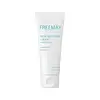
This barrier-repair moisturizer is formulated around Bambusa Vulgaris Extract and Panthenol to strengthen the skin barrier and hydrate skin.
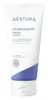
This barrier-repair moisturizer is formulated around Squalane and Hydroxypropyl Bispalmitamide Mea to strengthen the skin barrier and hydrate skin.

What's inside
What's inside
 Key Ingredients
Benefits
Concerns
Ingredients Side-by-side
Water
Skin ConditioningDipropylene Glycol
HumectantGlycerin
Humectant


Caprylic/Capric Triglyceride
Masking
Methyl Trimethicone
Skin Conditioning
Cetyl Ethylhexanoate
EmollientPolyglyceryl-3 Methylglucose Distearate
Emulsifying

Limnanthes Alba Seed Oil
Skin Conditioning
Bambusa Vulgaris Extract
Skin Conditioning
Betaine
Humectant
Hydrogenated Polyisobutene
EmollientCetearyl Alcohol
Emollient



Polyglyceryl-3 Stearate
Emulsifying
Glyceryl Stearate
Emollient
1,2-Hexanediol
Skin Conditioning
Trehalose
Humectant
Panthenol
Skin Conditioning
Arginine
Masking
Carbomer
Emulsion StabilisingCaprylyl Glycol
Emollient
Hydroxyacetophenone
Antioxidant
Hydrogenated Vegetable Glycerides
EmollientPolyglyceryl-10 Laurate
Skin Conditioning
Aminobutyric Acid
Polyglyceryl-4 Laurate
Emulsifying
Sodium Stearoyl Lactylate
EmulsifyingEthylhexylglycerin
Skin ConditioningButylene Glycol
Humectant
Houttuynia Cordata Extract
Skin Conditioning
Pantolactone
Humectant
Adenosine
Skin Conditioning
Pyrus Communis Fruit Extract
Skin ConditioningTrisodium Ethylenediamine Disuccinate
ChelatingRosa Damascena Flower Water
Masking
Glyceryl Glucoside
Humectant
Salvia Officinalis Oil
Masking
Iris Florentina Root Extract
MaskingCucumis Melo Fruit Extract
Skin ConditioningHedera Helix Leaf/Stem Extract
AntimicrobialTremella Fuciformis Polysaccharide
Emulsion Stabilising
Cyperus Rotundus Root Extract
Skin ConditioningPantothenic Acid
Skin ConditioningTaraxacum Officinale Rhizome/Root Extract
Skin ConditioningPerilla Frutescens Leaf Extract
MaskingSodium Hyaluronate
Humectant
Magnesium PCA
Humectant
Sodium PCA
Humectant
Calcium PCA
Humectant
Water, Dipropylene Glycol, Glycerin, Caprylic/Capric Triglyceride, Methyl Trimethicone, Cetyl Ethylhexanoate, Polyglyceryl-3 Methylglucose Distearate, Limnanthes Alba Seed Oil, Bambusa Vulgaris Extract, Betaine, Hydrogenated Polyisobutene, Cetearyl Alcohol, Polyglyceryl-3 Stearate, Glyceryl Stearate, 1,2-Hexanediol, Trehalose, Panthenol, Arginine, Carbomer, Caprylyl Glycol, Hydroxyacetophenone, Hydrogenated Vegetable Glycerides, Polyglyceryl-10 Laurate, Aminobutyric Acid, Polyglyceryl-4 Laurate, Sodium Stearoyl Lactylate, Ethylhexylglycerin, Butylene Glycol, Houttuynia Cordata Extract, Pantolactone, Adenosine, Pyrus Communis Fruit Extract, Trisodium Ethylenediamine Disuccinate, Rosa Damascena Flower Water, Glyceryl Glucoside, Salvia Officinalis Oil, Iris Florentina Root Extract, Cucumis Melo Fruit Extract, Hedera Helix Leaf/Stem Extract, Tremella Fuciformis Polysaccharide, Cyperus Rotundus Root Extract, Pantothenic Acid, Taraxacum Officinale Rhizome/Root Extract, Perilla Frutescens Leaf Extract, Sodium Hyaluronate, Magnesium PCA, Sodium PCA, Calcium PCA
Water
Skin ConditioningButylene Glycol
Humectant
Glycerin
Humectant
Butylene Glycol Dicaprylate/Dicaprate
EmollientCetyl Ethylhexanoate
EmollientSqualane
Emollient
Pentaerythrityl Tetraisostearate
Emollient
Dicaprylyl Carbonate
EmollientBehenyl Alcohol
Emollient
Dimethicone
Emollient
Hydroxypropyl Bispalmitamide Mea
Emollient
Stearic Acid
Cleansing
Betaine
Humectant
Mannitol
Humectant
C14-22 Alcohols
Emulsion Stabilising
Palmitic Acid
Emollient
Hydroxypropyl Bislauramide Mea
EmollientArachidyl Alcohol
Emollient
Cholesterol
Emollient
Polyacrylate-13
C12-20 Alkyl Glucoside
EmulsifyingAllantoin
Skin Conditioning
Arachidyl Glucoside
EmulsifyingNiacinamide
Smoothing






Ceramide NP
Skin Conditioning
Glyceryl Caprylate
EmollientEthylhexylglycerin
Skin ConditioningHydrogenated Polyisobutene
EmollientCarbomer
Emulsion StabilisingTromethamine
BufferingDimethiconol
Emollient
Polyglyceryl-10 Laurate
Skin Conditioning
Hydrogenated Lecithin
Emulsifying
Ethylhexyl Palmitate
Emollient
Acrylates/Ammonium Methacrylate Copolymer
Sorbitan Isostearate
Emulsifying
Silica
Abrasive
Phytosphingosine
Skin Conditioning
Sphingolipids
Emollient
Arachidic Acid
Cleansing
Tocopherol
Antioxidant
Oleic Acid
Emollient
Water, Butylene Glycol, Glycerin, Butylene Glycol Dicaprylate/Dicaprate, Cetyl Ethylhexanoate, Squalane, Pentaerythrityl Tetraisostearate, Dicaprylyl Carbonate, Behenyl Alcohol, Dimethicone, Hydroxypropyl Bispalmitamide Mea, Stearic Acid, Betaine, Mannitol, C14-22 Alcohols, Palmitic Acid, Hydroxypropyl Bislauramide Mea, Arachidyl Alcohol, Cholesterol, Polyacrylate-13, C12-20 Alkyl Glucoside, Allantoin, Arachidyl Glucoside, Niacinamide, Ceramide NP, Glyceryl Caprylate, Ethylhexylglycerin, Hydrogenated Polyisobutene, Carbomer, Tromethamine, Dimethiconol, Polyglyceryl-10 Laurate, Hydrogenated Lecithin, Ethylhexyl Palmitate, Acrylates/Ammonium Methacrylate Copolymer, Sorbitan Isostearate, Silica, Phytosphingosine, Sphingolipids, Arachidic Acid, Tocopherol, Oleic Acid
Reviews
Ingredients Explained
These ingredients are found in both products.
Ingredients higher up in an ingredient list are typically present in a larger amount.
Betaine is a humectant. Like hyaluronic acid, it helps attract and retain moisture in the skin. It’s known for being gentle and for helping the skin maintain balanced hydration.
Betaine is mainly used to improve hydration and support calmer skin. It helps skin cells regulate water balance because it functions as an osmolyte.
Some studies suggest betaine may support making skin tone more even.
Fun fact: Betaine naturally exists in the skin and the body. In cosmetic products, it can be either plant-derived (most commonly from sugar beets) or synthetically produced for consistency and stability.
Betaine is also known as trimethylglycine.
Learn more about BetaineButylene Glycol (or BG) is used within cosmetic products for a few different reasons:
Overall, Butylene Glycol is a safe and well-rounded ingredient that works well with other ingredients.
Though this ingredient works well with most skin types, some people with sensitive skin may experience a reaction such as allergic rashes, closed comedones, or itchiness.
Learn more about Butylene GlycolCarbomer is a synthetic thickening and gelling agent. It's basically the ingredient that gives a lot of serums, gels, creams, and sunscreens their smooth, non-sticky texture.
Although legally permitted at very high levels, carbomers are normally used at concentrations below 1%.
It also needs to be neutralized to actually thicken, and because it is a large molecule, it doesn't really penetrate the skin barrier.
Allergy-wise, the risk is very low. Clinical studies show carbomers have low potential for skin irritation/sensitization even at concentrations up to 100%.
A 2024 UK study patch-tested 1,302 patients and found true allergy to the parent group of carbomer to be rare with no confirmed relevant reactions.
Learn more about CarbomerCetyl Ethylhexanoate is an emollient ester. It comes from cetearyl alcohol and 2-ethylhexanoic acid.
Cetyl Ethylhexanoate is an emollient that adds a velvety feel to skin without being greasy or oily. Emollients help trap moisture into your skin, keeping your skin soft and hydrated.
Ethylhexylglycerin is created from glycerin. It is a multitasker ingredient that:
The CIR Expert Panel found minimal skin absorption or sensitization of any kind in a safety assessment. Though this ingredient is considered well-tolerated, a small number of cases of allergic dermatitis have been published since 2002. Just be sure to patch test if you are unsure.
Industry-reported use ranges from 8% in rinse-off products and 2% in leave-on formulations.
Learn more about EthylhexylglycerinGlycerin (or glycerol) is a compound naturally found in your skin. It's a powerhouse humectant that pulls water into the stratum corneum.
Topically, glycerin does several things at once:
Your skin makes glycerin on its own (mostly from sebaceous oil breakdown) and shuttles it to your outermost layer of skin, or your epidermis, via aquaporin-3.
Aquaporin-3 is a transporter that is essential for normal skin hydration, elasticity, and repair. Interestingly, mice lacking in AQP3 have dry and less elastic skin that can be fully corrected with glycerin.
This ingredient is non-irritating, plays well with almost every ingredient, and works across all skin types. Typical use is anywhere between 3-10% but can go up to 79% in some leave-on products.
Just know very high concentrations (>40%) can feel tacky in low humidity.
Glycerin is the name for this ingredient in American English. British English uses Glycerol/Glycerine.
Learn more about GlycerinHydrogenated Polyisobutene is a synthetic polymer. Polymers are compounds with high molecular weight. Hydrogenated Polyisobutene is an emollient and texture enhancer.
In one study, Hydrogenated Polyisobutene showed better skin hydration levels than Caprylic/Capric Triglyceride. As an emollient, it helps keep your skin soft and hydrated by trapping moisture in.
Hydrogenated Polyisobutene is often used as a mineral oil replacement.
Learn more about Hydrogenated PolyisobutenePolyglyceryl-10 Laurate is a cleansing agent and emulsifier.
It rounds up dirt, oil, and grime, so they can be rinsed off easily as a cleanser.
On the emulsifier side, it keeps your formula smooth and well-mixed by playing peacekeeper for ingredients that don't naturally get along (like oil and water).
Because it has a C12 (lauric acid) fatty acid chain, this ingredient can potentially feed the Malassezia yeast that causes fungal acne. The Malassezia yeast prefers esters with C11-C24 fatty acids.
This ingredient is an ester of lauric acid and Polyglycerin-10.
Learn more about Polyglyceryl-10 LaurateWater. It's the most common cosmetic ingredient of all. You'll usually see it at the top of ingredient lists, meaning that it makes up the largest part of the product.
So why is it so popular? Water most often acts as a solvent - this means that it helps dissolve other ingredients into the formulation.
You'll also recognize water as that liquid we all need to stay alive. If you see this, drink a glass of water. Remember to stay hydrated!
Learn more about Water

