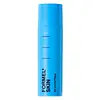
This barrier-repair moisturizer is formulated around Lactococcus Ferment Lysate and Panthenol to strengthen the skin barrier and calm redness.
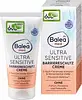
This barrier-repair moisturizer is formulated around Panthenol and Lactobacillus Ferment to strengthen the skin barrier and calm redness.

What's inside
What's inside
 Key Ingredients
Benefits
Concerns
Ingredients Side-by-side
Water
Skin ConditioningLactococcus Ferment Lysate
Skin Conditioning

Glycerin
Humectant

Sorbitan Stearate
Emulsifying

Panthenol
Skin Conditioning
Caprylic/Capric Triglyceride
Masking
Ethylhexyl Stearate
Emollient


Pentylene Glycol
Skin Conditioning
Undecane
EmollientAmmonium Acryloyldimethyltaurate/Vp Copolymer
Tocopheryl Acetate
Antioxidant


Betaine
Humectant
Diglycerin
Humectant
Microcrystalline Cellulose
AbsorbentCetearyl Alcohol
Emollient
Glyceryl Stearate
Emollient
Hydrolyzed Corn Starch 1%
HumectantBeta Vulgaris Root Extract
Skin ConditioningTocopherol
Antioxidant

Helianthus Annuus Seed Oil
Emollient
Inulin
Skin Conditioning
Fructose
Humectant
Madecassoside
Antioxidant
Asiaticoside
Antioxidant
Centella Asiatica Leaf Extract
Skin Conditioning
Tridecane
Perfuming

Phospholipids
Skin Conditioning
Sphingolipids
Emollient
Ceramide EOP
Skin Conditioning
Ceramide Ns
Skin Conditioning
Ceramide NP
Skin Conditioning
Ceramide As
Skin Conditioning
Ceramide AP
Skin Conditioning
Cholesterol
Emollient
Hydrogenated Lecithin
Emulsifying
Sucrose Cocoate
Emulsifying
Sucrose Distearate
Emollient
Dipropylene Glycol
HumectantAllantoin
Skin Conditioning
Hydroxyacetophenone
Antioxidant
Sodium Benzoate
Masking
Sodium Citrate
BufferingP-Anisic Acid
MaskingLactic Acid
Buffering



Sodium Hydroxide
BufferingWater, Lactococcus Ferment Lysate, Glycerin, Sorbitan Stearate, Panthenol, Caprylic/Capric Triglyceride, Ethylhexyl Stearate, Pentylene Glycol, Undecane, Ammonium Acryloyldimethyltaurate/Vp Copolymer, Tocopheryl Acetate, Betaine, Diglycerin, Microcrystalline Cellulose, Cetearyl Alcohol, Glyceryl Stearate, Hydrolyzed Corn Starch 1%, Beta Vulgaris Root Extract, Tocopherol, Helianthus Annuus Seed Oil, Inulin, Fructose, Madecassoside, Asiaticoside, Centella Asiatica Leaf Extract, Tridecane, Phospholipids, Sphingolipids, Ceramide EOP, Ceramide Ns, Ceramide NP, Ceramide As, Ceramide AP, Cholesterol, Hydrogenated Lecithin, Sucrose Cocoate, Sucrose Distearate, Dipropylene Glycol, Allantoin, Hydroxyacetophenone, Sodium Benzoate, Sodium Citrate, P-Anisic Acid, Lactic Acid, Sodium Hydroxide
Water
Skin ConditioningPanthenol
Skin Conditioning
Glycerin
Humectant
Ethylhexyl Stearate
Emollient
Helianthus Annuus Hybrid Oil
Emollient
Behenyl Alcohol
Emollient
Cetyl Alcohol
Emollient
Glyceryl Stearate
Emollient
Pentaerythrityl Distearate
Emulsifying
Butyrospermum Parkii Butter
Skin Conditioning
Dicaprylyl Carbonate
EmollientLactobacillus Ferment
Skin Conditioning
Phytosterols
Skin Conditioning
Ceramide AP
Skin Conditioning
Glyceryl Caprylate
EmollientAvena Sativa Kernel Extract
Abrasive
Caprylic/Capric Triglyceride
Masking
Myristic Acid
Cleansing
Oleic Acid
Emollient
Sodium Stearoyl Glutamate
CleansingMicrocrystalline Cellulose
AbsorbentXanthan Gum
EmulsifyingCellulose Gum
Emulsion StabilisingCeramide Ng
Skin Conditioning
Ceramide NP
Skin Conditioning
Pentylene Glycol
Skin Conditioning
Palmitic Acid
Emollient
Propanediol
Solvent
Caprylyl Glycol
Emollient
Caprylhydroxamic Acid
ChelatingSodium Benzoate
Masking
Potassium Sorbate
Preservative
Citric Acid
Buffering
Sodium Hydroxide
BufferingWater, Panthenol, Glycerin, Ethylhexyl Stearate, Helianthus Annuus Hybrid Oil, Behenyl Alcohol, Cetyl Alcohol, Glyceryl Stearate, Pentaerythrityl Distearate, Butyrospermum Parkii Butter, Dicaprylyl Carbonate, Lactobacillus Ferment, Phytosterols, Ceramide AP, Glyceryl Caprylate, Avena Sativa Kernel Extract, Caprylic/Capric Triglyceride, Myristic Acid, Oleic Acid, Sodium Stearoyl Glutamate, Microcrystalline Cellulose, Xanthan Gum, Cellulose Gum, Ceramide Ng, Ceramide NP, Pentylene Glycol, Palmitic Acid, Propanediol, Caprylyl Glycol, Caprylhydroxamic Acid, Sodium Benzoate, Potassium Sorbate, Citric Acid, Sodium Hydroxide
Reviews
Ingredients Explained
These ingredients are found in both products.
Ingredients higher up in an ingredient list are typically present in a larger amount.
Caprylic/Capric Triglyceride (aka MCT Oil) is a lightweight emollient, solvent, and texture enhancer. It is considered a skin-softener by helping to prevent moisture loss.
Though it behaves like an oil, it is not technically one due to its chemical composition. One perk of this ingredient is that it is very stable, resistant to oxidation, and unlikely to go rancid.
In practice, that translates to a long shelf life and a consistently elegant skin feel.
While there is an assumption Caprylic Triglyceride can clog pores due to it being derived from coconut oil, there is no research supporting this. Just patch test if you have concerns.
Fractionated coconut oil and MCT Oil are both listed as Caprylic/Capric Triglyceride according to INCI. This is because INCI names are based on the ingredient’s final chemical composition and not its marketing name or source.
This ingredient is treated as the gold standard fungal acne safe oil. Even though it is coconut derived, the problematic lauric acid is stripped out.
This leaves just caprylic (C8) and capric (C10) acid. These chain lengths actually trend antifungal; a 2020 study found caprylic acid was enough to disrupt Malassezia furfur cell membrane, with a caprylic acid derivative damaging membrane structures at concentrations as low as 0.2%.
Learn more about Caprylic/Capric TriglycerideCeramide AP is is a skin-identical lipid that mimics what your skin already makes naturally. Ceramides help maintain epidermal integrity and barrier function.
You'll often see this ingredient paired with other ceramides (like ceramide NP), cholesterol, or fatty acids because this combination best mimics the natural lipid mix your skin already has.
The skin's ability to produce ceramides gets disrupted in skin conditions like eczema. This in turn weakens the skin barrier and applying ceramides topically has been shown to replenish what's been lost to restore barrier function.
Most of the studies with Ceramide AP test it as part of a multi-ceramide complex; studies reinforce ceramide AP's role in rebalancing ceramides in skin and improving skin hydration.
Learn more about Ceramide APCeramide NP (formerly known as Ceramide 3) is one of the skin's naturally occurring lipids.
Since ceramides are the major lipid components of the skin, they are crucial for maintaining skin barrier and hydration. Ceramide NP most closely mirrors the dominant kind in human skin amongst ceramide subtypes.
This ceramide works by slotting into gaps within the stratum corneum's lipid matrix to limit trans-epidermal water loss (TEWL) and shield the skin against external irritants.
A study with 312 patients found that using a ceramide-containing routine for 4 weeks reduced the severity of atopic dermatitis by over 61%.
Another clinical study in subjects aged 60 and older found that a ceramide body wash and moisturizer improved skin dryness and itchy skin in 15 days.
Overall, ceramides are considered non-irritating and safety tests have found little to no observable adverse effects from using this ingredient.
Ceramide NP is usually sourced from plants (like soybean or rice bran), or produced synthetically.
Learn more about Ceramide NPEthylhexyl Stearate mainly acts as an emollient that helps hydate skin. It can also be used to reduce the greasiness of oils in a formula.
Because this ingredient contains a C18 fatty acid chain, it may not be Malassezia/fungal acne safe. This is because the Malassezia yeast potentially feeds on C11-C24 fatty acids.
This ingredient is an ester of 2-ethylhexyl alcohol and stearic acid.
Learn more about Ethylhexyl StearateGlycerin (or glycerol) is a compound naturally found in your skin. It's a powerhouse humectant that pulls water into the stratum corneum.
Topically, glycerin does several things at once:
Your skin makes glycerin on its own (mostly from sebaceous oil breakdown) and shuttles it to your outermost layer of skin, or your epidermis, via aquaporin-3.
Aquaporin-3 is a transporter that is essential for normal skin hydration, elasticity, and repair. Interestingly, mice lacking in AQP3 have dry and less elastic skin that can be fully corrected with glycerin.
This ingredient is non-irritating, plays well with almost every ingredient, and works across all skin types. Typical use is anywhere between 3-10% but can go up to 79% in some leave-on products.
Just know very high concentrations (>40%) can feel tacky in low humidity.
Glycerin is the name for this ingredient in American English. British English uses Glycerol/Glycerine.
Learn more about GlycerinGlyceryl Stearate is made by reacting glycerin with stearic acid (typically sourced from plant oils like palm or coconut). It's an emulsifier, emollient, and mild occlusive.
Emulsifiers help ingredients like oil and water stay mixed so your formula stays nicely blended and uniform in texture.
This ingredient is typically used in concentrations between 1-10%. Studies have found it to be non-sensitizing, non-phototoxic, and non-photoallergenic.
A close cousin of this ingredient is Glyceryl Stearate SE ("self-emulsifying"). This just has a small amount of sodium or potassium stearate added so it can emulsify without a co-emulsifier.
Since this ingredient is an ester of a C18 fatty acid, it may not be fungal acne safe. The Malassezia yeast can potentially metabolize within the C11-C24 range.
Fun fact: The human body also creates Glyceryl Stearate naturally.
Learn more about Glyceryl StearateMicrocrystalline Cellulose is another name for refined wood pulp. It is used as an emulsifier and mattifying ingredient. As an emulsifier, it helps keep ingredients together.
Panthenol is a common ingredient that helps hydrate and soothe the skin. It is found naturally in our skin and hair.
There are two forms of panthenol: D and L.
D-panthenol is also known as dexpanthenol. Most cosmetics use dexpanthenol or a mixture of D and L-panthenol.
Panthenol is famous due to its ability to go deeper into the skin's layers. Using this ingredient has numerous pros (and no cons):
Like hyaluronic acid, panthenol is a humectant. Humectants are able to bind and hold large amounts of water to keep skin hydrated.
This ingredient works well for wound healing. It works by increasing tissue in the wound and helps close open wounds.
Once oxidized, panthenol converts to pantothenic acid. Panthothenic acid is found in all living cells.
This ingredient is also referred to as pro-vitamin B5.
Learn more about PanthenolPentylene Glycol (1,2-pentanediol) is a multitasking little diol with three main roles in a formula:
Research on alkanediols (the family pentylene glycol belongs to) show they work by disrupting microbial cell membranes. This disruption helps the primary preservative system in a product work more effectively at lower doses.
On the safety side, the Cosmetic Ingredient Review Expert Panel has concluded this ingredient to be safe as used in current cosmetic practices + concentrations.
Typical use levels in a formula run about 1-5%.
Learn more about Pentylene GlycolSodium Benzoate is a preservative. It's used in both cosmetic and food products to inhibit the growth of mold and bacteria. It is typically produced synthetically.
Both the US FDA and EU Health Committee have approved the use of sodium benzoate. In the US, levels of 0.1% (of the total product) are allowed.
Sodium benzoate works as a preservative by inhibiting the growth of bacteria inside of cells. It prevents the cell from fermenting a type of sugar using an enzyme called phosphofructokinase.
It is the salt of benzoic acid. Foods containing sodium benzoate include soda, salad dressings, condiments, fruit juices, wines, and snack foods.
Studies for using ascorbic acid and sodium benzoate in cosmetics are lacking, especially in skincare routines with multiple steps.
We always recommend speaking with a professional, such as a dermatologist, if you have any concerns.
Learn more about Sodium BenzoateSodium Hydroxide is also known as lye or caustic soda. It is used to adjust the pH of products; many ingredients require a specific pH to be effective.
In small amounts, sodium hydroxide is considered safe to use. However, large amounts may cause chemical burns due to its high alkaline.
Your skin has a natural pH and acid mantle. This acid mantle helps prevent harmful bacteria from breaking through. The acid mantle also helps keep your skin hydrated.
"Alkaline" refers to a high pH level. A low pH level would be considered acidic.
Learn more about Sodium HydroxideWater. It's the most common cosmetic ingredient of all. You'll usually see it at the top of ingredient lists, meaning that it makes up the largest part of the product.
So why is it so popular? Water most often acts as a solvent - this means that it helps dissolve other ingredients into the formulation.
You'll also recognize water as that liquid we all need to stay alive. If you see this, drink a glass of water. Remember to stay hydrated!
Learn more about Water

