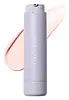
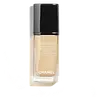
Fenty Beauty Hydra Vizor Broad Spectrum Mineral SPF 30 Sunscreen Moisturizer Versus Chanel Vitalumière Radiant Moisture-Rich Fluid Foundation
This hybrid sunscreen covers the full UV range and blocks ~97% of UVB at SPF 30.


What's inside
What's inside
 Key Ingredients
Benefits
Concerns
Ingredients Side-by-side
Zinc Oxide 15.5%
Cosmetic Colorant


Water
Skin ConditioningC12-15 Alkyl Benzoate
AntimicrobialCaprylic/Capric Triglyceride
Masking


Butyloctyl Salicylate
Skin Conditioning
Dimethicone
Emollient

Glycerin
Humectant
Ethylhexyl Palmitate
Emollient




Propanediol
Solvent
Butyrospermum Parkii Butter
Skin Conditioning
Carthamus Tinctorius Oleosomes
Emollient
Glyceryl Stearate Se
Emulsifying
Butylene Glycol
Humectant
Polyhydroxystearic Acid
Emulsifying
Sorbitan Isostearate
Emulsifying
Cetyl Alcohol
Emollient
Niacinamide
Smoothing








Pentaerythrityl Tetraisostearate
Emollient
Phenyl Trimethicone
Skin Conditioning
Silica
Abrasive
Hyaluronic Acid
Humectant
Sodium Hyaluronate
Humectant
Citrullus Lanatus Seed Extract
Skin ConditioningAdansonia Digitata Pulp Extract
EmollientBarosma Betulina Leaf Extract
Perfuming
Aloe Barbadensis Leaf Juice
Skin Conditioning
Tocopherol
Antioxidant

Gluconolactone
Skin Conditioning
Inulin Lauryl Carbamate
Emulsion StabilisingHydroxyethyl Acrylate/Sodium Acryloyldimethyl Taurate Copolymer
Emulsion StabilisingXanthan Gum
EmulsifyingHydroxyacetophenone
Antioxidant
Polysilicone-11
Trisodium Ethylenediamine Disuccinate
Sodium Citrate
BufferingCitric Acid
Buffering
Benzyl Salicylate
Perfuming


Ethylhexylglycerin
Skin ConditioningSodium Benzoate
Masking
Potassium Sorbate
Preservative
Phenoxyethanol
Preservative
Parfum
Masking
Hexyl Cinnamal
Perfuming
Limonene
Perfuming
Linalool
Perfuming
CI 15985
Cosmetic ColorantCI 17200
Cosmetic ColorantZinc Oxide 15.5%, Water, C12-15 Alkyl Benzoate, Caprylic/Capric Triglyceride, Butyloctyl Salicylate, Dimethicone, Glycerin, Ethylhexyl Palmitate, Propanediol, Butyrospermum Parkii Butter, Carthamus Tinctorius Oleosomes, Glyceryl Stearate Se, Butylene Glycol, Polyhydroxystearic Acid, Sorbitan Isostearate, Cetyl Alcohol, Niacinamide, Pentaerythrityl Tetraisostearate, Phenyl Trimethicone, Silica, Hyaluronic Acid, Sodium Hyaluronate, Citrullus Lanatus Seed Extract, Adansonia Digitata Pulp Extract, Barosma Betulina Leaf Extract, Aloe Barbadensis Leaf Juice, Tocopherol, Gluconolactone, Inulin Lauryl Carbamate, Hydroxyethyl Acrylate/Sodium Acryloyldimethyl Taurate Copolymer, Xanthan Gum, Hydroxyacetophenone, Polysilicone-11, Trisodium Ethylenediamine Disuccinate, Sodium Citrate, Citric Acid, Benzyl Salicylate, Ethylhexylglycerin, Sodium Benzoate, Potassium Sorbate, Phenoxyethanol, Parfum, Hexyl Cinnamal, Limonene, Linalool, CI 15985, CI 17200
Water
Skin ConditioningCaprylic/Capric Triglyceride
Masking
Glycerin
Humectant
Ethylhexyl Palmitate
Emollient
Ricinus Communis Seed Oil
Masking
Undecane
EmollientPolyglyceryl-3 PCA
EmollientPolyglyceryl-6 Polyhydroxystearate
Emulsifying
Synthetic Fluorphlogopite
Propylene Glycol
Humectant
Silica
Abrasive
Polyglyceryl-6 Polyricinoleate
Emulsifying
Tridecane
Perfuming
Magnesium Sulfate
Sodium Chloride
MaskingTerminalia Ferdinandiana Fruit Extract
Antioxidant
Glycyrrhiza Glabra Root Extract
Bleaching
Butylene Glycol
Humectant
Stearalkonium Hectorite
Gel FormingTocopheryl Acetate
Antioxidant
Parfum
Masking
Potassium Sorbate
Preservative
Disodium Stearoyl Glutamate
CleansingCaprylyl Glycol
Emollient
Propylene Carbonate
SolventPentylene Glycol
Skin Conditioning
Lauroyl Lysine
Skin Conditioning
Sodium Hyaluronate
Humectant
Aluminum Hydroxide
EmollientLaminaria Digitata Extract
Skin Protecting
Tocopherol
Antioxidant
Ascorbyl Palmitate
Antioxidant
Helianthus Annuus Seed Oil
Emollient
CI 77007
Cosmetic ColorantCI 77491
Cosmetic ColorantCI 77492
Cosmetic ColorantCI 77499
Cosmetic ColorantCI 77891
Cosmetic ColorantMica
Cosmetic ColorantWater, Caprylic/Capric Triglyceride, Glycerin, Ethylhexyl Palmitate, Ricinus Communis Seed Oil, Undecane, Polyglyceryl-3 PCA, Polyglyceryl-6 Polyhydroxystearate, Synthetic Fluorphlogopite, Propylene Glycol, Silica, Polyglyceryl-6 Polyricinoleate, Tridecane, Magnesium Sulfate, Sodium Chloride, Terminalia Ferdinandiana Fruit Extract, Glycyrrhiza Glabra Root Extract, Butylene Glycol, Stearalkonium Hectorite, Tocopheryl Acetate, Parfum, Potassium Sorbate, Disodium Stearoyl Glutamate, Caprylyl Glycol, Propylene Carbonate, Pentylene Glycol, Lauroyl Lysine, Sodium Hyaluronate, Aluminum Hydroxide, Laminaria Digitata Extract, Tocopherol, Ascorbyl Palmitate, Helianthus Annuus Seed Oil, CI 77007, CI 77491, CI 77492, CI 77499, CI 77891, Mica
Ingredients Explained
These ingredients are found in both products.
Ingredients higher up in an ingredient list are typically present in a larger amount.
Butylene Glycol (or BG) is used within cosmetic products for a few different reasons:
Overall, Butylene Glycol is a safe and well-rounded ingredient that works well with other ingredients.
Though this ingredient works well with most skin types, some people with sensitive skin may experience a reaction such as allergic rashes, closed comedones, or itchiness.
Learn more about Butylene GlycolCaprylic/Capric Triglyceride (aka MCT Oil) is a lightweight emollient, solvent, and texture enhancer. It is considered a skin-softener by helping to prevent moisture loss.
Though it behaves like an oil, it is not technically one due to its chemical composition. One perk of this ingredient is that it is very stable, resistant to oxidation, and unlikely to go rancid.
In practice, that translates to a long shelf life and a consistently elegant skin feel.
While there is an assumption Caprylic Triglyceride can clog pores due to it being derived from coconut oil, there is no research supporting this. Just patch test if you have concerns.
Fractionated coconut oil and MCT Oil are both listed as Caprylic/Capric Triglyceride according to INCI. This is because INCI names are based on the ingredient’s final chemical composition and not its marketing name or source.
This ingredient is treated as the gold standard fungal acne safe oil. Even though it is coconut derived, the problematic lauric acid is stripped out.
This leaves just caprylic (C8) and capric (C10) acid. These chain lengths actually trend antifungal; a 2020 study found caprylic acid was enough to disrupt Malassezia furfur cell membrane, with a caprylic acid derivative damaging membrane structures at concentrations as low as 0.2%.
Learn more about Caprylic/Capric TriglycerideEthylhexyl Palmitate, also known as octyl palmitate, is created from 2-ethylhexyl alcohol and palmitic acid.
In cosmetics, it plays many roles:
One thing worth noting: a controlled study found this ingredient applied under occlusion to acne-prone subjects increased microcomedones. Just keep in mind this was under occlusive conditions and don't reflect how most products are used day-to-day.
For most people, this is a well-tolerated and lightweight ingredient.
This ingredient may not be fungal acne safe because it is an ester of palmitic acid, a C16 fatty acid that falls within the C11-24 range that Malassezia can metabolize.
Learn more about Ethylhexyl PalmitateGlycerin (or glycerol) is a compound naturally found in your skin. It's a powerhouse humectant that pulls water into the stratum corneum.
Topically, glycerin does several things at once:
Your skin makes glycerin on its own (mostly from sebaceous oil breakdown) and shuttles it to your outermost layer of skin, or your epidermis, via aquaporin-3.
Aquaporin-3 is a transporter that is essential for normal skin hydration, elasticity, and repair. Interestingly, mice lacking in AQP3 have dry and less elastic skin that can be fully corrected with glycerin.
This ingredient is non-irritating, plays well with almost every ingredient, and works across all skin types. Typical use is anywhere between 3-10% but can go up to 79% in some leave-on products.
Just know very high concentrations (>40%) can feel tacky in low humidity.
Glycerin is the name for this ingredient in American English. British English uses Glycerol/Glycerine.
Learn more about GlycerinParfum is a catch-all term for an ingredient or more that is used to give a scent to products.
Also called "fragrance", this ingredient can be a blend of hundreds of chemicals or plant oils. This means every product with "fragrance" or "parfum" in the ingredients list is a different mixture.
For instance, Habanolide is a proprietary trade name for a specific aroma chemical. When used as a fragrance ingredient in cosmetics, most aroma chemicals fall under the broad labeling category of “FRAGRANCE” or “PARFUM” according to EU and US regulations.
The term 'parfum' or 'fragrance' is not regulated in many countries. In many cases, it is up to the brand to define this term.
For instance, many brands choose to label themselves as "fragrance-free" because they are not using synthetic fragrances. However, their products may still contain ingredients such as essential oils that are considered a fragrance by INCI standards.
One example is Calendula flower extract. Calendula is an essential oil that still imparts a scent or 'fragrance'.
Depending on the blend, the ingredients in the mixture can cause allergies and sensitivities on the skin. Some ingredients that are known EU allergens include linalool and citronellol.
Parfum can also be used to mask or cover an unpleasant scent.
The bottom line is: not all fragrances/parfum/ingredients are created equally. If you are worried about fragrances, we recommend taking a closer look at an ingredient. And of course, we always recommend speaking with a professional.
Learn more about ParfumPotassium Sorbate is a preservative used to prevent yeast and mold in products. It is commonly found in both cosmetic and food products.
This ingredient comes from potassium salt derived from sorbic acid. Sorbic acid is a natural antibiotic and effective against fungus.
Both potassium sorbate and sorbic acid can be found in baked goods, cheeses, dried meats, dried fruit, ice cream, pickles, wine, yogurt, and more.
You'll often find this ingredient used with other preservatives.
Learn more about Potassium SorbateSilica, also known as silicon dioxide, is a naturally occurring mineral. It is used as a fine, spherical, and porous powder in cosmetics.
Though it has exfoliant properties, the function of silica varies depending on the product.
The unique structure of silica enhances the spreadability and adds smoothness, making it a great texture enhancer.
It is also used as an active carrier, emulsifier, and mattifier due to its ability to absorb excess oil.
In some products, tiny microneedles called spicules are made from silica or hydrolyzed sponge. When you rub them in, they lightly polish away dead skin layers and enhance the penetration of active ingredients.
Learn more about SilicaSodium Hyaluronate is the salt form of hyaluronic acid. It is a long sugar chain that is naturally found in your skin, joints, and connective tissue that maintains hydration and elasticity.
In skincare, it works as a humectant. It pulls water from the environment and deeper layers of skin and binds it to the surface.
Interestingly, the size of the molecule affects its behavior:
Some clinical evidence links low molecular weight versions to improved wrinkle depth, elasticity, anti-inflammatory effects, and barrier repair.
Many serums use a blend of both weights so you can get surface hydration plus longer-lasting and deeper effects.
You'll typically see concentrations between 0.1-2% for this ingredient.
Learn more about Sodium HyaluronateTocopherol is a fat-soluble antioxidant known as Vitamin E.
You'll find this ingredient in the vast majority of skincare (for good reason). It works to neutralize free radicals, or unstable molecules generated by UV exposure, pollution, and other environmental stressors, before they can cause oxidative damage to your skin cells.
Topically applied tocopherol has been shown to protect against UV damage by ramping up the skin's own natural defense enzymes.
It also acts as a skin conditioning agent; some studies show that regular topical use can improve the skin's water-binding capacity over 2-4 weeks.
This ingredient is especially loved for being a team player. When combined with Vitamin C, the photoprotective effect of both ingredients roughly doubles and the combo also helps reduce UV-induced DNA damage.
This ingredient has some brightening potential but it's more of a prevention ingredient than spot-fader. Cell studies show it can slow down melanin production but it's worth noting that it's not the most powerful brightener out there.
In formulations, it also serves as a stabilizer that helps protect other oxidation-prone ingredients from degrading.
Concentrations usually range from 0.1-1% in most leave-on products.
Learn more about TocopherolWater. It's the most common cosmetic ingredient of all. You'll usually see it at the top of ingredient lists, meaning that it makes up the largest part of the product.
So why is it so popular? Water most often acts as a solvent - this means that it helps dissolve other ingredients into the formulation.
You'll also recognize water as that liquid we all need to stay alive. If you see this, drink a glass of water. Remember to stay hydrated!
Learn more about Water

