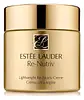
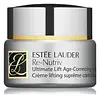
Estée Lauder Re-Nutriv Lightweight Moisturizer Creme Versus Estée Lauder Re-Nutriv Ultimate Lift Age-Correcting Creme
This barrier-repair moisturizer is formulated around Squalane and Prunus Amygdalus Dulcis Oil to strengthen the skin barrier and hydrate skin.
This anti-aging moisturizer is formulated around Butyrospermum Parkii Butter and Acetyl Hexapeptide-8 to soften the look of wrinkles and hydrate skin.

What's inside
What's inside
 Key Ingredients
Benefits
Concerns
Ingredients Side-by-side
Water
Skin ConditioningSqualane
Emollient


Prunus Amygdalus Dulcis Oil
Skin Conditioning




Butylene Glycol
Humectant
Propylene Glycol Dicaprylate/Dicaprate
EmollientBis-Diglyceryl Polyacyladipate-2
Emollient
Stearic Acid
Cleansing
Diethylhexyl Adipate
EmollientGlyceryl Stearate
Emollient
Polybutene
Stearyl Alcohol
Emollient
Sesamum Indicum Seed Oil
Emollient
Polydecene
Skin ConditioningCetyl Esters
Emollient
Glycol Stearate
Emollient
Cholesterol
Emollient
Tocopheryl Acetate
Antioxidant


Ascorbyl Palmitate
Antioxidant

Ethylhexyl Stearate
Emollient
Triethanolamine
BufferingEthylhexyl Palmitate
Emollient
Paraffin
Skin Conditioning
Disodium Cocoamphodiacetate
CleansingIsodecyl Neopentanoate
EmollientStearamide Amp
Foam BoostingDimethicone
Emollient
Parfum
Masking

Disodium EDTA
ChelatingCarbomer
Emulsion StabilisingPhenoxyethanol
Preservative
Sodium Dehydroacetate
Preservative
Caramel
Cosmetic ColorantCI 19140
Cosmetic ColorantCI 14700
Cosmetic ColorantWater, Squalane, Prunus Amygdalus Dulcis Oil, Butylene Glycol, Propylene Glycol Dicaprylate/Dicaprate, Bis-Diglyceryl Polyacyladipate-2, Stearic Acid, Diethylhexyl Adipate, Glyceryl Stearate, Polybutene, Stearyl Alcohol, Sesamum Indicum Seed Oil, Polydecene, Cetyl Esters, Glycol Stearate, Cholesterol, Tocopheryl Acetate, Ascorbyl Palmitate, Ethylhexyl Stearate, Triethanolamine, Ethylhexyl Palmitate, Paraffin, Disodium Cocoamphodiacetate, Isodecyl Neopentanoate, Stearamide Amp, Dimethicone, Parfum, Disodium EDTA, Carbomer, Phenoxyethanol, Sodium Dehydroacetate, Caramel, CI 19140, CI 14700
Water
Skin ConditioningButyrospermum Parkii Butter
Skin Conditioning
Caprylic/Capric/Myristic/Stearic Triglyceride
EmollientMethyl Trimethicone
Skin Conditioning
Di-C12-15 Alkyl Fumarate
EmollientDimethicone
Emollient
Butylene Glycol
Humectant
Steareth-2
EmulsifyingStearyl Alcohol
Emollient
Pentylene Glycol
Skin Conditioning
Glyceryl Stearate
Emollient
Glycerin
Humectant
Steareth-21
CleansingPhytosterols
Skin Conditioning
Laminaria Digitata Extract
Skin Protecting
Polygonum Cuspidatum Root Extract
Antioxidant
Boswellia Serrata Extract
Skin Conditioning
Cordyceps Sinensis Extract
Antioxidant
Cucumis Sativus Fruit Extract
Emollient
Pyrus Malus Fruit Extract
Skin Conditioning
Acetyl Hexapeptide-8
Humectant
Scutellaria Baicalensis Root Extract
Astringent
Acetyl Glucosamine
Skin Conditioning
Hydrolyzed Wheat Protein
Skin ConditioningInonotus Obliquus Extract
Skin ConditioningPearl Powder
Cladosiphon Okamuranus Extract
Skin Conditioning
Gold
Cosmetic ColorantCholesterol
Emollient
Caffeine
Skin Conditioning
Narcissus Tazetta Bulb Extract
Astringent
Algae Extract
Emollient
Artemia Extract
Skin ConditioningErgothioneine
Antioxidant
Faex Extract
Skin ConditioningPolysilicone-11

Trehalose
Humectant
Linoleic Acid
Cleansing
Isohexadecane
EmollientTocopheryl Acetate
Antioxidant
Dextrin
AbsorbentSodium Hyaluronate
Humectant
Decarboxy Carnosine Hcl
Skin ConditioningTourmaline
Glycine Soja Protein
EmulsifyingPolysorbate 80
Emulsifying
Parfum
Masking
Acrylamide/Sodium Acryloyldimethyltaurate Copolymer
Emulsion StabilisingPentaerythrityl Tetra-Di-T-Butyl Hydroxyhydrocinnamate
Antioxidant
Cellulose
Absorbent
Carbomer
Emulsion StabilisingSodium Hydroxide
BufferingPolymethylsilsesquioxane
Citric Acid
Buffering
Disodium EDTA
ChelatingPhenoxyethanol
Preservative
Sodium Dehydroacetate
Preservative
Caramel
Cosmetic ColorantCI 19140
Cosmetic ColorantCI 15985
Cosmetic ColorantCetearyl Isononanoate
Emollient
Limonene
Perfuming
Citronellol
Perfuming
Geraniol
Perfuming
Linalool
Perfuming
Farnesol
Perfuming
Eugenol
Perfuming
Benzyl Salicylate
Perfuming
Citral
Perfuming
Benzyl Benzoate
Antimicrobial
Cinnamal
Perfuming
Coco-Caprylate/Caprate
Emollient
Tocopherol
Antioxidant
Water, Butyrospermum Parkii Butter, Caprylic/Capric/Myristic/Stearic Triglyceride, Methyl Trimethicone, Di-C12-15 Alkyl Fumarate, Dimethicone, Butylene Glycol, Steareth-2, Stearyl Alcohol, Pentylene Glycol, Glyceryl Stearate, Glycerin, Steareth-21, Phytosterols, Laminaria Digitata Extract, Polygonum Cuspidatum Root Extract, Boswellia Serrata Extract, Cordyceps Sinensis Extract, Cucumis Sativus Fruit Extract, Pyrus Malus Fruit Extract, Acetyl Hexapeptide-8, Scutellaria Baicalensis Root Extract, Acetyl Glucosamine, Hydrolyzed Wheat Protein, Inonotus Obliquus Extract, Pearl Powder, Cladosiphon Okamuranus Extract, Gold, Cholesterol, Caffeine, Narcissus Tazetta Bulb Extract, Algae Extract, Artemia Extract, Ergothioneine, Faex Extract, Polysilicone-11, Trehalose, Linoleic Acid, Isohexadecane, Tocopheryl Acetate, Dextrin, Sodium Hyaluronate, Decarboxy Carnosine Hcl, Tourmaline, Glycine Soja Protein, Polysorbate 80, Parfum, Acrylamide/Sodium Acryloyldimethyltaurate Copolymer, Pentaerythrityl Tetra-Di-T-Butyl Hydroxyhydrocinnamate, Cellulose, Carbomer, Sodium Hydroxide, Polymethylsilsesquioxane, Citric Acid, Disodium EDTA, Phenoxyethanol, Sodium Dehydroacetate, Caramel, CI 19140, CI 15985, Cetearyl Isononanoate, Limonene, Citronellol, Geraniol, Linalool, Farnesol, Eugenol, Benzyl Salicylate, Citral, Benzyl Benzoate, Cinnamal, Coco-Caprylate/Caprate, Tocopherol
Ingredients Explained
These ingredients are found in both products.
Ingredients higher up in an ingredient list are typically present in a larger amount.
Butylene Glycol (or BG) is used within cosmetic products for a few different reasons:
Overall, Butylene Glycol is a safe and well-rounded ingredient that works well with other ingredients.
Though this ingredient works well with most skin types, some people with sensitive skin may experience a reaction such as allergic rashes, closed comedones, or itchiness.
Learn more about Butylene GlycolWe don't have a description for Caramel yet.
Carbomer is a synthetic thickening and gelling agent. It's basically the ingredient that gives a lot of serums, gels, creams, and sunscreens their smooth, non-sticky texture.
Although legally permitted at very high levels, carbomers are normally used at concentrations below 1%.
It also needs to be neutralized to actually thicken, and because it is a large molecule, it doesn't really penetrate the skin barrier.
Allergy-wise, the risk is very low. Clinical studies show carbomers have low potential for skin irritation/sensitization even at concentrations up to 100%.
A 2024 UK study patch-tested 1,302 patients and found true allergy to the parent group of carbomer to be rare with no confirmed relevant reactions.
Learn more about CarbomerCholesterol is a lipid that is naturally found in human skin and is one of the three key components of your skin barrier. In skincare, it is an emollient and barrier-repairing ingredient.
It works by fitting directly into the lipid layers of skin to help restore structure and reduce transepidermal water loss (TEWL).
This is a great ingredient for dry, compromised, or aging skin; our skin starts to produce less cholesterol with age.
Research shows cholesterol works best in combination with ceramides and fatty acids, the other two major components in your skin barrier.
Cholesterol is also a well-establish penetration enhancer and can help other actives absorb more effectively.
Cosmetic-grade cholesterol is usually derived from lanolin but plant and synthetic options also exist. We recommend reaching out to the brand if you have questions about their source of cholesterol.
Learn more about CholesterolCI 19140 is also known as Tartrazine. Tartrazine is a synthetic dye used in cosmetics, foods, and medicine to add a yellow color.
Tartrazine is created from petroleum and is water-soluble.
Some people may experience allergies from this dye, especially asthmatics and those with an aspirin intolerance.
Learn more about CI 19140Dimethicone is a type of synthetic silicone created from natural materials such as quartz. It is also known as polydimethylsiloxane.
What it does:
Dimethicone comes in different viscosities:
Depending on the viscosity, dimethicone has different properties.
Ingredients lists don't always show which type is used, so we recommend reaching out to the brand if you have questions about the viscosity.
This ingredient is unlikely to cause irritation because it does not get absorbed into skin. However, people with silicone allergies should be careful about using this ingredient.
Note: Dimethicone may contribute to pilling. This is because it is not oil or water soluble, so pilling may occur when layered with products. When mixed with heavy oils in a formula, the outcome is also quite greasy.
Learn more about DimethiconeDisodium EDTA is a chelating agent. It grabs onto and deactivates metal ions that sneak into your products from water, packaging, or air.
This ingredient mainly works behind the scenes and helps with:
On top of that, this ingredient can counteract the effects of hard water by binding to the minerals in it.
One thing worth knowing is that Disodium EDTA has been shown to be a mild penetration enhancer. It can help other ingredients absorb into skin more effectively which can be a double-edged sword (great for actives, but can also make the active too strong if you have sensitive skin).
Clinical patch testing showed no significant skin irritation at typical use concentrations and minimal dermal absorption.
You'll most likely see this ingredient near the end of an ingredient list. It's typically found in concentrations less than 1%.
Learn more about Disodium EDTAGlyceryl Stearate is made by reacting glycerin with stearic acid (typically sourced from plant oils like palm or coconut). It's an emulsifier, emollient, and mild occlusive.
Emulsifiers help ingredients like oil and water stay mixed so your formula stays nicely blended and uniform in texture.
This ingredient is typically used in concentrations between 1-10%. Studies have found it to be non-sensitizing, non-phototoxic, and non-photoallergenic.
A close cousin of this ingredient is Glyceryl Stearate SE ("self-emulsifying"). This just has a small amount of sodium or potassium stearate added so it can emulsify without a co-emulsifier.
Since this ingredient is an ester of a C18 fatty acid, it may not be fungal acne safe. The Malassezia yeast can potentially metabolize within the C11-C24 range.
Fun fact: The human body also creates Glyceryl Stearate naturally.
Learn more about Glyceryl StearateParfum is a catch-all term for an ingredient or more that is used to give a scent to products.
Also called "fragrance", this ingredient can be a blend of hundreds of chemicals or plant oils. This means every product with "fragrance" or "parfum" in the ingredients list is a different mixture.
For instance, Habanolide is a proprietary trade name for a specific aroma chemical. When used as a fragrance ingredient in cosmetics, most aroma chemicals fall under the broad labeling category of “FRAGRANCE” or “PARFUM” according to EU and US regulations.
The term 'parfum' or 'fragrance' is not regulated in many countries. In many cases, it is up to the brand to define this term.
For instance, many brands choose to label themselves as "fragrance-free" because they are not using synthetic fragrances. However, their products may still contain ingredients such as essential oils that are considered a fragrance by INCI standards.
One example is Calendula flower extract. Calendula is an essential oil that still imparts a scent or 'fragrance'.
Depending on the blend, the ingredients in the mixture can cause allergies and sensitivities on the skin. Some ingredients that are known EU allergens include linalool and citronellol.
Parfum can also be used to mask or cover an unpleasant scent.
The bottom line is: not all fragrances/parfum/ingredients are created equally. If you are worried about fragrances, we recommend taking a closer look at an ingredient. And of course, we always recommend speaking with a professional.
Learn more about ParfumPhenoxyethanol is one of the most widely used preservatives in skincare (and for good reason!).
It has a large spectrum of antimicrobial activity and especially effective bacteria, yeast, and mold while only having a weak effect on your skin's natural microbiome.
On a cellular level, it disrupts the cell membranes of microbes by poking holes that make the cell leak. This shuts down the chemical reactions the microbe needs to make energy so it can no longer survive.
Another perk of this ingredient is that it stays functional across a wide pH range (3-10).
You'll often see it paired with boosters like Ethylhexylglycerin; one study showed that a 1:9 ratio of Ethylhexylglycerin to Phenoxyethanol damages bacterial membranes as effectively as doubling the Phenoxyethanol concentration on its own.
Typical use concentrations range from 0.3-1% depending on the formula, and this ingredient is capped at 1% int the EU.
Safety-wise, the fear mongering does not hold up to the evidence. The EU's Scientific Committee on Consumer Safety and FDA consider it safe as a preservative at up to 1%, including for children of all ages.
Adverse systemic effects only showed up in animal studies at exposures roughly 200x higher than what people get from cosmetics. And despite its very widespread use, this ingredient is a rare sensitizer and allergic reactions are uncommon.
Learn more about PhenoxyethanolSodium Dehydroacetate is a synthetic preservative and sodium salt form of dehydroacetic acid. It stops bacteria, mold, and yeast from growing in your products at low concentrations.
Clinical testing found it to be non-irritating, non-sensitizing, and non-photosensitizing. It's also not significantly absorbed through skin.
There are a very small number of reported cases of contact dermatitis in cases linked to wound-care creams used over compromised skin (rather than skincare).
Overall, this is a well-studied and low-risk preservative just doing its job.
Typical concentrations run up to 0.6%, which is also the maximum amount permitted under both EU CosIng regulations and US FDA guidelines.
Learn more about Sodium DehydroacetateStearyl Alcohol is a type of fatty alcohol from stearic acid. It is a white, waxy compound used to emulsify ingredients used as an emollient or to thicken a product.
Emollients help soothe and hydrate the skin by trapping moisture.
Fatty alcohols are usually derived from natural fats and oils and therefore do not have the same drying or irritating effect as solvent (ethanol) alcohols.
The FDA allows products labeled "alcohol-free" to have fatty alcohols.
This ingredient may not be fungal acne safe. It is a primary fatty alcohol with a chain length above 12 carbons. A study from 2019 show Malassezia can feed on fatty alcohols in this range, so it may trigger fungal acne in those prone to it.
Learn more about Stearyl AlcoholTocopheryl Acetate is a stable, shelf-friendly form of vitamin E.
Formulators love it because plain vitamin E oxidizes quickly once it hits air. This acetate version stays stable and resists going off, helping to extend a product's shelf life.
It's actually inactive on its own and works like a slow-release "storage" form; the enzymes in your skin called esterases gradually convert it into active vitamin E over time.
One in vivo study showed 5% of the acetate in the living layer of the epidermis converted to vitamin E after 5 days of application. This study also found the skin gained protection against UV damage even though the conversion was slow and small.
Once converted, vitamin E acts as a skin's main fat-soluble antioxidant that fights free radicals to protect skin from damage.
Topical vitamin E generally boosts the skin's photoprotection, and it reduced UV-damage in animal models.
This ingredient has some brightening potential but it's more of a prevention ingredient than spot-fader. Cell studies show it can slow down melanin production but it's worth noting that it's not the most powerful brightener out there.
Overall, it has a pretty solid safety profile and has been found to be non-irritating and non-comedogenic. Allergic reactions may happen but stay rare due to how widely the ingredient gets used.
The concentration will vary depending on the formula; industry data shows 0.1% in baby lotions, 3% in lipsticks, and 5% in foot powders. You can also find this ingredient at 100% in a pure vitamin E oil.
Most leave-on skincare keeps it at the lower end, often between 0.5-1%.
Learn more about Tocopheryl AcetateWater. It's the most common cosmetic ingredient of all. You'll usually see it at the top of ingredient lists, meaning that it makes up the largest part of the product.
So why is it so popular? Water most often acts as a solvent - this means that it helps dissolve other ingredients into the formulation.
You'll also recognize water as that liquid we all need to stay alive. If you see this, drink a glass of water. Remember to stay hydrated!
Learn more about Water

