
What's inside
What's inside
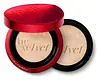 Key Ingredients
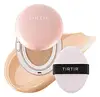
Benefits
Concerns
Ingredients Side-by-side
Water
Skin ConditioningCyclopentasiloxane
Emollient
CI 77891
Cosmetic ColorantEthylhexyl Methoxycinnamate
UV Absorber


Dimethicone
Emollient
Propanediol
Solvent

Polymethyl Methacrylate

Alcohol Denat.
Antimicrobial



Diisopropyl Sebacate
EmollientPEG/PPG-18/18 Dimethicone
Emulsifying
Zinc Oxide
Cosmetic Colorant
Titanium Dioxide
Cosmetic Colorant
Disteardimonium Hectorite
StabilisingIsododecane
EmollientGlycerin
Humectant
Sodium Chloride
MaskingAlumina
Abrasive
Vinyl Dimethicone/Methicone Silsesquioxane Crosspolymer
Acrylates/Ethylhexyl Acrylate/Dimethicone Methacrylate Copolymer
Skin Conditioning
Acrylates/Polytrimethylsiloxymethacrylate Copolymer
Skin ConditioningCI 77492
Cosmetic ColorantAcrylates/Dimethicone Copolymer
Skin Conditioning
PEG-10 Dimethicone
Skin Conditioning
1,2-Hexanediol
Skin Conditioning
Nylon-6/12
AbsorbentAluminum Hydroxide
EmollientTriethoxycaprylylsilane
Parfum
Masking

Caprylyl Glycol
Emollient
Stearic Acid
Cleansing

Polysilicone-11
CI 77491
Cosmetic ColorantGlyceryl Caprylate
EmollientOryza Sativa Bran Wax
Skin Conditioning
Disodium EDTA
CI 77499
Cosmetic ColorantButylene Glycol
Humectant
Panthenol
Skin Conditioning

Gluconolactone
Skin Conditioning





BHT
Antioxidant
Water, Cyclopentasiloxane, CI 77891, Ethylhexyl Methoxycinnamate, Dimethicone, Propanediol, Polymethyl Methacrylate, Alcohol Denat., Diisopropyl Sebacate, PEG/PPG-18/18 Dimethicone, Zinc Oxide, Titanium Dioxide, Disteardimonium Hectorite, Isododecane, Glycerin, Sodium Chloride, Alumina, Vinyl Dimethicone/Methicone Silsesquioxane Crosspolymer, Acrylates/Ethylhexyl Acrylate/Dimethicone Methacrylate Copolymer, Acrylates/Polytrimethylsiloxymethacrylate Copolymer, CI 77492, Acrylates/Dimethicone Copolymer, PEG-10 Dimethicone, 1,2-Hexanediol, Nylon-6/12, Aluminum Hydroxide, Triethoxycaprylylsilane, Parfum, Caprylyl Glycol, Stearic Acid, Polysilicone-11, CI 77491, Glyceryl Caprylate, Oryza Sativa Bran Wax, Disodium EDTA, CI 77499, Butylene Glycol, Panthenol, Gluconolactone, BHT
Water
Skin ConditioningCyclopentasiloxane
Emollient
Titanium Dioxide
Cosmetic Colorant
Ethylhexyl Methoxycinnamate
UV Absorber
Dipropylene Glycol
HumectantZinc Oxide
Cosmetic Colorant
Methyl Trimethicone
Skin Conditioning
Methyl Methacrylate Crosspolymer
Lauryl PEG-8 Dimethicone
Surfactant
Phenylbenzimidazole Sulfonic Acid
UV Absorber
Niacinamide
Smoothing

Nylon-12
Tromethamine
BufferingCetyl PEG/PPG-10/1 Dimethicone
Emulsifying
Sodium Chloride
MaskingGlyceryl Polymethacrylate
Sorbitan Sesquioleate
Emulsifying
Propanediol
Solvent
CI 77492
Cosmetic ColorantPortulaca Oleracea Extract
Skin Conditioning
Panthenol
Skin Conditioning
Disiloxane
Skin Conditioning
Lauroyl Lysine
Skin Conditioning
Propylene Glycol
Humectant
Sodium Benzoate
Masking
Aluminum Hydroxide
EmollientDisteardimonium Hectorite
StabilisingHydrogen Dimethicone
Tocopheryl Acetate
Antioxidant
CI 77491
Cosmetic ColorantTrimethylsiloxysilicate/Dimethiconol Crosspolymer
Dimethicone Crosspolymer
Emulsion Stabilising
Triethoxycaprylylsilane
Potassium Sorbate
Preservative
Beeswax
Emulsion Stabilising
Parfum
Masking
Caesalpinia Spinosa Fruit Extract
Skin ProtectingGlycerin
Humectant
Carthamus Tinctorius Flower Extract
Skin ConditioningPolyhydroxystearic Acid
Emulsifying
Disodium EDTA
Adenosine
Skin Conditioning
Ethylhexyl Palmitate
Emollient
Isopropyl Myristate
Emollient
Isostearic Acid
Cleansing
Lecithin
Emollient
Propylene Carbonate
SolventPolyglyceryl-3 Polyricinoleate
Emulsifying
Gossypium Herbaceum Seed Extract
Skin ConditioningHyaluronic Acid
Humectant
Hydrolyzed Hyaluronic Acid
Humectant
Sodium Hyaluronate
Humectant
Trimethylsiloxysilicate
Emollient
Cholesteryl Nonanoate
EmollientCholesteryl Isostearate
EmollientCholesteryl Chloride
Skin ConditioningSodium Palmitoyl Proline
Skin ConditioningPeucedanum Graveolens Extract
TonicSilica
Abrasive
Nymphaea Alba Flower Extract
Skin ConditioningWater, Cyclopentasiloxane, Titanium Dioxide, Ethylhexyl Methoxycinnamate, Dipropylene Glycol, Zinc Oxide, Methyl Trimethicone, Methyl Methacrylate Crosspolymer, Lauryl PEG-8 Dimethicone, Phenylbenzimidazole Sulfonic Acid, Niacinamide, Nylon-12, Tromethamine, Cetyl PEG/PPG-10/1 Dimethicone, Sodium Chloride, Glyceryl Polymethacrylate, Sorbitan Sesquioleate, Propanediol, CI 77492, Portulaca Oleracea Extract, Panthenol, Disiloxane, Lauroyl Lysine, Propylene Glycol, Sodium Benzoate, Aluminum Hydroxide, Disteardimonium Hectorite, Hydrogen Dimethicone, Tocopheryl Acetate, CI 77491, Trimethylsiloxysilicate/Dimethiconol Crosspolymer, Dimethicone Crosspolymer, Triethoxycaprylylsilane, Potassium Sorbate, Beeswax, Parfum, Caesalpinia Spinosa Fruit Extract, Glycerin, Carthamus Tinctorius Flower Extract, Polyhydroxystearic Acid, Disodium EDTA, Adenosine, Ethylhexyl Palmitate, Isopropyl Myristate, Isostearic Acid, Lecithin, Propylene Carbonate, Polyglyceryl-3 Polyricinoleate, Gossypium Herbaceum Seed Extract, Hyaluronic Acid, Hydrolyzed Hyaluronic Acid, Sodium Hyaluronate, Trimethylsiloxysilicate, Cholesteryl Nonanoate, Cholesteryl Isostearate, Cholesteryl Chloride, Sodium Palmitoyl Proline, Peucedanum Graveolens Extract, Silica, Nymphaea Alba Flower Extract
Reviews
Ingredients Explained
These ingredients are found in both products.
Ingredients higher up in an ingredient list are typically present in a larger amount.
Aluminum Hydroxide is a form of aluminum. It can be naturally found in nature as the mineral gibbsite. In cosmetics, Aluminum Hydroxide is used as a colorant, pH adjuster, and absorbent.
As a colorant, Aluminum Hydroxide may add opacity, or reduce the transparency. Aluminum hydroxide is contains both basic and acidic properties.
According to manufacturers, this ingredient is an emollient and humectant. This means it helps hydrate the skin.
In medicine, this ingredient is used to help relieve heartburn and help heal ulcers.
There is currently no credible scientific evidence linking aluminum hydroxide in cosmetics to increased cancer risk.
Major health organizations allow the use of aluminum hydroxide in personal care products and have not flagged it as a carcinogenic risk at typical usage levels.
Learn more about Aluminum HydroxideCi 77491 is also hydrated iron III oxide. It's sole purpose is to give a red/pink hue to products.
Iron III oxides are classified as inorganic chemicals for coloring.
Synthetically created Ci 77491 is considered safer than those naturally found. This is because the synthetically created version may contain less impurities. Iron oxides are generally non-toxic and non-allergenic.
Learn more about CI 77491CI 77492 is also hydrated iron III oxide. It's sole purpose is to give a yellow hue to products.
Iron III oxides are classified as inorganic chemicals for coloring.
Synthetically created CI 77492 is considered safer than those naturally found. This is because the synthetically created version may contain less impurities. Iron oxides are generally non-toxic and non-allergenic.
Learn more about CI 77492Cyclopentasiloxane, or D5, is a silicone used to improve texture of products and trap moisture.
D5 is considered lightweight and volatile. Volatile means it evaporates quickly after application. Once evaporated, D5 leaves a thin barrier that helps keep skin hydrated.
It is also an emollient. Emollients help soften the skin and prevent water loss. Silicones create a silky texture in products. D5 helps other ingredients become more spreadable.
Studies show D5 is safe to use in skincare products. We recommend speaking with a skincare professional if you have concerns.
Learn more about CyclopentasiloxaneDisodium EDTA is a chelating agent. It grabs onto and deactivates metal ions that sneak into your products from water, packaging, or air.
This ingredient mainly works behind the scenes and helps with:
On top of that, this ingredient can counteract the effects of hard water by binding to the minerals in it.
One thing worth knowing is that Disodium EDTA has been shown to be a mild penetration enhancer. It can help other ingredients absorb into skin more effectively which can be a double-edged sword (great for actives, but can also make the active too strong if you have sensitive skin).
Clinical patch testing showed no significant skin irritation at typical use concentrations and minimal dermal absorption.
You'll most likely see this ingredient near the end of an ingredient list. It's typically found in concentrations less than 1%.
Learn more about Disodium EDTADisteardimonium Hectorite comes from the clay mineral named hectorite. It is used to add thickness to a product.
It can also help stabilize a product by helping to disperse other ingredients.
Hectorite is a rare, white clay mineral.
Learn more about Disteardimonium HectoriteEthylhexyl Methoxycinnamate is an organic compound that provides UVB protection. It often goes by the more common name of octinoxate. It is created from methoxycinnamic acid and 2-ethylhexanol.
Ethylhexyl Methoxycinnamate absorbs UVB rays with wavelengths between 280-320 nm. UV absorbers protect your skin by using chemical reactions to convert UV rays into heat and energy.
UVB (290-320 nm) rays emit more energy than UVA rays. They are capable of damaging DNA, causing sunburns and are thought to be linked to skin cancer.
The state of Hawaii has banned sunscreens containing octinoxate due to its potential impact on coral reefs. More research is needed to bridge gaps in this research. The European Union allows higher levels of octinoxate in sunscreens than the US and Australia.
Ethylhexyl Methoxycinnamate is oil soluble. It is not stable and may lose efficacy when exposed to sunlight.
Learn more about Ethylhexyl MethoxycinnamateGlycerin (or glycerol) is a compound naturally found in your skin. It's a powerhouse humectant that pulls water into the stratum corneum.
Topically, glycerin does several things at once:
Your skin makes glycerin on its own (mostly from sebaceous oil breakdown) and shuttles it to your outermost layer of skin, or your epidermis, via aquaporin-3.
Aquaporin-3 is a transporter that is essential for normal skin hydration, elasticity, and repair. Interestingly, mice lacking in AQP3 have dry and less elastic skin that can be fully corrected with glycerin.
This ingredient is non-irritating, plays well with almost every ingredient, and works across all skin types. Typical use is anywhere between 3-10% but can go up to 79% in some leave-on products.
Just know very high concentrations (>40%) can feel tacky in low humidity.
Glycerin is the name for this ingredient in American English. British English uses Glycerol/Glycerine.
Learn more about GlycerinPanthenol is a common ingredient that helps hydrate and soothe the skin. It is found naturally in our skin and hair.
There are two forms of panthenol: D and L.
D-panthenol is also known as dexpanthenol. Most cosmetics use dexpanthenol or a mixture of D and L-panthenol.
Panthenol is famous due to its ability to go deeper into the skin's layers. Using this ingredient has numerous pros (and no cons):
Like hyaluronic acid, panthenol is a humectant. Humectants are able to bind and hold large amounts of water to keep skin hydrated.
This ingredient works well for wound healing. It works by increasing tissue in the wound and helps close open wounds.
Once oxidized, panthenol converts to pantothenic acid. Panthothenic acid is found in all living cells.
This ingredient is also referred to as pro-vitamin B5.
Learn more about PanthenolParfum is a catch-all term for an ingredient or more that is used to give a scent to products.
Also called "fragrance", this ingredient can be a blend of hundreds of chemicals or plant oils. This means every product with "fragrance" or "parfum" in the ingredients list is a different mixture.
For instance, Habanolide is a proprietary trade name for a specific aroma chemical. When used as a fragrance ingredient in cosmetics, most aroma chemicals fall under the broad labeling category of “FRAGRANCE” or “PARFUM” according to EU and US regulations.
The term 'parfum' or 'fragrance' is not regulated in many countries. In many cases, it is up to the brand to define this term.
For instance, many brands choose to label themselves as "fragrance-free" because they are not using synthetic fragrances. However, their products may still contain ingredients such as essential oils that are considered a fragrance by INCI standards.
One example is Calendula flower extract. Calendula is an essential oil that still imparts a scent or 'fragrance'.
Depending on the blend, the ingredients in the mixture can cause allergies and sensitivities on the skin. Some ingredients that are known EU allergens include linalool and citronellol.
Parfum can also be used to mask or cover an unpleasant scent.
The bottom line is: not all fragrances/parfum/ingredients are created equally. If you are worried about fragrances, we recommend taking a closer look at an ingredient. And of course, we always recommend speaking with a professional.
Learn more about ParfumPropanediol is an all-star ingredient. It softens, hydrates, and smooths the skin.
It’s often used to:
Propanediol is not likely to cause sensitivity and considered safe to use. It is derived from corn or petroleum with a clear color and no scent.
Learn more about PropanediolChances are, you eat sodium chloride every day. Sodium Chloride is also known as table salt. This ingredient has many purposes in skincare: thickener, emulsifier, and exfoliator.
You'll most likely find this ingredient in cleansers where it is used to create a gel-like texture. As an emulsifier, it also prevents ingredients from separating.
You might see people debate whether Sodium Chloride is comedogenic, but there actually haven't been any comedogenic tests done on it. Either way, the overall formulation of a product matters a lot more than any single ingredient.
You might see this ingredient used in scrubs as a primary exfoliating ingredient.
Learn more about Sodium ChlorideTitanium dioxide is a mineral UV filter widely used in sunscreens and cosmetics.
It is one of only two UV filters officially classified as “mineral” by regulatory agencies, the other being zinc oxide.
Titanium dioxide provides broad-spectrum protection mostly in the UVB and UVAII range, with some protection in the UVAI range.
While its UVA protection isn’t as strong as zinc oxide’s, the difference is minor.
A common myth is that mineral UV filters reflect UV light. However, modern research shows titanium dioxide absorbs UV radiation like chemical filters (~95% absorption & 5% reflection).
Thanks to its non-irritating nature, titanium dioxide is suitable for sensitive, acne-prone, or redness-prone skin. It is unlikely to cause "eye sting" like other sunscreen ingredients.
A major drawback of this ingredient is its white cast and thick texture. This is why mineral sunscreens often leave a white cast and are less cosmetically elegant than chemical/hybrid sunscreens.
To improve white cast and spreadability, micronized or nano-sized titanium dioxide is often used.
There are ongoing concerns surrounding nano-titanium oxide's impact on marine ecosystems.
There is no conclusive evidence that any form of titanium oxide (or any other sunscreen ingredients) will cause harm to marine ecosystems or coral reefs. The science is still developing but many consumers are keeping a close eye on this issue.
Please note, many destinations have reef-safety sunscreen rules. For instance, the U.S. Virgin Islands advises all visitors to use non-nano mineral sunscreens.
Nano mineral sunscreens once raised safety concerns about absorption into skin.
Extensive research has shown that they do not penetrate healthy or damaged skin; they remain safely on the surface and the top layer of dead skin (stratum corneum).
You'll likely find titanium dioxide bundled with alumina, silica, or dimethicone. These ingredients help make titanium dioxide highly photostable; this prevents it from interacting with other formula components under UV light.
Learn more about Titanium DioxideTriethoxycaprylylsilane is a silicon-based surface modifier that makes sunscreens feel silky and makeup stay put.
Its main job is to coat mineral particles like titanium dioxide, zinc oxide, and color pigments in a thin, oily layer so they spread smoothly, don't clump, and stick to skin better.
This ingredient is typically used at low levels (up to 2.5% in eyeshadow and 1% in lipstick).
Learn more about TriethoxycaprylylsilaneWater. It's the most common cosmetic ingredient of all. You'll usually see it at the top of ingredient lists, meaning that it makes up the largest part of the product.
So why is it so popular? Water most often acts as a solvent - this means that it helps dissolve other ingredients into the formulation.
You'll also recognize water as that liquid we all need to stay alive. If you see this, drink a glass of water. Remember to stay hydrated!
Learn more about WaterZinc Oxide is a mineral broad-spectrum UV filter; it is the broadest UVA and UVB reflector approved by the FDA. It also has skin protectant and skin soothing properties.
Zinc oxide is one of the most effective broad-spectrum UV filters. It protects against UVB, UVAII, and UVAI. In comparison to its counterpart titanium dioxide, zinc oxide provides uniform and extended UVA protection.
Another great benefit? This ingredient is highly photostable so it won't degrade easily under sunlight.
A common myth is that mineral UV filters are widely believed to primarily reflect UV light.
However, modern research shows titanium dioxide absorbs UV radiation like chemical filters (~95% absorption & 5% reflection).
Zinc oxide has great skin soothing properties so you'll likely find this in sunscreens formulated for sensitive skin or babies/children. It is unlikely to cause "eye sting" like other sunscreen ingredients.
Regulatory agencies consider zinc oxide to be non-toxic and safe. It has also been shown to not penetrate the skin.
Unfortunately, this ingredient does leave a visible white cast. This is why mineral sunscreens are often less cosmetically elegant than chemical or hybrid ones.
In cosmetics, zinc oxide can be found in both non-nano and nano-sized forms. The nano version is used to reduce white cast and improve the texture of sunscreen formulas.
There are ongoing concerns surrounding nano-zinc oxide's impact on marine ecosystems and whether it can be absorbed into skin.
Regarding marine ecosystems and coral reefs, there is no conclusive evidence that any form of zinc oxide (or any other sunscreen ingredients) will cause harm. The science is still developing but many consumers are keeping a close eye on this issue.
Please note, many destinations have reef-safety sunscreen rules. For instance, the U.S. Virgin Islands advises all visitors to use non-nano mineral sunscreens.
There has also been some stir about whether micronized or nano zinc oxide has potential photoxicity and absorption through the skin/lungs.
An in-vitro (done in a test tube or petri dish) study demonstrated micronized zinc oxide to have potential phototoxicity. There's no need to fret; the EU Commission's Scientific Committee on Consumer Safety has stated, "The relevance of these findings needs to be clarified by appropriate investigations in vivo." Or in other words, further studies done on living organisms are needed to prove this.
Current research shows zinc oxide nanoparticles do not penetrate intact or sunburned skin. They either remain on the surface or in the outermost layer of dead skin (stratum corneum).
Zinc oxide is one of only two classified mineral UV filters with titanium dioxide being the other one.
Fun fact: Zinc has been used throughout history as an ingredient in paint and medicine. An Indian text from 500BC is believed to list zinc oxide as a salve for open wound. The Ancient Greek physician Dioscorides has also mentioned the use of zinc as an ointment in 1AD.
Learn more about Zinc Oxide
