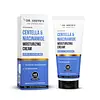
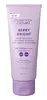
Dr. Sheth's Centella & Niacinamide Moisturizing Cream Versus Conscious Chemist Berry Bright Niacinamide Sunscreen SPF 50
This barrier-repair moisturizer is formulated around Niacinamide and Centella Asiatica Extract to strengthen the skin barrier and calm redness.
This hybrid sunscreen covers the full UV range and blocks ~98% of UVB at SPF 50.

What's inside
What's inside
 Key Ingredients
Benefits
Concerns
Ingredients Side-by-side
Water
Skin ConditioningNiacinamide
Smoothing











Propanediol
Solvent
Centella Asiatica Extract
Cleansing
Caprylic/Capric Triglyceride
Masking
Glycerin
Humectant
Xylitol
Humectant
Glucose
Humectant
Anhydroxylitol
Humectant
Phoenix Dactylifera Seed Extract
MoisturisingAdenosine Phosphate
Skin ConditioningC13-15 Alkane
SolventCoco-Glucoside
Cleansing
Butyrospermum Parkii Butter
Skin Conditioning




Stearic Acid
Cleansing
Hydrogenated Ethylhexyl Olivate
EmollientHydrogenated Olive Oil Unsaponifiables
Emollient
Hyaluronic Acid
Humectant
Phenoxyethanol
Preservative
Ethylhexylglycerin
Skin ConditioningPentylene Glycol
Skin Conditioning
Fructose
Humectant
Urea
Buffering
Citric Acid
Buffering
Maltose
MaskingSodium PCA
Humectant
Sodium Chloride
MaskingSodium Lactate
Buffering
Trehalose
Humectant
Allantoin
Skin Conditioning
Cetyl Alcohol
Emollient
Acrylates/C10-30 Alkyl Acrylate Crosspolymer
Emulsion StabilisingPanthenol
Skin Conditioning
Ethoxydiglycol
HumectantTocopherol
Antioxidant

Zinc PCA
Humectant
Capryloyl Glycine
CleansingSarcosine
Skin Conditioning
Cinnamomum Zeylanicum Bark Extract
Antimicrobial
Sodium Hydroxide
BufferingSodium Gluconate
Skin ConditioningWater, Niacinamide, Propanediol, Centella Asiatica Extract, Caprylic/Capric Triglyceride, Glycerin, Xylitol, Glucose, Anhydroxylitol, Phoenix Dactylifera Seed Extract, Adenosine Phosphate, C13-15 Alkane, Coco-Glucoside, Butyrospermum Parkii Butter, Stearic Acid, Hydrogenated Ethylhexyl Olivate, Hydrogenated Olive Oil Unsaponifiables, Hyaluronic Acid, Phenoxyethanol, Ethylhexylglycerin, Pentylene Glycol, Fructose, Urea, Citric Acid, Maltose, Sodium PCA, Sodium Chloride, Sodium Lactate, Trehalose, Allantoin, Cetyl Alcohol, Acrylates/C10-30 Alkyl Acrylate Crosspolymer, Panthenol, Ethoxydiglycol, Tocopherol, Zinc PCA, Capryloyl Glycine, Sarcosine, Cinnamomum Zeylanicum Bark Extract, Sodium Hydroxide, Sodium Gluconate
Water
Skin ConditioningTitanium Dioxide
Cosmetic Colorant

Zinc Oxide
Cosmetic Colorant
Ethylhexyl Methoxycinnamate
UV Absorber
Butyl Methoxydibenzoylmethane
UV Absorber
Octocrylene
UV Absorber
Butylene Glycol
Humectant
Lecithin
Emollient
Ceramide NP
Skin Conditioning
Phospholipids
Skin Conditioning
Aluminum Hydroxide
EmollientStearic Acid
Cleansing
Helianthus Annuus Seed Oil
Emollient
Thioctic Acid
Antioxidant
Sodium Polyacrylate
Absorbent
Xylitol
Humectant
Hectorite
AbsorbentHydroxyethylcellulose
Emulsion StabilisingNiacinamide
Smoothing
Ceramide AP
Skin Conditioning
Ceramide EOP
Skin Conditioning
Cholesterol
Emollient
Sodium Lauroyl Lactylate
EmulsifyingCaprylic Acid
CleansingGlyceryl Stearate
Emollient
Sodium Hyaluronate
Humectant
Phytosphingosine
Skin Conditioning
Milk Extract
Skin ConditioningTocopheryl Acetate
Antioxidant
Squalane
Emollient
Sorbitol
Humectant
Resveratrol
Antioxidant
Rubus Fruticosus Fruit Extract
AstringentPotassium Sorbate
Preservative
Parfum
Masking
Water, Titanium Dioxide, Zinc Oxide, Ethylhexyl Methoxycinnamate, Butyl Methoxydibenzoylmethane, Octocrylene, Butylene Glycol, Lecithin, Ceramide NP, Phospholipids, Aluminum Hydroxide, Stearic Acid, Helianthus Annuus Seed Oil, Thioctic Acid, Sodium Polyacrylate, Xylitol, Hectorite, Hydroxyethylcellulose, Niacinamide, Ceramide AP, Ceramide EOP, Cholesterol, Sodium Lauroyl Lactylate, Caprylic Acid, Glyceryl Stearate, Sodium Hyaluronate, Phytosphingosine, Milk Extract, Tocopheryl Acetate, Squalane, Sorbitol, Resveratrol, Rubus Fruticosus Fruit Extract, Potassium Sorbate, Parfum
Reviews
Ingredients Explained
These ingredients are found in both products.
Ingredients higher up in an ingredient list are typically present in a larger amount.
Niacinamide is a multitasking form of vitamin B3 that strengthens the skin barrier, reduces pores and dark spots, regulates oil, and improves signs of aging.
And the best part? It's gentle and well-tolerated by most skin types, including sensitive and reactive skin.
You might have heard of "niacin flush", or the reddening of skin that causes itchiness. Niacinamide has not been found to cause this.
In very rare cases, some individuals may not be able to tolerate niacinamide at all or experience an allergic reaction to it.
If you are experiencing flaking, irritation, and dryness with this ingredient, be sure to double check all your products as this ingredient can be found in all categories of skincare.
When incorporating niacinamide into your routine, look out for concentration amounts. Typically, 5% niacinamide provides benefits such as fading dark spots. However, if you have sensitive skin, it is better to begin with a smaller concentration.
When you apply niacinamide to your skin, your body converts it into nicotinamide adenine dinucleotide (NAD). NAD is an essential coenzyme that is already found in your cells as "fuel" and powers countless biological processes.
In your skin, NAD helps repair cell damage, produce new healthy cells, support collagen production, strengthen the skin barrier, and fight environmental stressors (like UV and pollution).
Our natural NAD levels start to decline with age, leading to slower skin repair, visible aging, and a weaker skin barrier. By providing your skin niacinamide, you're recharging your skin's NAD levels. This leads to stronger, healthier, and younger looking skin.
Another name for vitamin B3 is nicotinamide. This vitamin is water-soluble and our bodies don't store it. We obtain Vitamin B3 from either food or skincare. Meat, fish, wheat, yeast, and leafy greens contain vitamin B3.
The type of niacinamide used in skincare is synthetically created.
Learn more about NiacinamideStearic Acid is a fatty acid that is already found in your skin. It's one of the free fatty acids that works alongside ceramides and cholesterols to maintain your barrier.
In cosmetics, it is a multitasker:
Safety-wise, the CIR Expert Panel has concluded it to be safe in cosmetics when formulated to be non-irritating and non-sensitizing.
Free stearic acid is a C18 fatty acid that the Malassezia yeast can substrate, so this ingredient may not be fungal acne safe.
Learn more about Stearic AcidWater. It's the most common cosmetic ingredient of all. You'll usually see it at the top of ingredient lists, meaning that it makes up the largest part of the product.
So why is it so popular? Water most often acts as a solvent - this means that it helps dissolve other ingredients into the formulation.
You'll also recognize water as that liquid we all need to stay alive. If you see this, drink a glass of water. Remember to stay hydrated!
Learn more about WaterXylitol is a humectant and prebiotic. It can help with dry skin.
In studies, xylitol has been shown to improve dry skin. It decreased transepidermal water loss, or when water passes through the skin and evaporates. Xylitol also showed to help improve the biomechanical properties of the skin barrier.
The prebiotic property of xylitol may also help reinforce our skin's natural microbiome. Having a healthy microbiome prevents infection by bad bacteria and helps with hydration.
As a humectant, Xylitol helps draw moisture from both the air and from deeper skin layers. This helps keep skin hydrated.
Xylitol is a sugar alcohol and commonly used as a sugar substitute. It is naturally occurring in plants such as strawberries and pumpkin.
Learn more about Xylitol

