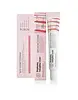
This anti-aging eye moisturizer is formulated around Niacinamide and Acetyl Hexapeptide-8 to soften the look of wrinkles and brighten dull-looking skin.
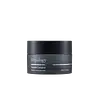
This anti-aging eye moisturizer is formulated around Acetyl Hexapeptide-8 and Sh-Oligopeptide-1 to soften the look of wrinkles and strengthen the skin barrier.


What's inside
What's inside
 Key Ingredients
Benefits
Concerns
Ingredients Side-by-side
Water
Skin ConditioningGlycerin
Humectant


Caprylic/Capric Triglyceride
Masking
Cetyl Ethylhexanoate
EmollientButylene Glycol
Humectant
Sodium Hyaluronate
Humectant


Simmondsia Chinensis Seed Oil
Emollient


Lithospermum Erythrorhizon Root Oil
Skin Conditioning
Niacinamide
Smoothing







Cetyl Alcohol
Emollient
Butyrospermum Parkii Butter
Skin Conditioning


Sorbitan Stearate
Emulsifying
Stearic Acid
Cleansing
Sorbitan Sesquioleate
Emulsifying
Hydrogenated Polyisobutene
EmollientAnemarrhena Asphodeloides Callus Extract
Antioxidant
Glyceryl Stearate
Emollient
Natto Gum
Centella Asiatica Extract
Cleansing
Portulaca Oleracea Extract
Skin Conditioning
Ceramide NP
Skin Conditioning
Althaea Rosea Flower Extract
Skin ConditioningAloe Barbadensis Leaf Extract
Emollient
Polysorbate 60
Emulsifying
Beeswax
Emulsion Stabilising
Tocopheryl Acetate
Antioxidant
Chlorphenesin
Antimicrobial
Hydroxyethylcellulose
Emulsion StabilisingEthylhexylglycerin
Skin ConditioningDimethicone
Emollient
Parfum
Masking


Adenosine
Skin Conditioning
Glutathione
1,2-Hexanediol
Skin Conditioning
Hydroxypropyl Cyclodextrin
MaskingAllantoin
Skin Conditioning
Disodium EDTA
ChelatingVitis Vinifera Callus Culture Extract
Nelumbo Nucifera Callus Culture Extract
Antimicrobial
Acetyl Hexapeptide-8
Humectant
Sodium DNA
Skin Conditioning
Lecithin
Emollient
Acetyl Glutamine
Skin ConditioningSh-Oligopeptide-1
Skin Conditioning
Sh-Oligopeptide-2
Skin Conditioning
Sh-Polypeptide-1
Skin Conditioning
Sh-Polypeptide-9
Skin Conditioning
Sh-Polypeptide-11
Bacillus
Skin ConditioningCaprylyl Glycol
Emollient
Tripeptide-29
Skin Conditioning
Copper Tripeptide-1
Skin Conditioning
Palmitoyl Tetrapeptide-7
Skin Conditioning
Hexapeptide-9
Skin Conditioning
Nonapeptide-1
Skin Conditioning
Tetrapeptide-44
Skin Conditioning
Water, Glycerin, Caprylic/Capric Triglyceride, Cetyl Ethylhexanoate, Butylene Glycol, Sodium Hyaluronate, Simmondsia Chinensis Seed Oil, Lithospermum Erythrorhizon Root Oil, Niacinamide, Cetyl Alcohol, Butyrospermum Parkii Butter, Sorbitan Stearate, Stearic Acid, Sorbitan Sesquioleate, Hydrogenated Polyisobutene, Anemarrhena Asphodeloides Callus Extract, Glyceryl Stearate, Natto Gum, Centella Asiatica Extract, Portulaca Oleracea Extract, Ceramide NP, Althaea Rosea Flower Extract, Aloe Barbadensis Leaf Extract, Polysorbate 60, Beeswax, Tocopheryl Acetate, Chlorphenesin, Hydroxyethylcellulose, Ethylhexylglycerin, Dimethicone, Parfum, Adenosine, Glutathione, 1,2-Hexanediol, Hydroxypropyl Cyclodextrin, Allantoin, Disodium EDTA, Vitis Vinifera Callus Culture Extract, Nelumbo Nucifera Callus Culture Extract, Acetyl Hexapeptide-8, Sodium DNA, Lecithin, Acetyl Glutamine, Sh-Oligopeptide-1, Sh-Oligopeptide-2, Sh-Polypeptide-1, Sh-Polypeptide-9, Sh-Polypeptide-11, Bacillus, Caprylyl Glycol, Tripeptide-29, Copper Tripeptide-1, Palmitoyl Tetrapeptide-7, Hexapeptide-9, Nonapeptide-1, Tetrapeptide-44
Water
Skin ConditioningButylene Glycol
Humectant
Glycerin
Humectant
Cyclopentasiloxane
Emollient
Panthenol
Skin Conditioning
Cetyl Ethylhexanoate
EmollientCetearyl Alcohol
Emollient
Centella Asiatica Extract
Cleansing
1,2-Hexanediol
Skin Conditioning
Niacinamide
Smoothing
Cetearyl Olivate
Butyrospermum Parkii Butter
Skin Conditioning
Sorbitan Olivate
Emulsifying
Chamomilla Recutita Flower Extract
Masking
Polyglyceryl-4 Isostearate
Emulsifying
Melaleuca Alternifolia Leaf Extract
Perfuming
Houttuynia Cordata Extract
Skin Conditioning
Caprylyl Glycol
Emollient
Acetyl Hexapeptide-8
Humectant
Bakuchiol
Antimicrobial
Sh-Oligopeptide-1
Skin Conditioning
Hyaluronic Acid
Humectant
Olea Europaea Leaf Extract
Perfuming
Opuntia Ficus-Indica Extract
Skin Conditioning
Nelumbo Nucifera Extract
Skin ConditioningGlycine Max Seed Extract
Skin ConditioningHydrogenated Polyisobutene
EmollientHydroxydecyl Ubiquinone
Antioxidant
Acetyl Glucosamine
Skin Conditioning
Tocopherol
Antioxidant
Anemarrhena Asphodeloides Root Extract
Skin Conditioning
Propolis Extract
Skin Conditioning
Tocopheryl Acetate
Antioxidant
Asiaticoside
Antioxidant
Calophyllum Tacamahaca Seed Extract
HumectantHydrolyzed Collagen
Emollient
Sodium Hyaluronate
Humectant
Adenosine
Skin Conditioning
Madecassoside
Antioxidant
Madecassic Acid
Skin Conditioning
Citric Acid
Buffering
Water, Butylene Glycol, Glycerin, Cyclopentasiloxane, Panthenol, Cetyl Ethylhexanoate, Cetearyl Alcohol, Centella Asiatica Extract, 1,2-Hexanediol, Niacinamide, Cetearyl Olivate, Butyrospermum Parkii Butter, Sorbitan Olivate, Chamomilla Recutita Flower Extract, Polyglyceryl-4 Isostearate, Melaleuca Alternifolia Leaf Extract, Houttuynia Cordata Extract, Caprylyl Glycol, Acetyl Hexapeptide-8, Bakuchiol, Sh-Oligopeptide-1, Hyaluronic Acid, Olea Europaea Leaf Extract, Opuntia Ficus-Indica Extract, Nelumbo Nucifera Extract, Glycine Max Seed Extract, Hydrogenated Polyisobutene, Hydroxydecyl Ubiquinone, Acetyl Glucosamine, Tocopherol, Anemarrhena Asphodeloides Root Extract, Propolis Extract, Tocopheryl Acetate, Asiaticoside, Calophyllum Tacamahaca Seed Extract, Hydrolyzed Collagen, Sodium Hyaluronate, Adenosine, Madecassoside, Madecassic Acid, Citric Acid
Ingredients Explained
These ingredients are found in both products.
Ingredients higher up in an ingredient list are typically present in a larger amount.
1,2-Hexanediol is a synthetic liquid and another multi-functional powerhouse.
It is a:
- Humectant, drawing moisture into the skin
- Emollient, helping to soften skin
- Solvent, dispersing and stabilizing formulas
- Preservative booster, enhancing the antimicrobial activity of other preservatives
Acetyl Hexapeptide-8 (also known as Argireline) is a synthetic hexapeptide that is often called a "topical Botox alternative".
It works by mimicking how Botox relaxes muscles; it interferes with the signaling process that tells your facial muscles to contract. This can help soften expression lines like forehead wrinkles or crow's feet over time.
The comparison to Botox does have limits because the molecule is water-loving and relatively large.
Acetyl Hexapeptide-8 has a hard time absorbing deeply enough through the skin's outer barrier to actually reach the muscles.
So whether it truly works the way Botox does at a biological level is still up for debate, but early clinical outcomes are fairly encouraging.
A 12 week human study of a multi-ingredient regimen containing this ingredient saw:
While some studies have observed improvements in wrinkle appearance, it is important to note that more consistent results are seen in multi-ingredient formulations (vs just Acetyl Hexapeptide-8 alone).
Some research studies also used higher concentrations (up to 10%) while this ingredient is usually found in concentrations up to 0.005% in leave-on formulations.
Learn more about Acetyl Hexapeptide-8Adenosine is a purine nucleoside that your body already makes in every cell. In skincare, it acts mainly as a skin conditioning and anti-aging agent.
The way it works is fairly well mapped out:
Your skin has cells called fibroblasts that build collagen (the stuff that keeps skin firm and smooth). Adenosine basically flips a switch on these cells that tells them to get to work making more collagen and other proteins. These cells slow down on their own as skin ages, so Adenosine helps give them a little nudge to keep going.
The clinical backing is pretty solid too.
A blind, randomized, placebo-controlled trial of 126 women aged 45-65 tested a 0.1% cream twice daily and found real improvements in crow's feet and frown lines using a precise 3D skin-mapping technique; these changes showed up by week 3 and held at 2 months.
A later study using Adenosine-loaded dissolving microneedle patches reported gains in wrinkle depth, dermal density, elasticity, and hydration.
On concentrations, South Korea's Ministry of Food and Drug Safety has set 0.04% as the approved functional anti-wrinkle level. You'll typically see this ingredient used somewhere in the 0.04-0.1% range since it works at low doses.
This ingredient has been found safe for cosmetics with the data showing no irritation or sensitization.
Overall, this is a great ingredient for any anti-aging routine and has no photosensitizing effect, so it suits both AM and PM use.
Learn more about AdenosineButylene Glycol (or BG) is used within cosmetic products for a few different reasons:
Overall, Butylene Glycol is a safe and well-rounded ingredient that works well with other ingredients.
Though this ingredient works well with most skin types, some people with sensitive skin may experience a reaction such as allergic rashes, closed comedones, or itchiness.
Learn more about Butylene GlycolThis ingredient is also known as shea butter. It is a plant-derived extract from the nuts of the Africa shea tree and one of the most well-studied emollients.
Because it has a high concentration of fatty acids (primarily oleic, stearic, and linoleic) it is able to form a protective barrier on the skin's surface. This helps seal in moisture and prevents transepidermal water loss (TEWL).
In vitro research found an increase in skin hydration by 58% and a decrease in TEWL by 37.8% after 24 hours of applying this ingredient (pretty impressive for a single ingredient!).
Besides hydration, shea butter also contains triterpenes that have anti-inflammatory potential. In particule, lupeol cinnamate has shown the highest anti-inflammatory activity in vivo.
Shea butter also contains vitamins A and E which may contribute to antioxidant activity.
While Shea Butter has an SPF rating of about 3-4, it is not a sunscreen replacement.
This ingredient may not be fungal acne safe because its fatty acids fall within the C11-C24 range that the Malassezia yeast can metabolize.
This ingredient shows up on a lot of "pore-clogging" lists but there's no real evidence behind that. It doesn't even have a comedogenic rating from an actual study; the numbers you'll find online come from blogs citing other blogs.
Ratings for other ingredients mostly come from a 1980s rabbit ear test. This test doesn't translate well to human skin or to real products because the ingredient sits at a much lower percentage.
Some people still find it breaks them out. So if that's you, definitely trust your skin. Just know this one's based on experience and not evidence.
Learn more about Butyrospermum Parkii ButterCaprylyl Glycol is a humectant, skin conditioner, emollient, and preservative booster derived from either caprylic acid or synthetically created.
Typical use levels vary from 0.3-1% as a preservative booster and go up to 2% to condition skin.
Because it is not a free-fatty acid, this ingredient is fungal acne safe (there's nothing for Malassezia to feed on).
Learn more about Caprylyl GlycolCentella Asiatica Extract (Centella) is one of the most researched botanical extracts in skincare with decades of studies backing its effects on inflammation, collagen, and the skin barrier.
That research keeps pointing back to the same four triterpenoid saponins: Asiaticoside, Madecassoside, Asiatic Acid, and Madecassic Acid.
These compounds allow centella to dial back inflammation, encourage the skin to build and hold onto collagen, support the barrier and hydration, and bring solid antioxidant activity to protect against signs of aging.
Centella also carries a nice supporting cast of Vitamin A, vitamin C, several B vitamins, and amino acids. Put it all together and you get an ingredient that soothes, hydrates, and protects, all at once.
Most of centella's magic comes from the four big compounds (Asiaticoside, Madecassoside, Asiatic Acid, and Madecassic Acid). These are the actives doing the heavy lifting in almost every centella study.
Here is the short version of what they do in the skin:
So it is not just soothing for the sake of soothing. Centella calms the skin AND helps it rebuild.
Just FYI, not all centella on an ingredient list is the same. What you are getting actually depends on the extract:
Fun fact on the ratios: the leaves tend to be richest in Madecassoside and Asiaticoside, and lower in the two acids. The exact amounts shift with where the plant is grown and how it is processed. This means purity really does vary brand to brand.
Centella is one of the most easygoing actives out there.
It layers well with basically everything: niacinamide, hyaluronic acid, peptides, and vitamin C, and also pairs nicely with stronger actives like retinoids and exfoliating acids where it can help take the edge off irritation.
On the safety side, centella and its triterpenes are classified as weak sensitizers, meaning allergic reactions are possible but uncommon.
Patch tests at 1% and 5% came back negative in test panels, and creams at typical use levels did not cause allergic reactions across large groups of people.
But as with any new active, a patch test is still a smart move for very reactive skin.
Centella is widely used because it is effective at low percentages. For context, human safety testing found no meaningful irritation from creams containing centella extract at everyday use levels (the tested amounts were well under 1%).
The irritancy threshold in animal testing was also above 30% (so real-world formulas sit far below anything concerning).
In collagen lab studies, higher concentrations drove more collagen synthesis, so serums built around centella tend to feature it more prominently.
Bottom line: you will find centella working nicely anywhere from a fraction of a percent up to hero-ingredient levels depending on whether it is a supporting soother or the main event.
Fun fact: Centella has been used as a medicine and in food for many centuries. As a medicine, it is used to treat burns, scratches, and wounds.
Learn more about Centella Asiatica ExtractCetyl Ethylhexanoate is an emollient ester. It comes from cetearyl alcohol and 2-ethylhexanoic acid.
Cetyl Ethylhexanoate is an emollient that adds a velvety feel to skin without being greasy or oily. Emollients help trap moisture into your skin, keeping your skin soft and hydrated.
Glycerin (or glycerol) is a compound naturally found in your skin. It's a powerhouse humectant that pulls water into the stratum corneum.
Topically, glycerin does several things at once:
Your skin makes glycerin on its own (mostly from sebaceous oil breakdown) and shuttles it to your outermost layer of skin, or your epidermis, via aquaporin-3.
Aquaporin-3 is a transporter that is essential for normal skin hydration, elasticity, and repair. Interestingly, mice lacking in AQP3 have dry and less elastic skin that can be fully corrected with glycerin.
This ingredient is non-irritating, plays well with almost every ingredient, and works across all skin types. Typical use is anywhere between 3-10% but can go up to 79% in some leave-on products.
Just know very high concentrations (>40%) can feel tacky in low humidity.
Glycerin is the name for this ingredient in American English. British English uses Glycerol/Glycerine.
Learn more about GlycerinHydrogenated Polyisobutene is a synthetic polymer. Polymers are compounds with high molecular weight. Hydrogenated Polyisobutene is an emollient and texture enhancer.
In one study, Hydrogenated Polyisobutene showed better skin hydration levels than Caprylic/Capric Triglyceride. As an emollient, it helps keep your skin soft and hydrated by trapping moisture in.
Hydrogenated Polyisobutene is often used as a mineral oil replacement.
Learn more about Hydrogenated PolyisobuteneNiacinamide is a multitasking form of vitamin B3 that strengthens the skin barrier, reduces pores and dark spots, regulates oil, and improves signs of aging.
And the best part? It's gentle and well-tolerated by most skin types, including sensitive and reactive skin.
You might have heard of "niacin flush", or the reddening of skin that causes itchiness. Niacinamide has not been found to cause this.
In very rare cases, some individuals may not be able to tolerate niacinamide at all or experience an allergic reaction to it.
If you are experiencing flaking, irritation, and dryness with this ingredient, be sure to double check all your products as this ingredient can be found in all categories of skincare.
When incorporating niacinamide into your routine, look out for concentration amounts. Typically, 5% niacinamide provides benefits such as fading dark spots. However, if you have sensitive skin, it is better to begin with a smaller concentration.
When you apply niacinamide to your skin, your body converts it into nicotinamide adenine dinucleotide (NAD). NAD is an essential coenzyme that is already found in your cells as "fuel" and powers countless biological processes.
In your skin, NAD helps repair cell damage, produce new healthy cells, support collagen production, strengthen the skin barrier, and fight environmental stressors (like UV and pollution).
Our natural NAD levels start to decline with age, leading to slower skin repair, visible aging, and a weaker skin barrier. By providing your skin niacinamide, you're recharging your skin's NAD levels. This leads to stronger, healthier, and younger looking skin.
Another name for vitamin B3 is nicotinamide. This vitamin is water-soluble and our bodies don't store it. We obtain Vitamin B3 from either food or skincare. Meat, fish, wheat, yeast, and leafy greens contain vitamin B3.
The type of niacinamide used in skincare is synthetically created.
Learn more about Niacinamidesh-Oligopeptide-1 is a peptide found naturally in our bodies. Peptides are the building blocks for collagen and elastin in our skin.
In cosmetics, this ingredient is bioengineered to be identical to a human gene that codes for epidermal growth factor (EGF). EGF are signal molecules that simulate cell growth and healing.
Studies find EGF help with:
In South Korea and China, EGF is considered a controversial ingredient. The South Korean Ministry of Food and Drug Safety has cracked down on companies with products including EGF due to false advertisement claims.
According to Dr. Zoe Draelos, growth factors have some drawbacks:
There is also controversy surrounding growth factors. The controversy is due to their mitogenic activity, or their ability to increase the number of cells. It is best to avoid using growth factors if you have psoriasis or are at risk of skin cancer. However, it should be noted EGF are not mutagenic - meaning they will not cause cancer.
Learn more about Sh-Oligopeptide-1Sodium Hyaluronate is the salt form of hyaluronic acid. It is a long sugar chain that is naturally found in your skin, joints, and connective tissue that maintains hydration and elasticity.
In skincare, it works as a humectant. It pulls water from the environment and deeper layers of skin and binds it to the surface.
Interestingly, the size of the molecule affects its behavior:
Some clinical evidence links low molecular weight versions to improved wrinkle depth, elasticity, anti-inflammatory effects, and barrier repair.
Many serums use a blend of both weights so you can get surface hydration plus longer-lasting and deeper effects.
You'll typically see concentrations between 0.1-2% for this ingredient.
Learn more about Sodium HyaluronateTocopheryl Acetate is a stable, shelf-friendly form of vitamin E.
Formulators love it because plain vitamin E oxidizes quickly once it hits air. This acetate version stays stable and resists going off, helping to extend a product's shelf life.
It's actually inactive on its own and works like a slow-release "storage" form; the enzymes in your skin called esterases gradually convert it into active vitamin E over time.
One in vivo study showed 5% of the acetate in the living layer of the epidermis converted to vitamin E after 5 days of application. This study also found the skin gained protection against UV damage even though the conversion was slow and small.
Once converted, vitamin E acts as a skin's main fat-soluble antioxidant that fights free radicals to protect skin from damage.
Topical vitamin E generally boosts the skin's photoprotection, and it reduced UV-damage in animal models.
This ingredient has some brightening potential but it's more of a prevention ingredient than spot-fader. Cell studies show it can slow down melanin production but it's worth noting that it's not the most powerful brightener out there.
Overall, it has a pretty solid safety profile and has been found to be non-irritating and non-comedogenic. Allergic reactions may happen but stay rare due to how widely the ingredient gets used.
The concentration will vary depending on the formula; industry data shows 0.1% in baby lotions, 3% in lipsticks, and 5% in foot powders. You can also find this ingredient at 100% in a pure vitamin E oil.
Most leave-on skincare keeps it at the lower end, often between 0.5-1%.
Learn more about Tocopheryl AcetateWater. It's the most common cosmetic ingredient of all. You'll usually see it at the top of ingredient lists, meaning that it makes up the largest part of the product.
So why is it so popular? Water most often acts as a solvent - this means that it helps dissolve other ingredients into the formulation.
You'll also recognize water as that liquid we all need to stay alive. If you see this, drink a glass of water. Remember to stay hydrated!
Learn more about Water

