Dr.G Green Mild Up Sun Stick SPF50+ PA++++ Versus Dr.G R.E.D Blemish Soothing Up Sun Stick SPF 50+ PA++++
This hybrid sunscreen covers the full UV range and blocks ~98% of UVB at SPF 50.
This chemical sunscreen covers the full UV range and blocks ~98% of UVB at SPF 50.

What's inside
What's inside
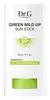 Key Ingredients
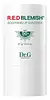
Benefits
Concerns
Ingredients Side-by-side
Octyldodecanol
Emollient
Zinc Oxide
Cosmetic Colorant


Cetyl Ethylhexanoate
EmollientBenzotriazolyl Dodecyl P-Cresol
UV AbsorberCoco-Caprylate/Caprate
Emollient
C12-15 Alkyl Benzoate
AntimicrobialIsopropyl Palmitate
Emollient




Acrylates Copolymer
Butylene Glycol Dicaprylate/Dicaprate
EmollientSilica Silylate
Emollient
Dibutyl Lauroyl Glutamide
Skin ConditioningDibutyl Ethylhexanoyl Glutamide
Skin ConditioningCaprylic/Capric Triglyceride
Masking

Butyloctyl Salicylate
Skin Conditioning
Dextrin Palmitate
Emulsifying
Vinyldimethicone

Vinyl Dimethicone/Methicone Silsesquioxane Crosspolymer
Centella Asiatica Extract
Cleansing




Mentha Viridis Extract
MaskingPinus Pinaster Bark Extract
Antioxidant
Caesalpinia Spinosa Fruit Extract
Skin ProtectingKappaphycus Alvarezii Extract
Skin ConditioningBuddleja Officinalis Flower Extract
UV FilterCamellia Sinensis Leaf Extract
Antimicrobial

Ginkgo Biloba Leaf Extract
Skin Conditioning
Camellia Japonica Leaf Extract
Skin ConditioningEruca Sativa Leaf Extract
Skin ConditioningTriticum Vulgare Sprout Extract
Skin ConditioningBrassica Oleracea Italica Sprout Extract
EmollientMedicago Sativa Extract
TonicGlyceryl Caprylate
EmollientTriethoxycaprylylsilane
Polyhydroxystearic Acid
Emulsifying
Polyglyceryl-6 Polyricinoleate
Emulsifying
Tocopherol
Antioxidant

Water
Skin Conditioning7-Dehydrocholesterol
Emulsion StabilisingEctoin
Skin Conditioning
Propanediol
Solvent
Butylene Glycol
Humectant
Lactobacillus Ferment
Skin Conditioning
1,2-Hexanediol
Skin Conditioning
Parfum
Masking


Octyldodecanol, Zinc Oxide, Cetyl Ethylhexanoate, Benzotriazolyl Dodecyl P-Cresol, Coco-Caprylate/Caprate, C12-15 Alkyl Benzoate, Isopropyl Palmitate, Acrylates Copolymer, Butylene Glycol Dicaprylate/Dicaprate, Silica Silylate, Dibutyl Lauroyl Glutamide, Dibutyl Ethylhexanoyl Glutamide, Caprylic/Capric Triglyceride, Butyloctyl Salicylate, Dextrin Palmitate, Vinyldimethicone, Vinyl Dimethicone/Methicone Silsesquioxane Crosspolymer, Centella Asiatica Extract, Mentha Viridis Extract, Pinus Pinaster Bark Extract, Caesalpinia Spinosa Fruit Extract, Kappaphycus Alvarezii Extract, Buddleja Officinalis Flower Extract, Camellia Sinensis Leaf Extract, Ginkgo Biloba Leaf Extract, Camellia Japonica Leaf Extract, Eruca Sativa Leaf Extract, Triticum Vulgare Sprout Extract, Brassica Oleracea Italica Sprout Extract, Medicago Sativa Extract, Glyceryl Caprylate, Triethoxycaprylylsilane, Polyhydroxystearic Acid, Polyglyceryl-6 Polyricinoleate, Tocopherol, Water, 7-Dehydrocholesterol, Ectoin, Propanediol, Butylene Glycol, Lactobacillus Ferment, 1,2-Hexanediol, Parfum
Water
Skin ConditioningCoco-Caprylate/Caprate
Emollient
Dibutyl Adipate
EmollientSynthetic Wax
Abrasive
Butyloctyl Salicylate
Skin Conditioning
Diethylhexyl 2,6-Naphthalate
EmollientDiethylamino Hydroxybenzoyl Hexyl Benzoate
UV Filter
Vinyldimethicone
Ethylhexyl Triazone
UV Absorber
Niacinamide
Smoothing

Microcrystalline Wax
Emulsion StabilisingVinyl Dimethicone/Methicone Silsesquioxane Crosspolymer
Polysilicone-15
UV Filter
Bis-Ethylhexyloxyphenol Methoxyphenyl Triazine
UV Absorber
Dipropylene Glycol
HumectantCentella Asiatica Extract
Cleansing
Centella Asiatica Root Extract
Skin Conditioning
Centella Asiatica Leaf Extract
Skin Conditioning
Pinus Pinaster Bark Extract
Antioxidant
Caesalpinia Spinosa Fruit Extract
Skin ProtectingPrunus Mume Fruit Extract
Humectant
Malus Domestica Fruit Extract
Antioxidant
Carica Papaya Fruit Extract
Skin ConditioningVitis Vinifera Fruit Extract
Skin ConditioningKappaphycus Alvarezii Extract
Skin ConditioningBuddleja Officinalis Flower Extract
UV FilterPolyglyceryl-4 Diisostearate/Polyhydroxystearate/Sebacate
Emulsifying
Glyceryl Caprylate
EmollientSodium Chloride
MaskingLauryl Polyglyceryl-3 Polydimethylsiloxyethyl Dimethicone
Skin Conditioning
Butylene Glycol
Humectant
Ethylhexylglycerin
Skin ConditioningAdenosine
Skin Conditioning
1,2-Hexanediol
Skin Conditioning
Saccharomyces Ferment
Skin Conditioning
Asiaticoside
Antioxidant
Madecassoside
Antioxidant
Tocopherol
Antioxidant
Propanediol
Solvent
Octadecane
Emollient
Lactic Acid/Glycolic Acid Copolymer
Skin ConditioningMadecassic Acid
Skin Conditioning
Asiatic Acid
Skin Conditioning
Xanthan Gum
EmulsifyingCaprylyl Glycol
Emollient
Water, Coco-Caprylate/Caprate, Dibutyl Adipate, Synthetic Wax, Butyloctyl Salicylate, Diethylhexyl 2,6-Naphthalate, Diethylamino Hydroxybenzoyl Hexyl Benzoate, Vinyldimethicone, Ethylhexyl Triazone, Niacinamide, Microcrystalline Wax, Vinyl Dimethicone/Methicone Silsesquioxane Crosspolymer, Polysilicone-15, Bis-Ethylhexyloxyphenol Methoxyphenyl Triazine, Dipropylene Glycol, Centella Asiatica Extract, Centella Asiatica Root Extract, Centella Asiatica Leaf Extract, Pinus Pinaster Bark Extract, Caesalpinia Spinosa Fruit Extract, Prunus Mume Fruit Extract, Malus Domestica Fruit Extract, Carica Papaya Fruit Extract, Vitis Vinifera Fruit Extract, Kappaphycus Alvarezii Extract, Buddleja Officinalis Flower Extract, Polyglyceryl-4 Diisostearate/Polyhydroxystearate/Sebacate, Glyceryl Caprylate, Sodium Chloride, Lauryl Polyglyceryl-3 Polydimethylsiloxyethyl Dimethicone, Butylene Glycol, Ethylhexylglycerin, Adenosine, 1,2-Hexanediol, Saccharomyces Ferment, Asiaticoside, Madecassoside, Tocopherol, Propanediol, Octadecane, Lactic Acid/Glycolic Acid Copolymer, Madecassic Acid, Asiatic Acid, Xanthan Gum, Caprylyl Glycol
Reviews
Ingredients Explained
These ingredients are found in both products.
Ingredients higher up in an ingredient list are typically present in a larger amount.
1,2-Hexanediol is a synthetic liquid and another multi-functional powerhouse.
It is a:
- Humectant, drawing moisture into the skin
- Emollient, helping to soften skin
- Solvent, dispersing and stabilizing formulas
- Preservative booster, enhancing the antimicrobial activity of other preservatives
This ingredient is derived from a shrub native to central and southern China.
According to a manufacturer, this ingredient is rich in polyphenols that provide strong antioxidant protection against UV and blue light damage.
Fun fact: This flower is traditionally used in Chinese and Korean medicine.
Learn more about Buddleja Officinalis Flower ExtractButylene Glycol (or BG) is used within cosmetic products for a few different reasons:
Overall, Butylene Glycol is a safe and well-rounded ingredient that works well with other ingredients.
Though this ingredient works well with most skin types, some people with sensitive skin may experience a reaction such as allergic rashes, closed comedones, or itchiness.
Learn more about Butylene GlycolButyloctyl Salicylate is a chemical UV filter structurally similar to octisalate. It is a photostabilizer, SPF booster, emollient and solvent. This ingredient helps evenly spread out ingredients.
According to a manufacturer, it is suitable for pairing with micro Titanium Dioxide, Zinc Oxide, and pigments.
Photostabilizers help stabilize UV-filters and prevents them from degrading quickly.
Learn more about Butyloctyl SalicylateWe don't have a description for Caesalpinia Spinosa Fruit Extract yet.
Centella Asiatica Extract (Centella) is one of the most researched botanical extracts in skincare with decades of studies backing its effects on inflammation, collagen, and the skin barrier.
That research keeps pointing back to the same four triterpenoid saponins: Asiaticoside, Madecassoside, Asiatic Acid, and Madecassic Acid.
These compounds allow centella to dial back inflammation, encourage the skin to build and hold onto collagen, support the barrier and hydration, and bring solid antioxidant activity to protect against signs of aging.
Centella also carries a nice supporting cast of Vitamin A, vitamin C, several B vitamins, and amino acids. Put it all together and you get an ingredient that soothes, hydrates, and protects, all at once.
Most of centella's magic comes from the four big compounds (Asiaticoside, Madecassoside, Asiatic Acid, and Madecassic Acid). These are the actives doing the heavy lifting in almost every centella study.
Here is the short version of what they do in the skin:
So it is not just soothing for the sake of soothing. Centella calms the skin AND helps it rebuild.
Just FYI, not all centella on an ingredient list is the same. What you are getting actually depends on the extract:
Fun fact on the ratios: the leaves tend to be richest in Madecassoside and Asiaticoside, and lower in the two acids. The exact amounts shift with where the plant is grown and how it is processed. This means purity really does vary brand to brand.
Centella is one of the most easygoing actives out there.
It layers well with basically everything: niacinamide, hyaluronic acid, peptides, and vitamin C, and also pairs nicely with stronger actives like retinoids and exfoliating acids where it can help take the edge off irritation.
On the safety side, centella and its triterpenes are classified as weak sensitizers, meaning allergic reactions are possible but uncommon.
Patch tests at 1% and 5% came back negative in test panels, and creams at typical use levels did not cause allergic reactions across large groups of people.
But as with any new active, a patch test is still a smart move for very reactive skin.
Centella is widely used because it is effective at low percentages. For context, human safety testing found no meaningful irritation from creams containing centella extract at everyday use levels (the tested amounts were well under 1%).
The irritancy threshold in animal testing was also above 30% (so real-world formulas sit far below anything concerning).
In collagen lab studies, higher concentrations drove more collagen synthesis, so serums built around centella tend to feature it more prominently.
Bottom line: you will find centella working nicely anywhere from a fraction of a percent up to hero-ingredient levels depending on whether it is a supporting soother or the main event.
Fun fact: Centella has been used as a medicine and in food for many centuries. As a medicine, it is used to treat burns, scratches, and wounds.
Learn more about Centella Asiatica ExtractCoco-Caprylate/Caprate is a lightweight ester created from coconut oil fatty acids, caprylic acid, and capric acid.
It is an emollient that helps soften skin and reduce transepidermal water loss (TEWL). What sets it apart from heavier emollients is its ultralight, non-greasy feel.
Once applied, this ingredient dries down quickly and leaves a dry, silky finish behind. This also helps improve spreadability and texture.
This ingredient has an excellent safety-record and is non-irritating.
Typical concentrations for cosmetics range from 0.5-62%.
Research on Malassezia growth found no growth on fatty acid esters with chain lengths shorter than 12 carbons (it prefers C11-24).
Since Coco-Caprylate/Caprate is built on C8 and C10 fatty acids, it is out of the range that Malassezia metabolizes, and therefore safe for fungal acne.
Learn more about Coco-Caprylate/CaprateGlyceryl Caprylate comes from glycerin and caprylic acid. It is an emollient, co-emulsifier, and preservative booster.
Its short C8 fatty acid chain makes it behave differently from its longer-chain emollient cousins like Glyceryl Stearate. It feels more lightweight, fast-absorbing, and silky instead of rich and waxy.
As a co-emulsifier, its "head" and "tail" sit at the oil-water interface. But overall, the short C8 tail and not being water soluble means it doesn't really have the muscle to emulsify a formula on its own. That's why you'll often see it paired with a primary emulsifier like Cetearyl Glucoside.
Interestingly, Glyceryl Caprylate acts as a preservative booster. This is because its fatty-acid backbone disrupts microbial lipid membranes. It shows excellent activity against bacteria and yeast but is weaker against mold.
Typical concentrations range from 0.5-1% and this ingredient is generally non-irritating.
Because this ingredient has a C8 fatty acid chain, it is outside the range that the Malassezia yeast metabolizes (making it fungal acne safe).
Learn more about Glyceryl CaprylateWe don't have a description for Kappaphycus Alvarezii Extract yet.
This ingredient is also known as Maritime pine or pycnogenol. It has antioxidant and skin soothing properties.
Research on this ingredient is the strongest in the oral context. Studies have linked supplementation to improvements in skin hydration, elasticity, and melasma.
Evidence for topical effects is more limited. Like other botanical extracts, tolerance can vary. Patch testing is recommended for sensitive skin.
Learn more about Pinus Pinaster Bark ExtractPropanediol is an all-star ingredient. It softens, hydrates, and smooths the skin.
It’s often used to:
Propanediol is not likely to cause sensitivity and considered safe to use. It is derived from corn or petroleum with a clear color and no scent.
Learn more about PropanediolTocopherol is a fat-soluble antioxidant known as Vitamin E.
You'll find this ingredient in the vast majority of skincare (for good reason). It works to neutralize free radicals, or unstable molecules generated by UV exposure, pollution, and other environmental stressors, before they can cause oxidative damage to your skin cells.
Topically applied tocopherol has been shown to protect against UV damage by ramping up the skin's own natural defense enzymes.
It also acts as a skin conditioning agent; some studies show that regular topical use can improve the skin's water-binding capacity over 2-4 weeks.
This ingredient is especially loved for being a team player. When combined with Vitamin C, the photoprotective effect of both ingredients roughly doubles and the combo also helps reduce UV-induced DNA damage.
This ingredient has some brightening potential but it's more of a prevention ingredient than spot-fader. Cell studies show it can slow down melanin production but it's worth noting that it's not the most powerful brightener out there.
In formulations, it also serves as a stabilizer that helps protect other oxidation-prone ingredients from degrading.
Concentrations usually range from 0.1-1% in most leave-on products.
Learn more about TocopherolThis ingredient is used in makeup and skincare to thicken formulas, reduce shine, and give skin a silky-smooth feel.
It’s a white silicone powder that sits in fine lines and pores to blur their appearance though its effectiveness depends on the particle size.
You'll typically find this ingredient in amounts between 0.1-20%.
Learn more about Vinyl Dimethicone/Methicone Silsesquioxane CrosspolymerVinyldimethicone is a type of silicone.
Water. It's the most common cosmetic ingredient of all. You'll usually see it at the top of ingredient lists, meaning that it makes up the largest part of the product.
So why is it so popular? Water most often acts as a solvent - this means that it helps dissolve other ingredients into the formulation.
You'll also recognize water as that liquid we all need to stay alive. If you see this, drink a glass of water. Remember to stay hydrated!
Learn more about Water

