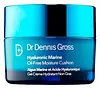
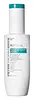
Dr. Dennis Gross Skincare Hyaluronic Marine Oil-Free Moisture Cushion Versus Peter Thomas Roth Peptide 21 Wrinkle Resist Serum
This barrier-repair moisturizer is formulated around Sodium Hyaluronate and Saccharide Isomerate to strengthen the skin barrier and hydrate skin.
This anti-aging serum is formulated around Tripeptide-10 Citrulline and Acetyl Octapeptide-3 to soften the look of wrinkles.

What's inside
What's inside
 Key Ingredients
Benefits
Concerns
Ingredients Side-by-side
Water
Skin ConditioningCetearyl Alcohol
Emollient






C13-16 Isoparaffin
Solvent
Stearyl Dimethicone
Emollient
Dimethicone
Emollient
Butylene Glycol
Humectant

Caprylic/Capric Triglyceride
Masking
Glyceryl Behenate
Emollient
Sodium Hyaluronate
Humectant


Caulerpa Lentillifera Extract
Saccharide Isomerate
Humectant
Aloe Barbadensis Leaf Extract
Emollient
Tocopherol
Antioxidant



Citrullus Lanatus Fruit Extract
Skin Conditioning
Cocos Nucifera Fruit Extract
Emollient
Citrus Sinensis Fruit Extract
Antioxidant
Vaccinium Myrtillus Fruit/Leaf Extract
AstringentLactic Acid
Buffering




Glycolic Acid
Buffering

Saccharum Officinarum Extract
MoisturisingLeuconostoc/Radish Root Ferment Filtrate
Antimicrobial
Citrus Aurantium Dulcis Fruit Extract
MaskingCitrus Limon Fruit Extract
Masking
Acer Saccharum Extract
Skin ConditioningCollagen Amino Acids
Moisturising
Adenosine
Skin Conditioning
Hydrolyzed Soy Protein
Humectant
Copper PCA
HumectantIsohexadecane
EmollientHeptyl Undecylenate
EmollientEthylhexylglycerin
Skin ConditioningDimethicone Crosspolymer-3
Skin Conditioning
Isododecane
EmollientOctadecene
SolventSodium Acrylate/Sodium Acryloyldimethyl Taurate Copolymer
Emulsion StabilisingPotassium Cetyl Phosphate
EmulsifyingSorbitan Oleate
Emulsifying
Ceteareth-20
Cleansing
Polysorbate 80
Emulsifying
Sodium Citrate
BufferingCitric Acid
Buffering
Benzyl Alcohol
Perfuming




Phenoxyethanol
Preservative
Sodium Benzoate
Masking
Potassium Sorbate
Preservative
Water, Cetearyl Alcohol, C13-16 Isoparaffin, Stearyl Dimethicone, Dimethicone, Butylene Glycol, Caprylic/Capric Triglyceride, Glyceryl Behenate, Sodium Hyaluronate, Caulerpa Lentillifera Extract, Saccharide Isomerate, Aloe Barbadensis Leaf Extract, Tocopherol, Citrullus Lanatus Fruit Extract, Cocos Nucifera Fruit Extract, Citrus Sinensis Fruit Extract, Vaccinium Myrtillus Fruit/Leaf Extract, Lactic Acid, Glycolic Acid, Saccharum Officinarum Extract, Leuconostoc/Radish Root Ferment Filtrate, Citrus Aurantium Dulcis Fruit Extract, Citrus Limon Fruit Extract, Acer Saccharum Extract, Collagen Amino Acids, Adenosine, Hydrolyzed Soy Protein, Copper PCA, Isohexadecane, Heptyl Undecylenate, Ethylhexylglycerin, Dimethicone Crosspolymer-3, Isododecane, Octadecene, Sodium Acrylate/Sodium Acryloyldimethyl Taurate Copolymer, Potassium Cetyl Phosphate, Sorbitan Oleate, Ceteareth-20, Polysorbate 80, Sodium Citrate, Citric Acid, Benzyl Alcohol, Phenoxyethanol, Sodium Benzoate, Potassium Sorbate
Water
Skin ConditioningGlycerin
Humectant
Rosa Centifolia Flower Water
Skin ConditioningIsopropyl Myristate
Emollient
Squalane
Emollient
Mannitol
Humectant
Butylene Glycol
Humectant
Natto Gum
Tripeptide-10 Citrulline
Skin Conditioning
Acetyl Octapeptide-3
Humectant
Palmitoyl Hexapeptide-12
Skin Conditioning
Acetyl Tetrapeptide-11
Skin Conditioning
Acetyl Hexapeptide-8
Humectant
Acetyl Hexapeptide-1
Skin Conditioning
Palmitoyl Oligopeptide
Cleansing
Acetyl Tetrapeptide-9
Skin Conditioning
Acetyl Tetrapeptide-2
Skin Conditioning
Tripeptide-1
Skin Conditioning
Palmitoyl Tetrapeptide-7
Skin Conditioning
Hexapeptide-11
Skin Conditioning
Dipeptide Diaminobutyroyl Benzylamide Diacetate
Skin Conditioning
Palmitoyl Tripeptide-5
Skin Conditioning
Trifluoroacetyl Tripeptide-2
Skin Conditioning
Palmitoyl Tripeptide-1
Skin Conditioning
Sodium Polyglutamate
HumectantSodium Hyaluronate
Humectant
Tocopheryl Acetate
Antioxidant
Retinyl Palmitate
Skin Conditioning
Ascorbic Acid
Antioxidant
Hydrolyzed Soy Protein
Humectant
Hydrolyzed Wheat Protein
Skin ConditioningLecithin
Emollient
Pseudoalteromonas Ferment Extract
Humectant
Acrylates Copolymer
Magnesium Chloride
Polysorbate 20
Emulsifying
Dimethyl Isosorbide
SolventAcrylates/C10-30 Alkyl Acrylate Crosspolymer
Emulsion StabilisingLeuconostoc/Radish Root Ferment Filtrate
Antimicrobial
PEG-8 Dimethicone
Emulsifying
Disodium Phosphate
BufferingCarbomer
Emulsion StabilisingDextran
Sodium Lactate
Buffering
Tetradecyl Aminobutyroylvalylaminobutyric Urea Trifluoroacetate
Skin ConditioningXanthan Gum
EmulsifyingTriethanolamine
BufferingSodium Phosphate
BufferingOctyldodecanol
Emollient
Silica
Abrasive
Sodium Propoxyhydroxypropyl Thiosulfate Silica
Sodium Hydroxide
BufferingCaprylyl Glycol
Emollient
Potassium Sorbate
Preservative
Sodium Benzoate
Masking
Phenoxyethanol
Preservative
Water, Glycerin, Rosa Centifolia Flower Water, Isopropyl Myristate, Squalane, Mannitol, Butylene Glycol, Natto Gum, Tripeptide-10 Citrulline, Acetyl Octapeptide-3, Palmitoyl Hexapeptide-12, Acetyl Tetrapeptide-11, Acetyl Hexapeptide-8, Acetyl Hexapeptide-1, Palmitoyl Oligopeptide, Acetyl Tetrapeptide-9, Acetyl Tetrapeptide-2, Tripeptide-1, Palmitoyl Tetrapeptide-7, Hexapeptide-11, Dipeptide Diaminobutyroyl Benzylamide Diacetate, Palmitoyl Tripeptide-5, Trifluoroacetyl Tripeptide-2, Palmitoyl Tripeptide-1, Sodium Polyglutamate, Sodium Hyaluronate, Tocopheryl Acetate, Retinyl Palmitate, Ascorbic Acid, Hydrolyzed Soy Protein, Hydrolyzed Wheat Protein, Lecithin, Pseudoalteromonas Ferment Extract, Acrylates Copolymer, Magnesium Chloride, Polysorbate 20, Dimethyl Isosorbide, Acrylates/C10-30 Alkyl Acrylate Crosspolymer, Leuconostoc/Radish Root Ferment Filtrate, PEG-8 Dimethicone, Disodium Phosphate, Carbomer, Dextran, Sodium Lactate, Tetradecyl Aminobutyroylvalylaminobutyric Urea Trifluoroacetate, Xanthan Gum, Triethanolamine, Sodium Phosphate, Octyldodecanol, Silica, Sodium Propoxyhydroxypropyl Thiosulfate Silica, Sodium Hydroxide, Caprylyl Glycol, Potassium Sorbate, Sodium Benzoate, Phenoxyethanol
Ingredients Explained
These ingredients are found in both products.
Ingredients higher up in an ingredient list are typically present in a larger amount.
Butylene Glycol (or BG) is used within cosmetic products for a few different reasons:
Overall, Butylene Glycol is a safe and well-rounded ingredient that works well with other ingredients.
Though this ingredient works well with most skin types, some people with sensitive skin may experience a reaction such as allergic rashes, closed comedones, or itchiness.
Learn more about Butylene GlycolHydrolyzed Soy Protein is a water-soluble blend of peptides and amino acids made by breaking down the protein from soybeans into smaller proteins.
It's the most widely used hydrolyzed vegetable protein in cosmetics and it acts mainly as a skin and hair conditioning agent.
The smaller fragments are water-loving so it forms a thin, moisture-retentive film on skin that helps reduce water loss and leaves things feeling softer and smoother.
You'll often see it credited with "firming" or "anti-aging" benefits as well; this claim traces back to lab research like Tokudome et al. (2012). This study added low-molecular-weight soybean peptides to cultured human skin fibroblasts and saw increased type I collagen gene expression + collagen content.
The caveat is that this is in-vitro and oral-peptide research so the only solid, well-established role for the topical ingredient is skin conditioning.
Typical use concentrations go up to 3.5% in mascara but this ingredient is typically used at low levels well under 1%.
It has a reassuring safety profile as well; it's not a skin irritant in testing up to 20% and has limited skin penetration due to its large size and water-loving nature.
Anyone with a known soy allergy should definitely patch test or skip this ingredient. There's also a single case of a soy-containing product aggravating rosacea via protein contact dermatitis, but this is very rare.
Learn more about Hydrolyzed Soy ProteinLeuconostoc/Radish Root Ferment Filtrate is a natural preservative. It comes from fermenting radish roots with a bacteria called leuconostoc. The trade name for this ingredient is Leucidal.
Leuconostoc comes from lactic acid.
This ingredient has antimicrobial properties and helps prevent the growth of bacteria in a product.
Leuconostoc is used to make the traditional Korean side-dish, kimchi. It is also used to make sourdough bread (both incredibly yummy foods).
Learn more about Leuconostoc/Radish Root Ferment FiltratePhenoxyethanol is one of the most widely used preservatives in skincare (and for good reason!).
It has a large spectrum of antimicrobial activity and especially effective bacteria, yeast, and mold while only having a weak effect on your skin's natural microbiome.
On a cellular level, it disrupts the cell membranes of microbes by poking holes that make the cell leak. This shuts down the chemical reactions the microbe needs to make energy so it can no longer survive.
Another perk of this ingredient is that it stays functional across a wide pH range (3-10).
You'll often see it paired with boosters like Ethylhexylglycerin; one study showed that a 1:9 ratio of Ethylhexylglycerin to Phenoxyethanol damages bacterial membranes as effectively as doubling the Phenoxyethanol concentration on its own.
Typical use concentrations range from 0.3-1% depending on the formula, and this ingredient is capped at 1% int the EU.
Safety-wise, the fear mongering does not hold up to the evidence. The EU's Scientific Committee on Consumer Safety and FDA consider it safe as a preservative at up to 1%, including for children of all ages.
Adverse systemic effects only showed up in animal studies at exposures roughly 200x higher than what people get from cosmetics. And despite its very widespread use, this ingredient is a rare sensitizer and allergic reactions are uncommon.
Learn more about PhenoxyethanolPotassium Sorbate is a preservative used to prevent yeast and mold in products. It is commonly found in both cosmetic and food products.
This ingredient comes from potassium salt derived from sorbic acid. Sorbic acid is a natural antibiotic and effective against fungus.
Both potassium sorbate and sorbic acid can be found in baked goods, cheeses, dried meats, dried fruit, ice cream, pickles, wine, yogurt, and more.
You'll often find this ingredient used with other preservatives.
Learn more about Potassium SorbateSodium Benzoate is a preservative. It's used in both cosmetic and food products to inhibit the growth of mold and bacteria. It is typically produced synthetically.
Both the US FDA and EU Health Committee have approved the use of sodium benzoate. In the US, levels of 0.1% (of the total product) are allowed.
Sodium benzoate works as a preservative by inhibiting the growth of bacteria inside of cells. It prevents the cell from fermenting a type of sugar using an enzyme called phosphofructokinase.
It is the salt of benzoic acid. Foods containing sodium benzoate include soda, salad dressings, condiments, fruit juices, wines, and snack foods.
Studies for using ascorbic acid and sodium benzoate in cosmetics are lacking, especially in skincare routines with multiple steps.
We always recommend speaking with a professional, such as a dermatologist, if you have any concerns.
Learn more about Sodium BenzoateSodium Hyaluronate is the salt form of hyaluronic acid. It is a long sugar chain that is naturally found in your skin, joints, and connective tissue that maintains hydration and elasticity.
In skincare, it works as a humectant. It pulls water from the environment and deeper layers of skin and binds it to the surface.
Interestingly, the size of the molecule affects its behavior:
Some clinical evidence links low molecular weight versions to improved wrinkle depth, elasticity, anti-inflammatory effects, and barrier repair.
Many serums use a blend of both weights so you can get surface hydration plus longer-lasting and deeper effects.
You'll typically see concentrations between 0.1-2% for this ingredient.
Learn more about Sodium HyaluronateWater. It's the most common cosmetic ingredient of all. You'll usually see it at the top of ingredient lists, meaning that it makes up the largest part of the product.
So why is it so popular? Water most often acts as a solvent - this means that it helps dissolve other ingredients into the formulation.
You'll also recognize water as that liquid we all need to stay alive. If you see this, drink a glass of water. Remember to stay hydrated!
Learn more about Water


