Dr. Dennis Gross Skincare C+ Collagen Brighten & Firm Vitamin C Serum Versus Numbuzin No.5 Vitamin Concentrated Serum
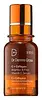
This brightening serum is formulated around 3-O-Ethyl Ascorbic Acid and Niacinamide to brighten dull-looking skin and soften the look of wrinkles.
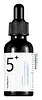
This brightening serum is formulated around Niacinamide and Tranexamic Acid to fade the look of dark spots and brighten dull-looking skin.


What's inside
What's inside
 Key Ingredients
Benefits
Concerns
Ingredients Side-by-side
Water
Skin ConditioningGlycerin
Humectant


3-O-Ethyl Ascorbic Acid
Skin Conditioning




Niacinamide
Smoothing





Glycereth-7 Triacetate
EmollientLactic Acid
Buffering



Sd Alcohol 40-B
Astringent

Hydroxyethylcellulose
Emulsion StabilisingDimethyl Isosorbide
SolventAscorbic Acid
Antioxidant
Collagen Amino Acids
Moisturising
Superoxide Dismutase
Antioxidant
Glycine
Buffering
Carnitine Hcl
HumectantUbiquinone
Antioxidant
Hexylresorcinol
Antimicrobial
Emblica Officinalis Fruit Extract
Skin ConditioningHydrolyzed Soy Protein
Humectant
Tetrahexyldecyl Ascorbate
Antioxidant
Isoquercetin
Antioxidant
Mandelic Acid
Antimicrobial
Pueraria Lobata Root Extract
HumectantCurcuma Longa Root Extract
Antioxidant
Phytic Acid
Chelating
Citric Acid
Buffering
Tetrasodium EDTA
ChelatingSodium Citrate
BufferingButylene Glycol
Humectant
Xanthan Gum
EmulsifyingPolysorbate 20
Emulsifying
T-Butyl Alcohol
Perfuming
Sodium Hydroxide
BufferingPolysorbate 80
Emulsifying
Denatonium Benzoate
Masking
Benzyl Alcohol
Perfuming

Phenoxyethanol
Preservative
Sodium Benzoate
Masking
Potassium Sorbate
Preservative
Water, Glycerin, 3-O-Ethyl Ascorbic Acid, Niacinamide, Glycereth-7 Triacetate, Lactic Acid, Sd Alcohol 40-B, Hydroxyethylcellulose, Dimethyl Isosorbide, Ascorbic Acid, Collagen Amino Acids, Superoxide Dismutase, Glycine, Carnitine Hcl, Ubiquinone, Hexylresorcinol, Emblica Officinalis Fruit Extract, Hydrolyzed Soy Protein, Tetrahexyldecyl Ascorbate, Isoquercetin, Mandelic Acid, Pueraria Lobata Root Extract, Curcuma Longa Root Extract, Phytic Acid, Citric Acid, Tetrasodium EDTA, Sodium Citrate, Butylene Glycol, Xanthan Gum, Polysorbate 20, T-Butyl Alcohol, Sodium Hydroxide, Polysorbate 80, Denatonium Benzoate, Benzyl Alcohol, Phenoxyethanol, Sodium Benzoate, Potassium Sorbate
Vaccinium Vitis-Idaea Fruit Extract
Antioxidant
Butylene Glycol
Humectant
Niacinamide
Smoothing
Panthenol
Skin Conditioning
Tranexamic Acid
Astringent
Water
Skin Conditioning1,2-Hexanediol
Skin Conditioning
Neopentyl Glycol Dicaprate
EmollientCaprylic/Capric Triglyceride
Masking
Sorbitol
Humectant
Bifida Ferment Lysate
Skin Conditioning
Chondrus Crispus Extract
Skin Conditioning
Butyrospermum Parkii Butter
Skin Conditioning
Saccharum Officinarum Extract
MoisturisingAlpha-Arbutin
Antioxidant
Sodium Hyaluronate
Humectant
Melia Azadirachta Flower Extract
Skin ConditioningOcimum Sanctum Leaf Extract
Skin ConditioningMelia Azadirachta Leaf Extract
Skin ConditioningCurcuma Longa Root Extract
Antioxidant
Corallina Officinalis Extract
Skin Conditioning
Tremella Fuciformis Extract
Humectant
Pentylene Glycol
Skin Conditioning
Glycerin
Humectant
3-O-Ethyl Ascorbic Acid
Skin Conditioning
Bisabolol
Antioxidant
Tromethamine
BufferingEthylhexylglycerin
Skin ConditioningAdenosine
Skin Conditioning
Hydrogenated Lecithin
Emulsifying
Allantoin
Skin Conditioning
Glutathione
Ceramide NP
Skin Conditioning
Beta-Glucan
Skin Conditioning
Dipotassium Glycyrrhizate
Humectant
Tocopherol
Antioxidant
Ascorbic Acid
Antioxidant
Ascorbyl Glucoside
Antioxidant
Tocopheryl Acetate
Antioxidant
Hydroxypropyl Cyclodextrin
MaskingUbiquinone
Antioxidant
Thioctic Acid
Antioxidant
Potassium Hydroxide
BufferingBehenyl Alcohol
Emollient
Carbomer
Emulsion StabilisingXanthan Gum
EmulsifyingDisodium EDTA
ChelatingVaccinium Vitis-Idaea Fruit Extract, Butylene Glycol, Niacinamide, Panthenol, Tranexamic Acid, Water, 1,2-Hexanediol, Neopentyl Glycol Dicaprate, Caprylic/Capric Triglyceride, Sorbitol, Bifida Ferment Lysate, Chondrus Crispus Extract, Butyrospermum Parkii Butter, Saccharum Officinarum Extract, Alpha-Arbutin, Sodium Hyaluronate, Melia Azadirachta Flower Extract, Ocimum Sanctum Leaf Extract, Melia Azadirachta Leaf Extract, Curcuma Longa Root Extract, Corallina Officinalis Extract, Tremella Fuciformis Extract, Pentylene Glycol, Glycerin, 3-O-Ethyl Ascorbic Acid, Bisabolol, Tromethamine, Ethylhexylglycerin, Adenosine, Hydrogenated Lecithin, Allantoin, Glutathione, Ceramide NP, Beta-Glucan, Dipotassium Glycyrrhizate, Tocopherol, Ascorbic Acid, Ascorbyl Glucoside, Tocopheryl Acetate, Hydroxypropyl Cyclodextrin, Ubiquinone, Thioctic Acid, Potassium Hydroxide, Behenyl Alcohol, Carbomer, Xanthan Gum, Disodium EDTA
Reviews
Ingredients Explained
These ingredients are found in both products.
Ingredients higher up in an ingredient list are typically present in a larger amount.
3-O-Ethyl Ascorbic Acid is one of the most popular "stable" vitamin C derivatives in skincare.
Plain ascorbic acid is fantastic but notoriously fragile; it browns, oxidizes, and loses potency fast. So attaching an ethyl group to the third carbon of the molecule gives it some cool perks:
In a formula, it does the 3 classic vitamin C jobs: it acts as an antioxidant, helps brighten skin tone by inhibiting tyrosinase, and supports collagen.
The evidence is reasonably solid for a cosmetic ingredient; Liao and colleagues (2018) showed it's significantly more stable than ascorbic acid while still being effective.
A 2021 study by Zerbinati and colleagues tested a serum with 30% 3-O-ethyl-l-ascorbic acid and 1% lactic acid significantly increased collagen production, reduced UVB-induced DNA damage, and decreased melanin on a reconstructed pigmented skin model.
Typical real world usage sits around 0.5-5% (and 1-2% is common for daily serums).
Amounts up to 30% have been shown to be non-irritating on human skin samples, but two isolated cases reported allergic contact dermatitis so a patch test is sensible if you have reactive skin.
Learn more about 3-O-Ethyl Ascorbic AcidAscorbic Acid is is pure Vitamin C and is the biologically active form used directly by skin.
Not only is vitamin C great for your overall health and immune system, but it also has plenty of benefits for your skin. It is best supported by academic literature for:
Topical vitamin C has been shown to help neutralize oxidative stress from UV and pollution, helping to improve photoaging and hyperpigmentation when used consistently.
One clinical study found that using 5% topical vitamin C for six months improved signs of photodamaged skin, both on the surface and in the deeper structural layers of the skin.
While vitamin C doesn’t replace sunscreen, studies show it can boost photoprotection when combined with Vitamin E and ferulic acid. These two ingredients help improve stability and protective effects.
The big downside of this ingredient is formulation difficulty. Vitamin C is prone to oxidation and doesn't penetrate the skin unless formulated correctly. Research found that vitamin C absorbs into the skin best at a low pH (< 3.5) with about 20% being the upper limit for effective absorption.
Skin levels can saturate after repeated application; this means your skin won’t keep absorbing more once it’s full of vitamin C. This is why more isn’t always better with vitamin C and why very high concentrations don’t necessarily give extra benefits.
Ascorbic acid generally works well with many skincare ingredients but can be irritating when combined with other active ingredients. Strong oxidizing acne treatments like benzoyl peroxide can reduce the effectiveness of vitamin C if they are used at the same time; they are often recommended for use at different times of day.
Read more about other types of Vitamin C:
Foods rich with vitamin C include oranges, strawberries, broccoli, bell peppers, and more. When consuming Vitamin C, your skin receives a portion of the nutrients.
Learn more about Ascorbic AcidButylene Glycol (or BG) is used within cosmetic products for a few different reasons:
Overall, Butylene Glycol is a safe and well-rounded ingredient that works well with other ingredients.
Though this ingredient works well with most skin types, some people with sensitive skin may experience a reaction such as allergic rashes, closed comedones, or itchiness.
Learn more about Butylene GlycolCurcuma Longa Root Extract comes from the rhizome (underground stem) of the turmeric plant.
While the official EU Cosing Database lists this ingredient as a fragrance, it actually does more than give products a scent.
This ingredient contains a group of yellow pigments called curcuminoids (mostly curcumin) that give it genuine antioxidant and anti-inflammatory activity in skin.
Reviews of topical clinical studies have found turmeric/curcumin to be generally well-tolerated and useful across conditions like eczema and mild inflammation.
One thing working in its favor is that curcumin barely penetrates; in lab skin-permeation testing, the curcuminoids mostly stayed in the outermost layer of skin. This is a good thing because its soothing and antioxidant activity is a surface-level job anyway.
At this time, industry data shows there's no single "correct" cosmetic percentage. It's used across a wide range depending on the product and varies from tiny fractions of a percent up to a few percent.
Allergy-wise, curcumin is a documented (but uncommon) contact allergen. It can also cross react with related plants, so anyone with a turmeric/ginger/cinnamon allergy or reactive skin should patch test first.
Learn more about Curcuma Longa Root ExtractGlycerin (or glycerol) is a compound naturally found in your skin. It's a powerhouse humectant that pulls water into the stratum corneum.
Topically, glycerin does several things at once:
Your skin makes glycerin on its own (mostly from sebaceous oil breakdown) and shuttles it to your outermost layer of skin, or your epidermis, via aquaporin-3.
Aquaporin-3 is a transporter that is essential for normal skin hydration, elasticity, and repair. Interestingly, mice lacking in AQP3 have dry and less elastic skin that can be fully corrected with glycerin.
This ingredient is non-irritating, plays well with almost every ingredient, and works across all skin types. Typical use is anywhere between 3-10% but can go up to 79% in some leave-on products.
Just know very high concentrations (>40%) can feel tacky in low humidity.
Glycerin is the name for this ingredient in American English. British English uses Glycerol/Glycerine.
Learn more about GlycerinNiacinamide is a multitasking form of vitamin B3 that strengthens the skin barrier, reduces pores and dark spots, regulates oil, and improves signs of aging.
And the best part? It's gentle and well-tolerated by most skin types, including sensitive and reactive skin.
You might have heard of "niacin flush", or the reddening of skin that causes itchiness. Niacinamide has not been found to cause this.
In very rare cases, some individuals may not be able to tolerate niacinamide at all or experience an allergic reaction to it.
If you are experiencing flaking, irritation, and dryness with this ingredient, be sure to double check all your products as this ingredient can be found in all categories of skincare.
When incorporating niacinamide into your routine, look out for concentration amounts. Typically, 5% niacinamide provides benefits such as fading dark spots. However, if you have sensitive skin, it is better to begin with a smaller concentration.
When you apply niacinamide to your skin, your body converts it into nicotinamide adenine dinucleotide (NAD). NAD is an essential coenzyme that is already found in your cells as "fuel" and powers countless biological processes.
In your skin, NAD helps repair cell damage, produce new healthy cells, support collagen production, strengthen the skin barrier, and fight environmental stressors (like UV and pollution).
Our natural NAD levels start to decline with age, leading to slower skin repair, visible aging, and a weaker skin barrier. By providing your skin niacinamide, you're recharging your skin's NAD levels. This leads to stronger, healthier, and younger looking skin.
Another name for vitamin B3 is nicotinamide. This vitamin is water-soluble and our bodies don't store it. We obtain Vitamin B3 from either food or skincare. Meat, fish, wheat, yeast, and leafy greens contain vitamin B3.
The type of niacinamide used in skincare is synthetically created.
Learn more about NiacinamideUbiquinone (Coenzyme Q10) is a molecule already found in our bodies. It is a potent antioxidant and skin-soothing ingredient.
Aging and environmental exposure diminishes our skin's natural ubiquinone levels. This is much like our natural collagen and elastin.
The good news is: studies show applying this ingredient topically replenishes ubiquinone levels in our skin. This also comes with a ton of skin benefits. These benefits include:
Ubiquinone is considered a large molecule and cannot be absorbed into the lower layers of skin. This is why it is believed to be such an effective antioxidant: it protects our skin in the upper layers and prevents damage in the deeper layers.
When used in sunscreen, ubiquinone is shown to increase ingredient stability, increase SPF factor, and add to infrared protection.
Fun fact: ubiquinone is fat-soluble.
Learn more about UbiquinoneWater. It's the most common cosmetic ingredient of all. You'll usually see it at the top of ingredient lists, meaning that it makes up the largest part of the product.
So why is it so popular? Water most often acts as a solvent - this means that it helps dissolve other ingredients into the formulation.
You'll also recognize water as that liquid we all need to stay alive. If you see this, drink a glass of water. Remember to stay hydrated!
Learn more about WaterXanthan gum is used as a stabilizer and thickener within cosmetic products. It helps give products a sticky, thick feeling - preventing them from being too runny.
On the technical side of things, xanthan gum is a polysaccharide - a combination consisting of multiple sugar molecules bonded together.
Xanthan gum is a pretty common and great ingredient. It is a natural, non-toxic, non-irritating ingredient that is also commonly used in food products.
Learn more about Xanthan Gum

