Dr. Dennis Gross Skincare Alpha Beta Ultra Gentle Daily Peel for Sensitive Skin Versus Colorescience Barrier Pro Essential Moisturizer
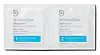
This smoothing exfoliator is formulated around Lactic Acid and Mandelic Acid to refine skin texture and brighten dull-looking skin.
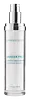
This barrier-repair moisturizer is formulated around Squalane and Lactobacillus Ferment to strengthen the skin barrier and hydrate skin.

What's inside
What's inside
 Key Ingredients
Benefits
Concerns
Ingredients Side-by-side
Water
Skin ConditioningHamamelis Virginiana Water
Astringent



Polysorbate 20
Emulsifying
Lactic Acid
Buffering







Mandelic Acid
Antimicrobial
Salix Alba Bark Extract
Astringent
Camellia Sinensis Leaf Extract
Antimicrobial


Achillea Millefolium Extract
CleansingAnthemis Nobilis Flower Extract
Masking
Chamomilla Recutita Flower Extract
Masking
Saccharum Officinarum Extract
MoisturisingCitrus Aurantium Dulcis Fruit Extract
MaskingCitrus Limon Fruit Extract
Masking
Glycerin
Humectant
Soy Isoflavones
Skin ConditioningCopper PCA
HumectantZinc PCA
Humectant
Potassium Hydroxide
BufferingDisodium EDTA
ChelatingCitric Acid
Buffering
Caprylic/Capric Triglyceride
Masking
Cucumis Sativus Fruit Extract
Emollient
Citrus Limon Peel Extract
EmollientRose Extract
Skin ConditioningTriethyl Citrate
Masking
Pyrus Malus Fruit Extract
Skin Conditioning
Coriandrum Sativum Fruit/Leaf Extract
AntiseborrhoeicFucus Vesiculosus Extract
Emollient
Jasminum Officinale Flower/Leaf Extract
Masking
Prunus Persica Fruit Extract
Abrasive
Rosmarinus Officinalis Leaf Extract
AntimicrobialRubus Idaeus Fruit Extract
AstringentVaccinium Macrocarpon Fruit Extract
AstringentVanilla Planifolia Fruit Extract
Skin Conditioning
Citrus Aurantium Bergamia Fruit Extract
Skin ConditioningLavandula Angustifolia Flower/Leaf/Stem Extract
Masking
Benzoic Acid
Masking
Phenoxyethanol
Preservative
Sodium Benzoate
Masking
Sodium Bicarbonate
Abrasive
Sodium Hyaluronate
Humectant
Colloidal Oatmeal
Absorbent
Centella Asiatica Extract
Cleansing
Phospholipids
Skin Conditioning
Adenosine
Skin Conditioning
Resveratrol
Antioxidant
Ubiquinone
Antioxidant
Leuconostoc/Radish Root Ferment Filtrate
Antimicrobial
Sodium PCA
Humectant
Butylene Glycol
Humectant
Octoxynol-9
EmulsifyingTetrasodium EDTA
ChelatingPotassium Sorbate
Preservative
Water, Hamamelis Virginiana Water, Polysorbate 20, Lactic Acid, Mandelic Acid, Salix Alba Bark Extract, Camellia Sinensis Leaf Extract, Achillea Millefolium Extract, Anthemis Nobilis Flower Extract, Chamomilla Recutita Flower Extract, Saccharum Officinarum Extract, Citrus Aurantium Dulcis Fruit Extract, Citrus Limon Fruit Extract, Glycerin, Soy Isoflavones, Copper PCA, Zinc PCA, Potassium Hydroxide, Disodium EDTA, Citric Acid, Caprylic/Capric Triglyceride, Cucumis Sativus Fruit Extract, Citrus Limon Peel Extract, Rose Extract, Triethyl Citrate, Pyrus Malus Fruit Extract, Coriandrum Sativum Fruit/Leaf Extract, Fucus Vesiculosus Extract, Jasminum Officinale Flower/Leaf Extract, Prunus Persica Fruit Extract, Rosmarinus Officinalis Leaf Extract, Rubus Idaeus Fruit Extract, Vaccinium Macrocarpon Fruit Extract, Vanilla Planifolia Fruit Extract, Citrus Aurantium Bergamia Fruit Extract, Lavandula Angustifolia Flower/Leaf/Stem Extract, Benzoic Acid, Phenoxyethanol, Sodium Benzoate, Sodium Bicarbonate, Sodium Hyaluronate, Colloidal Oatmeal, Centella Asiatica Extract, Phospholipids, Adenosine, Resveratrol, Ubiquinone, Leuconostoc/Radish Root Ferment Filtrate, Sodium PCA, Butylene Glycol, Octoxynol-9, Tetrasodium EDTA, Potassium Sorbate
Water
Skin ConditioningGlycerin
Humectant
Cetearyl Alcohol
Emollient


Isononyl Isononanoate
EmollientPyrus Malus Fruit Extract
Skin Conditioning
Potassium Cetyl Phosphate
EmulsifyingTribehenin
Emollient
Glyceryl Caprylate
EmollientSodium Polyacryloyldimethyl Taurate
Emulsion StabilisingDisodium Lauriminodipropionate Tocopheryl Phosphates
CleansingSqualane
Emollient
Lactobacillus Ferment
Skin Conditioning
Silica
Abrasive
Propanediol
Solvent
Trisodium Ethylenediamine Disuccinate
ChelatingCaprylic/Capric Triglyceride
Masking
Lycium Barbarum Fruit Extract
Astringent
Betaine
Humectant
Glyceryl Undecylenate
Emollient
Cetyl Palmitate
Emollient
Sorbitan Stearate
Emulsifying
Polysorbate 80
Emulsifying
Opuntia Ficus-Indica Stem Extract
Skin Conditioning
Calcium Gluconate
HumectantGluconolactone
Chelating
Tremella Fuciformis Sporocarp Extract
Antioxidant
Sodium Hyaluronate
Humectant
Citric Acid
Buffering
Hydrogenated Lecithin
Emulsifying
Glucose
Humectant
Hydrolyzed Pea Protein
EmollientTocopherol
Antioxidant
Sodium Chloride
MaskingPalmitoyl Tetrapeptide-10
Skin Conditioning
Sodium Succinate
BufferingPhenoxyethanol
Preservative
Sodium Benzoate
Masking
Benzoic Acid
Masking
Dehydroacetic Acid
Preservative
Water, Glycerin, Cetearyl Alcohol, Isononyl Isononanoate, Pyrus Malus Fruit Extract, Potassium Cetyl Phosphate, Tribehenin, Glyceryl Caprylate, Sodium Polyacryloyldimethyl Taurate, Disodium Lauriminodipropionate Tocopheryl Phosphates, Squalane, Lactobacillus Ferment, Silica, Propanediol, Trisodium Ethylenediamine Disuccinate, Caprylic/Capric Triglyceride, Lycium Barbarum Fruit Extract, Betaine, Glyceryl Undecylenate, Cetyl Palmitate, Sorbitan Stearate, Polysorbate 80, Opuntia Ficus-Indica Stem Extract, Calcium Gluconate, Gluconolactone, Tremella Fuciformis Sporocarp Extract, Sodium Hyaluronate, Citric Acid, Hydrogenated Lecithin, Glucose, Hydrolyzed Pea Protein, Tocopherol, Sodium Chloride, Palmitoyl Tetrapeptide-10, Sodium Succinate, Phenoxyethanol, Sodium Benzoate, Benzoic Acid, Dehydroacetic Acid
Reviews
Ingredients Explained
These ingredients are found in both products.
Ingredients higher up in an ingredient list are typically present in a larger amount.
Benzoic Acid is an organic acid that shows up in cosmetics as a preservative. It helps keep a product from spoiling by holding back the growth of yeast, mold, and some bacteria.
This ingredient also functions as a fragrance ingredient that helps mask the unpleasant scent of other ingredients.
The way it works is worth understanding; benzoic acid works when the formula is acidic. It is able to sneak into a microbe's cell and mess up how it functions to stop it from growing in an acidic product.
However, the acid switches to an inactive form and stops working if a product isn't acidic enough (above ~5 pH). This is why you'll often see it in low pH products or teamed up with other preservatives to cover the gap.
Safety wise, it's one of the better studied preservatives out there.
The Cosmetic Ingredient Review Expert Panel has concluded this ingredient to be safe for use in cosmetic formulations at concentrations up to 5%.
A large international review found this ingredient had no effects on the human body and had low irritation potential.
Just so you know, real world use is usually much lower than the 5% ceiling (usually 1% of less).
The EU caps it at 2.5% in rinse-off products, 1.7% in oral care, and 0.5% in leave-on products.
One thing worth mentioning (it's nothing to worry about): some people get a little stinging or flushing where they apply it. This isn't a true allergy; it's a temporary and harmless reaction. This is the same kind of mild tingle you might notice from sorbic acid.
Learn more about Benzoic AcidCaprylic/Capric Triglyceride (aka MCT Oil) is a lightweight emollient, solvent, and texture enhancer. It is considered a skin-softener by helping to prevent moisture loss.
Though it behaves like an oil, it is not technically one due to its chemical composition. One perk of this ingredient is that it is very stable, resistant to oxidation, and unlikely to go rancid.
In practice, that translates to a long shelf life and a consistently elegant skin feel.
While there is an assumption Caprylic Triglyceride can clog pores due to it being derived from coconut oil, there is no research supporting this. Just patch test if you have concerns.
Fractionated coconut oil and MCT Oil are both listed as Caprylic/Capric Triglyceride according to INCI. This is because INCI names are based on the ingredient’s final chemical composition and not its marketing name or source.
This ingredient is treated as the gold standard fungal acne safe oil. Even though it is coconut derived, the problematic lauric acid is stripped out.
This leaves just caprylic (C8) and capric (C10) acid. These chain lengths actually trend antifungal; a 2020 study found caprylic acid was enough to disrupt Malassezia furfur cell membrane, with a caprylic acid derivative damaging membrane structures at concentrations as low as 0.2%.
Learn more about Caprylic/Capric TriglycerideCitric Acid is an alpha hydroxy acid (AHA) naturally found in citrus fruits like oranges, lemons, and limes.
Like other AHAs, citric acid can exfoliate skin by breaking down the bonds that hold dead skin cells together. This helps reveal smoother and brighter skin underneath.
However, this exfoliating effect only happens at high concentrations (20%) which can be hard to find in cosmetic products.
Due to this, citric acid is usually included in small amounts as a pH adjuster. This helps keep products slightly more acidic and compatible with skin's natural pH.
In skincare formulas, citric acid can:
While it can provide some skin benefits, research shows lactic acid and glycolic acid are generally more effective and less irritating exfoliants.
Most citric acid used in skincare today is made by fermenting sugars (usually from molasses). This synthetic version is identical to the natural citrus form but easier to stabilize and use in formulations.
Rosacea skin has a lower threshold for acids generally, with 62.5% of rosacea subjects in one study reacting to lactic acid in a sting test. This is why we mark citric acid as a potential rosacea trigger.
However, this ingredient shows up as a pH adjuster or chelator at roughly 0.1-1% in many products. These low levels are unlikely to be an issue for rosacea skin and becomes a potential trigger at exfoliating concentrations (20%). Because everybody's skin is unique, we recommend a patch test if you are unsure.
Learn more about Citric AcidGlycerin (or glycerol) is a compound naturally found in your skin. It's a powerhouse humectant that pulls water into the stratum corneum.
Topically, glycerin does several things at once:
Your skin makes glycerin on its own (mostly from sebaceous oil breakdown) and shuttles it to your outermost layer of skin, or your epidermis, via aquaporin-3.
Aquaporin-3 is a transporter that is essential for normal skin hydration, elasticity, and repair. Interestingly, mice lacking in AQP3 have dry and less elastic skin that can be fully corrected with glycerin.
This ingredient is non-irritating, plays well with almost every ingredient, and works across all skin types. Typical use is anywhere between 3-10% but can go up to 79% in some leave-on products.
Just know very high concentrations (>40%) can feel tacky in low humidity.
Glycerin is the name for this ingredient in American English. British English uses Glycerol/Glycerine.
Learn more about GlycerinPhenoxyethanol is one of the most widely used preservatives in skincare (and for good reason!).
It has a large spectrum of antimicrobial activity and especially effective bacteria, yeast, and mold while only having a weak effect on your skin's natural microbiome.
On a cellular level, it disrupts the cell membranes of microbes by poking holes that make the cell leak. This shuts down the chemical reactions the microbe needs to make energy so it can no longer survive.
Another perk of this ingredient is that it stays functional across a wide pH range (3-10).
You'll often see it paired with boosters like Ethylhexylglycerin; one study showed that a 1:9 ratio of Ethylhexylglycerin to Phenoxyethanol damages bacterial membranes as effectively as doubling the Phenoxyethanol concentration on its own.
Typical use concentrations range from 0.3-1% depending on the formula, and this ingredient is capped at 1% int the EU.
Safety-wise, the fear mongering does not hold up to the evidence. The EU's Scientific Committee on Consumer Safety and FDA consider it safe as a preservative at up to 1%, including for children of all ages.
Adverse systemic effects only showed up in animal studies at exposures roughly 200x higher than what people get from cosmetics. And despite its very widespread use, this ingredient is a rare sensitizer and allergic reactions are uncommon.
Learn more about PhenoxyethanolPyrus Malus Fruit Extract is extract from Apples. Apples are rich in Vitamin C, sugars, and antioxidants.
The sugar in Apples are humectants and help hydrate the skin. On top of that, apples also contain some acids, such as malic acid. These acids may have a mild exfoliating effect.
Last, the phytochemicals found in apples are strong antioxidants. These antioxidants help with anti-aging as they protect your skin cells against oxidative damage.
Learn more about Pyrus Malus Fruit ExtractSodium Benzoate is a preservative. It's used in both cosmetic and food products to inhibit the growth of mold and bacteria. It is typically produced synthetically.
Both the US FDA and EU Health Committee have approved the use of sodium benzoate. In the US, levels of 0.1% (of the total product) are allowed.
Sodium benzoate works as a preservative by inhibiting the growth of bacteria inside of cells. It prevents the cell from fermenting a type of sugar using an enzyme called phosphofructokinase.
It is the salt of benzoic acid. Foods containing sodium benzoate include soda, salad dressings, condiments, fruit juices, wines, and snack foods.
Studies for using ascorbic acid and sodium benzoate in cosmetics are lacking, especially in skincare routines with multiple steps.
We always recommend speaking with a professional, such as a dermatologist, if you have any concerns.
Learn more about Sodium BenzoateSodium Hyaluronate is the salt form of hyaluronic acid. It is a long sugar chain that is naturally found in your skin, joints, and connective tissue that maintains hydration and elasticity.
In skincare, it works as a humectant. It pulls water from the environment and deeper layers of skin and binds it to the surface.
Interestingly, the size of the molecule affects its behavior:
Some clinical evidence links low molecular weight versions to improved wrinkle depth, elasticity, anti-inflammatory effects, and barrier repair.
Many serums use a blend of both weights so you can get surface hydration plus longer-lasting and deeper effects.
You'll typically see concentrations between 0.1-2% for this ingredient.
Learn more about Sodium HyaluronateWater. It's the most common cosmetic ingredient of all. You'll usually see it at the top of ingredient lists, meaning that it makes up the largest part of the product.
So why is it so popular? Water most often acts as a solvent - this means that it helps dissolve other ingredients into the formulation.
You'll also recognize water as that liquid we all need to stay alive. If you see this, drink a glass of water. Remember to stay hydrated!
Learn more about Water

