
What's inside
What's inside
 Key Ingredients
Benefits
Concerns
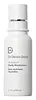
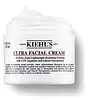
Ingredients Side-by-side
Squalane
Emollient


Ceramides

Bisabolol
Antioxidant



Alpha-Methyl-Beta-Ionone
Perfuming
Water
Skin ConditioningLactic Acid
Buffering







Glycolic Acid
Buffering

Polyacrylate Crosspolymer-6
Emulsion StabilisingC13-15 Alkane
SolventMethyl Gluceth-20
Humectant
C15-19 Alkane
SolventPropanediol
Solvent
Glycerin
Humectant
Caprylic/Capric Triglyceride
Masking
Potassium Hydroxide
BufferingSodium Hydroxide
BufferingSodium PCA
Humectant
Ceramide NP
Skin Conditioning
Sodium Hyaluronate
Humectant
Saccharide Isomerate
Humectant
Malic Acid
Buffering
Mandelic Acid
Antimicrobial
Salicylic Acid
Masking


Phytic Acid
Salix Alba Bark Extract
Astringent
Citric Acid
Buffering
Tartaric Acid
Buffering
Farnesol
Perfuming

Rehmannia Glutinosa Root Extract
Skin ConditioningSanguisorba Officinalis Root Extract
CleansingCinnamomum Cassia Bark Extract
Masking
Zingiber Officinale Root Extract
Masking
Jojoba Esters
Emollient
Aloe Barbadensis Leaf Juice
Skin Conditioning
Tocopherol
Antioxidant
Hydroxyethyl Urea
Humectant
Ethylhexyl Palmitate
Emollient

Dimethicone
Emollient
Butylene Glycol
Humectant
Ethylhexyl Olivate
Skin Conditioning
Isoamyl Laurate
Emollient
Isohexadecane
EmollientDicaprylyl Ether
Emollient
Dimethiconol
Emollient
Caprylyl Glycol
Emollient
Glycereth-26
Humectant
Polymethylsilsesquioxane
Ammonium Acryloyldimethyltaurate/Vp Copolymer
Polysorbate 20
Emulsifying
Polysorbate 60
Emulsifying
Jasminum Officinale Flower/Leaf Extract
Masking
Cucumis Sativus Fruit Extract
Emollient
Eugenia Caryophyllus Flower Extract
AstringentPyrus Malus Fruit Extract
Skin Conditioning
Cucumis Melo Fruit Extract
Skin ConditioningRose Extract
Skin ConditioningRubus Idaeus Fruit Extract
AstringentLavandula Angustifolia Flower/Leaf/Stem Extract
Masking
Elettaria Cardamomum Seed Extract
Perfuming
Santalum Album Wood Extract
Perfuming
Phenoxyethanol
Preservative
Potassium Sorbate
Preservative
CI 77891
Cosmetic ColorantMica
Cosmetic ColorantSqualane, Ceramides, Bisabolol, Alpha-Methyl-Beta-Ionone, Water, Lactic Acid, Glycolic Acid, Polyacrylate Crosspolymer-6, C13-15 Alkane, Methyl Gluceth-20, C15-19 Alkane, Propanediol, Glycerin, Caprylic/Capric Triglyceride, Potassium Hydroxide, Sodium Hydroxide, Sodium PCA, Ceramide NP, Sodium Hyaluronate, Saccharide Isomerate, Malic Acid, Mandelic Acid, Salicylic Acid, Phytic Acid, Salix Alba Bark Extract, Citric Acid, Tartaric Acid, Farnesol, Rehmannia Glutinosa Root Extract, Sanguisorba Officinalis Root Extract, Cinnamomum Cassia Bark Extract, Zingiber Officinale Root Extract, Jojoba Esters, Aloe Barbadensis Leaf Juice, Tocopherol, Hydroxyethyl Urea, Ethylhexyl Palmitate, Dimethicone, Butylene Glycol, Ethylhexyl Olivate, Isoamyl Laurate, Isohexadecane, Dicaprylyl Ether, Dimethiconol, Caprylyl Glycol, Glycereth-26, Polymethylsilsesquioxane, Ammonium Acryloyldimethyltaurate/Vp Copolymer, Polysorbate 20, Polysorbate 60, Jasminum Officinale Flower/Leaf Extract, Cucumis Sativus Fruit Extract, Eugenia Caryophyllus Flower Extract, Pyrus Malus Fruit Extract, Cucumis Melo Fruit Extract, Rose Extract, Rubus Idaeus Fruit Extract, Lavandula Angustifolia Flower/Leaf/Stem Extract, Elettaria Cardamomum Seed Extract, Santalum Album Wood Extract, Phenoxyethanol, Potassium Sorbate, CI 77891, Mica
Water
Skin ConditioningGlycerin
Humectant
Dimethicone
Emollient
Squalane
Emollient
Bis-PEG-18 Methyl Ether Dimethyl Silane
EmollientSucrose Stearate
EmollientStearyl Alcohol
Emollient
PEG-8 Stearate
Emulsifying
Myristyl Myristate
Emollient
Prunus Armeniaca Kernel Oil
Masking
Phenoxyethanol
Preservative
Persea Gratissima Oil
Skin Conditioning
Glyceryl Stearate
Emollient
Cetyl Alcohol
Emollient
Oryza Sativa Bran Oil
Emollient
Olea Europaea Fruit Oil
Masking
Chlorphenesin
Antimicrobial
Stearic Acid
Cleansing
Palmitic Acid
Emollient
Carbomer
Emulsion StabilisingAcrylates/C10-30 Alkyl Acrylate Crosspolymer
Emulsion StabilisingTrisodium Ethylenediamine Disuccinate
Prunus Amygdalus Dulcis Oil
Skin Conditioning
Xanthan Gum
EmulsifyingEthylhexylglycerin
Skin ConditioningSodium Hydroxide
BufferingTocopherol
Antioxidant
Glycine Soja Oil
Emollient
Pseudoalteromonas Ferment Extract
Humectant
Myristic Acid
Cleansing
Hydroxypalmitoyl Sphinganine
Skin Conditioning
Salicylic Acid
Masking
Helianthus Annuus Seed Oil
Emollient
Rosmarinus Officinalis Leaf Extract
AntimicrobialCitric Acid
Buffering
Water, Glycerin, Dimethicone, Squalane, Bis-PEG-18 Methyl Ether Dimethyl Silane, Sucrose Stearate, Stearyl Alcohol, PEG-8 Stearate, Myristyl Myristate, Prunus Armeniaca Kernel Oil, Phenoxyethanol, Persea Gratissima Oil, Glyceryl Stearate, Cetyl Alcohol, Oryza Sativa Bran Oil, Olea Europaea Fruit Oil, Chlorphenesin, Stearic Acid, Palmitic Acid, Carbomer, Acrylates/C10-30 Alkyl Acrylate Crosspolymer, Trisodium Ethylenediamine Disuccinate, Prunus Amygdalus Dulcis Oil, Xanthan Gum, Ethylhexylglycerin, Sodium Hydroxide, Tocopherol, Glycine Soja Oil, Pseudoalteromonas Ferment Extract, Myristic Acid, Hydroxypalmitoyl Sphinganine, Salicylic Acid, Helianthus Annuus Seed Oil, Rosmarinus Officinalis Leaf Extract, Citric Acid
Reviews
Ingredients Explained
These ingredients are found in both products.
Ingredients higher up in an ingredient list are typically present in a larger amount.
Citric Acid is an alpha hydroxy acid (AHA) naturally found in citrus fruits like oranges, lemons, and limes.
Like other AHAs, citric acid can exfoliate skin by breaking down the bonds that hold dead skin cells together. This helps reveal smoother and brighter skin underneath.
However, this exfoliating effect only happens at high concentrations (20%) which can be hard to find in cosmetic products.
Due to this, citric acid is usually included in small amounts as a pH adjuster. This helps keep products slightly more acidic and compatible with skin's natural pH.
In skincare formulas, citric acid can:
While it can provide some skin benefits, research shows lactic acid and glycolic acid are generally more effective and less irritating exfoliants.
Most citric acid used in skincare today is made by fermenting sugars (usually from molasses). This synthetic version is identical to the natural citrus form but easier to stabilize and use in formulations.
Read more about some other popular AHA's here:
Learn more about Citric AcidDimethicone is a type of synthetic silicone created from natural materials such as quartz. It is also known as polydimethylsiloxane.
What it does:
Dimethicone comes in different viscosities:
Depending on the viscosity, dimethicone has different properties.
Ingredients lists don't always show which type is used, so we recommend reaching out to the brand if you have questions about the viscosity.
This ingredient is unlikely to cause irritation because it does not get absorbed into skin. However, people with silicone allergies should be careful about using this ingredient.
Note: Dimethicone may contribute to pilling. This is because it is not oil or water soluble, so pilling may occur when layered with products. When mixed with heavy oils in a formula, the outcome is also quite greasy.
Learn more about DimethiconeGlycerin (or glycerol) is a compound naturally found in your skin. It's a powerhouse humectant that pulls water into the stratum corneum.
Topically, glycerin does several things at once:
Your skin makes glycerin on its own (mostly from sebaceous oil breakdown) and shuttles it to your outermost layer of skin, or your epidermis, via aquaporin-3.
Aquaporin-3 is a transporter that is essential for normal skin hydration, elasticity, and repair. Interestingly, mice lacking in AQP3 have dry and less elastic skin that can be fully corrected with glycerin.
This ingredient is non-irritating, plays well with almost every ingredient, and works across all skin types. Typical use is anywhere between 3-10% but can go up to 79% in some leave-on products.
Just know very high concentrations (>40%) can feel tacky in low humidity.
Glycerin is the name for this ingredient in American English. British English uses Glycerol/Glycerine.
Learn more about GlycerinPhenoxyethanol is one of the most widely used preservatives in skincare (and for good reason!).
It has a large spectrum of antimicrobial activity and especially effective bacteria, yeast, and mold while only having a weak effect on your skin's natural microbiome.
On a cellular level, it disrupts the cell membranes of microbes by poking holes that make the cell leak. This shuts down the chemical reactions the microbe needs to make energy so it can no longer survive.
Another perk of this ingredient is that it stays functional across a wide pH range (3-10).
You'll often see it paired with boosters like Ethylhexylglycerin; one study showed that a 1:9 ratio of Ethylhexylglycerin to Phenoxyethanol damages bacterial membranes as effectively as doubling the Phenoxyethanol concentration on its own.
Typical use concentrations range from 0.3-1% depending on the formula, and this ingredient is capped at 1% int the EU.
Safety-wise, the fear mongering does not hold up to the evidence. The EU's Scientific Committee on Consumer Safety and FDA consider it safe as a preservative at up to 1%, including for children of all ages.
Adverse systemic effects only showed up in animal studies at exposures roughly 200x higher than what people get from cosmetics. And despite its very widespread use, this ingredient is a rare sensitizer and allergic reactions are uncommon.
Learn more about PhenoxyethanolSalicylic Acid (also known as beta hydroxy acid or BHA) is a well-known ingredient for treating skin that struggles with acne and clogged pores. It exfoliates both the skin's surface and deep within the pores to help clear out buildup, control oil, and reduce inflammation.
Unlike AHAs (alpha hydroxy acids), salicylic acid is oil-soluble. This allows it to penetrate into pores which makes it especially effective for treating blackheads and preventing future breakouts.
Salicylic acid is also known for its soothing properties. It has a similar structure to aspirin and can calm inflamed or irritated skin, making it a good option for acne-prone skin that is also sensitive.
Concentrations of 0.5-2% are recognized by the U.S. FDA as an over-the-counter topical acne product.
It can cause irritation and/or dryness if one's skin already has a compromised moisture barrier, so it's best to focus on repairing that before introducing this ingredient into your routine.
While salicylic acid does not increase sun sensitivity, it’s still important to wear sunscreen daily to protect your skin.
If you are looking for the ingredient called BHA or Butylated Hydroxyanisole, click here.
Learn more about Salicylic AcidSodium Hydroxide is also known as lye or caustic soda. It is used to adjust the pH of products; many ingredients require a specific pH to be effective.
In small amounts, sodium hydroxide is considered safe to use. However, large amounts may cause chemical burns due to its high alkaline.
Your skin has a natural pH and acid mantle. This acid mantle helps prevent harmful bacteria from breaking through. The acid mantle also helps keep your skin hydrated.
"Alkaline" refers to a high pH level. A low pH level would be considered acidic.
Learn more about Sodium HydroxideSqualane is the hydrogenated and shelf-stable form of squalene (a lipid that naturally occurs in human sebum).
It is an emollient and skin conditioning agent that is able to integrate seamlessly into the skin's lipid barrier without clogging pores.
This is due to how structurally similar it is to what your skin already produces.
Though it is mostly an emollient that helps soften and hydrate skin, it also has some humectant and occlusive action. Humectants help the skin retain moisture while occlusives seal it in, making squalane a triple-threat moisturizer.
Research shows it has antioxidant capabilities that help protect against stressors like UV exposure, specifically UVA induced oxidative stress. This study also found that it supports collagen biosynthesis in human dermal fibroblasts.
No clinical study has reported significant adverse effects and irritation reactions are very rare from this ingredient (even at 100% concentration).
Overall, it's a fantastic ingredient for hydration and is suitable for all skin types.
This depends on the source. Squalane can be derived from both plants and animals. Most squalane used in skincare comes from plants.
Please note: the source of squalane is only known if disclosed by the brand. We recommend reaching out to the brand if you have any questions about their squalane.
Read more about squalene with an "e".
Though squalane is often called an oil, it’s technically not one. It is a hydrocarbon, meaning it is only made of carbon and hydrogen. True oils are triglycerides and made of fatty acids and glycerol.
The term “oil-free” isn’t regulated so companies can define it however they want. Some exclude all oils, while others just avoid mineral oil or comedogenic oils.
Squalane has a comedogenic rating of 1 from the original 1972 study that tested raw ingredients under occlusion on rabbit ears. This system is not standardized or peer-reviewed, and using the raw ingredients is very different from how diluted cosmetic formulations are used on human skin.
A comedogenic rating of 1 means it is "unlikely to clog pores" according to the original rating system.
The overall formula of a product matters more than the individual ingredients on whether or not it will cause clogged pores.
Learn more about SqualaneTocopherol is a fat-soluble antioxidant known as Vitamin E.
You'll find this ingredient in the vast majority of skincare (for good reason). It works to neutralize free radicals, or unstable molecules generated by UV exposure, pollution, and other environmental stressors, before they can cause oxidative damage to your skin cells.
Topically applied tocopherol has been shown to protect against UV damage by ramping up the skin's own natural defense enzymes.
It also acts as a skin conditioning agent; some studies show that regular topical use can improve the skin's water-binding capacity over 2-4 weeks.
This ingredient is especially loved for being a team player. When combined with Vitamin C, the photoprotective effect of both ingredients roughly doubles and the combo also helps reduce UV-induced DNA damage.
This ingredient has some brightening potential but it's more of a prevention ingredient than spot-fader. Cell studies show it can slow down melanin production but it's worth noting that it's not the most powerful brightener out there.
In formulations, it also serves as a stabilizer that helps protect other oxidation-prone ingredients from degrading.
Concentrations usually range from 0.1-1% in most leave-on products.
Learn more about TocopherolWater. It's the most common cosmetic ingredient of all. You'll usually see it at the top of ingredient lists, meaning that it makes up the largest part of the product.
So why is it so popular? Water most often acts as a solvent - this means that it helps dissolve other ingredients into the formulation.
You'll also recognize water as that liquid we all need to stay alive. If you see this, drink a glass of water. Remember to stay hydrated!
Learn more about Water

