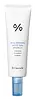
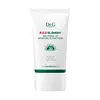
Dr.Ceuracle Hyal Reyouth Moist Sun SPF 50+ PA++++ Versus Dr.G R.E.D Blemish Soothing Up Moisture Sunscreen SPF30
This chemical sunscreen covers the full UV range and blocks ~98% of UVB at SPF 50.
This chemical sunscreen covers most of the UV range, lighter on the deep UVA that drives aging.

What's inside
What's inside
 Key Ingredients
Benefits
Concerns
Ingredients Side-by-side
Water
Skin ConditioningDibutyl Adipate
EmollientPropanediol
Solvent

Ethylhexyl Triazone
UV Absorber
Terephthalylidene Dicamphor Sulfonic Acid
UV Absorber
Polyglyceryl-3 Distearate
Emulsifying

Niacinamide
Smoothing










Tromethamine
Buffering1,2-Hexanediol
Skin Conditioning
Pentylene Glycol
Skin Conditioning
Polysilicone-15
UV Filter
Diethylamino Hydroxybenzoyl Hexyl Benzoate
UV Filter
Cetearyl Alcohol
Emollient




Glyceryl Stearate
Emollient
Bis-Ethylhexyloxyphenol Methoxyphenyl Triazine
UV Absorber
Glycerin
Humectant
Carbomer
Emulsion StabilisingParfum
Masking


Ammonium Acryloyldimethyltaurate/Vp Copolymer
Glyceryl Stearate Citrate
Emollient
Inulin Lauryl Carbamate
Emulsion StabilisingAcrylates/C10-30 Alkyl Acrylate Crosspolymer
Emulsion StabilisingSodium Stearoyl Glutamate
CleansingSodium Hyaluronate
Humectant
Ethylhexylglycerin
Skin ConditioningAdenosine
Skin Conditioning
Methylpropanediol
SolventPolyether-1
Panthenol
Skin Conditioning
Tocopherol
Antioxidant

Biosaccharide Gum-1
Humectant
Fructan
Skin ConditioningButylene Glycol
Humectant
Hydrolyzed Hyaluronic Acid
Humectant
Hydrolyzed Sodium Hyaluronate
Skin Conditioning
Dimethylsilanol Hyaluronate
Humectant
Hyaluronic Acid
Humectant
Potassium Hyaluronate
Skin ConditioningHydroxypropyltrimonium Hyaluronate
Sodium Hyaluronate Crosspolymer
Humectant
Sodium Acetylated Hyaluronate
Humectant
Sodium Hyaluronate Dimethylsilanol
HumectantWater, Dibutyl Adipate, Propanediol, Ethylhexyl Triazone, Terephthalylidene Dicamphor Sulfonic Acid, Polyglyceryl-3 Distearate, Niacinamide, Tromethamine, 1,2-Hexanediol, Pentylene Glycol, Polysilicone-15, Diethylamino Hydroxybenzoyl Hexyl Benzoate, Cetearyl Alcohol, Glyceryl Stearate, Bis-Ethylhexyloxyphenol Methoxyphenyl Triazine, Glycerin, Carbomer, Parfum, Ammonium Acryloyldimethyltaurate/Vp Copolymer, Glyceryl Stearate Citrate, Inulin Lauryl Carbamate, Acrylates/C10-30 Alkyl Acrylate Crosspolymer, Sodium Stearoyl Glutamate, Sodium Hyaluronate, Ethylhexylglycerin, Adenosine, Methylpropanediol, Polyether-1, Panthenol, Tocopherol, Biosaccharide Gum-1, Fructan, Butylene Glycol, Hydrolyzed Hyaluronic Acid, Hydrolyzed Sodium Hyaluronate, Dimethylsilanol Hyaluronate, Hyaluronic Acid, Potassium Hyaluronate, Hydroxypropyltrimonium Hyaluronate, Sodium Hyaluronate Crosspolymer, Sodium Acetylated Hyaluronate, Sodium Hyaluronate Dimethylsilanol
Water
Skin ConditioningHomosalate
Skin Conditioning
Ethylhexyl Salicylate
UV Absorber
Butyloctyl Salicylate
Skin Conditioning
Propanediol
Solvent
Benzotriazolyl Dodecyl P-Cresol
UV AbsorberButyl Methoxydibenzoylmethane
UV Absorber
Butylene Glycol
Humectant
Acrylates Copolymer
Zea Mays Starch
Absorbent
Xylitol
Humectant
Caesalpinia Spinosa Fruit Extract
Skin ProtectingKappaphycus Alvarezii Extract
Skin Conditioning
Buddleja Officinalis Flower Extract
UV FilterCentella Asiatica Leaf Extract
Skin Conditioning
Lactobacillus Ferment
Skin Conditioning
Lactobacillus/Soybean Ferment Extract
Skin ConditioningLeuconostoc/Radish Root Ferment Filtrate
Antimicrobial
Yeast Ferment Extract
Skin ConditioningPinus Pinaster Bark Extract
Antioxidant
Centella Asiatica Extract
Cleansing
Pentylene Glycol
Skin Conditioning
1,2-Hexanediol
Skin Conditioning
Hydroxyacetophenone
Antioxidant
Ammonium Acryloyldimethyltaurate/Vp Copolymer
Polyamide-8
EmollientAcrylates/C10-30 Alkyl Acrylate Crosspolymer
Emulsion StabilisingHydroxypropyl Methylcellulose
Emulsion StabilisingButylene Glycol Dicaprylate/Dicaprate
EmollientTromethamine
BufferingHydroxypropyl Methylcellulose Stearoxy Ether
Polyacrylate Crosspolymer-6
Emulsion StabilisingPentaerythrityl Tetra-Di-T-Butyl Hydroxyhydrocinnamate
Antioxidant
Azelaic Acid
Buffering
Sodium Stearoyl Glutamate
CleansingZinc PCA
Humectant
Fructooligosaccharides
Humectant
Hyaluronic Acid/Polyisopropylacrylamide Copolymer
Humectant
Ethylhexylglycerin
Skin ConditioningMadecassoside
Antioxidant
Panthenol
Skin Conditioning
Asiaticoside
Antioxidant
Madecassic Acid
Skin Conditioning
Asiatic Acid
Skin Conditioning
Cetyl Alcohol
Emollient
Disodium EDTA
Xanthan Gum
EmulsifyingWater, Homosalate, Ethylhexyl Salicylate, Butyloctyl Salicylate, Propanediol, Benzotriazolyl Dodecyl P-Cresol, Butyl Methoxydibenzoylmethane, Butylene Glycol, Acrylates Copolymer, Zea Mays Starch, Xylitol, Caesalpinia Spinosa Fruit Extract, Kappaphycus Alvarezii Extract, Buddleja Officinalis Flower Extract, Centella Asiatica Leaf Extract, Lactobacillus Ferment, Lactobacillus/Soybean Ferment Extract, Leuconostoc/Radish Root Ferment Filtrate, Yeast Ferment Extract, Pinus Pinaster Bark Extract, Centella Asiatica Extract, Pentylene Glycol, 1,2-Hexanediol, Hydroxyacetophenone, Ammonium Acryloyldimethyltaurate/Vp Copolymer, Polyamide-8, Acrylates/C10-30 Alkyl Acrylate Crosspolymer, Hydroxypropyl Methylcellulose, Butylene Glycol Dicaprylate/Dicaprate, Tromethamine, Hydroxypropyl Methylcellulose Stearoxy Ether, Polyacrylate Crosspolymer-6, Pentaerythrityl Tetra-Di-T-Butyl Hydroxyhydrocinnamate, Azelaic Acid, Sodium Stearoyl Glutamate, Zinc PCA, Fructooligosaccharides, Hyaluronic Acid/Polyisopropylacrylamide Copolymer, Ethylhexylglycerin, Madecassoside, Panthenol, Asiaticoside, Madecassic Acid, Asiatic Acid, Cetyl Alcohol, Disodium EDTA, Xanthan Gum
Reviews
Ingredients Explained
These ingredients are found in both products.
Ingredients higher up in an ingredient list are typically present in a larger amount.
1,2-Hexanediol is a synthetic liquid and another multi-functional powerhouse.
It is a:
- Humectant, drawing moisture into the skin
- Emollient, helping to soften skin
- Solvent, dispersing and stabilizing formulas
- Preservative booster, enhancing the antimicrobial activity of other preservatives
Acrylates/C10-30 Alkyl Acrylate Crosspolymer is a synthetic polymer. It is used to thicken, emulsify, and improve the texture of products.
As an emulsifier, it helps stabilize oil-in-water emulsions to give products an elegant feel when applied.
It can also form a thin protective film on skin. One study found that a formula using this polymer helped slow down how quickly other ingredients (like DEET) were absorbed through skin.
A 2024 study of over 1,300 patients confirmed that sensitization to this ingredient is rare. It is also non-mutagenic and has a clean track record.
Learn more about Acrylates/C10-30 Alkyl Acrylate CrosspolymerAmmonium Acryloyldimethyltaurate/Vp Copolymer is a synthetically created polymer. It's used as a film-forming agent and used to thicken the consistency of products.
Think of it as a supportive ingredient that helps your gel-creams feel silky, "cloud cream-like", and spread evenly without being greasy.
The Cosmetic Ingredient Review (CIR) Expert Panel evaluated it (along with 22 other acryloyldimethyltaurate polymers) and concluded it's:
Due to its large molecular size, it sits on the surface of skin rather than penetrating it.
Learn more about Ammonium Acryloyldimethyltaurate/Vp CopolymerButylene Glycol (or BG) is used within cosmetic products for a few different reasons:
Overall, Butylene Glycol is a safe and well-rounded ingredient that works well with other ingredients.
Though this ingredient works well with most skin types, some people with sensitive skin may experience a reaction such as allergic rashes, closed comedones, or itchiness.
Learn more about Butylene GlycolEthylhexylglycerin is created from glycerin. It is a multitasker ingredient that:
The CIR Expert Panel found minimal skin absorption or sensitization of any kind in a safety assessment. Though this ingredient is considered well-tolerated, a small number of cases of allergic dermatitis have been published since 2002. Just be sure to patch test if you are unsure.
Industry-reported use ranges from 8% in rinse-off products and 2% in leave-on formulations.
Learn more about EthylhexylglycerinPanthenol is a common ingredient that helps hydrate and soothe the skin. It is found naturally in our skin and hair.
There are two forms of panthenol: D and L.
D-panthenol is also known as dexpanthenol. Most cosmetics use dexpanthenol or a mixture of D and L-panthenol.
Panthenol is famous due to its ability to go deeper into the skin's layers. Using this ingredient has numerous pros (and no cons):
Like hyaluronic acid, panthenol is a humectant. Humectants are able to bind and hold large amounts of water to keep skin hydrated.
This ingredient works well for wound healing. It works by increasing tissue in the wound and helps close open wounds.
Once oxidized, panthenol converts to pantothenic acid. Panthothenic acid is found in all living cells.
This ingredient is also referred to as pro-vitamin B5.
Learn more about PanthenolPentylene Glycol (1,2-pentanediol) is a multitasking little diol with three main roles in a formula:
Research on alkanediols (the family pentylene glycol belongs to) show they work by disrupting microbial cell membranes. This disruption helps the primary preservative system in a product work more effectively at lower doses.
On the safety side, the Cosmetic Ingredient Review Expert Panel has concluded this ingredient to be safe as used in current cosmetic practices + concentrations.
Typical use levels in a formula run about 1-5%.
Learn more about Pentylene GlycolPropanediol is an all-star ingredient. It softens, hydrates, and smooths the skin.
It’s often used to:
Propanediol is not likely to cause sensitivity and considered safe to use. It is derived from corn or petroleum with a clear color and no scent.
Learn more about PropanediolSodium Stearoyl Glutamate is an amino-acid based emulsifier. It is made by combining stearic acid with L-glutamic acid and neutralizing it to a sodium salt.
As an emulsifier, it works mainly as an oil-in-water one and helps keep the oil and water in your formulas blended. It also contributes to a smooth, non-greasy skin feel.
This ingredient is biodegradable and commonly available in natural/COSMOS-certified grades.
Learn more about Sodium Stearoyl GlutamateTromethamine (aka THAM) is a synthetic amino acid that shows up in skincare as a helper ingredient.
It functions as a pH adjuster to help neutralize acidic ingredients and set a formula's pH to the right spot.
This matters a lot because a lot of actives (like vitamin C) needs a specific pH to work well and feel comfortable on skin.
Concentration use ranges from 0.1-1.0% depending on the formula.
Learn more about TromethamineWater. It's the most common cosmetic ingredient of all. You'll usually see it at the top of ingredient lists, meaning that it makes up the largest part of the product.
So why is it so popular? Water most often acts as a solvent - this means that it helps dissolve other ingredients into the formulation.
You'll also recognize water as that liquid we all need to stay alive. If you see this, drink a glass of water. Remember to stay hydrated!
Learn more about Water

