

What's inside
What's inside
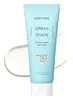 Key Ingredients
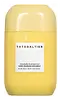
Benefits
Concerns
No concerns
Ingredients Side-by-side
Water
Skin ConditioningDibutyl Adipate
EmollientPropanediol
Solvent

Propylheptyl Caprylate
Emollient1,2-Hexanediol
Skin Conditioning
Ethylhexyl Triazone
UV Absorber
Polymethylsilsesquioxane

Bis-Ethylhexyloxyphenol Methoxyphenyl Triazine
Skin Conditioning
Methylene Bis-Benzotriazolyl Tetramethylbutylphenol
UV Filter
Butylene Glycol
Humectant
Diethylamino Hydroxybenzoyl Hexyl Benzoate
UV Filter
Polyglyceryl-3 Methylglucose Distearate
Emulsifying
Polypropylsilsesquioxane
Behenyl Alcohol
Emollient
Sodium Stearate
CleansingEthyl Glutamate
Skin ConditioningPoly C10-30 Alkyl Acrylate
Emulsion StabilisingTromethamine
BufferingDecyl Glucoside
Cleansing
Carbomer
Emulsion StabilisingPolyacrylate Crosspolymer-6
Emulsion StabilisingAcrylates/C10-30 Alkyl Acrylate Crosspolymer
Emulsion StabilisingXanthan Gum
EmulsifyingEthylhexylglycerin
Skin ConditioningZea Mays Oil
Emulsifying

Glycerin
Humectant
Disodium EDTA
Allantoin
Skin Conditioning

Ozothamnus Diosmifolius Extract
Panthenol
Skin Conditioning
Betula Platyphylla Japonica Juice
Skin Conditioning
Sea Water
HumectantTocopherol
Antioxidant




Aloe Barbadensis Leaf Extract
Emollient
Dioscorea Villosa Root Extract
Skin Conditioning
Macrocystis Pyrifera Extract
Skin Conditioning
Sodium Hyaluronate
Humectant
Ulmus Davidiana Root Extract
Skin Conditioning
Viola Odorata Flower Extract
MaskingCentella Asiatica Extract
Cleansing
Hydrolyzed Hyaluronic Acid
Humectant
Hydrolyzed Sodium Hyaluronate
Skin Conditioning
Melaleuca Alternifolia Leaf Extract
Perfuming
Hydroxypropyltrimonium Hyaluronate
Sodium Acetylated Hyaluronate
Humectant
Sodium Hyaluronate Crosspolymer
Humectant
Hyaluronic Acid
Humectant
Pentylene Glycol
Skin Conditioning
Asiatic Acid
Skin Conditioning
Asiaticoside
Antioxidant
Madecassic Acid
Skin Conditioning
Madecassoside
Antioxidant
Potassium Hyaluronate
Skin ConditioningWater, Dibutyl Adipate, Propanediol, Propylheptyl Caprylate, 1,2-Hexanediol, Ethylhexyl Triazone, Polymethylsilsesquioxane, Bis-Ethylhexyloxyphenol Methoxyphenyl Triazine, Methylene Bis-Benzotriazolyl Tetramethylbutylphenol, Butylene Glycol, Diethylamino Hydroxybenzoyl Hexyl Benzoate, Polyglyceryl-3 Methylglucose Distearate, Polypropylsilsesquioxane, Behenyl Alcohol, Sodium Stearate, Ethyl Glutamate, Poly C10-30 Alkyl Acrylate, Tromethamine, Decyl Glucoside, Carbomer, Polyacrylate Crosspolymer-6, Acrylates/C10-30 Alkyl Acrylate Crosspolymer, Xanthan Gum, Ethylhexylglycerin, Zea Mays Oil, Glycerin, Disodium EDTA, Allantoin, Ozothamnus Diosmifolius Extract, Panthenol, Betula Platyphylla Japonica Juice, Sea Water, Tocopherol, Aloe Barbadensis Leaf Extract, Dioscorea Villosa Root Extract, Macrocystis Pyrifera Extract, Sodium Hyaluronate, Ulmus Davidiana Root Extract, Viola Odorata Flower Extract, Centella Asiatica Extract, Hydrolyzed Hyaluronic Acid, Hydrolyzed Sodium Hyaluronate, Melaleuca Alternifolia Leaf Extract, Hydroxypropyltrimonium Hyaluronate, Sodium Acetylated Hyaluronate, Sodium Hyaluronate Crosspolymer, Hyaluronic Acid, Pentylene Glycol, Asiatic Acid, Asiaticoside, Madecassic Acid, Madecassoside, Potassium Hyaluronate
Water
Skin ConditioningZinc Oxide
Cosmetic Colorant

C12-15 Alkyl Benzoate
AntimicrobialCaprylic/Capric Triglyceride
Masking
Glycerin
Humectant
Phenylbenzimidazole Sulfonic Acid
UV Absorber
Methylene Bis-Benzotriazolyl Tetramethylbutylphenol
UV Filter
Diethylamino Hydroxybenzoyl Hexyl Benzoate
UV Filter
Diethylhexyl Butamido Triazone
UV Absorber
Sodium Polyacryloyldimethyl Taurate
Emulsion StabilisingCentella Asiatica Leaf Extract
Skin Conditioning
Bis-Ethylhexyloxyphenol Methoxyphenyl Triazine
Skin Conditioning
Titanium Dioxide
Cosmetic Colorant
Triethanolamine
BufferingPhenoxyethanol
Preservative
Hydrogenated Polydecene
EmollientHydroxydecyl Ubiquinone
Antioxidant
Trideceth-10
CleansingBeta-Glucan
Skin Conditioning
Honey Extract
Humectant
Ethylhexylglycerin
Skin ConditioningCitric Acid
Buffering

Ceramide EOP
Skin Conditioning
Ceramide Ns
Skin Conditioning
Ceramide NP
Skin Conditioning
Ceramide As
Skin Conditioning
Ceramide AP
Skin Conditioning
Hydrogenated Lecithin
Emulsifying
Cholesterol
Emollient
Glyceryl Stearate
Emollient
2,3-Butanediol
HumectantWater, Zinc Oxide, C12-15 Alkyl Benzoate, Caprylic/Capric Triglyceride, Glycerin, Phenylbenzimidazole Sulfonic Acid, Methylene Bis-Benzotriazolyl Tetramethylbutylphenol, Diethylamino Hydroxybenzoyl Hexyl Benzoate, Diethylhexyl Butamido Triazone, Sodium Polyacryloyldimethyl Taurate, Centella Asiatica Leaf Extract, Bis-Ethylhexyloxyphenol Methoxyphenyl Triazine, Titanium Dioxide, Triethanolamine, Phenoxyethanol, Hydrogenated Polydecene, Hydroxydecyl Ubiquinone, Trideceth-10, Beta-Glucan, Honey Extract, Ethylhexylglycerin, Citric Acid, Ceramide EOP, Ceramide Ns, Ceramide NP, Ceramide As, Ceramide AP, Hydrogenated Lecithin, Cholesterol, Glyceryl Stearate, 2,3-Butanediol
Reviews
Ingredients Explained
These ingredients are found in both products.
Ingredients higher up in an ingredient list are typically present in a larger amount.
This ingredient is better known as bemotrizinol or Tinosorb S and is one of the best broad-spectrum UV filters in modern sunscreen.
It works by absorbing UV light across a whole range (280-400 nm) with peaks around 310 nm (UVB) and 340-345 nm (UVA). This means it covers UVB plus the deeper UVA wavelengths that drive photoaging and pigmentation.
Another pro?
It's exceptionally photostable, barely degrades in sunlight, and acts as a "bodyguard" for less stable filters.
That's why you'll see it paired with avobenzone or octinoxate; this team up ensures they keep working through sun exposure.
Safety reviews have been reassuring across the board. This ingredient shows low absorption through the skin, rarely irritates, and lab studies found it doesn't act like a hormone in the body (a concern that's been raised about some older sunscreen filters).
On maximum concentrations:
In 2026, the US F.D.A finally added it as an OTC sunscreen ingredient at concentrations up to 6% for adults / children 6 months and older
Learn more about Bis-Ethylhexyloxyphenol Methoxyphenyl TriazineDiethylamino Hydroxybenzoyl Hexyl Benzoate (DHHB) is a chemical UV-A absorber. It is formulated for high UVA protection (320-400 nm).
DHHB is well-liked for:
DHHB has been approved by the EU, Japan, Taiwan, and South America for use up to 10%. Unfortunately, it has not been approved for use in the US or Canada due to slow regulatory processes.
This ingredient is soluble in oils, fats, and lipids.
Learn more about Diethylamino Hydroxybenzoyl Hexyl BenzoateEthylhexylglycerin is created from glycerin. It is a multitasker ingredient that:
The CIR Expert Panel found minimal skin absorption or sensitization of any kind in a safety assessment. Though this ingredient is considered well-tolerated, a small number of cases of allergic dermatitis have been published since 2002. Just be sure to patch test if you are unsure.
Industry-reported use ranges from 8% in rinse-off products and 2% in leave-on formulations.
Learn more about EthylhexylglycerinGlycerin (or glycerol) is a compound naturally found in your skin. It's a powerhouse humectant that pulls water into the stratum corneum.
Topically, glycerin does several things at once:
Your skin makes glycerin on its own (mostly from sebaceous oil breakdown) and shuttles it to your outermost layer of skin, or your epidermis, via aquaporin-3.
Aquaporin-3 is a transporter that is essential for normal skin hydration, elasticity, and repair. Interestingly, mice lacking in AQP3 have dry and less elastic skin that can be fully corrected with glycerin.
This ingredient is non-irritating, plays well with almost every ingredient, and works across all skin types. Typical use is anywhere between 3-10% but can go up to 79% in some leave-on products.
Just know very high concentrations (>40%) can feel tacky in low humidity.
Glycerin is the name for this ingredient in American English. British English uses Glycerol/Glycerine.
Learn more about GlycerinMethylene Bis-Benzotriazolyl Tetramethylbutylphenol (Tinosorb M) is a hybrid and broad-spectrum UV ingredient. It is both a UV absorber and filter.
UV absorbers are an agent that absorbs UV rays. They protect your skin by using chemical reactions to convert UV rays into heat and energy. UV filters physically reduce the amount of UV rays from reaching your skin.
Tinosorb M covers a range of 280-400 nm and is photostable. This ingredient is neither oil or water soluble.
Tinosorb M is not available in the US. However, it is available in the EU and Asia.
It's sister, Tinosorb S, is set to be approved in the US by late 2025 (fingers crossed!).
Learn more about Methylene Bis-Benzotriazolyl TetramethylbutylphenolWater. It's the most common cosmetic ingredient of all. You'll usually see it at the top of ingredient lists, meaning that it makes up the largest part of the product.
So why is it so popular? Water most often acts as a solvent - this means that it helps dissolve other ingredients into the formulation.
You'll also recognize water as that liquid we all need to stay alive. If you see this, drink a glass of water. Remember to stay hydrated!
Learn more about Water
