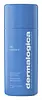
This smoothing exfoliator is formulated around Papain and Avena Sativa Kernel Extract to refine skin texture.
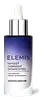
This smoothing overnight mask is formulated around Lactic Acid to refine skin texture and brighten dull-looking skin.


What's inside
What's inside
 Key Ingredients
Benefits
Concerns
Ingredients Side-by-side
Sodium Cocoyl Isethionate
Cleansing
Microcrystalline Cellulose
AbsorbentSodium Bicarbonate
Abrasive
Sorbitol
Humectant

Zea Mays Starch
Absorbent
Sodium Cocoyl Glutamate
Cleansing
Saccharomyces Ferment
Skin Conditioning

Oryza Sativa Starch
AbsorbentMagnesium Oxide
AbsorbentCitric Acid
Buffering

Tapioca Starch
Avena Sativa Kernel Protein
Skin ConditioningCamellia Oleifera Seed Extract
AstringentSilica
Abrasive
Cocos Nucifera Fruit Extract
Emollient

Inulin
Skin Conditioning
Cassia Hydroxypropyltrimonium Chloride
Silybum Marianum Seed Oil
Skin Conditioning
Kaolin
Abrasive
Lauryl Methacrylate/Glycol Dimethacrylate Crosspolymer
Papain
Skin Conditioning

Hyaluronic Acid
Humectant


Avena Sativa Kernel Extract
Abrasive

Helianthus Annuus Seed Oil
Emollient
Avena Sativa Bran Extract
Abrasive
Glycine Soja Oil
Emollient

Citrus Aurantium Dulcis Peel Extract
Emulsion Stabilising
Vitis Vinifera Fruit Extract
Skin ConditioningCitrus Aurantium Bergamia Fruit Oil
Masking

Aniba Rosodora Wood Oil
Astringent
Salvia Sclarea Oil
Masking
Eucalyptus Globulus Leaf Oil
Perfuming
Chamomilla Recutita Flower Oil
Masking
Cucurbita Pepo Fruit Extract
Skin Conditioning
Cucumis Sativus Fruit Extract
Emollient
Perilla Ocymoides Leaf Extract
TonicDaucus Carota Sativa Root Extract
Skin Conditioning
Sea Salt
Abrasive
Juniperus Virginiana Oil
Masking
Alpha-Glucan Oligosaccharide
Cleansing
Tocopherol
Antioxidant
Castoryl Maleate
Skin ConditioningCaprylyl Glycol
Emollient
Allantoin
Skin Conditioning
Diglycerin
Humectant
Maltodextrin
Absorbent
Lauroyl Lysine
Skin Conditioning
Arginine
Masking
Saccharide Isomerate
Humectant
Sodium Lauroyl Glutamate
SurfactantBeta-Carotene
Skin ConditioningXanthan Gum
EmulsifyingEthylhexylglycerin
Skin Conditioning1,2-Hexanediol
Skin Conditioning
Hydroxypropyl Methylcellulose
Emulsion StabilisingDextrin
AbsorbentSodium Palmitate
CleansingSodium Chloride
MaskingAcacia Senegal Gum
MaskingSodium Citrate
BufferingWater
Skin ConditioningO-Cymen-5-Ol
Antimicrobial
Limonene
Perfuming
Linalool
Perfuming
Sodium Cocoyl Isethionate, Microcrystalline Cellulose, Sodium Bicarbonate, Sorbitol, Zea Mays Starch, Sodium Cocoyl Glutamate, Saccharomyces Ferment, Oryza Sativa Starch, Magnesium Oxide, Citric Acid, Tapioca Starch, Avena Sativa Kernel Protein, Camellia Oleifera Seed Extract, Silica, Cocos Nucifera Fruit Extract, Inulin, Cassia Hydroxypropyltrimonium Chloride, Silybum Marianum Seed Oil, Kaolin, Lauryl Methacrylate/Glycol Dimethacrylate Crosspolymer, Papain, Hyaluronic Acid, Avena Sativa Kernel Extract, Helianthus Annuus Seed Oil, Avena Sativa Bran Extract, Glycine Soja Oil, Citrus Aurantium Dulcis Peel Extract, Vitis Vinifera Fruit Extract, Citrus Aurantium Bergamia Fruit Oil, Aniba Rosodora Wood Oil, Salvia Sclarea Oil, Eucalyptus Globulus Leaf Oil, Chamomilla Recutita Flower Oil, Cucurbita Pepo Fruit Extract, Cucumis Sativus Fruit Extract, Perilla Ocymoides Leaf Extract, Daucus Carota Sativa Root Extract, Sea Salt, Juniperus Virginiana Oil, Alpha-Glucan Oligosaccharide, Tocopherol, Castoryl Maleate, Caprylyl Glycol, Allantoin, Diglycerin, Maltodextrin, Lauroyl Lysine, Arginine, Saccharide Isomerate, Sodium Lauroyl Glutamate, Beta-Carotene, Xanthan Gum, Ethylhexylglycerin, 1,2-Hexanediol, Hydroxypropyl Methylcellulose, Dextrin, Sodium Palmitate, Sodium Chloride, Acacia Senegal Gum, Sodium Citrate, Water, O-Cymen-5-Ol, Limonene, Linalool
Water
Skin ConditioningLactic Acid
Buffering
Hibiscus Sabdariffa Flower Extract
Skin ConditioningSodium Hydroxide
BufferingPolyacrylate Crosspolymer-6
Emulsion StabilisingPhenoxyethanol
Preservative
Hydroxyethyl Acrylate/Sodium Acryloyldimethyl Taurate Copolymer
Emulsion StabilisingGlycerin
Humectant
Squalane
Emollient
Hydrolyzed Jojoba Esters
Skin Conditioning
Parfum
Masking
Perilla Ocymoides Seed Oil
Skin Conditioning
Echium Plantagineum Seed Oil
Skin Conditioning
Disodium EDTA
ChelatingMatthiola Longipetala Seed Oil
Emollient
Ethylhexylglycerin
Skin ConditioningMagnesium Hydroxide
AbsorbentBenzyl Benzoate
Antimicrobial
Yeast Extract
Skin ConditioningPolysorbate 60
Emulsifying
Sorbitan Isostearate
Emulsifying
Propylene Glycol Dicaprylate/Dicaprate
EmollientLinalool
Perfuming
Limonene
Perfuming
T-Butyl Alcohol
Perfuming

Hexyl Cinnamal
Perfuming
Potassium Sorbate
Preservative
Soy Amino Acids
Skin ConditioningXanthan Gum
EmulsifyingCananga Odorata Flower Oil
Masking
Citrus Aurantium Dulcis Peel Oil
Masking
Myristica Fragrans Kernel Oil
Masking
Sodium Benzoate
Masking
Hydrolyzed Yeast Protein
Skin ConditioningEugenol
Perfuming
Coumarin
Perfuming
Citrus Aurantium Amara Leaf/Twig Oil
Masking
Citrus Aurantium Amara Peel Oil
Skin Conditioning
Coriandrum Sativum Fruit Oil
Masking
Tocopherol
Antioxidant
Water, Lactic Acid, Hibiscus Sabdariffa Flower Extract, Sodium Hydroxide, Polyacrylate Crosspolymer-6, Phenoxyethanol, Hydroxyethyl Acrylate/Sodium Acryloyldimethyl Taurate Copolymer, Glycerin, Squalane, Hydrolyzed Jojoba Esters, Parfum, Perilla Ocymoides Seed Oil, Echium Plantagineum Seed Oil, Disodium EDTA, Matthiola Longipetala Seed Oil, Ethylhexylglycerin, Magnesium Hydroxide, Benzyl Benzoate, Yeast Extract, Polysorbate 60, Sorbitan Isostearate, Propylene Glycol Dicaprylate/Dicaprate, Linalool, Limonene, T-Butyl Alcohol, Hexyl Cinnamal, Potassium Sorbate, Soy Amino Acids, Xanthan Gum, Cananga Odorata Flower Oil, Citrus Aurantium Dulcis Peel Oil, Myristica Fragrans Kernel Oil, Sodium Benzoate, Hydrolyzed Yeast Protein, Eugenol, Coumarin, Citrus Aurantium Amara Leaf/Twig Oil, Citrus Aurantium Amara Peel Oil, Coriandrum Sativum Fruit Oil, Tocopherol
Reviews
Alternatives
Ingredients Explained
These ingredients are found in both products.
Ingredients higher up in an ingredient list are typically present in a larger amount.
Ethylhexylglycerin is created from glycerin. It is a multitasker ingredient that:
The CIR Expert Panel found minimal skin absorption or sensitization of any kind in a safety assessment. Though this ingredient is considered well-tolerated, a small number of cases of allergic dermatitis have been published since 2002. Just be sure to patch test if you are unsure.
Industry-reported use ranges from 8% in rinse-off products and 2% in leave-on formulations.
Learn more about EthylhexylglycerinLimonene is the compound that gives citrus peel its smell.
In skincare, it shows up as a standalone fragrance ingredient or as a natural compound of citrus and other essential oils.
You'll typically see this ingredient used in very small amounts; anything above 0.001% in a leave-on product or 0.01% in a rinse-off has to be named on the label in the EU. The citrus oils that carry it sit around 0.5-1% in a finished formula.
Fresh limonene is a weak allergen; the real issue is that it slowly reacts with air and then breaks down from oxidation to create hydroperoxides (which are strong sensitizers). This is why suppliers are required to keep the peroxide value below 20 mmol.
Positive reactions in people being investigated for eczema vary:
It's worth skipping if you have a known fragrance allergy or a compromised barrier, but the risk is low for most people.
Older or long-opened products are also more likely to bother you than fresh ones due to oxidation.
Learn more about LimoneneLinalool is a small, naturally occurring scent molecule found in plants like lavender, coriander, bergamot, and more.
It is one of the two most-used fragrance ingredients in cosmetics and added purely for smell. Since it's not used for a skin benefit, there's no "effective dose". Concentration depends on the fragrance load of the product.
The EU requires it to be named on the label above 0.001% in leave-on and 0.01% in rinse-off products.
Fresh linalool is a weak sensitizer but air exposure turns some of it into hydroperoxides, which are strong sensitizers. Those oxidation products are the actual allergy concern.
Patch-test clinics see positive reactions to linalool hydroperoxides in about 4% to 12% of dermatitis patients depending on country and test concentration.
Resassuringly, one analytical study found hydroperoxide levels in real fragranced products to be orders of magnitude below what induced sensitization in animal studies with no evidence of oxidation building up during normal storage.
The practical takeaway is that linalool is fine for most people but worth avoiding if you have a confirmed fragrance contact allergy or a badly compromised barrier.
Products stored a long time after opening are also the high-risk scenario since that is when oxidation happens.
The scent of linalool is described as floral, spicy tropical, and citrus-like.
Learn more about LinaloolTocopherol is a fat-soluble antioxidant known as Vitamin E.
You'll find this ingredient in the vast majority of skincare (for good reason). It works to neutralize free radicals, or unstable molecules generated by UV exposure, pollution, and other environmental stressors, before they can cause oxidative damage to your skin cells.
Topically applied tocopherol has been shown to protect against UV damage by ramping up the skin's own natural defense enzymes.
It also acts as a skin conditioning agent; some studies show that regular topical use can improve the skin's water-binding capacity over 2-4 weeks.
This ingredient is especially loved for being a team player. When combined with Vitamin C, the photoprotective effect of both ingredients roughly doubles and the combo also helps reduce UV-induced DNA damage.
This ingredient has some brightening potential but it's more of a prevention ingredient than spot-fader. Cell studies show it can slow down melanin production but it's worth noting that it's not the most powerful brightener out there.
In formulations, it also serves as a stabilizer that helps protect other oxidation-prone ingredients from degrading.
Concentrations usually range from 0.1-1% in most leave-on products.
Learn more about TocopherolWater. It's the most common cosmetic ingredient of all. You'll usually see it at the top of ingredient lists, meaning that it makes up the largest part of the product.
So why is it so popular? Water most often acts as a solvent - this means that it helps dissolve other ingredients into the formulation.
You'll also recognize water as that liquid we all need to stay alive. If you see this, drink a glass of water. Remember to stay hydrated!
Learn more about WaterXanthan gum is used as a stabilizer and thickener within cosmetic products. It helps give products a sticky, thick feeling - preventing them from being too runny.
On the technical side of things, xanthan gum is a polysaccharide - a combination consisting of multiple sugar molecules bonded together.
Xanthan gum is a pretty common and great ingredient. It is a natural, non-toxic, non-irritating ingredient that is also commonly used in food products.
Learn more about Xanthan Gum

