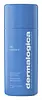
This smoothing exfoliator is formulated around Papain and Avena Sativa Kernel Extract to refine skin texture.

What's inside
What's inside
 Key Ingredients
Benefits
Concerns
Ingredients Side-by-side
Sodium Cocoyl Isethionate
Cleansing
Microcrystalline Cellulose
AbsorbentSodium Bicarbonate
Abrasive
Sorbitol
Humectant

Zea Mays Starch
Absorbent
Sodium Cocoyl Glutamate
Cleansing
Saccharomyces Ferment
Skin Conditioning

Oryza Sativa Starch
AbsorbentMagnesium Oxide
AbsorbentCitric Acid
Buffering

Tapioca Starch
Avena Sativa Kernel Protein
Skin ConditioningCamellia Oleifera Seed Extract
AstringentSilica
Abrasive
Cocos Nucifera Fruit Extract
Emollient
Inulin
Skin Conditioning
Cassia Hydroxypropyltrimonium Chloride
Silybum Marianum Seed Oil
Skin Conditioning
Kaolin
Abrasive
Lauryl Methacrylate/Glycol Dimethacrylate Crosspolymer
Papain
Skin Conditioning

Hyaluronic Acid
Humectant


Avena Sativa Kernel Extract
Abrasive

Helianthus Annuus Seed Oil
Emollient
Avena Sativa Bran Extract
Abrasive
Glycine Soja Oil
Emollient



Citrus Aurantium Dulcis Peel Extract
Emulsion Stabilising
Vitis Vinifera Fruit Extract
Skin ConditioningCitrus Aurantium Bergamia Fruit Oil
Masking

Aniba Rosodora Wood Oil
Astringent
Salvia Sclarea Oil
Masking
Eucalyptus Globulus Leaf Oil
Perfuming
Chamomilla Recutita Flower Oil
Masking
Cucurbita Pepo Fruit Extract
Skin Conditioning
Cucumis Sativus Fruit Extract
Emollient
Perilla Ocymoides Leaf Extract
TonicDaucus Carota Sativa Root Extract
Skin Conditioning
Sea Salt
Abrasive
Juniperus Virginiana Oil
Masking
Alpha-Glucan Oligosaccharide
Cleansing
Tocopherol
Antioxidant
Castoryl Maleate
Skin ConditioningCaprylyl Glycol
Emollient
Allantoin
Skin Conditioning
Diglycerin
Humectant
Maltodextrin
Absorbent
Lauroyl Lysine
Skin Conditioning
Arginine
Masking
Saccharide Isomerate
Humectant
Sodium Lauroyl Glutamate
SurfactantBeta-Carotene
Skin ConditioningXanthan Gum
EmulsifyingEthylhexylglycerin
Skin Conditioning1,2-Hexanediol
Skin Conditioning
Hydroxypropyl Methylcellulose
Emulsion StabilisingDextrin
AbsorbentSodium Palmitate
CleansingSodium Chloride
MaskingAcacia Senegal Gum
MaskingSodium Citrate
BufferingWater
Skin ConditioningO-Cymen-5-Ol
Antimicrobial
Limonene
Perfuming
Linalool
Perfuming
Sodium Cocoyl Isethionate, Microcrystalline Cellulose, Sodium Bicarbonate, Sorbitol, Zea Mays Starch, Sodium Cocoyl Glutamate, Saccharomyces Ferment, Oryza Sativa Starch, Magnesium Oxide, Citric Acid, Tapioca Starch, Avena Sativa Kernel Protein, Camellia Oleifera Seed Extract, Silica, Cocos Nucifera Fruit Extract, Inulin, Cassia Hydroxypropyltrimonium Chloride, Silybum Marianum Seed Oil, Kaolin, Lauryl Methacrylate/Glycol Dimethacrylate Crosspolymer, Papain, Hyaluronic Acid, Avena Sativa Kernel Extract, Helianthus Annuus Seed Oil, Avena Sativa Bran Extract, Glycine Soja Oil, Citrus Aurantium Dulcis Peel Extract, Vitis Vinifera Fruit Extract, Citrus Aurantium Bergamia Fruit Oil, Aniba Rosodora Wood Oil, Salvia Sclarea Oil, Eucalyptus Globulus Leaf Oil, Chamomilla Recutita Flower Oil, Cucurbita Pepo Fruit Extract, Cucumis Sativus Fruit Extract, Perilla Ocymoides Leaf Extract, Daucus Carota Sativa Root Extract, Sea Salt, Juniperus Virginiana Oil, Alpha-Glucan Oligosaccharide, Tocopherol, Castoryl Maleate, Caprylyl Glycol, Allantoin, Diglycerin, Maltodextrin, Lauroyl Lysine, Arginine, Saccharide Isomerate, Sodium Lauroyl Glutamate, Beta-Carotene, Xanthan Gum, Ethylhexylglycerin, 1,2-Hexanediol, Hydroxypropyl Methylcellulose, Dextrin, Sodium Palmitate, Sodium Chloride, Acacia Senegal Gum, Sodium Citrate, Water, O-Cymen-5-Ol, Limonene, Linalool
Water
Skin ConditioningCocamidopropyl Betaine
Cleansing
Disodium Cocoamphodiacetate
CleansingCoco-Glucoside
Cleansing
Sodium Cocoamphoacetate
CleansingGlycerin
Humectant
Panthenol
Skin Conditioning
Tocopheryl Acetate
Antioxidant
Bambusa Arundinacea Stem Extract
Skin ConditioningSodium Hydroxide
BufferingSodium Benzoate
Masking
Sodium Citrate
BufferingXanthan Gum
EmulsifyingHeliotropine
Masking
Phenoxyethanol
Preservative
Polyquaternium-10
Acrylates/C10-30 Alkyl Acrylate Crosspolymer
Emulsion StabilisingCitric Acid
Buffering
Parfum
Masking
Water, Cocamidopropyl Betaine, Disodium Cocoamphodiacetate, Coco-Glucoside, Sodium Cocoamphoacetate, Glycerin, Panthenol, Tocopheryl Acetate, Bambusa Arundinacea Stem Extract, Sodium Hydroxide, Sodium Benzoate, Sodium Citrate, Xanthan Gum, Heliotropine, Phenoxyethanol, Polyquaternium-10, Acrylates/C10-30 Alkyl Acrylate Crosspolymer, Citric Acid, Parfum
Reviews
Alternatives
Ingredients Explained
These ingredients are found in both products.
Ingredients higher up in an ingredient list are typically present in a larger amount.
Citric Acid is an alpha hydroxy acid (AHA) naturally found in citrus fruits like oranges, lemons, and limes.
Like other AHAs, citric acid can exfoliate skin by breaking down the bonds that hold dead skin cells together. This helps reveal smoother and brighter skin underneath.
However, this exfoliating effect only happens at high concentrations (20%) which can be hard to find in cosmetic products.
Due to this, citric acid is usually included in small amounts as a pH adjuster. This helps keep products slightly more acidic and compatible with skin's natural pH.
In skincare formulas, citric acid can:
While it can provide some skin benefits, research shows lactic acid and glycolic acid are generally more effective and less irritating exfoliants.
Most citric acid used in skincare today is made by fermenting sugars (usually from molasses). This synthetic version is identical to the natural citrus form but easier to stabilize and use in formulations.
Rosacea skin has a lower threshold for acids generally, with 62.5% of rosacea subjects in one study reacting to lactic acid in a sting test. This is why we mark citric acid as a potential rosacea trigger.
However, this ingredient shows up as a pH adjuster or chelator at roughly 0.1-1% in many products. These low levels are unlikely to be an issue for rosacea skin and becomes a potential trigger at exfoliating concentrations (20%). Because everybody's skin is unique, we recommend a patch test if you are unsure.
Learn more about Citric AcidSodium Citrate is the sodium salts of citric acid. In skincare, it is used to alter pH levels and acts as a preservative.
Its main functions are to maintain the pH of a product and neutralize metal ions.
The acidity of our skin is maintained by our glands and skin biome; normal pH level of skin is slightly acidic (~4.75-5.5).
Being slightly acidic allows our skin to create an "acid mantle". This acid mantle is a thin barrier that protects our skin from bacteria and contaminants.
Learn more about Sodium CitrateWater. It's the most common cosmetic ingredient of all. You'll usually see it at the top of ingredient lists, meaning that it makes up the largest part of the product.
So why is it so popular? Water most often acts as a solvent - this means that it helps dissolve other ingredients into the formulation.
You'll also recognize water as that liquid we all need to stay alive. If you see this, drink a glass of water. Remember to stay hydrated!
Learn more about WaterXanthan gum is used as a stabilizer and thickener within cosmetic products. It helps give products a sticky, thick feeling - preventing them from being too runny.
On the technical side of things, xanthan gum is a polysaccharide - a combination consisting of multiple sugar molecules bonded together.
Xanthan gum is a pretty common and great ingredient. It is a natural, non-toxic, non-irritating ingredient that is also commonly used in food products.
Learn more about Xanthan Gum

