

What's inside
What's inside
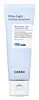 Key Ingredients
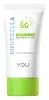
Benefits
Concerns
Ingredients Side-by-side
Aloe Barbadensis Leaf Water
MaskingDiethylhexyl Succinate
EmollientPropanediol
Solvent

Water
Skin ConditioningDrometrizole Trisiloxane
UV Absorber

Ethylhexyl Triazone
UV Absorber
Niacinamide
Smoothing










Diethylamino Hydroxybenzoyl Hexyl Benzoate
UV Filter
Terephthalylidene Dicamphor Sulfonic Acid
UV Absorber
1,2-Hexanediol
Skin Conditioning
Behenyl Alcohol
Emollient
Methyl Trimethicone
Skin Conditioning
Sodium Polyacryloyldimethyl Taurate
Emulsion StabilisingHamamelis Virginiana Leaf Water
Astringent
Tromethamine
BufferingPolyacrylate Crosspolymer-6
Emulsion StabilisingArachidyl Alcohol
Emollient
Caprylyl Glycol
Emollient
Ethylhexylglycerin
Skin ConditioningArachidyl Glucoside
EmulsifyingSodium Metaphosphate
BufferingAdenosine
Skin Conditioning
Tocopherol
Antioxidant

Sodium Hyaluronate
Humectant
Allantoin
Skin Conditioning
Citric Acid
Buffering

Sodium Benzoate
Masking
Potassium Sorbate
Preservative
Aloe Barbadensis Leaf Water, Diethylhexyl Succinate, Propanediol, Water, Drometrizole Trisiloxane, Ethylhexyl Triazone, Niacinamide, Diethylamino Hydroxybenzoyl Hexyl Benzoate, Terephthalylidene Dicamphor Sulfonic Acid, 1,2-Hexanediol, Behenyl Alcohol, Methyl Trimethicone, Sodium Polyacryloyldimethyl Taurate, Hamamelis Virginiana Leaf Water, Tromethamine, Polyacrylate Crosspolymer-6, Arachidyl Alcohol, Caprylyl Glycol, Ethylhexylglycerin, Arachidyl Glucoside, Sodium Metaphosphate, Adenosine, Tocopherol, Sodium Hyaluronate, Allantoin, Citric Acid, Sodium Benzoate, Potassium Sorbate
Water
Skin ConditioningPropylene Glycol
Humectant
Ethylhexyl Methoxycinnamate
UV Absorber
Propanediol
Solvent
Diethylamino Hydroxybenzoyl Hexyl Benzoate
UV Filter
Dimethicone/Vinyl Dimethicone Crosspolymer
Skin Conditioning
Butylene Glycol
Humectant
Silica
Abrasive
Phenoxyethanol
Preservative
Acrylates/C10-30 Alkyl Acrylate Crosspolymer
Emulsion StabilisingHydroxyacetophenone
Antioxidant
Aminomethyl Propanol
BufferingSorbitan Stearate
Emulsifying
Magnesium Aluminum Silicate
Absorbent
Dihydroxypropyl Arginine Hcl
HumectantHydrogenated Lecithin
Emulsifying
PEG-9 Dimethicone
Skin Conditioning
Cetearyl Methicone
Skin Conditioning
Tridecane
Perfuming
Undecane
EmollientCaprylyl Methicone
Skin Conditioning
Steareth-21
CleansingCaprylyl Glycol
Emollient
Parfum
Masking
Disodium EDTA
Ethylhexylglycerin
Skin ConditioningSodium Surfactin
CleansingPhytosterols
Skin Conditioning
Sucrose Cocoate
Emulsifying

Sodium Benzoate
Masking
Zinc PCA
Humectant
Butyl Methoxydibenzoylmethane
UV Absorber
Ectoin
Skin Conditioning
Glycerin
Humectant
Glucosylrutin
Antioxidant
Polyester-7
Skin ConditioningPEG-60 Hydrogenated Castor Oil
Emulsifying
Neopentyl Glycol Diheptanoate
EmollientZea Mays Starch
Absorbent
Portulaca Oleracea Extract
Skin Conditioning
Cocamidopropyl Dimethylamine
Emulsifying
Hydrolyzed Corn Starch
HumectantHydrolyzed Corn Starch Octenylsuccinate
AbsorbentIsoquercitrin
Antioxidant
Scutellaria Baicalensis Root Extract
Astringent
O-Cymen-5-Ol
Antimicrobial
Salicylic Acid
Masking
Butyrospermum Parkii Butter
Skin Conditioning

Hamamelis Virginiana Extract
Antiseborrhoeic
Buddleja Officinalis Flower Extract
UV FilterPhenylethyl Resorcinol
Antioxidant
Ceramide NP
Skin Conditioning
1,2-Hexanediol
Skin Conditioning
Lactic Acid
Buffering
10-Hydroxydecanoic Acid
Skin ConditioningXanthan Gum
EmulsifyingHydrated Silica
Abrasive
Palmitoyl Tripeptide-5
Skin Conditioning
Madecassoside
Antioxidant
Asiaticoside
Antioxidant
Ceramide As
Skin Conditioning
Ceramide Ns
Skin Conditioning
Glucose
Humectant
Asiatic Acid
Skin Conditioning
Madecassic Acid
Skin Conditioning
Sodium Hyaluronate
Humectant
Chondrus Crispus Extract
Skin Conditioning
Hydroxypropyltrimonium Hyaluronate
Hydrolyzed Hyaluronic Acid
Humectant
Sodium Acetylated Hyaluronate
Humectant
Hyaluronic Acid
Humectant
Hydrolyzed Sodium Hyaluronate
Skin Conditioning
Sodium Hyaluronate Crosspolymer
Humectant
Potassium Hyaluronate
Skin ConditioningCeramide AP
Skin Conditioning
Ceramide EOP
Skin Conditioning
Water, Propylene Glycol, Ethylhexyl Methoxycinnamate, Propanediol, Diethylamino Hydroxybenzoyl Hexyl Benzoate, Dimethicone/Vinyl Dimethicone Crosspolymer, Butylene Glycol, Silica, Phenoxyethanol, Acrylates/C10-30 Alkyl Acrylate Crosspolymer, Hydroxyacetophenone, Aminomethyl Propanol, Sorbitan Stearate, Magnesium Aluminum Silicate, Dihydroxypropyl Arginine Hcl, Hydrogenated Lecithin, PEG-9 Dimethicone, Cetearyl Methicone, Tridecane, Undecane, Caprylyl Methicone, Steareth-21, Caprylyl Glycol, Parfum, Disodium EDTA, Ethylhexylglycerin, Sodium Surfactin, Phytosterols, Sucrose Cocoate, Sodium Benzoate, Zinc PCA, Butyl Methoxydibenzoylmethane, Ectoin, Glycerin, Glucosylrutin, Polyester-7, PEG-60 Hydrogenated Castor Oil, Neopentyl Glycol Diheptanoate, Zea Mays Starch, Portulaca Oleracea Extract, Cocamidopropyl Dimethylamine, Hydrolyzed Corn Starch, Hydrolyzed Corn Starch Octenylsuccinate, Isoquercitrin, Scutellaria Baicalensis Root Extract, O-Cymen-5-Ol, Salicylic Acid, Butyrospermum Parkii Butter, Hamamelis Virginiana Extract, Buddleja Officinalis Flower Extract, Phenylethyl Resorcinol, Ceramide NP, 1,2-Hexanediol, Lactic Acid, 10-Hydroxydecanoic Acid, Xanthan Gum, Hydrated Silica, Palmitoyl Tripeptide-5, Madecassoside, Asiaticoside, Ceramide As, Ceramide Ns, Glucose, Asiatic Acid, Madecassic Acid, Sodium Hyaluronate, Chondrus Crispus Extract, Hydroxypropyltrimonium Hyaluronate, Hydrolyzed Hyaluronic Acid, Sodium Acetylated Hyaluronate, Hyaluronic Acid, Hydrolyzed Sodium Hyaluronate, Sodium Hyaluronate Crosspolymer, Potassium Hyaluronate, Ceramide AP, Ceramide EOP
Reviews
Ingredients Explained
These ingredients are found in both products.
Ingredients higher up in an ingredient list are typically present in a larger amount.
1,2-Hexanediol is a synthetic liquid and another multi-functional powerhouse.
It is a:
- Humectant, drawing moisture into the skin
- Emollient, helping to soften skin
- Solvent, dispersing and stabilizing formulas
- Preservative booster, enhancing the antimicrobial activity of other preservatives
Caprylyl Glycol is a humectant, skin conditioner, emollient, and preservative booster derived from either caprylic acid or synthetically created.
Typical use levels vary from 0.3-1% as a preservative booster and go up to 2% to condition skin.
Because it is not a free-fatty acid, this ingredient is fungal acne safe (there's nothing for Malassezia to feed on).
Learn more about Caprylyl GlycolDiethylamino Hydroxybenzoyl Hexyl Benzoate (DHHB) is a chemical UV-A absorber. It is formulated for high UVA protection (320-400 nm).
DHHB is well-liked for:
DHHB has been approved by the EU, Japan, Taiwan, and South America for use up to 10%. Unfortunately, it has not been approved for use in the US or Canada due to slow regulatory processes.
This ingredient is soluble in oils, fats, and lipids.
Learn more about Diethylamino Hydroxybenzoyl Hexyl BenzoateEthylhexylglycerin is created from glycerin. It is a multitasker ingredient that:
The CIR Expert Panel found minimal skin absorption or sensitization of any kind in a safety assessment. Though this ingredient is considered well-tolerated, a small number of cases of allergic dermatitis have been published since 2002. Just be sure to patch test if you are unsure.
Industry-reported use ranges from 8% in rinse-off products and 2% in leave-on formulations.
Learn more about EthylhexylglycerinPropanediol is an all-star ingredient. It softens, hydrates, and smooths the skin.
It’s often used to:
Propanediol is not likely to cause sensitivity and considered safe to use. It is derived from corn or petroleum with a clear color and no scent.
Learn more about PropanediolSodium Benzoate is a preservative. It's used in both cosmetic and food products to inhibit the growth of mold and bacteria. It is typically produced synthetically.
Both the US FDA and EU Health Committee have approved the use of sodium benzoate. In the US, levels of 0.1% (of the total product) are allowed.
Sodium benzoate works as a preservative by inhibiting the growth of bacteria inside of cells. It prevents the cell from fermenting a type of sugar using an enzyme called phosphofructokinase.
It is the salt of benzoic acid. Foods containing sodium benzoate include soda, salad dressings, condiments, fruit juices, wines, and snack foods.
Studies for using ascorbic acid and sodium benzoate in cosmetics are lacking, especially in skincare routines with multiple steps.
We always recommend speaking with a professional, such as a dermatologist, if you have any concerns.
Learn more about Sodium BenzoateSodium Hyaluronate is the salt form of hyaluronic acid. It is a long sugar chain that is naturally found in your skin, joints, and connective tissue that maintains hydration and elasticity.
In skincare, it works as a humectant. It pulls water from the environment and deeper layers of skin and binds it to the surface.
Interestingly, the size of the molecule affects its behavior:
Some clinical evidence links low molecular weight versions to improved wrinkle depth, elasticity, anti-inflammatory effects, and barrier repair.
Many serums use a blend of both weights so you can get surface hydration plus longer-lasting and deeper effects.
You'll typically see concentrations between 0.1-2% for this ingredient.
Learn more about Sodium HyaluronateWater. It's the most common cosmetic ingredient of all. You'll usually see it at the top of ingredient lists, meaning that it makes up the largest part of the product.
So why is it so popular? Water most often acts as a solvent - this means that it helps dissolve other ingredients into the formulation.
You'll also recognize water as that liquid we all need to stay alive. If you see this, drink a glass of water. Remember to stay hydrated!
Learn more about Water
