COLLISTAR Milano Active Protection Sun Face Cream Hyper-sensitive Skins SPF 50+ Versus Sun Zapper Pure Zinc Sunscreen Cream SPF 50
This chemical sunscreen covers the full UV range and blocks ~98% of UVB at SPF 50.
This mineral sunscreen covers the full UV range and blocks ~98% of UVB at SPF 50.


What's inside
What's inside
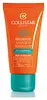 Key Ingredients
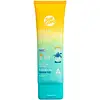
Benefits
Concerns
Ingredients Side-by-side
Water
Skin ConditioningDibutyl Adipate
EmollientC12-15 Alkyl Benzoate
AntimicrobialDiethylamino Hydroxybenzoyl Hexyl Benzoate
UV Filter
Ethylhexyl Salicylate
UV Absorber
Phenylbenzimidazole Sulfonic Acid
UV Absorber
Arginine
Masking

Ethylhexyl Triazone
UV Absorber
Bis-Ethylhexyloxyphenol Methoxyphenyl Triazine
UV Absorber
Diethylhexyl Butamido Triazone
UV Absorber
Polyester-5
Tris-Biphenyl Triazine
UV Absorber
Pentylene Glycol
Skin Conditioning
Methylene Bis-Benzotriazolyl Tetramethylbutylphenol
UV Filter
Coco-Caprylate
Emollient
Polyacrylate Crosspolymer-6
Emulsion StabilisingLauroyl Lysine
Skin Conditioning
1,2-Hexanediol
Skin Conditioning
Acrylates/Palmeth-25 Acrylate Copolymer
Potassium Cetyl Phosphate
EmulsifyingDecyl Glucoside
Cleansing
Hydroxyacetophenone
Antioxidant
Caprylyl Glycol
Emollient
Chlorphenesin
Antimicrobial
Caprylhydroxamic Acid
ChelatingXanthan Gum
EmulsifyingEthylhexylglycerin
Skin ConditioningSodium Stearoyl Glutamate
CleansingPolyglyceryl-3 Cocoate
Emulsifying



Lecithin
Emollient
Tetrasodium Glutamate Diacetate
ChelatingTocopheryl Acetate
Antioxidant

Glycerin
Humectant
Opuntia Ficus-Indica Stem Extract
Skin Conditioning
Tocopherol
Antioxidant


Butylene Glycol
Humectant
Disodium Phosphate
BufferingEctoin
Skin Conditioning
Ascorbyl Palmitate
Antioxidant
Saccharomyces Ferment Lysate Filtrate
Skin Conditioning
Propylene Glycol
Humectant
Canola Oil
Emollient


Amylopectin
Citric Acid
Buffering
Humulus Lupulus Extract
AntimicrobialSodium Benzoate
Masking
Potassium Sorbate
Preservative
Caprylic/Capric Triglyceride
Masking
Daucus Carota Sativa Root Extract
Skin Conditioning
Daucus Carota Sativa Seed Oil
Emollient
Ascorbyl Tetraisopalmitate
Antioxidant
Carbomer
Emulsion StabilisingBeta-Carotene
Skin ConditioningHelianthus Annuus Seed Oil
Emollient
DNA
Skin ConditioningWater, Dibutyl Adipate, C12-15 Alkyl Benzoate, Diethylamino Hydroxybenzoyl Hexyl Benzoate, Ethylhexyl Salicylate, Phenylbenzimidazole Sulfonic Acid, Arginine, Ethylhexyl Triazone, Bis-Ethylhexyloxyphenol Methoxyphenyl Triazine, Diethylhexyl Butamido Triazone, Polyester-5, Tris-Biphenyl Triazine, Pentylene Glycol, Methylene Bis-Benzotriazolyl Tetramethylbutylphenol, Coco-Caprylate, Polyacrylate Crosspolymer-6, Lauroyl Lysine, 1,2-Hexanediol, Acrylates/Palmeth-25 Acrylate Copolymer, Potassium Cetyl Phosphate, Decyl Glucoside, Hydroxyacetophenone, Caprylyl Glycol, Chlorphenesin, Caprylhydroxamic Acid, Xanthan Gum, Ethylhexylglycerin, Sodium Stearoyl Glutamate, Polyglyceryl-3 Cocoate, Lecithin, Tetrasodium Glutamate Diacetate, Tocopheryl Acetate, Glycerin, Opuntia Ficus-Indica Stem Extract, Tocopherol, Butylene Glycol, Disodium Phosphate, Ectoin, Ascorbyl Palmitate, Saccharomyces Ferment Lysate Filtrate, Propylene Glycol, Canola Oil, Amylopectin, Citric Acid, Humulus Lupulus Extract, Sodium Benzoate, Potassium Sorbate, Caprylic/Capric Triglyceride, Daucus Carota Sativa Root Extract, Daucus Carota Sativa Seed Oil, Ascorbyl Tetraisopalmitate, Carbomer, Beta-Carotene, Helianthus Annuus Seed Oil, DNA
Zinc Oxide 25%
Cosmetic Colorant
Helianthus Annuus Seed Oil
Emollient
Water
Skin ConditioningCera Alba
Emollient
Euphorbia Cerifera Cera
Astringent
Polyglyceryl-3 Polyricinoleate
Emulsifying
Potassium Cetyl Phosphate
EmulsifyingIsostearic Acid
Cleansing
Glycerin
Humectant
Polyhydroxystearic Acid
Emulsifying
Sodium Chloride
MaskingMaltodextrin
Absorbent
Xanthan Gum
EmulsifyingVanillin
Masking

Simmondsia Chinensis Seed Oil
Emollient
Calendula Officinalis Extract
Skin Conditioning
Hippophae Rhamnoides Oil
Emollient
Sodium Hyaluronate
Humectant
Bisabolol
Antioxidant
Terminalia Ferdinandiana Fruit Extract
Antioxidant
Ascorbyl Palmitate
Antioxidant
Tocopherol
Antioxidant
Coriandrum Sativum Oil
Masking
Hinokitiol
Citrus Grandis Seed Extract
Astringent
CI 77491
Cosmetic ColorantCI 77492
Cosmetic ColorantCI 77499
Cosmetic ColorantZinc Oxide 25%, Helianthus Annuus Seed Oil, Water, Cera Alba, Euphorbia Cerifera Cera, Polyglyceryl-3 Polyricinoleate, Potassium Cetyl Phosphate, Isostearic Acid, Glycerin, Polyhydroxystearic Acid, Sodium Chloride, Maltodextrin, Xanthan Gum, Vanillin, Simmondsia Chinensis Seed Oil, Calendula Officinalis Extract, Hippophae Rhamnoides Oil, Sodium Hyaluronate, Bisabolol, Terminalia Ferdinandiana Fruit Extract, Ascorbyl Palmitate, Tocopherol, Coriandrum Sativum Oil, Hinokitiol, Citrus Grandis Seed Extract, CI 77491, CI 77492, CI 77499
Ingredients Explained
These ingredients are found in both products.
Ingredients higher up in an ingredient list are typically present in a larger amount.
Ascorbyl Palmitate is a fat-soluble form of vitamin C (Ascorbic Acid) made by combining it with palmitic acid.
It is able to blend easily into creams and oil-based formulas because it dissolves in oils rather than water.
As you may know, regular vitamin C is notorious for breaking down when exposed to sunlight and air. Ascorbyl Palmitate is more stable and degrades at a slower rate.
Research on whether it converts efficiently into active vitamin C once it's applied on your skin is still limited.
Some in-vitro studies suggest it may support collagen production, but it is not considered one of the stronger vitamin C derivatives, like:
Due to the palmitic acid base, this ingredient may not be fungal acne safe. Comedogenic studies have also shown this ingredient to have a rating of 2.
It's also worth keeping in mind that comedogenic and irritancy ratings are tested on individual ingredients, not finished formulas. The final product's formulation, concentration, and other ingredients all play a role in how something actually behaves on your skin.
Learn more about Ascorbyl PalmitateGlycerin (or glycerol) is a compound naturally found in your skin. It's a powerhouse humectant that pulls water into the stratum corneum.
Topically, glycerin does several things at once:
Your skin makes glycerin on its own (mostly from sebaceous oil breakdown) and shuttles it to your outermost layer of skin, or your epidermis, via aquaporin-3.
Aquaporin-3 is a transporter that is essential for normal skin hydration, elasticity, and repair. Interestingly, mice lacking in AQP3 have dry and less elastic skin that can be fully corrected with glycerin.
This ingredient is non-irritating, plays well with almost every ingredient, and works across all skin types. Typical use is anywhere between 3-10% but can go up to 79% in some leave-on products.
Just know very high concentrations (>40%) can feel tacky in low humidity.
Glycerin is the name for this ingredient in American English. British English uses Glycerol/Glycerine.
Learn more about GlycerinHelianthus Annuus Seed Oil is a plant oil derived from the seeds of a sunflower.
It is rich in fatty acids, primarily linoleic acid and oleic acid. This gives it emollient and skin conditioning properties.
The reason this ingredient is so effective is because it forms a thin film on the skin that reduces transepidermal water loss (TEWL) while supplying linoleic acid to the stratum corneum to improve barrier strength.
The high linoleic acid content is particularly noteworthy for acne-prone skin.
Research suggests that acne-prone skin tends to be deficient in linoleic acid in sebum. Topical application may help replenish this to support a healthier follicular environment and less comedone-promoting sebum.
One randomized study found sunflower seed oil preserved skin barrier integrity in adult volunteers with and without atopic dermatitis (outperforming olive oil).
This ingredient is well-studied, gentle, and an effective emollient suitable for most skin types.
On fungal acne: This ingredient may not be Fungal acne (Malassezia folliculitis) safe. This is because it contains fatty acids with carbon chain lengths in the C11-C24 range.
Learn more about Helianthus Annuus Seed OilPotassium Cetyl Phosphate is the potassium salt of a mixture. This mixture consists of the esters from phosphoricacid and cetyl alcohol.
Potassium Cetyl Phosphate is an emulsifier and cleansing agent. Emulsifiers help stabilize a product. It does this by preventing certain ingredients from separating.
As a cleansing agent, Potassium Cetyl Phosphate helps gather oils, dirts, and pollutants from your skin. This makes it easier to rinse them away with water.
Learn more about Potassium Cetyl PhosphateTocopherol is a fat-soluble antioxidant known as Vitamin E.
You'll find this ingredient in the vast majority of skincare (for good reason). It works to neutralize free radicals, or unstable molecules generated by UV exposure, pollution, and other environmental stressors, before they can cause oxidative damage to your skin cells.
Topically applied tocopherol has been shown to protect against UV damage by ramping up the skin's own natural defense enzymes.
It also acts as a skin conditioning agent; some studies show that regular topical use can improve the skin's water-binding capacity over 2-4 weeks.
This ingredient is especially loved for being a team player. When combined with Vitamin C, the photoprotective effect of both ingredients roughly doubles and the combo also helps reduce UV-induced DNA damage.
This ingredient has some brightening potential but it's more of a prevention ingredient than spot-fader. Cell studies show it can slow down melanin production but it's worth noting that it's not the most powerful brightener out there.
In formulations, it also serves as a stabilizer that helps protect other oxidation-prone ingredients from degrading.
Concentrations usually range from 0.1-1% in most leave-on products.
Learn more about TocopherolWater. It's the most common cosmetic ingredient of all. You'll usually see it at the top of ingredient lists, meaning that it makes up the largest part of the product.
So why is it so popular? Water most often acts as a solvent - this means that it helps dissolve other ingredients into the formulation.
You'll also recognize water as that liquid we all need to stay alive. If you see this, drink a glass of water. Remember to stay hydrated!
Learn more about WaterXanthan gum is used as a stabilizer and thickener within cosmetic products. It helps give products a sticky, thick feeling - preventing them from being too runny.
On the technical side of things, xanthan gum is a polysaccharide - a combination consisting of multiple sugar molecules bonded together.
Xanthan gum is a pretty common and great ingredient. It is a natural, non-toxic, non-irritating ingredient that is also commonly used in food products.
Learn more about Xanthan Gum

