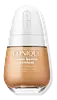
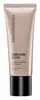
Clinique Even Better Clinical Serum Foundation Broad Spectrum SPF 25 Versus bareMinerals Complexion Rescue Tinted Hydrating Gel Cream SPF30

What's inside
What's inside
 Key Ingredients
Benefits
Concerns
Ingredients Side-by-side
Dimethicone
Emollient

Water
Skin ConditioningPEG-10 Dimethicone
Skin Conditioning
Butylene Glycol
Humectant

Vinyl Dimethicone/Methicone Silsesquioxane Crosspolymer

Phenyl Trimethicone
Skin Conditioning
Isododecane
EmollientButyloctyl Salicylate
Skin Conditioning
Isodecyl Isononanoate
EmollientLauryl PEG-9 Polydimethylsiloxyethyl Dimethicone
Skin Conditioning
Alcohol Denat.
Antimicrobial




Dimethicone/Vinyl Dimethicone Crosspolymer
Skin Conditioning
Hydrated Silica
Abrasive
Ascorbyl Glucoside
Antioxidant



Tetrahexyldecyl Ascorbate
Antioxidant


Magnesium Ascorbyl Phosphate
Antioxidant
Sodium Hyaluronate
Humectant
Tocopheryl Acetate
Antioxidant
Laminaria Saccharina Extract
Skin ProtectingPolygala Senega Root Extract
RefreshingBerberis Vulgaris Bark Extract
Skin ConditioningNymphaea Alba Root Extract
Skin ConditioningCamellia Sinensis Leaf Extract
Antimicrobial
Salvia Hispanica Seed Extract
Emollient
Molasses Extract
Skin ConditioningDimethoxytolyl Propylresorcinol
Antioxidant
Caffeine
Skin Conditioning
Niacinamide
Smoothing


Salicylic Acid
Masking

Linoleic Acid
Cleansing
Tocopherol
Antioxidant
Lactoperoxidase
StabilisingGlucose Oxidase
StabilisingLactobacillus Ferment
Skin Conditioning
Glycyrrhetinic Acid
Skin Conditioning
Cholesterol
Emollient
Jojoba Esters
Emollient
Glucose
Humectant
Polysilicone-11
Laureth-7
EmulsifyingTrimethylsiloxysilicate
Emollient
Sorbitan Sesquioleate
Emulsifying
Lecithin
Emollient
Xanthan Gum
EmulsifyingSilica
Abrasive
Caprylyl Glycol
Emollient
Dimethicone/PEG-10/15 Crosspolymer
Disteardimonium Hectorite
StabilisingTriethoxycaprylylsilane
Alumina
Abrasive
Propylene Carbonate
SolventDipropylene Glycol
HumectantSodium Chloride
MaskingSodium Hydroxide
BufferingCitric Acid
Buffering
Potassium Phosphate
BufferingTetrasodium EDTA
Sodium Citrate
BufferingPotassium Sorbate
Preservative
Phenoxyethanol
Preservative
Mica
Cosmetic ColorantCI 77891
Cosmetic ColorantCI 77491
Cosmetic ColorantCI 77492
Cosmetic ColorantCI 77499
Cosmetic ColorantDimethicone, Water, PEG-10 Dimethicone, Butylene Glycol, Vinyl Dimethicone/Methicone Silsesquioxane Crosspolymer, Phenyl Trimethicone, Isododecane, Butyloctyl Salicylate, Isodecyl Isononanoate, Lauryl PEG-9 Polydimethylsiloxyethyl Dimethicone, Alcohol Denat., Dimethicone/Vinyl Dimethicone Crosspolymer, Hydrated Silica, Ascorbyl Glucoside, Tetrahexyldecyl Ascorbate, Magnesium Ascorbyl Phosphate, Sodium Hyaluronate, Tocopheryl Acetate, Laminaria Saccharina Extract, Polygala Senega Root Extract, Berberis Vulgaris Bark Extract, Nymphaea Alba Root Extract, Camellia Sinensis Leaf Extract, Salvia Hispanica Seed Extract, Molasses Extract, Dimethoxytolyl Propylresorcinol, Caffeine, Niacinamide, Salicylic Acid, Linoleic Acid, Tocopherol, Lactoperoxidase, Glucose Oxidase, Lactobacillus Ferment, Glycyrrhetinic Acid, Cholesterol, Jojoba Esters, Glucose, Polysilicone-11, Laureth-7, Trimethylsiloxysilicate, Sorbitan Sesquioleate, Lecithin, Xanthan Gum, Silica, Caprylyl Glycol, Dimethicone/PEG-10/15 Crosspolymer, Disteardimonium Hectorite, Triethoxycaprylylsilane, Alumina, Propylene Carbonate, Dipropylene Glycol, Sodium Chloride, Sodium Hydroxide, Citric Acid, Potassium Phosphate, Tetrasodium EDTA, Sodium Citrate, Potassium Sorbate, Phenoxyethanol, Mica, CI 77891, CI 77491, CI 77492, CI 77499
Water
Skin ConditioningCoconut Alkanes
Emollient
Propanediol
Solvent
Titanium Dioxide
Cosmetic Colorant
Squalane
Emollient
Sorbitan Sesquiisostearate
Emulsifying
Isostearic Acid
Cleansing
Polysorbate 60
Emulsifying
Trehalose
Humectant
Glycerin
Humectant
Agar
MaskingSilica
Abrasive
Moringa Oleifera Seed Extract
Skin Conditioning
Salicornia Herbacea Extract
Skin ConditioningMelilotus Officinalis Extract
AstringentTheobroma Cacao Seed Extract
Antioxidant
Coco-Caprylate/Caprate
Emollient
Caprylic/Capric Triglyceride
Masking
Caffeine
Skin Conditioning
Lauroyl Lysine
Skin Conditioning
Succinoglycan
Skin ConditioningAluminum Hydroxide
EmollientHydrogen Dimethicone
Citric Acid
Buffering
Disodium Phosphate
BufferingAcetyl Tetrapeptide-5
Humectant
Butylene Glycol
Humectant
Polyglyceryl-4 Laurate/Succinate
Cellulose Gum
Emulsion StabilisingMagnesium Chloride
Calcium Chloride
AstringentPotassium Chloride
Sodium Hyaluronate
Humectant
Magnesium Stearate
Cosmetic ColorantPhenoxyethanol
Preservative
Mica
Cosmetic ColorantCI 77491
Cosmetic ColorantCI 77492
Cosmetic ColorantCI 77499
Cosmetic ColorantCI 77891
Cosmetic ColorantWater, Coconut Alkanes, Propanediol, Titanium Dioxide, Squalane, Sorbitan Sesquiisostearate, Isostearic Acid, Polysorbate 60, Trehalose, Glycerin, Agar, Silica, Moringa Oleifera Seed Extract, Salicornia Herbacea Extract, Melilotus Officinalis Extract, Theobroma Cacao Seed Extract, Coco-Caprylate/Caprate, Caprylic/Capric Triglyceride, Caffeine, Lauroyl Lysine, Succinoglycan, Aluminum Hydroxide, Hydrogen Dimethicone, Citric Acid, Disodium Phosphate, Acetyl Tetrapeptide-5, Butylene Glycol, Polyglyceryl-4 Laurate/Succinate, Cellulose Gum, Magnesium Chloride, Calcium Chloride, Potassium Chloride, Sodium Hyaluronate, Magnesium Stearate, Phenoxyethanol, Mica, CI 77491, CI 77492, CI 77499, CI 77891
Reviews
Ingredients Explained
These ingredients are found in both products.
Ingredients higher up in an ingredient list are typically present in a larger amount.
Butylene Glycol (or BG) is used within cosmetic products for a few different reasons:
Overall, Butylene Glycol is a safe and well-rounded ingredient that works well with other ingredients.
Though this ingredient works well with most skin types, some people with sensitive skin may experience a reaction such as allergic rashes, closed comedones, or itchiness.
Learn more about Butylene GlycolCaffeine is a naturally occurring plant compound found in coffee beans, tea leaves, cocoa pods, and guarana.
As an antioxidant, caffeine protects your skin from free radical damage caused by UV exposure and envionrmnetal stressors.
Early research also shows that caffeine can help calm redness, soothe irritated skin, and support hair growth by stimulating microcirculation in the scalp.
You might have seen eye creams marketing caffeine as a depuffing ingredient. This is because it is a vasoconstrictor meaning it can temporarily constrict blood vessels, though clinical evidence for this specific use is still limited.
Most skincare products contain this ingredient at concentrations between 1-6%. It is able to penetrate skin easily regardless of skin type or thickness.
Just so you know, a very small number of case reports describe caffeine-induced allergy. This ingredient is generally well-tolerated, non-irritating, and non-sensitizing for the majority of people.
Learn more about CaffeineCi 77491 is also hydrated iron III oxide. It's sole purpose is to give a red/pink hue to products.
Iron III oxides are classified as inorganic chemicals for coloring.
Synthetically created Ci 77491 is considered safer than those naturally found. This is because the synthetically created version may contain less impurities. Iron oxides are generally non-toxic and non-allergenic.
Learn more about CI 77491CI 77492 is also hydrated iron III oxide. It's sole purpose is to give a yellow hue to products.
Iron III oxides are classified as inorganic chemicals for coloring.
Synthetically created CI 77492 is considered safer than those naturally found. This is because the synthetically created version may contain less impurities. Iron oxides are generally non-toxic and non-allergenic.
Learn more about CI 77492Ci 77499 is also hydrated iron III oxide. It is created from mixing red and black iron oxides. This helps give shades of darkness to a product.
Iron III oxides are classified as inorganic chemicals for coloring.
Ci 77891 is a white pigment from Titanium dioxide. It is naturally found in minerals such as rutile and ilmenite.
It's main function is to add a white color to cosmetics. It can also be mixed with other colors to create different shades.
Ci 77891 is commonly found in sunscreens due to its ability to block UV rays.
Learn more about CI 77891Citric Acid is an alpha hydroxy acid (AHA) naturally found in citrus fruits like oranges, lemons, and limes.
Like other AHAs, citric acid can exfoliate skin by breaking down the bonds that hold dead skin cells together. This helps reveal smoother and brighter skin underneath.
However, this exfoliating effect only happens at high concentrations (20%) which can be hard to find in cosmetic products.
Due to this, citric acid is usually included in small amounts as a pH adjuster. This helps keep products slightly more acidic and compatible with skin's natural pH.
In skincare formulas, citric acid can:
While it can provide some skin benefits, research shows lactic acid and glycolic acid are generally more effective and less irritating exfoliants.
Most citric acid used in skincare today is made by fermenting sugars (usually from molasses). This synthetic version is identical to the natural citrus form but easier to stabilize and use in formulations.
Read more about some other popular AHA's here:
Learn more about Citric AcidMica is a naturally occurring mineral used to add shimmer and color in cosmetics. It can also help improve the texture of a product or give it an opaque, white/silver color.
Serecite is the name for very fine but ragged grains of mica.
This ingredient is often coated with metal oxides like titanium dioxide. Trace amounts of heavy metals may be found in mica, but these metals are not harmful in our personal products.
Mica has been used since prehistoric times throughout the world. Ancient Egyptian, Indian, Greek, Roman, Aztec, and Chinese civilizations have used mica.
Learn more about MicaPhenoxyethanol is one of the most widely used preservatives in skincare (and for good reason!).
It has a large spectrum of antimicrobial activity and especially effective bacteria, yeast, and mold while only having a weak effect on your skin's natural microbiome.
On a cellular level, it disrupts the cell membranes of microbes by poking holes that make the cell leak. This shuts down the chemical reactions the microbe needs to make energy so it can no longer survive.
Another perk of this ingredient is that it stays functional across a wide pH range (3-10).
You'll often see it paired with boosters like Ethylhexylglycerin; one study showed that a 1:9 ratio of Ethylhexylglycerin to Phenoxyethanol damages bacterial membranes as effectively as doubling the Phenoxyethanol concentration on its own.
Typical use concentrations range from 0.3-1% depending on the formula, and this ingredient is capped at 1% int the EU.
Safety-wise, the fear mongering does not hold up to the evidence. The EU's Scientific Committee on Consumer Safety and FDA consider it safe as a preservative at up to 1%, including for children of all ages.
Adverse systemic effects only showed up in animal studies at exposures roughly 200x higher than what people get from cosmetics. And despite its very widespread use, this ingredient is a rare sensitizer and allergic reactions are uncommon.
Learn more about PhenoxyethanolSilica, also known as silicon dioxide, is a naturally occurring mineral. It is used as a fine, spherical, and porous powder in cosmetics.
Though it has exfoliant properties, the function of silica varies depending on the product.
The unique structure of silica enhances the spreadability and adds smoothness, making it a great texture enhancer.
It is also used as an active carrier, emulsifier, and mattifier due to its ability to absorb excess oil.
In some products, tiny microneedles called spicules are made from silica or hydrolyzed sponge. When you rub them in, they lightly polish away dead skin layers and enhance the penetration of active ingredients.
Learn more about SilicaSodium Hyaluronate is the salt form of hyaluronic acid. It is a long sugar chain that is naturally found in your skin, joints, and connective tissue that maintains hydration and elasticity.
In skincare, it works as a humectant. It pulls water from the environment and deeper layers of skin and binds it to the surface.
Interestingly, the size of the molecule affects its behavior:
Some clinical evidence links low molecular weight versions to improved wrinkle depth, elasticity, anti-inflammatory effects, and barrier repair.
Many serums use a blend of both weights so you can get surface hydration plus longer-lasting and deeper effects.
You'll typically see concentrations between 0.1-2% for this ingredient.
Learn more about Sodium HyaluronateWater. It's the most common cosmetic ingredient of all. You'll usually see it at the top of ingredient lists, meaning that it makes up the largest part of the product.
So why is it so popular? Water most often acts as a solvent - this means that it helps dissolve other ingredients into the formulation.
You'll also recognize water as that liquid we all need to stay alive. If you see this, drink a glass of water. Remember to stay hydrated!
Learn more about Water

