
What's inside
What's inside
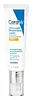 Key Ingredients
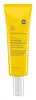
Benefits
Concerns
Ingredients Side-by-side
Butyl Methoxydibenzoylmethane 3%
UV Absorber
Homosalate 10%
Skin Conditioning
Ethylhexyl Salicylate 5%
UV Absorber
Octocrylene 2.7%
UV Absorber

Water
Skin ConditioningC12-15 Alkyl Benzoate
AntimicrobialGlyceryl Stearate Se
Emulsifying


Methyl Methacrylate Crosspolymer

Glycerin
Humectant


Pentylene Glycol
Skin Conditioning
Ceramide NP
Skin Conditioning



Ceramide AP
Skin Conditioning
Ceramide EOP
Skin Conditioning
Carbomer
Emulsion StabilisingSodium Acryloyldimethyltaurate/Vp Crosspolymer
Emulsion StabilisingSodium Lauroyl Lactylate
EmulsifyingSodium Hyaluronate
Humectant
Cholesterol
Emollient
Phenoxyethanol
Preservative
Disodium EDTA
Hydroxyacetophenone
Antioxidant
Citric Acid
Buffering


Phytosphingosine
Skin Conditioning
Xanthan Gum
EmulsifyingT-Butyl Alcohol
Perfuming


Ethylhexylglycerin
Skin ConditioningButyl Methoxydibenzoylmethane 3%, Homosalate 10%, Ethylhexyl Salicylate 5%, Octocrylene 2.7%, Water, C12-15 Alkyl Benzoate, Glyceryl Stearate Se, Methyl Methacrylate Crosspolymer, Glycerin, Pentylene Glycol, Ceramide NP, Ceramide AP, Ceramide EOP, Carbomer, Sodium Acryloyldimethyltaurate/Vp Crosspolymer, Sodium Lauroyl Lactylate, Sodium Hyaluronate, Cholesterol, Phenoxyethanol, Disodium EDTA, Hydroxyacetophenone, Citric Acid, Phytosphingosine, Xanthan Gum, T-Butyl Alcohol, Ethylhexylglycerin
Zinc Oxide 16%
Cosmetic Colorant
Water
Skin ConditioningButyloctyl Salicylate
Skin Conditioning
Dimethicone
Emollient
Caprylic/Capric Triglyceride
Masking
Glycerin
Humectant
Coconut Alkanes
Emollient
Lauryl Polyglyceryl-3 Polydimethylsiloxyethyl Dimethicone
Skin Conditioning
Vaccinium Vitis-Idaea Fruit Extract
Antioxidant
Ferulic Acid
Antimicrobial
Hippophae Rhamnoides Fruit Extract
Skin Conditioning
Arctostaphylos Uva-Ursi Leaf Extract
Skin Conditioning
Aloe Barbadensis Leaf Juice
Skin Conditioning
Quercetin
Antioxidant
Tocopherol
Antioxidant
Tocopheryl Acetate
Antioxidant
Xanthophylls
Skin ConditioningSucrose
Humectant
Ethylhexylglycerin
Skin ConditioningLecithin
Emollient
Polyglutamic Acid
Skin Conditioning
Tapioca Starch
Calcium Gluconate
HumectantDimethicone/Polyglycerin-3 Crosspolymer
Cleansing
Triheptanoin
Skin ConditioningXanthan Gum
EmulsifyingPolyhydroxystearic Acid
Emulsifying
Coco-Caprylate/Caprate
Emollient
Triethoxycaprylylsilane
Polymethylsilsesquioxane
Propanediol
Solvent
C13-15 Alkane
SolventDipropylene Glycol
HumectantSodium Hydroxide
BufferingDisteardimonium Hectorite
StabilisingIsostearyl Lactate
EmollientTriethyl Citrate
Masking
Sodium Chloride
MaskingTetrasodium Glutamate Diacetate
Gluconolactone
Skin Conditioning



Sodium Citrate
BufferingCitric Acid
Buffering
Phenoxyethanol
Preservative
Sodium Benzoate
Masking
Potassium Sorbate
Preservative
Zinc Oxide 16%, Water, Butyloctyl Salicylate, Dimethicone, Caprylic/Capric Triglyceride, Glycerin, Coconut Alkanes, Lauryl Polyglyceryl-3 Polydimethylsiloxyethyl Dimethicone, Vaccinium Vitis-Idaea Fruit Extract, Ferulic Acid, Hippophae Rhamnoides Fruit Extract, Arctostaphylos Uva-Ursi Leaf Extract, Aloe Barbadensis Leaf Juice, Quercetin, Tocopherol, Tocopheryl Acetate, Xanthophylls, Sucrose, Ethylhexylglycerin, Lecithin, Polyglutamic Acid, Tapioca Starch, Calcium Gluconate, Dimethicone/Polyglycerin-3 Crosspolymer, Triheptanoin, Xanthan Gum, Polyhydroxystearic Acid, Coco-Caprylate/Caprate, Triethoxycaprylylsilane, Polymethylsilsesquioxane, Propanediol, C13-15 Alkane, Dipropylene Glycol, Sodium Hydroxide, Disteardimonium Hectorite, Isostearyl Lactate, Triethyl Citrate, Sodium Chloride, Tetrasodium Glutamate Diacetate, Gluconolactone, Sodium Citrate, Citric Acid, Phenoxyethanol, Sodium Benzoate, Potassium Sorbate
Reviews
Ingredients Explained
These ingredients are found in both products.
Ingredients higher up in an ingredient list are typically present in a larger amount.
Citric Acid is an alpha hydroxy acid (AHA) naturally found in citrus fruits like oranges, lemons, and limes.
Like other AHAs, citric acid can exfoliate skin by breaking down the bonds that hold dead skin cells together. This helps reveal smoother and brighter skin underneath.
However, this exfoliating effect only happens at high concentrations (20%) which can be hard to find in cosmetic products.
Due to this, citric acid is usually included in small amounts as a pH adjuster. This helps keep products slightly more acidic and compatible with skin's natural pH.
In skincare formulas, citric acid can:
While it can provide some skin benefits, research shows lactic acid and glycolic acid are generally more effective and less irritating exfoliants.
Most citric acid used in skincare today is made by fermenting sugars (usually from molasses). This synthetic version is identical to the natural citrus form but easier to stabilize and use in formulations.
Read more about some other popular AHA's here:
Learn more about Citric AcidEthylhexylglycerin is created from glycerin. It is a multitasker ingredient that:
The CIR Expert Panel found minimal skin absorption or sensitization of any kind in a safety assessment. Though this ingredient is considered well-tolerated, a small number of cases of allergic dermatitis have been published since 2002. Just be sure to patch test if you are unsure.
Industry-reported use ranges from 8% in rinse-off products and 2% in leave-on formulations.
Learn more about EthylhexylglycerinGlycerin (or glycerol) is a compound naturally found in your skin. It's a powerhouse humectant that pulls water into the stratum corneum.
Topically, glycerin does several things at once:
Your skin makes glycerin on its own (mostly from sebaceous oil breakdown) and shuttles it to your outermost layer of skin, or your epidermis, via aquaporin-3.
Aquaporin-3 is a transporter that is essential for normal skin hydration, elasticity, and repair. Interestingly, mice lacking in AQP3 have dry and less elastic skin that can be fully corrected with glycerin.
This ingredient is non-irritating, plays well with almost every ingredient, and works across all skin types. Typical use is anywhere between 3-10% but can go up to 79% in some leave-on products.
Just know very high concentrations (>40%) can feel tacky in low humidity.
Glycerin is the name for this ingredient in American English. British English uses Glycerol/Glycerine.
Learn more about GlycerinPhenoxyethanol is a preservative that has germicide, antimicrobial, and aromatic properties. Studies show that phenoxyethanol can prevent microbial growth. By itself, it has a scent that is similar to that of a rose.
It's often used in formulations along with Caprylyl Glycol to preserve the shelf life of products.
Water. It's the most common cosmetic ingredient of all. You'll usually see it at the top of ingredient lists, meaning that it makes up the largest part of the product.
So why is it so popular? Water most often acts as a solvent - this means that it helps dissolve other ingredients into the formulation.
You'll also recognize water as that liquid we all need to stay alive. If you see this, drink a glass of water. Remember to stay hydrated!
Learn more about WaterXanthan gum is used as a stabilizer and thickener within cosmetic products. It helps give products a sticky, thick feeling - preventing them from being too runny.
On the technical side of things, xanthan gum is a polysaccharide - a combination consisting of multiple sugar molecules bonded together.
Xanthan gum is a pretty common and great ingredient. It is a natural, non-toxic, non-irritating ingredient that is also commonly used in food products.
Learn more about Xanthan Gum
