

What's inside
What's inside
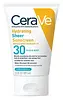 Key Ingredients
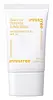
Benefits
Concerns
Ingredients Side-by-side
Homosalate
Skin Conditioning

Ethylhexyl Salicylate
UV Absorber
Octocrylene
UV Absorber

Zinc Oxide
Cosmetic Colorant
Water
Skin ConditioningGlycerin
Humectant


Coco-Caprylate/Caprate
Emollient
Propanediol
Solvent
Butyloctyl Salicylate
Skin Conditioning
C12-22 Alkyl Acrylate/Hydroxyethylacrylate Copolymer
StabilisingNiacinamide
Smoothing








Ethylhexyl Methoxycrylene
Skin Conditioning
Oryza Sativa Bran Wax
Skin Conditioning
Steareth-20
CleansingCeramide NP
Skin Conditioning
Ceramide AP
Skin Conditioning
Ceramide EOP
Skin Conditioning
Sorbitan Isostearate
Emulsifying
Carbomer
Emulsion StabilisingTriethoxycaprylylsilane

Cetearyl Alcohol
Emollient


Behentrimonium Methosulfate

Triethyl Citrate
Masking
Sodium Lauroyl Lactylate
EmulsifyingSodium Hyaluronate
Humectant
Cholesterol
Emollient
Chlorphenesin
Antimicrobial
Hydroxyacetophenone
Antioxidant
Hydroxyethyl Acrylate/Sodium Acryloyldimethyl Taurate Copolymer
Emulsion StabilisingCitric Acid
Buffering

Caprylic/Capric Triglyceride
Masking
Caprylyl Glycol
Emollient
Trisodium Ethylenediamine Disuccinate
Diethylhexyl Syringylidenemalonate
Skin ProtectingXanthan Gum
EmulsifyingPhytosphingosine
Skin Conditioning
Polyhydroxystearic Acid
Emulsifying
Polysorbate 60
Emulsifying
Benzoic Acid
Masking
Homosalate, Ethylhexyl Salicylate, Octocrylene, Zinc Oxide, Water, Glycerin, Coco-Caprylate/Caprate, Propanediol, Butyloctyl Salicylate, C12-22 Alkyl Acrylate/Hydroxyethylacrylate Copolymer, Niacinamide, Ethylhexyl Methoxycrylene, Oryza Sativa Bran Wax, Steareth-20, Ceramide NP, Ceramide AP, Ceramide EOP, Sorbitan Isostearate, Carbomer, Triethoxycaprylylsilane, Cetearyl Alcohol, Behentrimonium Methosulfate, Triethyl Citrate, Sodium Lauroyl Lactylate, Sodium Hyaluronate, Cholesterol, Chlorphenesin, Hydroxyacetophenone, Hydroxyethyl Acrylate/Sodium Acryloyldimethyl Taurate Copolymer, Citric Acid, Caprylic/Capric Triglyceride, Caprylyl Glycol, Trisodium Ethylenediamine Disuccinate, Diethylhexyl Syringylidenemalonate, Xanthan Gum, Phytosphingosine, Polyhydroxystearic Acid, Polysorbate 60, Benzoic Acid
Butyl Methoxydibenzoylmethane 2.5%
UV Absorber
Homosalate 7%
Skin Conditioning
Water 4.3%
Skin ConditioningButyloctyl Salicylate
Skin Conditioning
Butylene Glycol
Humectant
Ethylhexyl Methoxycrylene
Skin Conditioning
Arachidyl Alcohol
Emollient
Behenyl Alcohol
Emollient
Polymethylsilsesquioxane
1,2-Hexanediol
Skin Conditioning
Cetyl Alcohol
Emollient
Arachidyl Glucoside
EmulsifyingPhenoxyethanol
Preservative
Propanediol
Solvent
Polyacrylate Crosspolymer-6
Emulsion StabilisingOctyldodecanol
Emollient
Glyceryl Stearate
Emollient
PEG-100 Stearate
Parfum
Masking
Xanthan Gum
EmulsifyingLimonene
Perfuming
Centella Asiatica Extract
Cleansing
Portulaca Oleracea Extract
Skin Conditioning
Echium Plantagineum Seed Oil
Skin Conditioning
T-Butyl Alcohol
Perfuming

Camellia Sinensis Leaf Extract
Antimicrobial
Linalool
Perfuming
Ethylhexylglycerin
Skin ConditioningHelianthus Annuus Seed Oil Unsaponifiables
Emollient
Cardiospermum Halicacabum Flower/Leaf/Vine Extract
Skin ConditioningTocopherol
Antioxidant
Helianthus Annuus Seed Oil
Emollient
Glycerin
Humectant
Hamamelis Virginiana Leaf Extract
Skin Conditioning
Citrus Unshiu Peel Extract
Masking
Opuntia Coccinellifera Fruit Extract
Skin ConditioningOrchid Extract
Skin ConditioningCamellia Japonica Leaf Extract
Skin ConditioningCitric Acid
Buffering
Sodium Benzoate
Masking
Potassium Sorbate
Preservative
Butyl Methoxydibenzoylmethane 2.5%, Homosalate 7%, Water 4.3%, Butyloctyl Salicylate, Butylene Glycol, Ethylhexyl Methoxycrylene, Arachidyl Alcohol, Behenyl Alcohol, Polymethylsilsesquioxane, 1,2-Hexanediol, Cetyl Alcohol, Arachidyl Glucoside, Phenoxyethanol, Propanediol, Polyacrylate Crosspolymer-6, Octyldodecanol, Glyceryl Stearate, PEG-100 Stearate, Parfum, Xanthan Gum, Limonene, Centella Asiatica Extract, Portulaca Oleracea Extract, Echium Plantagineum Seed Oil, T-Butyl Alcohol, Camellia Sinensis Leaf Extract, Linalool, Ethylhexylglycerin, Helianthus Annuus Seed Oil Unsaponifiables, Cardiospermum Halicacabum Flower/Leaf/Vine Extract, Tocopherol, Helianthus Annuus Seed Oil, Glycerin, Hamamelis Virginiana Leaf Extract, Citrus Unshiu Peel Extract, Opuntia Coccinellifera Fruit Extract, Orchid Extract, Camellia Japonica Leaf Extract, Citric Acid, Sodium Benzoate, Potassium Sorbate
Reviews
Ingredients Explained
These ingredients are found in both products.
Ingredients higher up in an ingredient list are typically present in a larger amount.
Butyloctyl Salicylate is a chemical UV filter structurally similar to octisalate. It is a photostabilizer, SPF booster, emollient and solvent. This ingredient helps evenly spread out ingredients.
According to a manufacturer, it is suitable for pairing with micro Titanium Dioxide, Zinc Oxide, and pigments.
Photostabilizers help stabilize UV-filters and prevents them from degrading quickly.
Learn more about Butyloctyl SalicylateCitric Acid is an alpha hydroxy acid (AHA) naturally found in citrus fruits like oranges, lemons, and limes.
Like other AHAs, citric acid can exfoliate skin by breaking down the bonds that hold dead skin cells together. This helps reveal smoother and brighter skin underneath.
However, this exfoliating effect only happens at high concentrations (20%) which can be hard to find in cosmetic products.
Due to this, citric acid is usually included in small amounts as a pH adjuster. This helps keep products slightly more acidic and compatible with skin's natural pH.
In skincare formulas, citric acid can:
While it can provide some skin benefits, research shows lactic acid and glycolic acid are generally more effective and less irritating exfoliants.
Most citric acid used in skincare today is made by fermenting sugars (usually from molasses). This synthetic version is identical to the natural citrus form but easier to stabilize and use in formulations.
Read more about some other popular AHA's here:
Learn more about Citric AcidThis ingredient is a photostabilizer and a chemical UV booster. It is marketed as an alternative to octocrylene.
You'll most likely find it in sunscreens to enhance stability and effectiveness of UV filters, antioxidants, and vitamin A derivatives. According to the manufacturer, this ingredient is better than octocrylene at stabilizing avobenzone.
Due to regulation loopholes, you'll likely see this ingredient in "100% mineral" sunscreens.
Learn more about Ethylhexyl MethoxycryleneGlycerin (or glycerol) is a compound naturally found in your skin. It's a powerhouse humectant that pulls water into the stratum corneum.
Topically, glycerin does several things at once:
Your skin makes glycerin on its own (mostly from sebaceous oil breakdown) and shuttles it to your outermost layer of skin, or your epidermis, via aquaporin-3.
Aquaporin-3 is a transporter that is essential for normal skin hydration, elasticity, and repair. Interestingly, mice lacking in AQP3 have dry and less elastic skin that can be fully corrected with glycerin.
This ingredient is non-irritating, plays well with almost every ingredient, and works across all skin types. Typical use is anywhere between 3-10% but can go up to 79% in some leave-on products.
Just know very high concentrations (>40%) can feel tacky in low humidity.
Glycerin is the name for this ingredient in American English. British English uses Glycerol/Glycerine.
Learn more about GlycerinHomosalate is a chemical sunscreen filter that provides protection in the UV-B range (280nm - 320 nm), with a peak protection at 306 nm. It is internationally approved for use in sunscreens.
Homosalate is not photo-stable, meaning it's strength as a UV filter degrades over time with exposure to the sun. Because of this, it's often used in combination with other chemical sunscreen filters as avobenzone (which protects from the UV-A range). Homosalate also helps act as a solvent for harder-to-dissolve UV filters.
(Part of the reason that sunscreens need to be frequently re-applied is due to the photo instability of many chemical sunscreen filters)
Currently, homosalate is approved in concentrations up to 10% in the EU and 15% in the US. The FDA is currently doing further research on the effects of homosalate, and it is possible that these approved concentrations will change in the future.
Learn more about HomosalatePropanediol is an all-star ingredient. It softens, hydrates, and smooths the skin.
It’s often used to:
Propanediol is not likely to cause sensitivity and considered safe to use. It is derived from corn or petroleum with a clear color and no scent.
Learn more about PropanediolWater. It's the most common cosmetic ingredient of all. You'll usually see it at the top of ingredient lists, meaning that it makes up the largest part of the product.
So why is it so popular? Water most often acts as a solvent - this means that it helps dissolve other ingredients into the formulation.
You'll also recognize water as that liquid we all need to stay alive. If you see this, drink a glass of water. Remember to stay hydrated!
Learn more about WaterXanthan gum is used as a stabilizer and thickener within cosmetic products. It helps give products a sticky, thick feeling - preventing them from being too runny.
On the technical side of things, xanthan gum is a polysaccharide - a combination consisting of multiple sugar molecules bonded together.
Xanthan gum is a pretty common and great ingredient. It is a natural, non-toxic, non-irritating ingredient that is also commonly used in food products.
Learn more about Xanthan Gum
