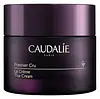
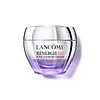
Caudalie Premier Cru Anti Aging Cream Moisturizer with Hyaluronic Acid Versus Lancôme Rénergie H.P.N. UV Mune SPF 50 Cream

What's inside
What's inside
 Key Ingredients
Benefits
Concerns
Ingredients Side-by-side
Water
Skin ConditioningGlycerin
Humectant


Butylene Glycol
Humectant
Caprylic/Capric Triglyceride
Masking
Hydrogenated Ethylhexyl Olivate
EmollientCetearyl Alcohol
Emollient





Cetearyl Glucoside
Emulsifying
Coco-Caprylate/Caprate
Emollient
Hydrogenated Olive Oil Unsaponifiables
Emollient
Sesamum Indicum Seed Oil
Emollient
Vitis Vinifera Seed Oil
Emollient
Butyrospermum Parkii Butter Extract
Skin Conditioning
Propanediol
Solvent
Palmitoyl Grapevine Shoot Extract
Antioxidant


Palmitoyl Grape Seed Extract
Skin ConditioningPentaerythrityl Distearate
Emulsifying
Potassium Cetyl Phosphate
EmulsifyingCarbomer
Emulsion StabilisingCaprylyl Glycol
Emollient
Xanthan Gum
EmulsifyingHydrolyzed Hyaluronic Acid
Humectant

Magnolia Grandiflora Bark Extract
Antimicrobial
Potassium Sorbate
Preservative
Tocopherol
Antioxidant
Helianthus Annuus Seed Oil
Emollient
Adenosine
Skin Conditioning
Sodium Hydroxide
BufferingSodium Phytate
Gleditsia Triacanthos Seed Extract
Paeonia Lactiflora Root Extract
Skin ConditioningParfum
Masking


Geraniol
Perfuming
Linalool
Perfuming
Citronellol
Perfuming
Water, Glycerin, Butylene Glycol, Caprylic/Capric Triglyceride, Hydrogenated Ethylhexyl Olivate, Cetearyl Alcohol, Cetearyl Glucoside, Coco-Caprylate/Caprate, Hydrogenated Olive Oil Unsaponifiables, Sesamum Indicum Seed Oil, Vitis Vinifera Seed Oil, Butyrospermum Parkii Butter Extract, Propanediol, Palmitoyl Grapevine Shoot Extract, Palmitoyl Grape Seed Extract, Pentaerythrityl Distearate, Potassium Cetyl Phosphate, Carbomer, Caprylyl Glycol, Xanthan Gum, Hydrolyzed Hyaluronic Acid, Magnolia Grandiflora Bark Extract, Potassium Sorbate, Tocopherol, Helianthus Annuus Seed Oil, Adenosine, Sodium Hydroxide, Sodium Phytate, Gleditsia Triacanthos Seed Extract, Paeonia Lactiflora Root Extract, Parfum, Geraniol, Linalool, Citronellol
Water
Skin ConditioningDiisopropyl Sebacate
EmollientDiisopropyl Adipate
EmollientSilica
Abrasive


Bis-Ethylhexyloxyphenol Methoxyphenyl Triazine
Skin Conditioning
Ethylhexyl Triazone
UV Absorber
Propylene Glycol
Humectant
Butyl Methoxydibenzoylmethane
UV Absorber
Alcohol Denat.
Antimicrobial

C12-15 Alkyl Benzoate
AntimicrobialNiacinamide
Smoothing


Dimethicone
Emollient
Aluminum Starch Octenylsuccinate
Absorbent
Dipropylene Glycol
HumectantStearic Acid
Cleansing
Potassium Cetyl Phosphate
EmulsifyingBehenyl Alcohol
Emollient
Methoxypropylamino Cyclohexenylidene Ethoxyethylcyanoacetate
Stabilising
Oryza Sativa Cera
Skin ConditioningOryza Sativa Bran Wax
Skin Conditioning
CI 17200
Cosmetic ColorantCI 42090
Cosmetic ColorantTocopherol
Antioxidant
Lactobacillus Ferment
Skin Conditioning
Cyclodextrin
AbsorbentSodium Cocoyl Sarcosinate
Cleansing
Sodium Acetylated Hyaluronate
Humectant
Sodium Polyacrylate
Absorbent
Hydrolyzed Lupine Protein
Skin ConditioningHydrolyzed Linseed Extract
Skin ConditioningSodium Chloride
MaskingSodium Benzoate
Masking
Phenoxyethanol
Preservative
Adenosine
Skin Conditioning
PEG-100 Stearate
Surfactant
Triethanolamine
BufferingTrisodium Ethylenediamine Disuccinate
Palmitic Acid
Emollient
Pentylene Glycol
Skin Conditioning
Pentaerythrityl Tetra-Di-T-Butyl Hydroxyhydrocinnamate
Antioxidant
Xanthan Gum
EmulsifyingDrometrizole Trisiloxane
UV Absorber
Acrylates/C10-30 Alkyl Acrylate Crosspolymer
Emulsion StabilisingMyristic Acid
Cleansing
Pisum Sativum Extract
Skin ConditioningGlyceryl Stearate
Emollient
Parfum
Masking
Water, Diisopropyl Sebacate, Diisopropyl Adipate, Silica, Bis-Ethylhexyloxyphenol Methoxyphenyl Triazine, Ethylhexyl Triazone, Propylene Glycol, Butyl Methoxydibenzoylmethane, Alcohol Denat., C12-15 Alkyl Benzoate, Niacinamide, Dimethicone, Aluminum Starch Octenylsuccinate, Dipropylene Glycol, Stearic Acid, Potassium Cetyl Phosphate, Behenyl Alcohol, Methoxypropylamino Cyclohexenylidene Ethoxyethylcyanoacetate, Oryza Sativa Cera, Oryza Sativa Bran Wax, CI 17200, CI 42090, Tocopherol, Lactobacillus Ferment, Cyclodextrin, Sodium Cocoyl Sarcosinate, Sodium Acetylated Hyaluronate, Sodium Polyacrylate, Hydrolyzed Lupine Protein, Hydrolyzed Linseed Extract, Sodium Chloride, Sodium Benzoate, Phenoxyethanol, Adenosine, PEG-100 Stearate, Triethanolamine, Trisodium Ethylenediamine Disuccinate, Palmitic Acid, Pentylene Glycol, Pentaerythrityl Tetra-Di-T-Butyl Hydroxyhydrocinnamate, Xanthan Gum, Drometrizole Trisiloxane, Acrylates/C10-30 Alkyl Acrylate Crosspolymer, Myristic Acid, Pisum Sativum Extract, Glyceryl Stearate, Parfum
Reviews
Ingredients Explained
These ingredients are found in both products.
Ingredients higher up in an ingredient list are typically present in a larger amount.
Adenosine is a purine nucleoside that your body already makes in every cell. In skincare, it acts mainly as a skin conditioning and anti-aging agent.
The way it works is fairly well mapped out:
Your skin has cells called fibroblasts that build collagen (the stuff that keeps skin firm and smooth). Adenosine basically flips a switch on these cells that tells them to get to work making more collagen and other proteins. These cells slow down on their own as skin ages, so Adenosine helps give them a little nudge to keep going.
The clinical backing is pretty solid too.
A blind, randomized, placebo-controlled trial of 126 women aged 45-65 tested a 0.1% cream twice daily and found real improvements in crow's feet and frown lines using a precise 3D skin-mapping technique; these changes showed up by week 3 and held at 2 months.
A later study using Adenosine-loaded dissolving microneedle patches reported gains in wrinkle depth, dermal density, elasticity, and hydration.
On concentrations, South Korea's Ministry of Food and Drug Safety has set 0.04% as the approved functional anti-wrinkle level. You'll typically see this ingredient used somewhere in the 0.04-0.1% range since it works at low doses.
This ingredient has been found safe for cosmetics with the data showing no irritation or sensitization.
Overall, this is a great ingredient for any anti-aging routine and has no photosensitizing effect, so it suits both AM and PM use.
Learn more about AdenosineParfum is a catch-all term for an ingredient or more that is used to give a scent to products.
Also called "fragrance", this ingredient can be a blend of hundreds of chemicals or plant oils. This means every product with "fragrance" or "parfum" in the ingredients list is a different mixture.
For instance, Habanolide is a proprietary trade name for a specific aroma chemical. When used as a fragrance ingredient in cosmetics, most aroma chemicals fall under the broad labeling category of “FRAGRANCE” or “PARFUM” according to EU and US regulations.
The term 'parfum' or 'fragrance' is not regulated in many countries. In many cases, it is up to the brand to define this term.
For instance, many brands choose to label themselves as "fragrance-free" because they are not using synthetic fragrances. However, their products may still contain ingredients such as essential oils that are considered a fragrance by INCI standards.
One example is Calendula flower extract. Calendula is an essential oil that still imparts a scent or 'fragrance'.
Depending on the blend, the ingredients in the mixture can cause allergies and sensitivities on the skin. Some ingredients that are known EU allergens include linalool and citronellol.
Parfum can also be used to mask or cover an unpleasant scent.
The bottom line is: not all fragrances/parfum/ingredients are created equally. If you are worried about fragrances, we recommend taking a closer look at an ingredient. And of course, we always recommend speaking with a professional.
Learn more about ParfumPotassium Cetyl Phosphate is the potassium salt of a mixture. This mixture consists of the esters from phosphoricacid and cetyl alcohol.
Potassium Cetyl Phosphate is an emulsifier and cleansing agent. Emulsifiers help stabilize a product. It does this by preventing certain ingredients from separating.
As a cleansing agent, Potassium Cetyl Phosphate helps gather oils, dirts, and pollutants from your skin. This makes it easier to rinse them away with water.
Learn more about Potassium Cetyl PhosphateTocopherol is a fat-soluble antioxidant known as Vitamin E.
You'll find this ingredient in the vast majority of skincare (for good reason). It works to neutralize free radicals, or unstable molecules generated by UV exposure, pollution, and other environmental stressors, before they can cause oxidative damage to your skin cells.
Topically applied tocopherol has been shown to protect against UV damage by ramping up the skin's own natural defense enzymes.
It also acts as a skin conditioning agent; some studies show that regular topical use can improve the skin's water-binding capacity over 2-4 weeks.
This ingredient is especially loved for being a team player. When combined with Vitamin C, the photoprotective effect of both ingredients roughly doubles and the combo also helps reduce UV-induced DNA damage.
This ingredient has some brightening potential but it's more of a prevention ingredient than spot-fader. Cell studies show it can slow down melanin production but it's worth noting that it's not the most powerful brightener out there.
In formulations, it also serves as a stabilizer that helps protect other oxidation-prone ingredients from degrading.
Concentrations usually range from 0.1-1% in most leave-on products.
Learn more about TocopherolWater. It's the most common cosmetic ingredient of all. You'll usually see it at the top of ingredient lists, meaning that it makes up the largest part of the product.
So why is it so popular? Water most often acts as a solvent - this means that it helps dissolve other ingredients into the formulation.
You'll also recognize water as that liquid we all need to stay alive. If you see this, drink a glass of water. Remember to stay hydrated!
Learn more about WaterXanthan gum is used as a stabilizer and thickener within cosmetic products. It helps give products a sticky, thick feeling - preventing them from being too runny.
On the technical side of things, xanthan gum is a polysaccharide - a combination consisting of multiple sugar molecules bonded together.
Xanthan gum is a pretty common and great ingredient. It is a natural, non-toxic, non-irritating ingredient that is also commonly used in food products.
Learn more about Xanthan Gum

