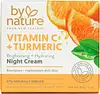
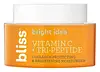
By Nature Brightening Night Cream with Vitamin C + Turmeric Versus Bliss Bright Idea Vitamin C + Tri-Peptide Collagen Protecting & Brightening Moisturizer
This brightening night moisturizer is formulated around Magnesium Ascorbyl Phosphate and Ascorbic Acid to brighten dull-looking skin.
This brightening moisturizer is formulated around 3-O-Ethyl Ascorbic Acid and Palmitoyl Tripeptide-5 to brighten dull-looking skin and soften the look of wrinkles.

What's inside
What's inside
 Key Ingredients
Benefits
Concerns
Ingredients Side-by-side
Water
Skin ConditioningAloe Barbadensis Leaf Juice
Skin Conditioning


Prunus Amygdalus Dulcis Oil
Skin Conditioning




Glycerin
Humectant

Cetearyl Olivate
Glyceryl Stearate
Emollient
Sorbitan Olivate
Emulsifying
Cetyl Alcohol
Emollient

Stearic Acid
Cleansing
Benzyl Alcohol
Perfuming





Persea Gratissima Oil
Skin Conditioning
Cocos Nucifera Oil
Masking
Sodium Citrate
BufferingTocopheryl Acetate
Antioxidant


Xanthan Gum
EmulsifyingSodium Hyaluronate
Humectant

Parfum
Masking
Salicylic Acid
Masking





Magnesium Ascorbyl Phosphate
Antioxidant
Ascorbic Acid
Antioxidant
Sorbic Acid
Preservative
Citrus Reticulata Fruit Extract
Skin ProtectingCurcuma Longa Root Extract
Antioxidant
Sodium Hydroxide
BufferingAmyl Cinnamal
Perfuming
Citral
Perfuming
Limonene
Perfuming
Water, Aloe Barbadensis Leaf Juice, Prunus Amygdalus Dulcis Oil, Glycerin, Cetearyl Olivate, Glyceryl Stearate, Sorbitan Olivate, Cetyl Alcohol, Stearic Acid, Benzyl Alcohol, Persea Gratissima Oil, Cocos Nucifera Oil, Sodium Citrate, Tocopheryl Acetate, Xanthan Gum, Sodium Hyaluronate, Parfum, Salicylic Acid, Magnesium Ascorbyl Phosphate, Ascorbic Acid, Sorbic Acid, Citrus Reticulata Fruit Extract, Curcuma Longa Root Extract, Sodium Hydroxide, Amyl Cinnamal, Citral, Limonene
Water
Skin ConditioningGlycerin
Humectant
Caprylic/Capric Triglyceride
Masking
Propanediol
Solvent
Cetearyl Alcohol
Emollient
3-O-Ethyl Ascorbic Acid
Skin Conditioning
Coco-Caprylate/Caprate
Emollient
Hydrogenated Farnesene
EmollientGlyceryl Stearate
Emollient
Butyrospermum Parkii Butter
Skin Conditioning
Limnanthes Alba Seed Oil
Skin Conditioning
Palmitoyl Tripeptide-5
Skin Conditioning
Glycyrrhiza Glabra Root Extract
Bleaching
Saccharide Isomerate
Humectant
Ceramide Ng
Skin Conditioning
Tocopherol
Antioxidant
Niacinamide
Smoothing
Mangifera Indica Fruit Extract
Skin ConditioningEuterpe Oleracea Fruit Extract
Camellia Sinensis Leaf Extract
Antimicrobial
Pseudozyma Epicola/Camellia Japonica Seed Oil Ferment Extract Filtrate
Emulsion Stabilising
Aloe Barbadensis Leaf Juice
Skin Conditioning
Persea Gratissima Oil
Skin Conditioning
Glycine Soja Oil
Emollient
Simmondsia Chinensis Seed Oil
Emollient
Argania Spinosa Kernel Oil
Emollient
Xanthan Gum
EmulsifyingAcacia Senegal Gum
MaskingHydroxyacetophenone
Antioxidant
Cetearyl Olivate
Caprylyl Glycol
Emollient
Polyacrylate Crosspolymer-6
Emulsion StabilisingHydroxyethyl Acrylate/Sodium Acryloyldimethyl Taurate Copolymer
Emulsion StabilisingPolyglyceryl-4 Laurate/Succinate
PEG-100 Stearate
Surfactant
Sorbitan Olivate
Emulsifying
Cetearyl Glucoside
Emulsifying
Hexylene Glycol
EmulsifyingEthoxydiglycol
HumectantSodium Citrate
BufferingTetrasodium Glutamate Diacetate
ChelatingSodium Metabisulfite
Antioxidant
Phenoxyethanol
Preservative
Ethylhexylglycerin
Skin ConditioningPotassium Sorbate
Preservative
Sodium Benzoate
Masking
Citric Acid
Buffering
Parfum
Masking
Limonene
Perfuming
Water, Glycerin, Caprylic/Capric Triglyceride, Propanediol, Cetearyl Alcohol, 3-O-Ethyl Ascorbic Acid, Coco-Caprylate/Caprate, Hydrogenated Farnesene, Glyceryl Stearate, Butyrospermum Parkii Butter, Limnanthes Alba Seed Oil, Palmitoyl Tripeptide-5, Glycyrrhiza Glabra Root Extract, Saccharide Isomerate, Ceramide Ng, Tocopherol, Niacinamide, Mangifera Indica Fruit Extract, Euterpe Oleracea Fruit Extract, Camellia Sinensis Leaf Extract, Pseudozyma Epicola/Camellia Japonica Seed Oil Ferment Extract Filtrate, Aloe Barbadensis Leaf Juice, Persea Gratissima Oil, Glycine Soja Oil, Simmondsia Chinensis Seed Oil, Argania Spinosa Kernel Oil, Xanthan Gum, Acacia Senegal Gum, Hydroxyacetophenone, Cetearyl Olivate, Caprylyl Glycol, Polyacrylate Crosspolymer-6, Hydroxyethyl Acrylate/Sodium Acryloyldimethyl Taurate Copolymer, Polyglyceryl-4 Laurate/Succinate, PEG-100 Stearate, Sorbitan Olivate, Cetearyl Glucoside, Hexylene Glycol, Ethoxydiglycol, Sodium Citrate, Tetrasodium Glutamate Diacetate, Sodium Metabisulfite, Phenoxyethanol, Ethylhexylglycerin, Potassium Sorbate, Sodium Benzoate, Citric Acid, Parfum, Limonene
Reviews
Ingredients Explained
These ingredients are found in both products.
Ingredients higher up in an ingredient list are typically present in a larger amount.
Aloe Barbadensis Leaf Juice is the filtered, stabilized liquid pressed from the inner gel of the aloe vera leaf.
In cosmetics, it shows up as either soothing active or a water-replacement base. It is roughly 98-99% water and the last 1-2% is an interesting mix of polysaccharides, amino acids, vitamins, minerals, and enzymes.
The polysaccharides do most of the work: they bind water at the skin surface for a light, non-greasy hydration boost. And one of the polysaccharides, glycomannan, is linked to fibroblast stimulation + collagen synthesis. This is also why aloe has such a long track record in wound and burn healing.
This ingredient is also calming with anti-inflammatory and mild antimicrobial activity, making it a great pick for sensitive, irritated, or post-sun skin.
Realistic expectations matter though; the solid evidence is mostly limited to hydration, soothing, and wound support. Deeper claims about anti-aging or sun protection are not well backed, and science reviews note it does not prevent radiation-induced skin injury.
Because it plays well with almost everything, it's commonly used as a base alongside other actives like niacinamide or vitamin C.
Typical usage concentrations range from 0.5% (where hydration benefits already show up) all the way to 90%+ (where it replaces water as the main base).
The safety for this ingredient is well-establish as well. Overall, this is a great supporting ingredient for those who want a boost in hydration.
Learn more about Aloe Barbadensis Leaf JuiceCetearyl Olivate is a plant-derived emulsifier and texture enhancer. It helps keep the oil and water phases from separating so your formulas stay stable.
You'll likely see it combined with Sorbitan Olivate (together sold as the trade name Olivem 1000). This combination generates a liquid crystal structure that closely resemble the lipid organization of the stratum corneum.
These "skin-like" liquid crystals improve skin barrier integrity and promote the delivery of actives into the skin.
This ingredient is well-tolerated and has no significant sensitization data.
Because it is derived from the fatty acids in olive oil, this ingredient may not be fungal acne safe.
Learn more about Cetearyl OlivateGlycerin (or glycerol) is a compound naturally found in your skin. It's a powerhouse humectant that pulls water into the stratum corneum.
Topically, glycerin does several things at once:
Your skin makes glycerin on its own (mostly from sebaceous oil breakdown) and shuttles it to your outermost layer of skin, or your epidermis, via aquaporin-3.
Aquaporin-3 is a transporter that is essential for normal skin hydration, elasticity, and repair. Interestingly, mice lacking in AQP3 have dry and less elastic skin that can be fully corrected with glycerin.
This ingredient is non-irritating, plays well with almost every ingredient, and works across all skin types. Typical use is anywhere between 3-10% but can go up to 79% in some leave-on products.
Just know very high concentrations (>40%) can feel tacky in low humidity.
Glycerin is the name for this ingredient in American English. British English uses Glycerol/Glycerine.
Learn more about GlycerinGlyceryl Stearate is made by reacting glycerin with stearic acid (typically sourced from plant oils like palm or coconut). It's an emulsifier, emollient, and mild occlusive.
Emulsifiers help ingredients like oil and water stay mixed so your formula stays nicely blended and uniform in texture.
This ingredient is typically used in concentrations between 1-10%. Studies have found it to be non-sensitizing, non-phototoxic, and non-photoallergenic.
A close cousin of this ingredient is Glyceryl Stearate SE ("self-emulsifying"). This just has a small amount of sodium or potassium stearate added so it can emulsify without a co-emulsifier.
Since this ingredient is an ester of a C18 fatty acid, it may not be fungal acne safe. The Malassezia yeast can potentially metabolize within the C11-C24 range.
Fun fact: The human body also creates Glyceryl Stearate naturally.
Learn more about Glyceryl StearateLimonene is the compound that gives citrus peel its smell.
In skincare, it shows up as a standalone fragrance ingredient or as a natural compound of citrus and other essential oils.
You'll typically see this ingredient used in very small amounts; anything above 0.001% in a leave-on product or 0.01% in a rinse-off has to be named on the label in the EU. The citrus oils that carry it sit around 0.5-1% in a finished formula.
Fresh limonene is a weak allergen; the real issue is that it slowly reacts with air and then breaks down from oxidation to create hydroperoxides (which are strong sensitizers). This is why suppliers are required to keep the peroxide value below 20 mmol.
Positive reactions in people being investigated for eczema vary:
It's worth skipping if you have a known fragrance allergy or a compromised barrier, but the risk is low for most people.
Older or long-opened products are also more likely to bother you than fresh ones due to oxidation.
Learn more about LimoneneParfum is a catch-all term for an ingredient or more that is used to give a scent to products.
Also called "fragrance", this ingredient can be a blend of hundreds of chemicals or plant oils. This means every product with "fragrance" or "parfum" in the ingredients list is a different mixture.
For instance, Habanolide is a proprietary trade name for a specific aroma chemical. When used as a fragrance ingredient in cosmetics, most aroma chemicals fall under the broad labeling category of “FRAGRANCE” or “PARFUM” according to EU and US regulations.
The term 'parfum' or 'fragrance' is not regulated in many countries. In many cases, it is up to the brand to define this term.
For instance, many brands choose to label themselves as "fragrance-free" because they are not using synthetic fragrances. However, their products may still contain ingredients such as essential oils that are considered a fragrance by INCI standards.
One example is Calendula flower extract. Calendula is an essential oil that still imparts a scent or 'fragrance'.
Depending on the blend, the ingredients in the mixture can cause allergies and sensitivities on the skin. Some ingredients that are known EU allergens include linalool and citronellol.
Parfum can also be used to mask or cover an unpleasant scent.
The bottom line is: not all fragrances/parfum/ingredients are created equally. If you are worried about fragrances, we recommend taking a closer look at an ingredient. And of course, we always recommend speaking with a professional.
Learn more about ParfumThis ingredient is also known as Avocado oil. It's the cold-pressed oil from the flesh of the avocado fruit packed with fatty acids (mostly oleic acid).
The rich fatty acid profile allows it to function as a skin conditioning agent and emollient; it helps soften and smooth skin while reducing water loss.
Preclinical research has found that topical avocado oil increased collagen synthesis and reduced inflammation during wound healing, giving it some skin-repairing credibility.
The unsaponifiable fraction of the oil is also interesting: studies on avocado unsaponifiables showed that it helped skin produce more collagen and other structural compounds that support healing.
The CIR Expert Panel has found this ingredient to be non-irritating in formulations.
It's a great ingredient for dry or compromised skin. Just know it may not be fungal acne safe. This is because the oleic acid content falls within the range that Malassezia can use as a food source.
Learn more about Persea Gratissima OilSodium Citrate is the sodium salts of citric acid. In skincare, it is used to alter pH levels and acts as a preservative.
Its main functions are to maintain the pH of a product and neutralize metal ions.
The acidity of our skin is maintained by our glands and skin biome; normal pH level of skin is slightly acidic (~4.75-5.5).
Being slightly acidic allows our skin to create an "acid mantle". This acid mantle is a thin barrier that protects our skin from bacteria and contaminants.
Learn more about Sodium CitrateSorbitan Olivate is created from the fatty acids in olive oil and sorbitol.
This ingredient is an oil in water emulsifier. It helps stabilize a product by preventing oils and waters from separating. Sorbitan Olivate also helps hydrate the skin.
This ingredient is also known as part of Olivem 1000, with Cetearyl Olivate being the other part.
According to a manufacturer, this ingredient helps preserve the natural microbiome of skin. Having a healthy microbiome helps keep our skin healthy and protects against harmful bacteria.
Please note, having a healthy microbiome is different from fungal acne; a healthy microbiome includes small amounts of yeast that normally live on your skin without causing problems.
Fungal acne happens when one type of yeast (Malassezia) grows out of control. This is usually because it's feeding on certain oils or fatty acids. Due to the olive oil base, this ingredient may not be fungal acne safe.
Learn more about Sorbitan OlivateWater. It's the most common cosmetic ingredient of all. You'll usually see it at the top of ingredient lists, meaning that it makes up the largest part of the product.
So why is it so popular? Water most often acts as a solvent - this means that it helps dissolve other ingredients into the formulation.
You'll also recognize water as that liquid we all need to stay alive. If you see this, drink a glass of water. Remember to stay hydrated!
Learn more about WaterXanthan gum is used as a stabilizer and thickener within cosmetic products. It helps give products a sticky, thick feeling - preventing them from being too runny.
On the technical side of things, xanthan gum is a polysaccharide - a combination consisting of multiple sugar molecules bonded together.
Xanthan gum is a pretty common and great ingredient. It is a natural, non-toxic, non-irritating ingredient that is also commonly used in food products.
Learn more about Xanthan Gum

