
What's inside
What's inside
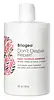 Key Ingredients
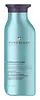
No key ingredients
Benefits
Concerns
Ingredients Side-by-side
Water
Skin ConditioningGlycerin
Humectant


Ethylhexyl Palmitate
Emollient




Behentrimonium Chloride
Preservative
Glycine Soja Oil
Emollient


Brassica Alcohol
Emollient
Cetyl Alcohol
Emollient
Stearyl Alcohol
Emollient
Sodium PCA
Humectant
Argania Spinosa Kernel Oil
Emollient
Laminaria Saccharina Extract
Skin Protecting
Panthenol
Skin Conditioning
Aloe Barbadensis Leaf Juice
Skin Conditioning
Brassicyl Isoleucinate Esylate
Emulsion StabilisingPrunus Amygdalus Dulcis Oil
Skin Conditioning
Chamomilla Recutita Flower Extract
Masking
Santalum Album Oil
Masking

Amyris Balsamifera Bark Oil
Masking

Pogostemon Cablin Leaf Oil
Masking
Elettaria Cardamomum Seed Oil
Masking
Ferula Galbaniflua Resin Oil
Antimicrobial
Guar Hydroxypropyltrimonium Chloride
Skin ConditioningCetrimonium Chloride
Antimicrobial
Arginine
Masking
Biotin
AntiseborrhoeicCocos Nucifera Oil
Masking
Butyrospermum Parkii Butter
Skin Conditioning
Sorbitan Oleate Decylglucoside Crosspolymer
CleansingRosa Canina Fruit Oil
Emollient
Algin
MaskingCaprylic/Capric Triglyceride
Masking
Chitosan
Citric Acid
Buffering

Potassium Sorbate
Preservative
Sodium Benzoate
Masking
Parfum
Masking
Dehydroacetic Acid
Preservative
Benzyl Alcohol
Perfuming
Water, Glycerin, Ethylhexyl Palmitate, Behentrimonium Chloride, Glycine Soja Oil, Brassica Alcohol, Cetyl Alcohol, Stearyl Alcohol, Sodium PCA, Argania Spinosa Kernel Oil, Laminaria Saccharina Extract, Panthenol, Aloe Barbadensis Leaf Juice, Brassicyl Isoleucinate Esylate, Prunus Amygdalus Dulcis Oil, Chamomilla Recutita Flower Extract, Santalum Album Oil, Amyris Balsamifera Bark Oil, Pogostemon Cablin Leaf Oil, Elettaria Cardamomum Seed Oil, Ferula Galbaniflua Resin Oil, Guar Hydroxypropyltrimonium Chloride, Cetrimonium Chloride, Arginine, Biotin, Cocos Nucifera Oil, Butyrospermum Parkii Butter, Sorbitan Oleate Decylglucoside Crosspolymer, Rosa Canina Fruit Oil, Algin, Caprylic/Capric Triglyceride, Chitosan, Citric Acid, Potassium Sorbate, Sodium Benzoate, Parfum, Dehydroacetic Acid, Benzyl Alcohol
Water
Skin ConditioningSodium Cocoyl Isethionate
Cleansing
Disodium Laureth Sulfosuccinate
CleansingSodium Lauryl Sulfoacetate
CleansingSodium Lauroyl Sarcosinate
CleansingCoco-Betaine
Cleansing
Glycol Distearate
Emollient
Glycereth-26
Humectant
Decyl Glucoside
Cleansing
Coconut Acid
Cleansing
Sodium Hydroxide
BufferingParfum
Masking
Sodium Isethionate
CleansingCitric Acid
Buffering
PPG-5-Ceteth-20
EmulsifyingSodium Chloride
MaskingDivinyldimethicone/Dimethicone Copolymer

Polyquaternium-7
Amodimethicone
Polyquaternium-10
Carbomer
Emulsion StabilisingAcrylates Copolymer
PEG-55 Propylene Glycol Oleate
Surfactant
Propylene Glycol
Humectant
C11-15 Pareth-7
EmulsifyingHexyl Cinnamal
Perfuming
Benzoic Acid
Masking
Laureth-9
EmulsifyingButylene Glycol
Humectant
Glycerin
Humectant
Linalool
Perfuming
Tocopherol
Antioxidant


Olea Europaea Fruit Oil
Masking
Camelina Sativa Seed Oil
Skin Conditioning
Trideceth-12
EmulsifyingSalicylic Acid
Masking




Helianthus Annuus Seed Extract
Skin Conditioning
Sodium Benzoate
Masking
Magnesium Nitrate
Benzyl Alcohol
Perfuming
C12-13 Pareth-23
CleansingC12-13 Pareth-3
EmulsifyingHydrolyzed Vegetable Protein Pg-Propyl Silanetriol
Skin ConditioningLimonene
Perfuming
Arginine
Masking
2-Oleamido-1,3-Octadecanediol
Skin ConditioningPoly(Linseed Oil)
Benzophenone-4
UV Absorber
Phenoxyethanol
Preservative
Citronellol
Perfuming
CI 14700
Cosmetic ColorantMethylchloroisothiazolinone
Preservative
Sorbic Acid
Preservative
Haematococcus Pluvialis Extract
Antioxidant
Magnesium Chloride
Methylisothiazolinone
Preservative
Caprylic/Capric Triglyceride
Masking
Potassium Sorbate
Preservative
CI 15510
Cosmetic ColorantWater, Sodium Cocoyl Isethionate, Disodium Laureth Sulfosuccinate, Sodium Lauryl Sulfoacetate, Sodium Lauroyl Sarcosinate, Coco-Betaine, Glycol Distearate, Glycereth-26, Decyl Glucoside, Coconut Acid, Sodium Hydroxide, Parfum, Sodium Isethionate, Citric Acid, PPG-5-Ceteth-20, Sodium Chloride, Divinyldimethicone/Dimethicone Copolymer, Polyquaternium-7, Amodimethicone, Polyquaternium-10, Carbomer, Acrylates Copolymer, PEG-55 Propylene Glycol Oleate, Propylene Glycol, C11-15 Pareth-7, Hexyl Cinnamal, Benzoic Acid, Laureth-9, Butylene Glycol, Glycerin, Linalool, Tocopherol, Olea Europaea Fruit Oil, Camelina Sativa Seed Oil, Trideceth-12, Salicylic Acid, Helianthus Annuus Seed Extract, Sodium Benzoate, Magnesium Nitrate, Benzyl Alcohol, C12-13 Pareth-23, C12-13 Pareth-3, Hydrolyzed Vegetable Protein Pg-Propyl Silanetriol, Limonene, Arginine, 2-Oleamido-1,3-Octadecanediol, Poly(Linseed Oil), Benzophenone-4, Phenoxyethanol, Citronellol, CI 14700, Methylchloroisothiazolinone, Sorbic Acid, Haematococcus Pluvialis Extract, Magnesium Chloride, Methylisothiazolinone, Caprylic/Capric Triglyceride, Potassium Sorbate, CI 15510
Reviews
Ingredients Explained
These ingredients are found in both products.
Ingredients higher up in an ingredient list are typically present in a larger amount.
Arginine is a semi-essential amino acid. This just means our bodies can product a bit on its own, but sometimes needs a little boost from food sources.
It is a part of your skin's natural moisturizing factor (NMF), or the water-loving molecules in your outermost layer of skin (stratum corneum) that keeps everything hydrated and happy.
Here's an interesting thing about Arginine: your skin converts it into urea through the Krebs-Henseleit urea cycle. Urea is one of the most effective humectants your skin naturally produces.
A clinical study showed applying 2.5% arginine hydrochloride to atopic dermatitis skin showed significant urea levels in the stratum corneum and improved moisture in just four weeks.
Arginine is also a precursor to nitric oxide; nitric oxide improves microcirculation and supports wound healing and collagen synthesis.
One study found that an amino acid complex containing Arginine reduced skin irritation, improved hydration, and accelerated skin repair in clinical / in-vivo studies.
Arginine itself is an amino acid and not a fatty acid, oil, or ester. On its own, it's not a direct food source for Malassezia, or the yeast that causes fungal acne.
Learn more about ArginineBenzyl Alcohol is an aromatic alcohol with several roles: it's a preservative, solvent, and mild fragrance component with a floral scent.
This ingredient has been deemed safe for use in cosmetic formulations at concentrations up to 5%, and up to 10% in hair dyes. You'll typically see 0.5-2% in most rinse-off or leave-on products.
As a preservative, it works by disrupting the membrane of microbial proteins. This helps keep bacteria and fungi from growing in your products.
The sensitization picture is actually quite assuring as well:of nearly 71,000 patients patch tested with benzyl alcohol, only 0.21% showed a positive reaction with most of them being weakly positive.
This led researchers to conclude that benzyl alcohol cannot be regarded as a significant contact allergen.
It is worth noting this ingredient is classified as one of the EU's regulated fragrance allergens and restricted to 1% in finished products.
Labels must also declare it in concentrations above 0.001% in leave-on products and 0.01% in rinse-off products.
At concentrations around 5%, localized redness and itching can appear as a direct irritant response and not as a true allergic reaction.
Learn more about Benzyl AlcoholCaprylic/Capric Triglyceride (aka MCT Oil) is a lightweight emollient, solvent, and texture enhancer. It is considered a skin-softener by helping to prevent moisture loss.
Though it behaves like an oil, it is not technically one due to its chemical composition. One perk of this ingredient is that it is very stable, resistant to oxidation, and unlikely to go rancid.
In practice, that translates to a long shelf life and a consistently elegant skin feel.
While there is an assumption Caprylic Triglyceride can clog pores due to it being derived from coconut oil, there is no research supporting this. Just patch test if you have concerns.
Fractionated coconut oil and MCT Oil are both listed as Caprylic/Capric Triglyceride according to INCI. This is because INCI names are based on the ingredient’s final chemical composition and not its marketing name or source.
This ingredient is treated as the gold standard fungal acne safe oil. Even though it is coconut derived, the problematic lauric acid is stripped out.
This leaves just caprylic (C8) and capric (C10) acid. These chain lengths actually trend antifungal; a 2020 study found caprylic acid was enough to disrupt Malassezia furfur cell membrane, with a caprylic acid derivative damaging membrane structures at concentrations as low as 0.2%.
Learn more about Caprylic/Capric TriglycerideCitric Acid is an alpha hydroxy acid (AHA) naturally found in citrus fruits like oranges, lemons, and limes.
Like other AHAs, citric acid can exfoliate skin by breaking down the bonds that hold dead skin cells together. This helps reveal smoother and brighter skin underneath.
However, this exfoliating effect only happens at high concentrations (20%) which can be hard to find in cosmetic products.
Due to this, citric acid is usually included in small amounts as a pH adjuster. This helps keep products slightly more acidic and compatible with skin's natural pH.
In skincare formulas, citric acid can:
While it can provide some skin benefits, research shows lactic acid and glycolic acid are generally more effective and less irritating exfoliants.
Most citric acid used in skincare today is made by fermenting sugars (usually from molasses). This synthetic version is identical to the natural citrus form but easier to stabilize and use in formulations.
Rosacea skin has a lower threshold for acids generally, with 62.5% of rosacea subjects in one study reacting to lactic acid in a sting test. This is why we mark citric acid as a potential rosacea trigger.
However, this ingredient shows up as a pH adjuster or chelator at roughly 0.1-1% in many products. These low levels are unlikely to be an issue for rosacea skin and becomes a potential trigger at exfoliating concentrations (20%). Because everybody's skin is unique, we recommend a patch test if you are unsure.
Learn more about Citric AcidGlycerin (or glycerol) is a compound naturally found in your skin. It's a powerhouse humectant that pulls water into the stratum corneum.
Topically, glycerin does several things at once:
Your skin makes glycerin on its own (mostly from sebaceous oil breakdown) and shuttles it to your outermost layer of skin, or your epidermis, via aquaporin-3.
Aquaporin-3 is a transporter that is essential for normal skin hydration, elasticity, and repair. Interestingly, mice lacking in AQP3 have dry and less elastic skin that can be fully corrected with glycerin.
This ingredient is non-irritating, plays well with almost every ingredient, and works across all skin types. Typical use is anywhere between 3-10% but can go up to 79% in some leave-on products.
Just know very high concentrations (>40%) can feel tacky in low humidity.
Glycerin is the name for this ingredient in American English. British English uses Glycerol/Glycerine.
Learn more about GlycerinParfum is a catch-all term for an ingredient or more that is used to give a scent to products.
Also called "fragrance", this ingredient can be a blend of hundreds of chemicals or plant oils. This means every product with "fragrance" or "parfum" in the ingredients list is a different mixture.
For instance, Habanolide is a proprietary trade name for a specific aroma chemical. When used as a fragrance ingredient in cosmetics, most aroma chemicals fall under the broad labeling category of “FRAGRANCE” or “PARFUM” according to EU and US regulations.
The term 'parfum' or 'fragrance' is not regulated in many countries. In many cases, it is up to the brand to define this term.
For instance, many brands choose to label themselves as "fragrance-free" because they are not using synthetic fragrances. However, their products may still contain ingredients such as essential oils that are considered a fragrance by INCI standards.
One example is Calendula flower extract. Calendula is an essential oil that still imparts a scent or 'fragrance'.
Depending on the blend, the ingredients in the mixture can cause allergies and sensitivities on the skin. Some ingredients that are known EU allergens include linalool and citronellol.
Parfum can also be used to mask or cover an unpleasant scent.
The bottom line is: not all fragrances/parfum/ingredients are created equally. If you are worried about fragrances, we recommend taking a closer look at an ingredient. And of course, we always recommend speaking with a professional.
Learn more about ParfumPotassium Sorbate is a preservative used to prevent yeast and mold in products. It is commonly found in both cosmetic and food products.
This ingredient comes from potassium salt derived from sorbic acid. Sorbic acid is a natural antibiotic and effective against fungus.
Both potassium sorbate and sorbic acid can be found in baked goods, cheeses, dried meats, dried fruit, ice cream, pickles, wine, yogurt, and more.
You'll often find this ingredient used with other preservatives.
Learn more about Potassium SorbateSodium Benzoate is a preservative. It's used in both cosmetic and food products to inhibit the growth of mold and bacteria. It is typically produced synthetically.
Both the US FDA and EU Health Committee have approved the use of sodium benzoate. In the US, levels of 0.1% (of the total product) are allowed.
Sodium benzoate works as a preservative by inhibiting the growth of bacteria inside of cells. It prevents the cell from fermenting a type of sugar using an enzyme called phosphofructokinase.
It is the salt of benzoic acid. Foods containing sodium benzoate include soda, salad dressings, condiments, fruit juices, wines, and snack foods.
Studies for using ascorbic acid and sodium benzoate in cosmetics are lacking, especially in skincare routines with multiple steps.
We always recommend speaking with a professional, such as a dermatologist, if you have any concerns.
Learn more about Sodium BenzoateWater. It's the most common cosmetic ingredient of all. You'll usually see it at the top of ingredient lists, meaning that it makes up the largest part of the product.
So why is it so popular? Water most often acts as a solvent - this means that it helps dissolve other ingredients into the formulation.
You'll also recognize water as that liquid we all need to stay alive. If you see this, drink a glass of water. Remember to stay hydrated!
Learn more about Water

