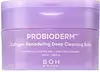
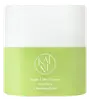
BOH Bio Heal Probioderm Collagen Remodeling Deep Cleansing Balm Versus KAINE Apple Cider Vinegar Grinding Cleansing Balm
This oil-based makeup remover is made to dissolve makeup, sunscreen, and daily buildup.
This oil-based makeup remover is made to dissolve makeup, sunscreen, and daily buildup.

What's inside
What's inside
 Key Ingredients
Benefits
Concerns
Ingredients Side-by-side
Glycine Soja Oil
Emollient








C12-15 Alkyl Benzoate
AntimicrobialPEG-20 Glyceryl Triisostearate
Emollient
Polyethylene
Abrasive
Citrus Limon Seed Oil
Masking
PEG-8 Diisostearate
Emulsifying
Collagen
Moisturising
Hydrolyzed Collagen
Emollient
Citrus Aurantium Dulcis Peel Oil
Masking
Eclipta Prostrata Extract
Skin Conditioning
Cymbopogon Martini Oil
Masking
Water
Skin ConditioningMelia Azadirachta Leaf Extract
Skin ConditioningGluconolactone
Chelating






Capryloyl Salicylic Acid
Exfoliating
Moringa Oleifera Seed Oil
Emollient
Lactobacillus Ferment
Skin Conditioning

Glycolic Acid
Buffering

Butylene Glycol
Humectant
Ceramide AP
Skin Conditioning
1,2-Hexanediol
Skin Conditioning
Panthenol
Skin Conditioning
Glycerin
Humectant
Sodium Hyaluronate
Humectant
Polyglyceryl-10 Laurate
Skin Conditioning
Caprylyl Glycol
Emollient
Diospyros Kaki Leaf Extract
Skin Protecting
Ethylhexylglycerin
Skin ConditioningVitis Vinifera Fruit Extract
Skin ConditioningHyaluronic Acid
Humectant
Hydrolyzed Hyaluronic Acid
Humectant
Hydroxypropyltrimonium Hyaluronate
Hydrolyzed Sodium Hyaluronate
Skin Conditioning
Potassium Hyaluronate
Skin ConditioningCoffea Arabica Seed Extract
Masking
Polygonum Cuspidatum Root Extract
Antioxidant
Carthamus Tinctorius Flower Extract
Skin ConditioningCastanea Crenata Shell Extract
Skin ConditioningZanthoxylum Piperitum Fruit Extract
Skin ConditioningCamellia Sinensis Leaf Extract
Antimicrobial
Betaine
Humectant
Pentylene Glycol
Skin Conditioning
Sodium Hyaluronate Crosspolymer
Humectant
Sodium Acetylated Hyaluronate
Humectant
Fructooligosaccharides
Humectant
Copper Tripeptide-1
Skin Conditioning
Tripeptide-1
Skin Conditioning
Palmitoyl Pentapeptide-4
Skin Conditioning
Beta-Glucan
Skin Conditioning
Palmitoyl Tripeptide-1
Skin Conditioning
Hexapeptide-9
Skin Conditioning
Hexapeptide-11
Skin Conditioning
Fructan
Skin ConditioningInulin
Skin Conditioning
Limonene
Perfuming
Geraniol
Perfuming
Linalool
Perfuming
Glycine Soja Oil, C12-15 Alkyl Benzoate, PEG-20 Glyceryl Triisostearate, Polyethylene, Citrus Limon Seed Oil, PEG-8 Diisostearate, Collagen, Hydrolyzed Collagen, Citrus Aurantium Dulcis Peel Oil, Eclipta Prostrata Extract, Cymbopogon Martini Oil, Water, Melia Azadirachta Leaf Extract, Gluconolactone, Capryloyl Salicylic Acid, Moringa Oleifera Seed Oil, Lactobacillus Ferment, Glycolic Acid, Butylene Glycol, Ceramide AP, 1,2-Hexanediol, Panthenol, Glycerin, Sodium Hyaluronate, Polyglyceryl-10 Laurate, Caprylyl Glycol, Diospyros Kaki Leaf Extract, Ethylhexylglycerin, Vitis Vinifera Fruit Extract, Hyaluronic Acid, Hydrolyzed Hyaluronic Acid, Hydroxypropyltrimonium Hyaluronate, Hydrolyzed Sodium Hyaluronate, Potassium Hyaluronate, Coffea Arabica Seed Extract, Polygonum Cuspidatum Root Extract, Carthamus Tinctorius Flower Extract, Castanea Crenata Shell Extract, Zanthoxylum Piperitum Fruit Extract, Camellia Sinensis Leaf Extract, Betaine, Pentylene Glycol, Sodium Hyaluronate Crosspolymer, Sodium Acetylated Hyaluronate, Fructooligosaccharides, Copper Tripeptide-1, Tripeptide-1, Palmitoyl Pentapeptide-4, Beta-Glucan, Palmitoyl Tripeptide-1, Hexapeptide-9, Hexapeptide-11, Fructan, Inulin, Limonene, Geraniol, Linalool
Cetyl Ethylhexanoate
EmollientEthylhexyl Palmitate
Emollient
Polyglyceryl-6 Dicaprate
EmulsifyingPolyglyceryl-10 Dioleate
Emulsifying
Synthetic Wax
Abrasive
Caprylic/Capric Triglyceride
Masking
Isononyl Isononanoate
EmollientIsododecane
EmollientMelia Azadirachta Leaf Extract
Skin ConditioningMelia Azadirachta Flower Extract
Skin ConditioningEclipta Prostrata Extract
Skin Conditioning
Ocimum Sanctum Leaf Extract
Skin ConditioningCurcuma Longa Root Extract
Antioxidant
Corallina Officinalis Extract
Skin Conditioning
Oryza Sativa Bran Oil
Emollient
Salix Alba Bark Extract
Astringent
Butylene Glycol
Humectant
Sorbitan Sesquioleate
Emulsifying
Tocopherol
Antioxidant
Water
Skin ConditioningCapryloyl Salicylic Acid
Exfoliating
Madecassoside
Antioxidant
Panthenol
Skin Conditioning
Glycerin
Humectant
Vinegar
Hydrogenated Lecithin
Emulsifying
Ceramide NP
Skin Conditioning
Sodium Stearoyl Glutamate
CleansingCetyl Ethylhexanoate, Ethylhexyl Palmitate, Polyglyceryl-6 Dicaprate, Polyglyceryl-10 Dioleate, Synthetic Wax, Caprylic/Capric Triglyceride, Isononyl Isononanoate, Isododecane, Melia Azadirachta Leaf Extract, Melia Azadirachta Flower Extract, Eclipta Prostrata Extract, Ocimum Sanctum Leaf Extract, Curcuma Longa Root Extract, Corallina Officinalis Extract, Oryza Sativa Bran Oil, Salix Alba Bark Extract, Butylene Glycol, Sorbitan Sesquioleate, Tocopherol, Water, Capryloyl Salicylic Acid, Madecassoside, Panthenol, Glycerin, Vinegar, Hydrogenated Lecithin, Ceramide NP, Sodium Stearoyl Glutamate
Alternatives
Ingredients Explained
These ingredients are found in both products.
Ingredients higher up in an ingredient list are typically present in a larger amount.
Butylene Glycol (or BG) is used within cosmetic products for a few different reasons:
Overall, Butylene Glycol is a safe and well-rounded ingredient that works well with other ingredients.
Though this ingredient works well with most skin types, some people with sensitive skin may experience a reaction such as allergic rashes, closed comedones, or itchiness.
Learn more about Butylene GlycolCapryloyl Salicylic Acid comes from salicylic acid, the famous acne-fighting BHA.
It usually goes by a more common name of LHA, or lipohydroxy acid.
Like salicylic acid, this ingredient is a chemical exfoliant that can help break down the oil in your pores and reduce inflammation.
Though studies for LHA do show it to be less effective than salicylic acid. To be fair, salicylic acid is the reigning monarch of acne treatments.
However, a study from 2009 found LHA to be comparable to BPO, making it a good alternative for people with sensitive skin. Another study of 14 patients found a significant decrease in comedones after using LHA.
Another pro of LHA? It is less irritating than salicylic acid due to its large molecule size.
Large molecules cannot penetrate skin as well, so they are gentler on the skin. LHA is much less penetrative than salicylic acid.
An in-vitro study (not done on a living organism) found only 6% of LHA penetrated past the statum corneum compared to 58% of salicylic acid. An in-vivo (done on a living organism) analysis revealed ~17% of LHA was still present in the top layer of skin after 4 days, versus ~9% of salicylic acid.
Interestingly, a study from 2008 found LHA comparable to another famous acid, glycolic acid.
This study found about 10% of LHA is as effective as 20-50% of glycolic acid in treating hyperpigmentation and fine-lines.
Hydroxy acids have been found to stimulate skin protein, lipids, and thermal thickening. This may have anti-aging benefits.
Learn more about Capryloyl Salicylic AcidThis ingredient is also known as Bhringaraj extract or False Daisy. It is a skin conditioning ingredient that keeps skin soft and hydrated.
Research shows it has antioxidant properties; lab studies have found it can protect skin cells from UV-induced damage and help suppress inflammation.
There's also some interesting research on its potential to support hair growth by promoting the growth phase of the hair cycle.
Those with an allergy to plants in the daisy family may want to patch test this ingredient. This ingredient is generally well-tolerated otherwise.
Learn more about Eclipta Prostrata ExtractGlycerin (or glycerol) is a compound naturally found in your skin. It's a powerhouse humectant that pulls water into the stratum corneum.
Topically, glycerin does several things at once:
Your skin makes glycerin on its own (mostly from sebaceous oil breakdown) and shuttles it to your outermost layer of skin, or your epidermis, via aquaporin-3.
Aquaporin-3 is a transporter that is essential for normal skin hydration, elasticity, and repair. Interestingly, mice lacking in AQP3 have dry and less elastic skin that can be fully corrected with glycerin.
This ingredient is non-irritating, plays well with almost every ingredient, and works across all skin types. Typical use is anywhere between 3-10% but can go up to 79% in some leave-on products.
Just know very high concentrations (>40%) can feel tacky in low humidity.
Glycerin is the name for this ingredient in American English. British English uses Glycerol/Glycerine.
Learn more about GlycerinThis ingredient is also known as neem leaf extract. It contains natural compounds like nimbidin, quercetin, and other polyphenols that give it antibacterial, antifungal, and anti-inflammatory activity.
Lab studies have shown neem leaf extract can inhibit acne-related bacteria and help calm skin. Animal studies on wound gels using 1-3% neem leaf extract found it sped up healing without causing irritation.
A wound-healing study testing gels with the extract at 1%, 2%, and 3% concentrations and found none of them irritated the skin.
Most commercial products also use it in a similar low range (typically under 5%).
Allergy-wise, there are some case reports on neem oil causing allergic contact dermatitis so people with plant/botanical sensitivities may want to patch test first.
Learn more about Melia Azadirachta Leaf ExtractPanthenol is a common ingredient that helps hydrate and soothe the skin. It is found naturally in our skin and hair.
There are two forms of panthenol: D and L.
D-panthenol is also known as dexpanthenol. Most cosmetics use dexpanthenol or a mixture of D and L-panthenol.
Panthenol is famous due to its ability to go deeper into the skin's layers. Using this ingredient has numerous pros (and no cons):
Like hyaluronic acid, panthenol is a humectant. Humectants are able to bind and hold large amounts of water to keep skin hydrated.
This ingredient works well for wound healing. It works by increasing tissue in the wound and helps close open wounds.
Once oxidized, panthenol converts to pantothenic acid. Panthothenic acid is found in all living cells.
This ingredient is also referred to as pro-vitamin B5.
Learn more about PanthenolWater. It's the most common cosmetic ingredient of all. You'll usually see it at the top of ingredient lists, meaning that it makes up the largest part of the product.
So why is it so popular? Water most often acts as a solvent - this means that it helps dissolve other ingredients into the formulation.
You'll also recognize water as that liquid we all need to stay alive. If you see this, drink a glass of water. Remember to stay hydrated!
Learn more about Water

