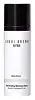
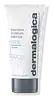
Bobbi Brown Extra Illuminating Moisture Balm Versus Dermalogica Intensive Moisture Balance Moisturizer

What's inside
What's inside
 Key Ingredients
Benefits
Concerns
Ingredients Side-by-side
Water
Skin ConditioningNeopentyl Glycol Diheptanoate
EmollientPEG-4 Diheptanoate
EmulsifyingGlycerin
Humectant


Bis-Diglyceryl Polyacyladipate-2
Emollient
Pentaerythrityl Tetraethylhexanoate
Emollient
Butyrospermum Parkii Butter
Skin Conditioning

Phenyl Trimethicone
Skin Conditioning
Polyethylene
Abrasive
Cetearyl Alcohol
Emollient

Dimethicone
Emollient
Tocopheryl Acetate
Antioxidant


Cetyl Alcohol
Emollient
Glyceryl Stearate
Emollient
Oenothera Biennis Oil
Emollient


Caffeine
Skin Conditioning
Rosmarinus Officinalis Leaf Oil
Masking
Anthemis Nobilis Flower Extract
Masking
Squalane
Emollient
Pelargonium Graveolens Flower Oil
Masking

Citrus Grandis Peel Oil
Masking
Epilobium Angustifolium Flower/Leaf/Stem Extract
Skin ConditioningCitrus Aurantium Amara Peel Oil
Skin Conditioning
Astrocaryum Murumuru Seed Butter
Emollient
Sodium Hyaluronate
Humectant
Sapindus Mukorossi Fruit Extract
Skin ConditioningCaesalpinia Spinosa Gum
Skin ConditioningMorinda Citrifolia Fruit Extract
Skin ConditioningHydroxyethyl Acrylate/Sodium Acryloyldimethyl Taurate Copolymer
Emulsion StabilisingSorbitan Stearate
Emulsifying
PEG-40 Stearate
Emulsifying
Butylene Glycol
Humectant
Dicetyl Phosphate
EmulsifyingCeteth-10 Phosphate
CleansingXanthan Gum
EmulsifyingLecithin
Emollient
Polysorbate 60
Emulsifying
Propylene Glycol Stearate
Skin Conditioning
Polysorbate 20
Emulsifying
Sorbitan Laurate
Emulsifying
Linalool
Perfuming

Geraniol
Perfuming
Citronellol
Perfuming
Limonene
Perfuming
Citral
Perfuming
Tin Oxide
Abrasive
Propylene Glycol Laurate
Skin ConditioningCoffea Arabica Seed Extract
Masking
Ethylhexylglycerin
Skin ConditioningPentaerythrityl Tetra-Di-T-Butyl Hydroxyhydrocinnamate
Antioxidant
Tetrasodium EDTA
Phenoxyethanol
Preservative
Potassium Sorbate
Preservative
Mica
Cosmetic ColorantCI 77891
Cosmetic ColorantCI 75470
Cosmetic ColorantCI 77499
Cosmetic ColorantCI 77492
Cosmetic ColorantCI 77491
Cosmetic ColorantWater, Neopentyl Glycol Diheptanoate, PEG-4 Diheptanoate, Glycerin, Bis-Diglyceryl Polyacyladipate-2, Pentaerythrityl Tetraethylhexanoate, Butyrospermum Parkii Butter, Phenyl Trimethicone, Polyethylene, Cetearyl Alcohol, Dimethicone, Tocopheryl Acetate, Cetyl Alcohol, Glyceryl Stearate, Oenothera Biennis Oil, Caffeine, Rosmarinus Officinalis Leaf Oil, Anthemis Nobilis Flower Extract, Squalane, Pelargonium Graveolens Flower Oil, Citrus Grandis Peel Oil, Epilobium Angustifolium Flower/Leaf/Stem Extract, Citrus Aurantium Amara Peel Oil, Astrocaryum Murumuru Seed Butter, Sodium Hyaluronate, Sapindus Mukorossi Fruit Extract, Caesalpinia Spinosa Gum, Morinda Citrifolia Fruit Extract, Hydroxyethyl Acrylate/Sodium Acryloyldimethyl Taurate Copolymer, Sorbitan Stearate, PEG-40 Stearate, Butylene Glycol, Dicetyl Phosphate, Ceteth-10 Phosphate, Xanthan Gum, Lecithin, Polysorbate 60, Propylene Glycol Stearate, Polysorbate 20, Sorbitan Laurate, Linalool, Geraniol, Citronellol, Limonene, Citral, Tin Oxide, Propylene Glycol Laurate, Coffea Arabica Seed Extract, Ethylhexylglycerin, Pentaerythrityl Tetra-Di-T-Butyl Hydroxyhydrocinnamate, Tetrasodium EDTA, Phenoxyethanol, Potassium Sorbate, Mica, CI 77891, CI 75470, CI 77499, CI 77492, CI 77491
Water
Skin ConditioningEthylhexyl Hydroxystearate
Emollient
Butylene Glycol
Humectant
Cetearyl Ethylhexanoate
Emollient
Cetyl Caprylate
EmollientStearic Acid
Cleansing
PEG-8
HumectantOctyldodecanol
Emollient
Dimethicone
Emollient
Glyceryl Stearate Se
Emulsifying
PEG-100 Stearate
Sodium Hyaluronate
Humectant
Hydrolyzed Sodium Hyaluronate
Skin Conditioning
Sodium Ascorbyl Phosphate
Antioxidant


Chlorella Vulgaris Extract
Skin ConditioningCeramide NP
Skin Conditioning
Phytosterols
Skin Conditioning
Centella Asiatica Extract
Cleansing
Linoleic Acid
Cleansing
Echinacea Purpurea Extract
MoisturisingAloe Barbadensis Extract
Skin Conditioning
Palmitic Acid
Emollient
Myristic Acid
Cleansing
Rosa Centifolia Extract
Skin ConditioningLactic Acid
Buffering

Linolenic Acid
Cleansing
Propanediol
Solvent
Tocopherol
Antioxidant
Potassium Cetyl Phosphate
EmulsifyingHelianthus Annuus Seed Oil
Emollient
Tetrasodium Glutamate Diacetate
Ethylhexylglycerin
Skin ConditioningCetyl Alcohol
Emollient
Carbomer
Emulsion StabilisingHydroxystearic Acid
Cleansing
Aminomethyl Propanol
BufferingSodium Hydroxide
BufferingPhenoxyethanol
Preservative
Water, Ethylhexyl Hydroxystearate, Butylene Glycol, Cetearyl Ethylhexanoate, Cetyl Caprylate, Stearic Acid, PEG-8, Octyldodecanol, Dimethicone, Glyceryl Stearate Se, PEG-100 Stearate, Sodium Hyaluronate, Hydrolyzed Sodium Hyaluronate, Sodium Ascorbyl Phosphate, Chlorella Vulgaris Extract, Ceramide NP, Phytosterols, Centella Asiatica Extract, Linoleic Acid, Echinacea Purpurea Extract, Aloe Barbadensis Extract, Palmitic Acid, Myristic Acid, Rosa Centifolia Extract, Lactic Acid, Linolenic Acid, Propanediol, Tocopherol, Potassium Cetyl Phosphate, Helianthus Annuus Seed Oil, Tetrasodium Glutamate Diacetate, Ethylhexylglycerin, Cetyl Alcohol, Carbomer, Hydroxystearic Acid, Aminomethyl Propanol, Sodium Hydroxide, Phenoxyethanol
Reviews
Ingredients Explained
These ingredients are found in both products.
Ingredients higher up in an ingredient list are typically present in a larger amount.
Butylene Glycol (or BG) is used within cosmetic products for a few different reasons:
Overall, Butylene Glycol is a safe and well-rounded ingredient that works well with other ingredients.
Though this ingredient works well with most skin types, some people with sensitive skin may experience a reaction such as allergic rashes, closed comedones, or itchiness.
Learn more about Butylene GlycolCetyl Alcohol is a fatty alcohol. Fatty Alcohols are most often used as an emollient or to thicken a product.
Its main roles are:
Though it has "alcohol" in the name, it is not related to denatured alcohol or ethyl alcohol.
The FDA allows products labeled "alcohol-free" to have fatty alcohols.
Learn more about Cetyl AlcoholDimethicone is a type of synthetic silicone created from natural materials such as quartz. It is also known as polydimethylsiloxane.
What it does:
Dimethicone comes in different viscosities:
Depending on the viscosity, dimethicone has different properties.
Ingredients lists don't always show which type is used, so we recommend reaching out to the brand if you have questions about the viscosity.
This ingredient is unlikely to cause irritation because it does not get absorbed into skin. However, people with silicone allergies should be careful about using this ingredient.
Note: Dimethicone may contribute to pilling. This is because it is not oil or water soluble, so pilling may occur when layered with products. When mixed with heavy oils in a formula, the outcome is also quite greasy.
Learn more about DimethiconeEthylhexylglycerin is created from glycerin. It is a multitasker ingredient that:
The CIR Expert Panel found minimal skin absorption or sensitization of any kind in a safety assessment. Though this ingredient is considered well-tolerated, a small number of cases of allergic dermatitis have been published since 2002. Just be sure to patch test if you are unsure.
Industry-reported use ranges from 8% in rinse-off products and 2% in leave-on formulations.
Learn more about EthylhexylglycerinPhenoxyethanol is a preservative that has germicide, antimicrobial, and aromatic properties. Studies show that phenoxyethanol can prevent microbial growth. By itself, it has a scent that is similar to that of a rose.
It's often used in formulations along with Caprylyl Glycol to preserve the shelf life of products.
Sodium Hyaluronate is the salt form of hyaluronic acid. It is a long sugar chain that is naturally found in your skin, joints, and connective tissue that maintains hydration and elasticity.
In skincare, it works as a humectant. It pulls water from the environment and deeper layers of skin and binds it to the surface.
Interestingly, the size of the molecule affects its behavior:
Some clinical evidence links low molecular weight versions to improved wrinkle depth, elasticity, anti-inflammatory effects, and barrier repair.
Many serums use a blend of both weights so you can get surface hydration plus longer-lasting and deeper effects.
You'll typically see concentrations between 0.1-2% for this ingredient.
Learn more about Sodium HyaluronateWater. It's the most common cosmetic ingredient of all. You'll usually see it at the top of ingredient lists, meaning that it makes up the largest part of the product.
So why is it so popular? Water most often acts as a solvent - this means that it helps dissolve other ingredients into the formulation.
You'll also recognize water as that liquid we all need to stay alive. If you see this, drink a glass of water. Remember to stay hydrated!
Learn more about Water
