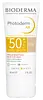
This chemical sunscreen covers the full UV range and blocks ~98% of UVB at SPF 50.
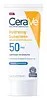
This hybrid sunscreen covers the full UV range and blocks ~98% of UVB at SPF 50.


What's inside
What's inside
 Key Ingredients
Benefits
Concerns
Ingredients Side-by-side
Water
Skin ConditioningDiethylamino Hydroxybenzoyl Hexyl Benzoate
UV Filter
Homosalate
Skin Conditioning
Diisopropyl Sebacate
EmollientBis-Ethylhexyloxyphenol Methoxyphenyl Triazine
UV Absorber
Dibutyl Adipate
EmollientPropanediol
Solvent

Ethylhexyl Salicylate
UV Absorber
Ethylhexyl Triazone
UV Absorber
Glycerin
Humectant
Silica
Abrasive


Potassium Cetyl Phosphate
EmulsifyingGlyceryl Stearate
Emollient

PEG-100 Stearate
Surfactant
Propylene Glycol
Humectant
Polyacrylate Crosspolymer-6
Emulsion StabilisingStearyl Glycyrrhetinate
Skin ConditioningTocopheryl Acetate
Antioxidant


CI 77891
Cosmetic ColorantCapryloyl Glycine
CleansingSodium Citrate
BufferingXanthan Gum
EmulsifyingGlycine Soja Germ Extract
EmollientEctoin
Skin Conditioning



Mannitol
Humectant
Xylitol
Humectant
Citric Acid
Buffering
Ginkgo Biloba Leaf Extract
Skin Conditioning
Sodium Hydroxide
BufferingCI 77492
Cosmetic ColorantRhamnose
HumectantCI 77491
Cosmetic ColorantCI 77499
Cosmetic ColorantHydrogenated Lecithin
Emulsifying
Lauroyl Lysine
Skin Conditioning
Fructooligosaccharides
Humectant
Caprylic/Capric Triglyceride
Masking
Laminaria Ochroleuca Extract
Skin Conditioning
Water, Diethylamino Hydroxybenzoyl Hexyl Benzoate, Homosalate, Diisopropyl Sebacate, Bis-Ethylhexyloxyphenol Methoxyphenyl Triazine, Dibutyl Adipate, Propanediol, Ethylhexyl Salicylate, Ethylhexyl Triazone, Glycerin, Silica, Potassium Cetyl Phosphate, Glyceryl Stearate, PEG-100 Stearate, Propylene Glycol, Polyacrylate Crosspolymer-6, Stearyl Glycyrrhetinate, Tocopheryl Acetate, CI 77891, Capryloyl Glycine, Sodium Citrate, Xanthan Gum, Glycine Soja Germ Extract, Ectoin, Mannitol, Xylitol, Citric Acid, Ginkgo Biloba Leaf Extract, Sodium Hydroxide, CI 77492, Rhamnose, CI 77491, CI 77499, Hydrogenated Lecithin, Lauroyl Lysine, Fructooligosaccharides, Caprylic/Capric Triglyceride, Laminaria Ochroleuca Extract
Titanium Dioxide 9%
Cosmetic Colorant
Zinc Oxide 7%
Cosmetic Colorant
Water
Skin ConditioningGlycerin
Humectant
C12-15 Alkyl Benzoate
AntimicrobialDimethicone
Emollient
Isododecane
EmollientStyrene/Acrylates Copolymer
Glyceryl Stearate
Emollient
Butyloctyl Salicylate
Skin Conditioning
Dicaprylyl Carbonate
EmollientPropanediol
Solvent
Stearic Acid
Cleansing
Aluminum Hydroxide
EmollientPEG-100 Stearate
Surfactant
Sorbitan Stearate
Emulsifying
Niacinamide
Smoothing



PEG-8 Laurate
Emulsifying
Ceramide NP
Skin Conditioning
Ceramide AP
Skin Conditioning
Ceramide EOP
Skin Conditioning
Sorbitan Isostearate
Emulsifying
Carbomer
Emulsion StabilisingCetearyl Alcohol
Emollient

Ceteareth-20
CleansingTriethoxycaprylylsilane
Dimethiconol
Emollient
Sodium Citrate
BufferingSodium Lauroyl Lactylate
EmulsifyingSodium Dodecylbenzenesulfonate
CleansingMyristic Acid
Cleansing
Sodium Hyaluronate
Humectant
Cholesterol
Emollient
Palmitic Acid
Emollient
Phenoxyethanol
Preservative
Chlorphenesin
Antimicrobial
Tocopherol
Antioxidant
Hydroxyethyl Acrylate/Sodium Acryloyldimethyl Taurate Copolymer
Emulsion StabilisingCaprylyl Glycol
Emollient
Citric Acid
Buffering
Panthenol
Skin Conditioning
Xanthan Gum
EmulsifyingPhytosphingosine
Skin Conditioning
Polyhydroxystearic Acid
Emulsifying
Polysorbate 60
Emulsifying
Ethylhexylglycerin
Skin ConditioningTitanium Dioxide 9%, Zinc Oxide 7%, Water, Glycerin, C12-15 Alkyl Benzoate, Dimethicone, Isododecane, Styrene/Acrylates Copolymer, Glyceryl Stearate, Butyloctyl Salicylate, Dicaprylyl Carbonate, Propanediol, Stearic Acid, Aluminum Hydroxide, PEG-100 Stearate, Sorbitan Stearate, Niacinamide, PEG-8 Laurate, Ceramide NP, Ceramide AP, Ceramide EOP, Sorbitan Isostearate, Carbomer, Cetearyl Alcohol, Ceteareth-20, Triethoxycaprylylsilane, Dimethiconol, Sodium Citrate, Sodium Lauroyl Lactylate, Sodium Dodecylbenzenesulfonate, Myristic Acid, Sodium Hyaluronate, Cholesterol, Palmitic Acid, Phenoxyethanol, Chlorphenesin, Tocopherol, Hydroxyethyl Acrylate/Sodium Acryloyldimethyl Taurate Copolymer, Caprylyl Glycol, Citric Acid, Panthenol, Xanthan Gum, Phytosphingosine, Polyhydroxystearic Acid, Polysorbate 60, Ethylhexylglycerin
Reviews
Ingredients Explained
These ingredients are found in both products.
Ingredients higher up in an ingredient list are typically present in a larger amount.
Citric Acid is an alpha hydroxy acid (AHA) naturally found in citrus fruits like oranges, lemons, and limes.
Like other AHAs, citric acid can exfoliate skin by breaking down the bonds that hold dead skin cells together. This helps reveal smoother and brighter skin underneath.
However, this exfoliating effect only happens at high concentrations (20%) which can be hard to find in cosmetic products.
Due to this, citric acid is usually included in small amounts as a pH adjuster. This helps keep products slightly more acidic and compatible with skin's natural pH.
In skincare formulas, citric acid can:
While it can provide some skin benefits, research shows lactic acid and glycolic acid are generally more effective and less irritating exfoliants.
Most citric acid used in skincare today is made by fermenting sugars (usually from molasses). This synthetic version is identical to the natural citrus form but easier to stabilize and use in formulations.
Rosacea skin has a lower threshold for acids generally, with 62.5% of rosacea subjects in one study reacting to lactic acid in a sting test. This is why we mark citric acid as a potential rosacea trigger.
However, this ingredient shows up as a pH adjuster or chelator at roughly 0.1-1% in many products. These low levels are unlikely to be an issue for rosacea skin and becomes a potential trigger at exfoliating concentrations (20%). Because everybody's skin is unique, we recommend a patch test if you are unsure.
Learn more about Citric AcidGlycerin (or glycerol) is a compound naturally found in your skin. It's a powerhouse humectant that pulls water into the stratum corneum.
Topically, glycerin does several things at once:
Your skin makes glycerin on its own (mostly from sebaceous oil breakdown) and shuttles it to your outermost layer of skin, or your epidermis, via aquaporin-3.
Aquaporin-3 is a transporter that is essential for normal skin hydration, elasticity, and repair. Interestingly, mice lacking in AQP3 have dry and less elastic skin that can be fully corrected with glycerin.
This ingredient is non-irritating, plays well with almost every ingredient, and works across all skin types. Typical use is anywhere between 3-10% but can go up to 79% in some leave-on products.
Just know very high concentrations (>40%) can feel tacky in low humidity.
Glycerin is the name for this ingredient in American English. British English uses Glycerol/Glycerine.
Learn more about GlycerinGlyceryl Stearate is made by reacting glycerin with stearic acid (typically sourced from plant oils like palm or coconut). It's an emulsifier, emollient, and mild occlusive.
Emulsifiers help ingredients like oil and water stay mixed so your formula stays nicely blended and uniform in texture.
This ingredient is typically used in concentrations between 1-10%. Studies have found it to be non-sensitizing, non-phototoxic, and non-photoallergenic.
A close cousin of this ingredient is Glyceryl Stearate SE ("self-emulsifying"). This just has a small amount of sodium or potassium stearate added so it can emulsify without a co-emulsifier.
Since this ingredient is an ester of a C18 fatty acid, it may not be fungal acne safe. The Malassezia yeast can potentially metabolize within the C11-C24 range.
Fun fact: The human body also creates Glyceryl Stearate naturally.
Learn more about Glyceryl StearatePeg-100 Stearate is an emollient and emulsifier. As an emollient, it helps keep skin soft by trapping moisture in. On the other hand, emulsifiers help prevent oil and water from separating in a product.
PEGS are a hydrophilic polyether compound . There are 100 ethylene oxide monomers in Peg-100 Stearate. Peg-100 Stearate is polyethylene glycol ester of stearic acid.
Propanediol is an all-star ingredient. It softens, hydrates, and smooths the skin.
It’s often used to:
Propanediol is not likely to cause sensitivity and considered safe to use. It is derived from corn or petroleum with a clear color and no scent.
Learn more about PropanediolSodium Citrate is the sodium salts of citric acid. In skincare, it is used to alter pH levels and acts as a preservative.
Its main functions are to maintain the pH of a product and neutralize metal ions.
The acidity of our skin is maintained by our glands and skin biome; normal pH level of skin is slightly acidic (~4.75-5.5).
Being slightly acidic allows our skin to create an "acid mantle". This acid mantle is a thin barrier that protects our skin from bacteria and contaminants.
Learn more about Sodium CitrateWater. It's the most common cosmetic ingredient of all. You'll usually see it at the top of ingredient lists, meaning that it makes up the largest part of the product.
So why is it so popular? Water most often acts as a solvent - this means that it helps dissolve other ingredients into the formulation.
You'll also recognize water as that liquid we all need to stay alive. If you see this, drink a glass of water. Remember to stay hydrated!
Learn more about WaterXanthan gum is used as a stabilizer and thickener within cosmetic products. It helps give products a sticky, thick feeling - preventing them from being too runny.
On the technical side of things, xanthan gum is a polysaccharide - a combination consisting of multiple sugar molecules bonded together.
Xanthan gum is a pretty common and great ingredient. It is a natural, non-toxic, non-irritating ingredient that is also commonly used in food products.
Learn more about Xanthan Gum

