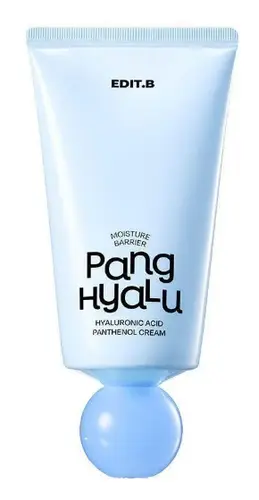
This calming moisturizer is formulated around Panthenol and Ectoin to calm redness and hydrate skin.
This barrier-repair moisturizer is formulated around Panthenol and Sodium Hyaluronate to strengthen the skin barrier and hydrate skin.

What's inside
What's inside
 Key Ingredients
Benefits
Concerns
Ingredients Side-by-side
Phormium Tenax Leaf Water
Antioxidant
Butylene Glycol
Humectant

Water
Skin ConditioningGlycerin
Humectant
Isohexadecane
EmollientCaprylic/Capric Triglyceride
Masking
1,2-Hexanediol
Skin Conditioning
Ammonium Acryloyldimethyltaurate/Vp Copolymer
Cetearyl Olivate


Sorbitan Olivate
Emulsifying
Allantoin
Skin Conditioning

Betaine
Humectant
Hydrolyzed Jojoba Esters
Skin Conditioning
Panthenol
Skin Conditioning
Hydroxyethyl Acrylate/Sodium Acryloyldimethyl Taurate Copolymer
Emulsion StabilisingSodium Stearoyl Glutamate
CleansingGlyceryl Polymethacrylate
Corchorus Olitorius Leaf Extract
Skin ConditioningTremella Fuciformis Extract
Humectant
Sodium Guaiazulene Sulfonate
SurfactantCarnosine
Skin Conditioning
Collagen Extract
Skin Conditioning
Ectoin
Skin Conditioning
Hydrolyzed Hyaluronic Acid
Humectant
Inositol
Humectant
Squalane
Emollient
Glyceryl Glucoside
Humectant
Sorbitan Isostearate
Emulsifying
Cynanchum Atratum Extract
Skin ConditioningOctyldodecanol
Emollient
Oryza Sativa Bran Oil
Emollient
Hydrogenated Lecithin
Emulsifying
Ceramide NP
Skin Conditioning
Allium Sativum Bulb Extract
Skin ConditioningCamellia Sinensis Leaf Extract
Antimicrobial


Luffa Cylindrica Fruit Extract
Skin ConditioningPsidium Guajava Fruit Extract
AstringentPsidium Guajava Leaf Extract
AstringentTocotrienols
Skin Conditioning
Tocopherol
Antioxidant
Caprylyl Glycol
Emollient
Oenothera Biennis Flower Extract
AstringentPinus Palustris Leaf Extract
TonicPueraria Lobata Root Extract
HumectantUlmus Davidiana Root Extract
Skin Conditioning
Phytosterols
Skin Conditioning
Beta-Glucan
Skin Conditioning
Ethylhexylglycerin
Skin ConditioningCitric Acid
Buffering
Xanthan Gum
EmulsifyingPhormium Tenax Leaf Water, Butylene Glycol, Water, Glycerin, Isohexadecane, Caprylic/Capric Triglyceride, 1,2-Hexanediol, Ammonium Acryloyldimethyltaurate/Vp Copolymer, Cetearyl Olivate, Sorbitan Olivate, Allantoin, Betaine, Hydrolyzed Jojoba Esters, Panthenol, Hydroxyethyl Acrylate/Sodium Acryloyldimethyl Taurate Copolymer, Sodium Stearoyl Glutamate, Glyceryl Polymethacrylate, Corchorus Olitorius Leaf Extract, Tremella Fuciformis Extract, Sodium Guaiazulene Sulfonate, Carnosine, Collagen Extract, Ectoin, Hydrolyzed Hyaluronic Acid, Inositol, Squalane, Glyceryl Glucoside, Sorbitan Isostearate, Cynanchum Atratum Extract, Octyldodecanol, Oryza Sativa Bran Oil, Hydrogenated Lecithin, Ceramide NP, Allium Sativum Bulb Extract, Camellia Sinensis Leaf Extract, Luffa Cylindrica Fruit Extract, Psidium Guajava Fruit Extract, Psidium Guajava Leaf Extract, Tocotrienols, Tocopherol, Caprylyl Glycol, Oenothera Biennis Flower Extract, Pinus Palustris Leaf Extract, Pueraria Lobata Root Extract, Ulmus Davidiana Root Extract, Phytosterols, Beta-Glucan, Ethylhexylglycerin, Citric Acid, Xanthan Gum
Water
Skin ConditioningGlycerin
Humectant
Cetyl Ethylhexanoate
EmollientButylene Glycol
Humectant
Propanediol
Solvent
Pentaerythrityl Tetraethylhexanoate
Emollient
Caprylic/Capric Triglyceride
Masking
Beta-Sitosterol
Emulsion Stabilising
Panthenol
Skin Conditioning
Cetearyl Olivate
Methyl Trimethicone
Skin Conditioning
Sorbitan Olivate
Emulsifying
Hydroxyethyl Acrylate/Sodium Acryloyldimethyl Taurate Copolymer
Emulsion StabilisingDipropylene Glycol
HumectantDipentaerythrityl Pentaisononanoate
EmollientCarbomer
Emulsion StabilisingTromethamine
BufferingHydroxyacetophenone
Antioxidant
Xylitol
Humectant
Caprylyl Glycol
Emollient
Erythritol
Humectant
Glyceryl Glucoside
Humectant
Ethylhexylglycerin
Skin ConditioningSorbitan Isostearate
Emulsifying
Sodium Phytate
Dextrin
AbsorbentSodium Hyaluronate
Humectant
Aloe Barbadensis Leaf Extract
Emollient
Cymbopogon Citratus Extract
Skin ConditioningEucalyptus Globulus Leaf Extract
Perfuming
Mentha Arvensis Extract
Masking1,2-Hexanediol
Skin Conditioning
Gardenia Florida Fruit Extract
Skin ConditioningDipotassium Glycyrrhizate
Humectant
Centella Asiatica Extract
Cleansing
Tocopherol
Antioxidant
Portulaca Oleracea Extract
Skin Conditioning
Asiatic Acid
Skin Conditioning
Asiaticoside
Antioxidant
Hyaluronic Acid
Humectant
Hydrolyzed Hyaluronic Acid
Humectant
Hydrolyzed Sodium Hyaluronate
Skin Conditioning
Hydroxypropyltrimonium Hyaluronate
Madecassic Acid
Skin Conditioning
Potassium Hyaluronate
Skin ConditioningSodium Acetylated Hyaluronate
Humectant
Sodium Hyaluronate Crosspolymer
Humectant
Madecassoside
Antioxidant
Water, Glycerin, Cetyl Ethylhexanoate, Butylene Glycol, Propanediol, Pentaerythrityl Tetraethylhexanoate, Caprylic/Capric Triglyceride, Beta-Sitosterol, Panthenol, Cetearyl Olivate, Methyl Trimethicone, Sorbitan Olivate, Hydroxyethyl Acrylate/Sodium Acryloyldimethyl Taurate Copolymer, Dipropylene Glycol, Dipentaerythrityl Pentaisononanoate, Carbomer, Tromethamine, Hydroxyacetophenone, Xylitol, Caprylyl Glycol, Erythritol, Glyceryl Glucoside, Ethylhexylglycerin, Sorbitan Isostearate, Sodium Phytate, Dextrin, Sodium Hyaluronate, Aloe Barbadensis Leaf Extract, Cymbopogon Citratus Extract, Eucalyptus Globulus Leaf Extract, Mentha Arvensis Extract, 1,2-Hexanediol, Gardenia Florida Fruit Extract, Dipotassium Glycyrrhizate, Centella Asiatica Extract, Tocopherol, Portulaca Oleracea Extract, Asiatic Acid, Asiaticoside, Hyaluronic Acid, Hydrolyzed Hyaluronic Acid, Hydrolyzed Sodium Hyaluronate, Hydroxypropyltrimonium Hyaluronate, Madecassic Acid, Potassium Hyaluronate, Sodium Acetylated Hyaluronate, Sodium Hyaluronate Crosspolymer, Madecassoside
Reviews
Ingredients Explained
These ingredients are found in both products.
Ingredients higher up in an ingredient list are typically present in a larger amount.
1,2-Hexanediol is a synthetic liquid and another multi-functional powerhouse.
It is a:
- Humectant, drawing moisture into the skin
- Emollient, helping to soften skin
- Solvent, dispersing and stabilizing formulas
- Preservative booster, enhancing the antimicrobial activity of other preservatives
Butylene Glycol (or BG) is used within cosmetic products for a few different reasons:
Overall, Butylene Glycol is a safe and well-rounded ingredient that works well with other ingredients.
Though this ingredient works well with most skin types, some people with sensitive skin may experience a reaction such as allergic rashes, closed comedones, or itchiness.
Learn more about Butylene GlycolCaprylic/Capric Triglyceride (aka MCT Oil) is a lightweight emollient, solvent, and texture enhancer. It is considered a skin-softener by helping to prevent moisture loss.
Though it behaves like an oil, it is not technically one due to its chemical composition. One perk of this ingredient is that it is very stable, resistant to oxidation, and unlikely to go rancid.
In practice, that translates to a long shelf life and a consistently elegant skin feel.
While there is an assumption Caprylic Triglyceride can clog pores due to it being derived from coconut oil, there is no research supporting this. Just patch test if you have concerns.
Fractionated coconut oil and MCT Oil are both listed as Caprylic/Capric Triglyceride according to INCI. This is because INCI names are based on the ingredient’s final chemical composition and not its marketing name or source.
This ingredient is treated as the gold standard fungal acne safe oil. Even though it is coconut derived, the problematic lauric acid is stripped out.
This leaves just caprylic (C8) and capric (C10) acid. These chain lengths actually trend antifungal; a 2020 study found caprylic acid was enough to disrupt Malassezia furfur cell membrane, with a caprylic acid derivative damaging membrane structures at concentrations as low as 0.2%.
Learn more about Caprylic/Capric TriglycerideCaprylyl Glycol is a humectant, skin conditioner, emollient, and preservative booster derived from either caprylic acid or synthetically created.
Typical use levels vary from 0.3-1% as a preservative booster and go up to 2% to condition skin.
Because it is not a free-fatty acid, this ingredient is fungal acne safe (there's nothing for Malassezia to feed on).
Learn more about Caprylyl GlycolCetearyl Olivate is a plant-derived emulsifier and texture enhancer. It helps keep the oil and water phases from separating so your formulas stay stable.
You'll likely see it combined with Sorbitan Olivate (together sold as the trade name Olivem 1000). This combination generates a liquid crystal structure that closely resemble the lipid organization of the stratum corneum.
These "skin-like" liquid crystals improve skin barrier integrity and promote the delivery of actives into the skin.
This ingredient is well-tolerated and has no significant sensitization data.
Because it is derived from the fatty acids in olive oil, this ingredient may not be fungal acne safe.
Learn more about Cetearyl OlivateEthylhexylglycerin is created from glycerin. It is a multitasker ingredient that:
The CIR Expert Panel found minimal skin absorption or sensitization of any kind in a safety assessment. Though this ingredient is considered well-tolerated, a small number of cases of allergic dermatitis have been published since 2002. Just be sure to patch test if you are unsure.
Industry-reported use ranges from 8% in rinse-off products and 2% in leave-on formulations.
Learn more about EthylhexylglycerinGlycerin (or glycerol) is a compound naturally found in your skin. It's a powerhouse humectant that pulls water into the stratum corneum.
Topically, glycerin does several things at once:
Your skin makes glycerin on its own (mostly from sebaceous oil breakdown) and shuttles it to your outermost layer of skin, or your epidermis, via aquaporin-3.
Aquaporin-3 is a transporter that is essential for normal skin hydration, elasticity, and repair. Interestingly, mice lacking in AQP3 have dry and less elastic skin that can be fully corrected with glycerin.
This ingredient is non-irritating, plays well with almost every ingredient, and works across all skin types. Typical use is anywhere between 3-10% but can go up to 79% in some leave-on products.
Just know very high concentrations (>40%) can feel tacky in low humidity.
Glycerin is the name for this ingredient in American English. British English uses Glycerol/Glycerine.
Learn more about GlycerinGlyceryl Glucoside is made from glycerol and glucose.
It is a humectant. Humectants help hydrate your skin by drawing moisture to it from the air.
Some foods that contain glyceryl glucoside include sake, miso, and wines.
Learn more about Glyceryl GlucosideHydrolyzed Hyaluronic Acid is hyaluronic acid (HA) that is broken down into lower molecular weight fragments.
It's a humectant that pulls and holds water in the skin to help with hydration, plumpness, and reduce transepidermal water loss.
Because hydrolyzed hyaluronic acid is smaller in size, it can slip past your outermost layer of skin more easily than full-sized HA.
Most formulations will combine all sizes to get the best of both worlds.
Typical usage levels range from 0.01-1%. Any percentage higher than 2% might become goopy and tacky.
Learn more about Hydrolyzed Hyaluronic AcidThis is a synthetic polymer. It helps improve the texture of products by adding thickness and gel-like feel.
It is also an emulsifer, meaning it prevents ingredients such as oil and water from separating. It also helps evenly disperse other ingredients.
Panthenol is a common ingredient that helps hydrate and soothe the skin. It is found naturally in our skin and hair.
There are two forms of panthenol: D and L.
D-panthenol is also known as dexpanthenol. Most cosmetics use dexpanthenol or a mixture of D and L-panthenol.
Panthenol is famous due to its ability to go deeper into the skin's layers. Using this ingredient has numerous pros (and no cons):
Like hyaluronic acid, panthenol is a humectant. Humectants are able to bind and hold large amounts of water to keep skin hydrated.
This ingredient works well for wound healing. It works by increasing tissue in the wound and helps close open wounds.
Once oxidized, panthenol converts to pantothenic acid. Panthothenic acid is found in all living cells.
This ingredient is also referred to as pro-vitamin B5.
Learn more about PanthenolSorbitan Isostearate is an emulsifer. It is created from isostearic acid and sorbitol.
As an emulsifier, it keeps the water and oil ingredients from separating. This keeps formulas stable and smooth.
In a 24 hour occlusive patch test on 56 subjects, 10% sorbitan isostearate was completely non-irritating. Most formulas use less than 10%.
Because it's a fatty acid ester, it may not be fungal acne safe since the Malassezia yeast can utilize it as a nutrient source.
Learn more about Sorbitan IsostearateSorbitan Olivate is created from the fatty acids in olive oil and sorbitol.
This ingredient is an oil in water emulsifier. It helps stabilize a product by preventing oils and waters from separating. Sorbitan Olivate also helps hydrate the skin.
This ingredient is also known as part of Olivem 1000, with Cetearyl Olivate being the other part.
According to a manufacturer, this ingredient helps preserve the natural microbiome of skin. Having a healthy microbiome helps keep our skin healthy and protects against harmful bacteria.
Please note, having a healthy microbiome is different from fungal acne; a healthy microbiome includes small amounts of yeast that normally live on your skin without causing problems.
Fungal acne happens when one type of yeast (Malassezia) grows out of control. This is usually because it's feeding on certain oils or fatty acids. Due to the olive oil base, this ingredient may not be fungal acne safe.
Learn more about Sorbitan OlivateTocopherol is a fat-soluble antioxidant known as Vitamin E.
You'll find this ingredient in the vast majority of skincare (for good reason). It works to neutralize free radicals, or unstable molecules generated by UV exposure, pollution, and other environmental stressors, before they can cause oxidative damage to your skin cells.
Topically applied tocopherol has been shown to protect against UV damage by ramping up the skin's own natural defense enzymes.
It also acts as a skin conditioning agent; some studies show that regular topical use can improve the skin's water-binding capacity over 2-4 weeks.
This ingredient is especially loved for being a team player. When combined with Vitamin C, the photoprotective effect of both ingredients roughly doubles and the combo also helps reduce UV-induced DNA damage.
This ingredient has some brightening potential but it's more of a prevention ingredient than spot-fader. Cell studies show it can slow down melanin production but it's worth noting that it's not the most powerful brightener out there.
In formulations, it also serves as a stabilizer that helps protect other oxidation-prone ingredients from degrading.
Concentrations usually range from 0.1-1% in most leave-on products.
Learn more about TocopherolWater. It's the most common cosmetic ingredient of all. You'll usually see it at the top of ingredient lists, meaning that it makes up the largest part of the product.
So why is it so popular? Water most often acts as a solvent - this means that it helps dissolve other ingredients into the formulation.
You'll also recognize water as that liquid we all need to stay alive. If you see this, drink a glass of water. Remember to stay hydrated!
Learn more about Water

