Beekman 1802 Milk RX Advanced Better Aging Wrinkle Serum Versus No7 Restore & Renew Face & Neck Multi Action Fragrance Free Night Cream
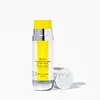
This anti-aging serum is formulated around 3-O-Ethyl Ascorbic Acid and Tetrahexyldecyl Ascorbate to soften the look of wrinkles and refine skin texture.
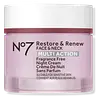
This anti-aging night moisturizer is formulated around Retinyl Palmitate and Ceramide NP to soften the look of wrinkles and strengthen the skin barrier.


What's inside
What's inside
 Key Ingredients
Benefits
Concerns
Ingredients Side-by-side
Water
Skin ConditioningCoco-Caprylate/Caprate
Emollient
Cetearyl Isononanoate
Emollient
Propanediol
Solvent

Glycerin
Humectant
Glyceryl Stearate Citrate
Emollient

3-O-Ethyl Ascorbic Acid
Skin Conditioning




Caprylic/Capric Triglyceride
Masking
Polyglyceryl-3 Stearate
Emulsifying
Diglycerin
Humectant
Polyglyceryl-10 Pentaisostearate
Emollient
Butylene Glycol
Humectant
C9-12 Alkane
SolventHydrogenated Lecithin
Emulsifying
Tetrahexyldecyl Ascorbate
Antioxidant
Caprylyl Glycol
Emollient
1,2-Hexanediol
Skin Conditioning
Hydroxyacetophenone
Antioxidant
Sodium Stearoyl Glutamate
CleansingXanthan Gum
EmulsifyingCarbomer
Emulsion StabilisingEthylhexylglycerin
Skin ConditioningSodium Hydroxide
BufferingCucumis Sativus Extract
Skin Conditioning
Phospholipids
Skin Conditioning
Polyglutamic Acid
Skin Conditioning
Iron Oxides
CI 77492
Cosmetic ColorantSclerotium Gum
Emulsion StabilisingLecithin
Emollient
Maltodextrin
Absorbent
Phyllanthus Emblica Fruit Extract
HumectantPullulan
2,3-Butanediol
HumectantSilica
Abrasive

Arbutin
Antioxidant

Hydrolyzed Soy Protein
Humectant
Tocopherol
Antioxidant

Rice Amino Acids
Skin Conditioning
Linseed Acid
CleansingTocopheryl Acetate
Antioxidant
Glyceryl Stearate
Emollient
Lactose
HumectantMilk Protein
Skin ConditioningBifida Ferment Lysate
Skin Conditioning
Glutathione
Proline
Skin Conditioning
Sodium Carbonate
BufferingCaprae Lac
Skin ConditioningCeramide Ns
Skin Conditioning
Ceramide As
Skin Conditioning
Ceramide AP
Skin Conditioning
Cholesterol
Emollient
Hydrolyzed Adansonia Digitata Seed Extract
Sodium Benzoate
Masking
Nephelium Lappaceum Peel Extract
Skin ConditioningAscorbyl Palmitate
Antioxidant
Hexapeptide-9
Skin Conditioning
Nicotiana Benthamiana Hexapeptide-40 Sh-Polypeptide-76
Skin Conditioning
Ceramide EOP
Skin Conditioning
Water, Coco-Caprylate/Caprate, Cetearyl Isononanoate, Propanediol, Glycerin, Glyceryl Stearate Citrate, 3-O-Ethyl Ascorbic Acid, Caprylic/Capric Triglyceride, Polyglyceryl-3 Stearate, Diglycerin, Polyglyceryl-10 Pentaisostearate, Butylene Glycol, C9-12 Alkane, Hydrogenated Lecithin, Tetrahexyldecyl Ascorbate, Caprylyl Glycol, 1,2-Hexanediol, Hydroxyacetophenone, Sodium Stearoyl Glutamate, Xanthan Gum, Carbomer, Ethylhexylglycerin, Sodium Hydroxide, Cucumis Sativus Extract, Phospholipids, Polyglutamic Acid, Iron Oxides, CI 77492, Sclerotium Gum, Lecithin, Maltodextrin, Phyllanthus Emblica Fruit Extract, Pullulan, 2,3-Butanediol, Silica, Arbutin, Hydrolyzed Soy Protein, Tocopherol, Rice Amino Acids, Linseed Acid, Tocopheryl Acetate, Glyceryl Stearate, Lactose, Milk Protein, Bifida Ferment Lysate, Glutathione, Proline, Sodium Carbonate, Caprae Lac, Ceramide Ns, Ceramide As, Ceramide AP, Cholesterol, Hydrolyzed Adansonia Digitata Seed Extract, Sodium Benzoate, Nephelium Lappaceum Peel Extract, Ascorbyl Palmitate, Hexapeptide-9, Nicotiana Benthamiana Hexapeptide-40 Sh-Polypeptide-76, Ceramide EOP
Water
Skin ConditioningGlycerin
Humectant
Butyrospermum Parkii Butter
Skin Conditioning

Cetearyl Alcohol
Emollient
Cyclopentasiloxane
Emollient
Steareth-21
CleansingCaprylic/Capric Triglyceride
Masking
C12-15 Alkyl Benzoate
AntimicrobialCyclohexasiloxane
Emollient
Steareth-2
EmulsifyingGlyceryl Stearate
Emollient
Polyacrylamide
Butylene Glycol
Humectant
Alcohol Denat.
Antimicrobial


C13-14 Isoparaffin
Emollient
Phenoxyethanol
Preservative
Caprylyl Glycol
Emollient
Pentylene Glycol
Skin Conditioning
Ascorbyl Glucoside
Antioxidant
Laureth-7
EmulsifyingPropylene Glycol
Humectant
Sodium Benzoate
Masking
Tocopheryl Acetate
Antioxidant
Hibiscus Abelmoschus Extract
MaskingEthylhexylglycerin
Skin ConditioningRetinyl Palmitate
Skin Conditioning
Hydrolyzed Hyaluronic Acid
Humectant
Hydrolyzed Rice Protein
Skin ConditioningTetrasodium EDTA
ChelatingSorbitan Laurate
Emulsifying
Polysorbate 20
Emulsifying
Panax Ginseng Root Extract
Emollient
Sodium Lauroyl Lactylate
EmulsifyingPhyllanthus Emblica Fruit Extract
HumectantCarbomer
Emulsion Stabilising3-Aminopropane Sulfonic Acid
SurfactantCalcium Hydroxymethionine
Skin ConditioningHydroxyethylcellulose
Emulsion StabilisingDimethylmethoxy Chromanol
Antioxidant
Xanthan Gum
EmulsifyingAcetyl Dipeptide-1 Cetyl Ester
Skin Conditioning
Morus Alba Leaf Extract
Skin ConditioningCeramide NP
Skin Conditioning
Ceramide AP
Skin Conditioning
Phytosphingosine
Skin Conditioning
Cholesterol
Emollient
Tocopherol
Antioxidant
Palmitoyl Tripeptide-1
Skin Conditioning
Palmitoyl Tetrapeptide-7
Skin Conditioning
Ceramide EOP
Skin Conditioning
CI 14700
Cosmetic ColorantCI 15985
Cosmetic ColorantWater, Glycerin, Butyrospermum Parkii Butter, Cetearyl Alcohol, Cyclopentasiloxane, Steareth-21, Caprylic/Capric Triglyceride, C12-15 Alkyl Benzoate, Cyclohexasiloxane, Steareth-2, Glyceryl Stearate, Polyacrylamide, Butylene Glycol, Alcohol Denat., C13-14 Isoparaffin, Phenoxyethanol, Caprylyl Glycol, Pentylene Glycol, Ascorbyl Glucoside, Laureth-7, Propylene Glycol, Sodium Benzoate, Tocopheryl Acetate, Hibiscus Abelmoschus Extract, Ethylhexylglycerin, Retinyl Palmitate, Hydrolyzed Hyaluronic Acid, Hydrolyzed Rice Protein, Tetrasodium EDTA, Sorbitan Laurate, Polysorbate 20, Panax Ginseng Root Extract, Sodium Lauroyl Lactylate, Phyllanthus Emblica Fruit Extract, Carbomer, 3-Aminopropane Sulfonic Acid, Calcium Hydroxymethionine, Hydroxyethylcellulose, Dimethylmethoxy Chromanol, Xanthan Gum, Acetyl Dipeptide-1 Cetyl Ester, Morus Alba Leaf Extract, Ceramide NP, Ceramide AP, Phytosphingosine, Cholesterol, Tocopherol, Palmitoyl Tripeptide-1, Palmitoyl Tetrapeptide-7, Ceramide EOP, CI 14700, CI 15985
Ingredients Explained
These ingredients are found in both products.
Ingredients higher up in an ingredient list are typically present in a larger amount.
Butylene Glycol (or BG) is used within cosmetic products for a few different reasons:
Overall, Butylene Glycol is a safe and well-rounded ingredient that works well with other ingredients.
Though this ingredient works well with most skin types, some people with sensitive skin may experience a reaction such as allergic rashes, closed comedones, or itchiness.
Learn more about Butylene GlycolCaprylic/Capric Triglyceride (aka MCT Oil) is a lightweight emollient, solvent, and texture enhancer. It is considered a skin-softener by helping to prevent moisture loss.
Though it behaves like an oil, it is not technically one due to its chemical composition. One perk of this ingredient is that it is very stable, resistant to oxidation, and unlikely to go rancid.
In practice, that translates to a long shelf life and a consistently elegant skin feel.
While there is an assumption Caprylic Triglyceride can clog pores due to it being derived from coconut oil, there is no research supporting this. Just patch test if you have concerns.
Fractionated coconut oil and MCT Oil are both listed as Caprylic/Capric Triglyceride according to INCI. This is because INCI names are based on the ingredient’s final chemical composition and not its marketing name or source.
This ingredient is treated as the gold standard fungal acne safe oil. Even though it is coconut derived, the problematic lauric acid is stripped out.
This leaves just caprylic (C8) and capric (C10) acid. These chain lengths actually trend antifungal; a 2020 study found caprylic acid was enough to disrupt Malassezia furfur cell membrane, with a caprylic acid derivative damaging membrane structures at concentrations as low as 0.2%.
Learn more about Caprylic/Capric TriglycerideCaprylyl Glycol is a humectant, skin conditioner, emollient, and preservative booster derived from either caprylic acid or synthetically created.
Typical use levels vary from 0.3-1% as a preservative booster and go up to 2% to condition skin.
Because it is not a free-fatty acid, this ingredient is fungal acne safe (there's nothing for Malassezia to feed on).
Learn more about Caprylyl GlycolCarbomer is a synthetic thickening and gelling agent. It's basically the ingredient that gives a lot of serums, gels, creams, and sunscreens their smooth, non-sticky texture.
Although legally permitted at very high levels, carbomers are normally used at concentrations below 1%.
It also needs to be neutralized to actually thicken, and because it is a large molecule, it doesn't really penetrate the skin barrier.
Allergy-wise, the risk is very low. Clinical studies show carbomers have low potential for skin irritation/sensitization even at concentrations up to 100%.
A 2024 UK study patch-tested 1,302 patients and found true allergy to the parent group of carbomer to be rare with no confirmed relevant reactions.
Learn more about CarbomerCeramide AP is is a skin-identical lipid that mimics what your skin already makes naturally. Ceramides help maintain epidermal integrity and barrier function.
You'll often see this ingredient paired with other ceramides (like ceramide NP), cholesterol, or fatty acids because this combination best mimics the natural lipid mix your skin already has.
The skin's ability to produce ceramides gets disrupted in skin conditions like eczema. This in turn weakens the skin barrier and applying ceramides topically has been shown to replenish what's been lost to restore barrier function.
Most of the studies with Ceramide AP test it as part of a multi-ceramide complex; studies reinforce ceramide AP's role in rebalancing ceramides in skin and improving skin hydration.
Learn more about Ceramide APCeramide EOP is formally known as Ceramide 1.
It is naturally found in skin and part of the intercellular "mortar" holding everything together in your outermost layer.
EOP stands for a linked Ester fatty acid, a linked Omega hydroxy fatty acid, and the Phytosphingosine base.
What makes Ceramide EOP special is its ultra-long fatty acid chain; this unique structure allows it to bridge the lipid layers in your skin barrier to prevent water loss (something no other ceramide can do).
Low levels of Ceramide EOP have been found in people with eczema and psoriasis.
Using it together with other ceramides, cholesterol, and linoleic acid have been shown to meaningfully improve hydration and reduce water loss.
In one clinical study, a regimen using Ceramide EOP, NP, and AP led to significant symptom improvements in patients with eczema, psoriasis, and dry skin in just 4 weeks.
You'll usually see concentrations between 0.1-0.5% in formulations. Overall, this is a well-tolerated and safe ingredient for cosmetic use.
Learn more about Ceramide EOPCholesterol is a lipid that is naturally found in human skin and is one of the three key components of your skin barrier. In skincare, it is an emollient and barrier-repairing ingredient.
It works by fitting directly into the lipid layers of skin to help restore structure and reduce transepidermal water loss (TEWL).
This is a great ingredient for dry, compromised, or aging skin; our skin starts to produce less cholesterol with age.
Research shows cholesterol works best in combination with ceramides and fatty acids, the other two major components in your skin barrier.
Cholesterol is also a well-establish penetration enhancer and can help other actives absorb more effectively.
Cosmetic-grade cholesterol is usually derived from lanolin but plant and synthetic options also exist. We recommend reaching out to the brand if you have questions about their source of cholesterol.
Learn more about CholesterolEthylhexylglycerin is created from glycerin. It is a multitasker ingredient that:
The CIR Expert Panel found minimal skin absorption or sensitization of any kind in a safety assessment. Though this ingredient is considered well-tolerated, a small number of cases of allergic dermatitis have been published since 2002. Just be sure to patch test if you are unsure.
Industry-reported use ranges from 8% in rinse-off products and 2% in leave-on formulations.
Learn more about EthylhexylglycerinGlycerin (or glycerol) is a compound naturally found in your skin. It's a powerhouse humectant that pulls water into the stratum corneum.
Topically, glycerin does several things at once:
Your skin makes glycerin on its own (mostly from sebaceous oil breakdown) and shuttles it to your outermost layer of skin, or your epidermis, via aquaporin-3.
Aquaporin-3 is a transporter that is essential for normal skin hydration, elasticity, and repair. Interestingly, mice lacking in AQP3 have dry and less elastic skin that can be fully corrected with glycerin.
This ingredient is non-irritating, plays well with almost every ingredient, and works across all skin types. Typical use is anywhere between 3-10% but can go up to 79% in some leave-on products.
Just know very high concentrations (>40%) can feel tacky in low humidity.
Glycerin is the name for this ingredient in American English. British English uses Glycerol/Glycerine.
Learn more about GlycerinGlyceryl Stearate is made by reacting glycerin with stearic acid (typically sourced from plant oils like palm or coconut). It's an emulsifier, emollient, and mild occlusive.
Emulsifiers help ingredients like oil and water stay mixed so your formula stays nicely blended and uniform in texture.
This ingredient is typically used in concentrations between 1-10%. Studies have found it to be non-sensitizing, non-phototoxic, and non-photoallergenic.
A close cousin of this ingredient is Glyceryl Stearate SE ("self-emulsifying"). This just has a small amount of sodium or potassium stearate added so it can emulsify without a co-emulsifier.
Since this ingredient is an ester of a C18 fatty acid, it may not be fungal acne safe. The Malassezia yeast can potentially metabolize within the C11-C24 range.
Fun fact: The human body also creates Glyceryl Stearate naturally.
Learn more about Glyceryl StearateThis ingredient is also known as Indian Gooseberry or Amla Berry. It is skin hydrating and antioxidant rich.
Indian gooseberry is rich in antioxidants such as polyphenols, tannins, and vitamin C compounds.
Sodium Benzoate is a preservative. It's used in both cosmetic and food products to inhibit the growth of mold and bacteria. It is typically produced synthetically.
Both the US FDA and EU Health Committee have approved the use of sodium benzoate. In the US, levels of 0.1% (of the total product) are allowed.
Sodium benzoate works as a preservative by inhibiting the growth of bacteria inside of cells. It prevents the cell from fermenting a type of sugar using an enzyme called phosphofructokinase.
It is the salt of benzoic acid. Foods containing sodium benzoate include soda, salad dressings, condiments, fruit juices, wines, and snack foods.
Studies for using ascorbic acid and sodium benzoate in cosmetics are lacking, especially in skincare routines with multiple steps.
We always recommend speaking with a professional, such as a dermatologist, if you have any concerns.
Learn more about Sodium BenzoateTocopherol is a fat-soluble antioxidant known as Vitamin E.
You'll find this ingredient in the vast majority of skincare (for good reason). It works to neutralize free radicals, or unstable molecules generated by UV exposure, pollution, and other environmental stressors, before they can cause oxidative damage to your skin cells.
Topically applied tocopherol has been shown to protect against UV damage by ramping up the skin's own natural defense enzymes.
It also acts as a skin conditioning agent; some studies show that regular topical use can improve the skin's water-binding capacity over 2-4 weeks.
This ingredient is especially loved for being a team player. When combined with Vitamin C, the photoprotective effect of both ingredients roughly doubles and the combo also helps reduce UV-induced DNA damage.
This ingredient has some brightening potential but it's more of a prevention ingredient than spot-fader. Cell studies show it can slow down melanin production but it's worth noting that it's not the most powerful brightener out there.
In formulations, it also serves as a stabilizer that helps protect other oxidation-prone ingredients from degrading.
Concentrations usually range from 0.1-1% in most leave-on products.
Learn more about TocopherolTocopheryl Acetate is a stable, shelf-friendly form of vitamin E.
Formulators love it because plain vitamin E oxidizes quickly once it hits air. This acetate version stays stable and resists going off, helping to extend a product's shelf life.
It's actually inactive on its own and works like a slow-release "storage" form; the enzymes in your skin called esterases gradually convert it into active vitamin E over time.
One in vivo study showed 5% of the acetate in the living layer of the epidermis converted to vitamin E after 5 days of application. This study also found the skin gained protection against UV damage even though the conversion was slow and small.
Once converted, vitamin E acts as a skin's main fat-soluble antioxidant that fights free radicals to protect skin from damage.
Topical vitamin E generally boosts the skin's photoprotection, and it reduced UV-damage in animal models.
This ingredient has some brightening potential but it's more of a prevention ingredient than spot-fader. Cell studies show it can slow down melanin production but it's worth noting that it's not the most powerful brightener out there.
Overall, it has a pretty solid safety profile and has been found to be non-irritating and non-comedogenic. Allergic reactions may happen but stay rare due to how widely the ingredient gets used.
The concentration will vary depending on the formula; industry data shows 0.1% in baby lotions, 3% in lipsticks, and 5% in foot powders. You can also find this ingredient at 100% in a pure vitamin E oil.
Most leave-on skincare keeps it at the lower end, often between 0.5-1%.
Learn more about Tocopheryl AcetateWater. It's the most common cosmetic ingredient of all. You'll usually see it at the top of ingredient lists, meaning that it makes up the largest part of the product.
So why is it so popular? Water most often acts as a solvent - this means that it helps dissolve other ingredients into the formulation.
You'll also recognize water as that liquid we all need to stay alive. If you see this, drink a glass of water. Remember to stay hydrated!
Learn more about WaterXanthan gum is used as a stabilizer and thickener within cosmetic products. It helps give products a sticky, thick feeling - preventing them from being too runny.
On the technical side of things, xanthan gum is a polysaccharide - a combination consisting of multiple sugar molecules bonded together.
Xanthan gum is a pretty common and great ingredient. It is a natural, non-toxic, non-irritating ingredient that is also commonly used in food products.
Learn more about Xanthan Gum

