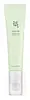
This brightening serum is formulated around Centella Asiatica Extract and 3-O-Ethyl Ascorbic Acid to brighten dull-looking skin and calm redness.
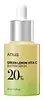
This brightening serum is formulated around Ascorbic Acid and Ferulic Acid to fade the look of dark spots and brighten dull-looking skin.

What's inside
What's inside
 Key Ingredients
Benefits
Concerns
Ingredients Side-by-side
Centella Asiatica Extract
Cleansing





3-O-Ethyl Ascorbic Acid
Skin Conditioning


Glycerin
Humectant
Propanediol
Solvent
Betaine
Humectant
Dicaprylyl Carbonate
EmollientMethyl Trimethicone
Skin Conditioning
Cetyl Ethylhexanoate
EmollientPanthenol
Skin Conditioning
Laminaria Japonica Extract
Skin Protecting
Eclipta Prostrata Leaf Extract
Skin ConditioningPhellodendron Amurense Bark Extract
Skin ConditioningCitrus Unshiu Peel Extract
MaskingBrassica Oleracea Acephala Leaf Extract
HumectantHydrolyzed Gardenia Florida Extract
Antioxidant
Hydrogenated Lecithin
Emulsifying
Cetearyl Alcohol
Emollient






Water
Skin ConditioningDimethicone/Vinyl Dimethicone Crosspolymer
Skin Conditioning
Silica
Abrasive

Bisabolol
Antioxidant
Potassium Cetyl Phosphate
EmulsifyingHydrolyzed Jojoba Esters
Skin Conditioning
Cetearyl Olivate
Sorbitan Olivate
Emulsifying
Hydroxyethyl Acrylate/Sodium Acryloyldimethyl Taurate Copolymer
Emulsion StabilisingAmmonium Acryloyldimethyltaurate/Beheneth-25 Methacrylate Crosspolymer
Emulsion StabilisingXanthan Gum
EmulsifyingPolyglyceryl-10 Myristate
Skin Conditioning
Adenosine
Skin Conditioning
Fructooligosaccharides
Humectant
Beta-Glucan
Skin Conditioning
Butylene Glycol
Humectant
Sorbitan Isostearate
Emulsifying
Hydrolyzed Hyaluronic Acid
Humectant
Maltodextrin
Absorbent
Arginine
Masking
Carbomer
Emulsion StabilisingAscorbic Acid Polypeptide
Antioxidant

1,2-Hexanediol
Skin Conditioning
Hydroxyacetophenone
Antioxidant
Ethylhexylglycerin
Skin ConditioningCentella Asiatica Extract, 3-O-Ethyl Ascorbic Acid, Glycerin, Propanediol, Betaine, Dicaprylyl Carbonate, Methyl Trimethicone, Cetyl Ethylhexanoate, Panthenol, Laminaria Japonica Extract, Eclipta Prostrata Leaf Extract, Phellodendron Amurense Bark Extract, Citrus Unshiu Peel Extract, Brassica Oleracea Acephala Leaf Extract, Hydrolyzed Gardenia Florida Extract, Hydrogenated Lecithin, Cetearyl Alcohol, Water, Dimethicone/Vinyl Dimethicone Crosspolymer, Silica, Bisabolol, Potassium Cetyl Phosphate, Hydrolyzed Jojoba Esters, Cetearyl Olivate, Sorbitan Olivate, Hydroxyethyl Acrylate/Sodium Acryloyldimethyl Taurate Copolymer, Ammonium Acryloyldimethyltaurate/Beheneth-25 Methacrylate Crosspolymer, Xanthan Gum, Polyglyceryl-10 Myristate, Adenosine, Fructooligosaccharides, Beta-Glucan, Butylene Glycol, Sorbitan Isostearate, Hydrolyzed Hyaluronic Acid, Maltodextrin, Arginine, Carbomer, Ascorbic Acid Polypeptide, 1,2-Hexanediol, Hydroxyacetophenone, Ethylhexylglycerin
Citrus Limon Fruit Extract
Masking
Ascorbic Acid
Antioxidant
Propanediol
Solvent
Butylene Glycol
Humectant
Dipropylene Glycol
HumectantCyclopentasiloxane
Emollient
1,2-Hexanediol
Skin Conditioning
Cyclohexasiloxane
Emollient
Sodium Hydroxide
BufferingC12-14 Alketh-12
EmulsifyingBisabolol
Antioxidant
Sodium Polyacryloyldimethyl Taurate
Emulsion StabilisingWater
Skin ConditioningPolyacrylate Crosspolymer-6
Emulsion StabilisingDimethicone/Vinyl Dimethicone Crosspolymer
Skin Conditioning
Xanthan Gum
EmulsifyingEthylhexylglycerin
Skin ConditioningAllantoin
Skin Conditioning
Glycerin
Humectant
Glutathione
Citrus Aurantium Dulcis Flower Oil
Astringent
Litsea Cubeba Fruit Oil
Masking

Adenosine
Skin Conditioning
Citrus Paradisi Peel Oil
Masking
Disodium EDTA
ChelatingCitrus Aurantium Bergamia Fruit Oil
Masking
Mentha Viridis Leaf Oil
Astringent
Tocopherol
Antioxidant
Ferulic Acid
Antimicrobial
Barosma Betulina Leaf Extract
Perfuming
N-Butyl Alcohol
Perfuming

Hydrogenated Lecithin
Emulsifying
Polyglyceryl-10 Stearate
Skin Conditioning
Sorbitol
Humectant
Panthenol
Skin Conditioning
Beta-Glucan
Skin Conditioning
Sodium Hyaluronate
Humectant
Sodium Ascorbyl Phosphate
Antioxidant
Caprylic/Capric Triglyceride
Masking
Helianthus Annuus Seed Oil
Emollient
Hyaluronic Acid
Humectant
Sucrose Stearate
EmollientGlyceryl Stearates
Emollient
Beta-Carotene
Skin ConditioningSodium Hyaluronate Crosspolymer
Humectant
Niacinamide
Smoothing

Hydrolyzed Sodium Hyaluronate
Skin Conditioning
Hydrolyzed Hyaluronic Acid
Humectant
Thioctic Acid
Antioxidant
Lycopodium Clavatum Extract
Skin ConditioningEquisetum Arvense Extract
AstringentSodium Acetylated Hyaluronate
Humectant
Pyridoxine
Skin ConditioningHydroxypropyltrimonium Hyaluronate
Folic Acid
Skin ConditioningBiotin
AntiseborrhoeicCeramide NP
Skin Conditioning
Ubiquinone
Antioxidant
Cyanocobalamin
Skin ConditioningThiamine Hcl
MaskingRiboflavin
Cosmetic ColorantLinoleic Acid
Cleansing
Hesperidin
EmollientErgothioneine
Antioxidant
Limonene
Perfuming
Linalool
Perfuming
Citral
Perfuming
Citrus Limon Fruit Extract, Ascorbic Acid, Propanediol, Butylene Glycol, Dipropylene Glycol, Cyclopentasiloxane, 1,2-Hexanediol, Cyclohexasiloxane, Sodium Hydroxide, C12-14 Alketh-12, Bisabolol, Sodium Polyacryloyldimethyl Taurate, Water, Polyacrylate Crosspolymer-6, Dimethicone/Vinyl Dimethicone Crosspolymer, Xanthan Gum, Ethylhexylglycerin, Allantoin, Glycerin, Glutathione, Citrus Aurantium Dulcis Flower Oil, Litsea Cubeba Fruit Oil, Adenosine, Citrus Paradisi Peel Oil, Disodium EDTA, Citrus Aurantium Bergamia Fruit Oil, Mentha Viridis Leaf Oil, Tocopherol, Ferulic Acid, Barosma Betulina Leaf Extract, N-Butyl Alcohol, Hydrogenated Lecithin, Polyglyceryl-10 Stearate, Sorbitol, Panthenol, Beta-Glucan, Sodium Hyaluronate, Sodium Ascorbyl Phosphate, Caprylic/Capric Triglyceride, Helianthus Annuus Seed Oil, Hyaluronic Acid, Sucrose Stearate, Glyceryl Stearates, Beta-Carotene, Sodium Hyaluronate Crosspolymer, Niacinamide, Hydrolyzed Sodium Hyaluronate, Hydrolyzed Hyaluronic Acid, Thioctic Acid, Lycopodium Clavatum Extract, Equisetum Arvense Extract, Sodium Acetylated Hyaluronate, Pyridoxine, Hydroxypropyltrimonium Hyaluronate, Folic Acid, Biotin, Ceramide NP, Ubiquinone, Cyanocobalamin, Thiamine Hcl, Riboflavin, Linoleic Acid, Hesperidin, Ergothioneine, Limonene, Linalool, Citral
Reviews
Ingredients Explained
These ingredients are found in both products.
Ingredients higher up in an ingredient list are typically present in a larger amount.
1,2-Hexanediol is a synthetic liquid and another multi-functional powerhouse.
It is a:
- Humectant, drawing moisture into the skin
- Emollient, helping to soften skin
- Solvent, dispersing and stabilizing formulas
- Preservative booster, enhancing the antimicrobial activity of other preservatives
Adenosine is a purine nucleoside that your body already makes in every cell. In skincare, it acts mainly as a skin conditioning and anti-aging agent.
The way it works is fairly well mapped out:
Your skin has cells called fibroblasts that build collagen (the stuff that keeps skin firm and smooth). Adenosine basically flips a switch on these cells that tells them to get to work making more collagen and other proteins. These cells slow down on their own as skin ages, so Adenosine helps give them a little nudge to keep going.
The clinical backing is pretty solid too.
A blind, randomized, placebo-controlled trial of 126 women aged 45-65 tested a 0.1% cream twice daily and found real improvements in crow's feet and frown lines using a precise 3D skin-mapping technique; these changes showed up by week 3 and held at 2 months.
A later study using Adenosine-loaded dissolving microneedle patches reported gains in wrinkle depth, dermal density, elasticity, and hydration.
On concentrations, South Korea's Ministry of Food and Drug Safety has set 0.04% as the approved functional anti-wrinkle level. You'll typically see this ingredient used somewhere in the 0.04-0.1% range since it works at low doses.
This ingredient has been found safe for cosmetics with the data showing no irritation or sensitization.
Overall, this is a great ingredient for any anti-aging routine and has no photosensitizing effect, so it suits both AM and PM use.
Learn more about AdenosineBeta-Glucan is a soluble polysaccharide (a chain of glucose sugars) sourced from the cells walls of oats, baker's yeast, mushrooms, and seaweed.
It's a rare ingredient that pulls double-duty as a heavy-duty hydrator and skin-soothing repair agent.
On the surface, it acts as a humectant that holds water in place and reduces moisture loss for a plumper, smoother feel, while its anti-inflammatory and antioxidant properties make it a great pick for calming redness or sensitive skin
The more interesting story is underneath:
Despite its large molecular size, oat beta-glucan has been shown to penetrate the epidermis and reach the dermis by slipping between skin cells. Here, it interacts with fibroblasts and macrophages to nudge collagen synthesis and support wound repair.
A small 2005 split-face clinical study of 27 subjects found topical beta-glucan produced measurable reductions in wrinkle depth, height, and roughness after 8 weeks of use.
It is worth noting the trial was small and the penetration testing used frozen, irradiated skin so the anti-aging data is encouraging rather than definitive.
This ingredient gets along with pretty much everything and is typically used around 0.1-1%.
Fungal acne: This ingredient is not a food source for the Malassezia yeast because it is a glucose polysaccharide with no fatty acid or ester component.
Learn more about Beta-GlucanBisabolol is a gentle skin conditioner, antioxidant, and soothing ingredient.
It's primary claim to fame is soothing and research shows topically applied bisabolol can quiet the chemical messengers that cause your skin to become inflamed, helping to sooth any irritation.
A clinical study found that applying 0.5% bisabolol daily for 8 weeks produced an average 9% decrease in skin pigmentation. Researchers found it can also suppress the process that leads to excess melanin production in skin.
In vitro studies found that bisabolol combined with propylene glycol significantly increased skin permeability by increasing lipid fluidity in the stratum corneum.
You'll likely see use concentrations quite low, usually 0.1-0.2%.
Overall, this is a well-tolerated ingredient that works well in formulas designed for sensitive, reactive, or post-procedure skin.
Learn more about BisabololButylene Glycol (or BG) is used within cosmetic products for a few different reasons:
Overall, Butylene Glycol is a safe and well-rounded ingredient that works well with other ingredients.
Though this ingredient works well with most skin types, some people with sensitive skin may experience a reaction such as allergic rashes, closed comedones, or itchiness.
Learn more about Butylene GlycolThis ingredient is a silicone elastomer that works as a texture enhancer, adds a silky slip, and also helps absorb excess oil.
Because it's a large macromolecule that's insoluble in water and chemically inert, it's not expected to penetrate or be absorbed into skin.
Human patch tests with a facial lotion containing 1% of this ingredient found no sensitization.
Learn more about Dimethicone/Vinyl Dimethicone CrosspolymerEthylhexylglycerin is created from glycerin. It is a multitasker ingredient that:
The CIR Expert Panel found minimal skin absorption or sensitization of any kind in a safety assessment. Though this ingredient is considered well-tolerated, a small number of cases of allergic dermatitis have been published since 2002. Just be sure to patch test if you are unsure.
Industry-reported use ranges from 8% in rinse-off products and 2% in leave-on formulations.
Learn more about EthylhexylglycerinGlycerin (or glycerol) is a compound naturally found in your skin. It's a powerhouse humectant that pulls water into the stratum corneum.
Topically, glycerin does several things at once:
Your skin makes glycerin on its own (mostly from sebaceous oil breakdown) and shuttles it to your outermost layer of skin, or your epidermis, via aquaporin-3.
Aquaporin-3 is a transporter that is essential for normal skin hydration, elasticity, and repair. Interestingly, mice lacking in AQP3 have dry and less elastic skin that can be fully corrected with glycerin.
This ingredient is non-irritating, plays well with almost every ingredient, and works across all skin types. Typical use is anywhere between 3-10% but can go up to 79% in some leave-on products.
Just know very high concentrations (>40%) can feel tacky in low humidity.
Glycerin is the name for this ingredient in American English. British English uses Glycerol/Glycerine.
Learn more about GlycerinHydrogenated Lecithin is a more stable version of lecithin.
It's made by taking lecithin (a phospholipid commonly found in soybeans and egg yolks) and hydrogenating it. This just means the unsaturated fatty acids are turned into saturated ones so they don't go bad as easily.
This ingredient is an emollient, emulsifier, and penetration enhancer. As an emollient, it helps soften and hydrate skin by trapping moisture within. As an emulsifier, it prevents oil and water ingredients from separating.
Hydrogenated Lecithin can form tiny spherical structures made of phospholipid bilayers called liposomes. These liposomes are able to capture compounds inside their structure and deliver them through the skin barrier.
Because phospholipids are a natural component of our cell membranes, this ingredient is inherently compatible with skin.
A 2021 study found lecithin-based surfactants were less harsh and more tolerable comared to Sodium Lauryl Sulfate (SLS).
Learn more about Hydrogenated LecithinHydrolyzed Hyaluronic Acid is hyaluronic acid (HA) that is broken down into lower molecular weight fragments.
It's a humectant that pulls and holds water in the skin to help with hydration, plumpness, and reduce transepidermal water loss.
Because hydrolyzed hyaluronic acid is smaller in size, it can slip past your outermost layer of skin more easily than full-sized HA.
Most formulations will combine all sizes to get the best of both worlds.
Typical usage levels range from 0.01-1%. Any percentage higher than 2% might become goopy and tacky.
Learn more about Hydrolyzed Hyaluronic AcidPanthenol is a common ingredient that helps hydrate and soothe the skin. It is found naturally in our skin and hair.
There are two forms of panthenol: D and L.
D-panthenol is also known as dexpanthenol. Most cosmetics use dexpanthenol or a mixture of D and L-panthenol.
Panthenol is famous due to its ability to go deeper into the skin's layers. Using this ingredient has numerous pros (and no cons):
Like hyaluronic acid, panthenol is a humectant. Humectants are able to bind and hold large amounts of water to keep skin hydrated.
This ingredient works well for wound healing. It works by increasing tissue in the wound and helps close open wounds.
Once oxidized, panthenol converts to pantothenic acid. Panthothenic acid is found in all living cells.
This ingredient is also referred to as pro-vitamin B5.
Learn more about PanthenolPropanediol is an all-star ingredient. It softens, hydrates, and smooths the skin.
It’s often used to:
Propanediol is not likely to cause sensitivity and considered safe to use. It is derived from corn or petroleum with a clear color and no scent.
Learn more about PropanediolWater. It's the most common cosmetic ingredient of all. You'll usually see it at the top of ingredient lists, meaning that it makes up the largest part of the product.
So why is it so popular? Water most often acts as a solvent - this means that it helps dissolve other ingredients into the formulation.
You'll also recognize water as that liquid we all need to stay alive. If you see this, drink a glass of water. Remember to stay hydrated!
Learn more about WaterXanthan gum is used as a stabilizer and thickener within cosmetic products. It helps give products a sticky, thick feeling - preventing them from being too runny.
On the technical side of things, xanthan gum is a polysaccharide - a combination consisting of multiple sugar molecules bonded together.
Xanthan gum is a pretty common and great ingredient. It is a natural, non-toxic, non-irritating ingredient that is also commonly used in food products.
Learn more about Xanthan Gum

