Beauty of Joseon Dynasty Cream Versus Lancôme Absolue Revitalizing & Brightening Soft Cream with Grand Rose Extracts
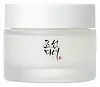
This barrier-repair moisturizer is formulated around Panax Ginseng Root Water and Niacinamide to strengthen the skin barrier.
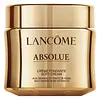
This anti-aging moisturizer is formulated around Capryloyl Salicylic Acid and Adenosine to soften the look of wrinkles.


What's inside
What's inside
 Key Ingredients
Benefits
Concerns
Ingredients Side-by-side
Water
Skin ConditioningOryza Sativa Bran Water
Masking
Glycerin
Humectant


Panax Ginseng Root Water
Masking

Hydrogenated Polydecene
Emollient1,2-Hexanediol
Skin Conditioning
Niacinamide
Smoothing







Squalane
Emollient
Butylene Glycol
Humectant
Propanediol
Solvent
Propylene Glycol Dicaprylate/Dicaprate
EmollientCetearyl Olivate


Sorbitan Olivate
Emulsifying
Ammonium Acryloyldimethyltaurate/Vp Copolymer
Xanthan Gum
EmulsifyingAcrylates/C10-30 Alkyl Acrylate Crosspolymer
Emulsion StabilisingTromethamine
BufferingCarthamus Tinctorius Seed Oil
Masking
Hydrogenated Coconut Oil
Emollient



Glyceryl Acrylate/Acrylic Acid Copolymer
HumectantEthylhexylglycerin
Skin ConditioningAdenosine
Skin Conditioning
Caprylic/Capric Triglyceride
Masking
Disodium EDTA
ChelatingHyaluronic Acid
Humectant
Hydrolyzed Hyaluronic Acid
Humectant
Sodium Hyaluronate
Humectant
Honey Extract
Humectant
Ceramide NP
Skin Conditioning
Hydrogenated Lecithin
Emulsifying
Coptis Japonica Root Extract
Skin ConditioningRaphanus Sativus Seed Extract
Skin ConditioningLycium Chinense Fruit Extract
Antioxidant
Theobroma Cacao Seed Extract
Antioxidant
Phellinus Linteus Extract
Skin ConditioningDextrin
AbsorbentScutellaria Baicalensis Root Extract
Astringent
Water, Oryza Sativa Bran Water, Glycerin, Panax Ginseng Root Water, Hydrogenated Polydecene, 1,2-Hexanediol, Niacinamide, Squalane, Butylene Glycol, Propanediol, Propylene Glycol Dicaprylate/Dicaprate, Cetearyl Olivate, Sorbitan Olivate, Ammonium Acryloyldimethyltaurate/Vp Copolymer, Xanthan Gum, Acrylates/C10-30 Alkyl Acrylate Crosspolymer, Tromethamine, Carthamus Tinctorius Seed Oil, Hydrogenated Coconut Oil, Glyceryl Acrylate/Acrylic Acid Copolymer, Ethylhexylglycerin, Adenosine, Caprylic/Capric Triglyceride, Disodium EDTA, Hyaluronic Acid, Hydrolyzed Hyaluronic Acid, Sodium Hyaluronate, Honey Extract, Ceramide NP, Hydrogenated Lecithin, Coptis Japonica Root Extract, Raphanus Sativus Seed Extract, Lycium Chinense Fruit Extract, Theobroma Cacao Seed Extract, Phellinus Linteus Extract, Dextrin, Scutellaria Baicalensis Root Extract
Water
Skin ConditioningOctocrylene
UV Absorber


Hydrogenated Polyisobutene
EmollientEthylhexyl Salicylate
UV Absorber
Alcohol Denat.
Antimicrobial

Dimethicone
Emollient
Glycerin
Humectant
Butyl Methoxydibenzoylmethane
UV Absorber
Bis-PEG-18 Methyl Ether Dimethyl Silane
EmollientOctyldodecanol
Emollient
Cetearyl Alcohol
Emollient
PEG-20
HumectantPetrolatum
Emollient
Butyrospermum Parkii Butter
Skin Conditioning
Cetyl Alcohol
Emollient
Hydroxypropyl Tetrahydropyrantriol
Skin ConditioningPhenoxyethanol
Preservative
Propylene Glycol
Humectant
Butylene Glycol
Humectant
Zea Mays Oil
Emulsifying
Prunus Armeniaca Kernel Oil
Masking
Tocopheryl Acetate
Antioxidant
Passiflora Edulis Seed Oil
Emollient
Oryza Sativa Bran Oil
Emollient
Cetearyl Glucoside
Emulsifying
Caprylyl Glycol
Emollient
Polyacrylamide
PEG-100 Stearate
Surfactant
Glyceryl Stearate
Emollient
Xanthan Gum
EmulsifyingCapryloyl Salicylic Acid
Exfoliating
Acrylates/C10-30 Alkyl Acrylate Crosspolymer
Emulsion StabilisingC13-14 Isoparaffin
Emollient
Disodium EDTA
ChelatingDimethiconol
Emollient
Pentylene Glycol
Skin Conditioning
Laureth-7
EmulsifyingPentaerythrityl Tetra-Di-T-Butyl Hydroxyhydrocinnamate
Antioxidant
Jasminum Officinale Extract
Masking
Sodium Hydroxide
BufferingOryza Sativa
Limonene
Perfuming
Adenosine
Skin Conditioning
Hydrolyzed Soy Protein
Humectant
Hydrolyzed Linseed Extract
Skin ConditioningLinalool
Perfuming
Malus Domestica Fruit Cell Culture Extract
Skin ConditioningCitronellol
Perfuming
Coumarin
Perfuming
CI 19140
Cosmetic Colorant2-Oleamido-1,3-Octadecanediol
Skin ConditioningCitral
Perfuming
CI 14700
Cosmetic ColorantParfum
Masking
Water, Octocrylene, Hydrogenated Polyisobutene, Ethylhexyl Salicylate, Alcohol Denat., Dimethicone, Glycerin, Butyl Methoxydibenzoylmethane, Bis-PEG-18 Methyl Ether Dimethyl Silane, Octyldodecanol, Cetearyl Alcohol, PEG-20, Petrolatum, Butyrospermum Parkii Butter, Cetyl Alcohol, Hydroxypropyl Tetrahydropyrantriol, Phenoxyethanol, Propylene Glycol, Butylene Glycol, Zea Mays Oil, Prunus Armeniaca Kernel Oil, Tocopheryl Acetate, Passiflora Edulis Seed Oil, Oryza Sativa Bran Oil, Cetearyl Glucoside, Caprylyl Glycol, Polyacrylamide, PEG-100 Stearate, Glyceryl Stearate, Xanthan Gum, Capryloyl Salicylic Acid, Acrylates/C10-30 Alkyl Acrylate Crosspolymer, C13-14 Isoparaffin, Disodium EDTA, Dimethiconol, Pentylene Glycol, Laureth-7, Pentaerythrityl Tetra-Di-T-Butyl Hydroxyhydrocinnamate, Jasminum Officinale Extract, Sodium Hydroxide, Oryza Sativa, Limonene, Adenosine, Hydrolyzed Soy Protein, Hydrolyzed Linseed Extract, Linalool, Malus Domestica Fruit Cell Culture Extract, Citronellol, Coumarin, CI 19140, 2-Oleamido-1,3-Octadecanediol, Citral, CI 14700, Parfum
Reviews
Ingredients Explained
These ingredients are found in both products.
Ingredients higher up in an ingredient list are typically present in a larger amount.
Acrylates/C10-30 Alkyl Acrylate Crosspolymer is a synthetic polymer. It is used to thicken, emulsify, and improve the texture of products.
As an emulsifier, it helps stabilize oil-in-water emulsions to give products an elegant feel when applied.
It can also form a thin protective film on skin. One study found that a formula using this polymer helped slow down how quickly other ingredients (like DEET) were absorbed through skin.
A 2024 study of over 1,300 patients confirmed that sensitization to this ingredient is rare. It is also non-mutagenic and has a clean track record.
Learn more about Acrylates/C10-30 Alkyl Acrylate CrosspolymerAdenosine is a purine nucleoside that your body already makes in every cell. In skincare, it acts mainly as a skin conditioning and anti-aging agent.
The way it works is fairly well mapped out:
Your skin has cells called fibroblasts that build collagen (the stuff that keeps skin firm and smooth). Adenosine basically flips a switch on these cells that tells them to get to work making more collagen and other proteins. These cells slow down on their own as skin ages, so Adenosine helps give them a little nudge to keep going.
The clinical backing is pretty solid too.
A blind, randomized, placebo-controlled trial of 126 women aged 45-65 tested a 0.1% cream twice daily and found real improvements in crow's feet and frown lines using a precise 3D skin-mapping technique; these changes showed up by week 3 and held at 2 months.
A later study using Adenosine-loaded dissolving microneedle patches reported gains in wrinkle depth, dermal density, elasticity, and hydration.
On concentrations, South Korea's Ministry of Food and Drug Safety has set 0.04% as the approved functional anti-wrinkle level. You'll typically see this ingredient used somewhere in the 0.04-0.1% range since it works at low doses.
This ingredient has been found safe for cosmetics with the data showing no irritation or sensitization.
Overall, this is a great ingredient for any anti-aging routine and has no photosensitizing effect, so it suits both AM and PM use.
Learn more about AdenosineButylene Glycol (or BG) is used within cosmetic products for a few different reasons:
Overall, Butylene Glycol is a safe and well-rounded ingredient that works well with other ingredients.
Though this ingredient works well with most skin types, some people with sensitive skin may experience a reaction such as allergic rashes, closed comedones, or itchiness.
Learn more about Butylene GlycolDisodium EDTA is a chelating agent. It grabs onto and deactivates metal ions that sneak into your products from water, packaging, or air.
This ingredient mainly works behind the scenes and helps with:
On top of that, this ingredient can counteract the effects of hard water by binding to the minerals in it.
One thing worth knowing is that Disodium EDTA has been shown to be a mild penetration enhancer. It can help other ingredients absorb into skin more effectively which can be a double-edged sword (great for actives, but can also make the active too strong if you have sensitive skin).
Clinical patch testing showed no significant skin irritation at typical use concentrations and minimal dermal absorption.
You'll most likely see this ingredient near the end of an ingredient list. It's typically found in concentrations less than 1%.
Learn more about Disodium EDTAGlycerin (or glycerol) is a compound naturally found in your skin. It's a powerhouse humectant that pulls water into the stratum corneum.
Topically, glycerin does several things at once:
Your skin makes glycerin on its own (mostly from sebaceous oil breakdown) and shuttles it to your outermost layer of skin, or your epidermis, via aquaporin-3.
Aquaporin-3 is a transporter that is essential for normal skin hydration, elasticity, and repair. Interestingly, mice lacking in AQP3 have dry and less elastic skin that can be fully corrected with glycerin.
This ingredient is non-irritating, plays well with almost every ingredient, and works across all skin types. Typical use is anywhere between 3-10% but can go up to 79% in some leave-on products.
Just know very high concentrations (>40%) can feel tacky in low humidity.
Glycerin is the name for this ingredient in American English. British English uses Glycerol/Glycerine.
Learn more about GlycerinWater. It's the most common cosmetic ingredient of all. You'll usually see it at the top of ingredient lists, meaning that it makes up the largest part of the product.
So why is it so popular? Water most often acts as a solvent - this means that it helps dissolve other ingredients into the formulation.
You'll also recognize water as that liquid we all need to stay alive. If you see this, drink a glass of water. Remember to stay hydrated!
Learn more about WaterXanthan gum is used as a stabilizer and thickener within cosmetic products. It helps give products a sticky, thick feeling - preventing them from being too runny.
On the technical side of things, xanthan gum is a polysaccharide - a combination consisting of multiple sugar molecules bonded together.
Xanthan gum is a pretty common and great ingredient. It is a natural, non-toxic, non-irritating ingredient that is also commonly used in food products.
Learn more about Xanthan Gum

