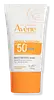
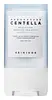
Avène Mineral Sunscreen Multi-Defense Fluid SPF 50+ Versus SKIN1004 Madagascar Centella Hyalu-Cica Silky-Fit Sun Stick SPF50+ PA++++
This hybrid sunscreen covers the full UV range and blocks ~98% of UVB at SPF 50.
This chemical sunscreen covers the full UV range and blocks ~98% of UVB at SPF 50.


What's inside
What's inside
 Key Ingredients
Benefits
Concerns
Ingredients Side-by-side
Zinc Oxide 12%
Cosmetic Colorant


Water
Skin ConditioningC12-15 Alkyl Benzoate
AntimicrobialJojoba Esters
Emollient

Caprylic/Capric Triglyceride
Masking


Propanediol
Solvent
Polyglyceryl-4 Diisostearate/Polyhydroxystearate/Sebacate
Emulsifying
Tridecyl Salicylate
Skin Conditioning
Nylon-12
Niacinamide
Smoothing









Methylpropanediol
SolventSilica
Abrasive
Glycerin
Humectant
Sodium Chloride
MaskingCoco-Caprylate
Emollient
Polyglyceryl-2 Dipolyhydroxystearate
Skin Conditioning
Caprylyl Glycol
Emollient
Bisabolol
Antioxidant
Allantoin
Skin Conditioning
Oryza Sativa Bran Extract
Skin Conditioning
Stearalkonium Hectorite
Gel FormingLecithin
Emollient
Polyglyceryl-3 Diisostearate
Emulsifying


Polyglyceryl-3 Polyricinoleate
Emulsifying
Phenylpropane
SolventHelianthus Annuus Extract
Emollient
Tocopherol
Antioxidant
Rosmarinus Officinalis Leaf Extract
AntimicrobialTetrasodium Glutamate Diacetate
Sodium Hydroxide
BufferingZinc Oxide 12%, Water, C12-15 Alkyl Benzoate, Jojoba Esters, Caprylic/Capric Triglyceride, Propanediol, Polyglyceryl-4 Diisostearate/Polyhydroxystearate/Sebacate, Tridecyl Salicylate, Nylon-12, Niacinamide, Methylpropanediol, Silica, Glycerin, Sodium Chloride, Coco-Caprylate, Polyglyceryl-2 Dipolyhydroxystearate, Caprylyl Glycol, Bisabolol, Allantoin, Oryza Sativa Bran Extract, Stearalkonium Hectorite, Lecithin, Polyglyceryl-3 Diisostearate, Polyglyceryl-3 Polyricinoleate, Phenylpropane, Helianthus Annuus Extract, Tocopherol, Rosmarinus Officinalis Leaf Extract, Tetrasodium Glutamate Diacetate, Sodium Hydroxide
Methyl Methacrylate Crosspolymer
Synthetic Wax
Abrasive
Coco-Caprylate/Caprate
Emollient
Cetyl Ethylhexanoate
EmollientButylene Glycol Dicaprylate/Dicaprate
EmollientDibutyl Adipate
EmollientButyloctyl Salicylate
Skin Conditioning
Vinyl Dimethicone/Methicone Silsesquioxane Crosspolymer

Silica
Abrasive
Diethylamino Hydroxybenzoyl Hexyl Benzoate
UV Filter
Dicaprylyl Carbonate
EmollientIsopropyl Palmitate
Emollient
Ethylhexyl Triazone
UV Absorber
Tocopheryl Acetate
Antioxidant
Diethylhexyl 2,6-Naphthalate
EmollientVinyldimethicone
Polysilicone-15
UV Filter
Bis-Ethylhexyloxyphenol Methoxyphenyl Triazine
UV Absorber
Ozokerite
Emulsion StabilisingMelia Azadirachta Leaf Extract
Skin ConditioningMelia Azadirachta Flower Extract
Skin ConditioningCoccinia Indica Fruit Extract
Skin Conditioning
Solanum Melongena Fruit Extract
Skin ConditioningAloe Barbadensis Flower Extract
EmollientCurcuma Longa Root Extract
Antioxidant
Corallina Officinalis Extract
Skin Conditioning
Ocimum Sanctum Leaf Extract
Skin ConditioningCentella Asiatica Extract
Cleansing
Agave Tequilana Leaf Extract
AstringentDiospyros Kaki Leaf Extract
Skin Protecting
Camellia Sinensis Leaf Extract
Antimicrobial
Castanea Crenata Shell Extract
Skin ConditioningCarthamus Tinctorius Flower Extract
Skin ConditioningZanthoxylum Piperitum Fruit Extract
Skin ConditioningCoffea Arabica Seed Extract
Masking
Vitis Vinifera Fruit Extract
Skin ConditioningPolygonum Cuspidatum Root Extract
Antioxidant
Simmondsia Chinensis Seed Oil
Emollient
Sodium Hyaluronate
Humectant
Bisabolol
Antioxidant
Glyceryl Caprylate
EmollientCaprylyl Glycol
Emollient
Polyglyceryl-4 Diisostearate/Polyhydroxystearate/Sebacate
Emulsifying
Ethylhexylglycerin
Skin ConditioningWater
Skin ConditioningHydrolyzed Hyaluronic Acid
Humectant
Butylene Glycol
Humectant
1,2-Hexanediol
Skin Conditioning
Glycerin
Humectant
Hyaluronic Acid
Humectant
Methyl Methacrylate Crosspolymer, Synthetic Wax, Coco-Caprylate/Caprate, Cetyl Ethylhexanoate, Butylene Glycol Dicaprylate/Dicaprate, Dibutyl Adipate, Butyloctyl Salicylate, Vinyl Dimethicone/Methicone Silsesquioxane Crosspolymer, Silica, Diethylamino Hydroxybenzoyl Hexyl Benzoate, Dicaprylyl Carbonate, Isopropyl Palmitate, Ethylhexyl Triazone, Tocopheryl Acetate, Diethylhexyl 2,6-Naphthalate, Vinyldimethicone, Polysilicone-15, Bis-Ethylhexyloxyphenol Methoxyphenyl Triazine, Ozokerite, Melia Azadirachta Leaf Extract, Melia Azadirachta Flower Extract, Coccinia Indica Fruit Extract, Solanum Melongena Fruit Extract, Aloe Barbadensis Flower Extract, Curcuma Longa Root Extract, Corallina Officinalis Extract, Ocimum Sanctum Leaf Extract, Centella Asiatica Extract, Agave Tequilana Leaf Extract, Diospyros Kaki Leaf Extract, Camellia Sinensis Leaf Extract, Castanea Crenata Shell Extract, Carthamus Tinctorius Flower Extract, Zanthoxylum Piperitum Fruit Extract, Coffea Arabica Seed Extract, Vitis Vinifera Fruit Extract, Polygonum Cuspidatum Root Extract, Simmondsia Chinensis Seed Oil, Sodium Hyaluronate, Bisabolol, Glyceryl Caprylate, Caprylyl Glycol, Polyglyceryl-4 Diisostearate/Polyhydroxystearate/Sebacate, Ethylhexylglycerin, Water, Hydrolyzed Hyaluronic Acid, Butylene Glycol, 1,2-Hexanediol, Glycerin, Hyaluronic Acid
Reviews
Ingredients Explained
These ingredients are found in both products.
Ingredients higher up in an ingredient list are typically present in a larger amount.
Bisabolol is a gentle skin conditioner, antioxidant, and soothing ingredient.
It's primary claim to fame is soothing and research shows topically applied bisabolol can quiet the chemical messengers that cause your skin to become inflamed, helping to sooth any irritation.
A clinical study found that applying 0.5% bisabolol daily for 8 weeks produced an average 9% decrease in skin pigmentation. Researchers found it can also suppress the process that leads to excess melanin production in skin.
In vitro studies found that bisabolol combined with propylene glycol significantly increased skin permeability by increasing lipid fluidity in the stratum corneum.
You'll likely see use concentrations quite low, usually 0.1-0.2%.
Overall, this is a well-tolerated ingredient that works well in formulas designed for sensitive, reactive, or post-procedure skin.
Learn more about BisabololCaprylyl Glycol is a humectant, skin conditioner, emollient, and preservative booster derived from either caprylic acid or synthetically created.
Typical use levels vary from 0.3-1% as a preservative booster and go up to 2% to condition skin.
Because it is not a free-fatty acid, this ingredient is fungal acne safe (there's nothing for Malassezia to feed on).
Learn more about Caprylyl GlycolGlycerin (or glycerol) is a compound naturally found in your skin. It's a powerhouse humectant that pulls water into the stratum corneum.
Topically, glycerin does several things at once:
Your skin makes glycerin on its own (mostly from sebaceous oil breakdown) and shuttles it to your outermost layer of skin, or your epidermis, via aquaporin-3.
Aquaporin-3 is a transporter that is essential for normal skin hydration, elasticity, and repair. Interestingly, mice lacking in AQP3 have dry and less elastic skin that can be fully corrected with glycerin.
This ingredient is non-irritating, plays well with almost every ingredient, and works across all skin types. Typical use is anywhere between 3-10% but can go up to 79% in some leave-on products.
Just know very high concentrations (>40%) can feel tacky in low humidity.
Glycerin is the name for this ingredient in American English. British English uses Glycerol/Glycerine.
Learn more about GlycerinThis ingredient is a water-in-oil emulsifier and is sometimes known by its trade name, Isolan GPS. It helps create stable emulsions by bridging oil and water phases without adding a greasy feel.
Common usage levels sit between 2-5% for this ingredient.
Silica, also known as silicon dioxide, is a naturally occurring mineral. It is used as a fine, spherical, and porous powder in cosmetics.
Though it has exfoliant properties, the function of silica varies depending on the product.
The unique structure of silica enhances the spreadability and adds smoothness, making it a great texture enhancer.
It is also used as an active carrier, emulsifier, and mattifier due to its ability to absorb excess oil.
In some products, tiny microneedles called spicules are made from silica or hydrolyzed sponge. When you rub them in, they lightly polish away dead skin layers and enhance the penetration of active ingredients.
Learn more about SilicaWater. It's the most common cosmetic ingredient of all. You'll usually see it at the top of ingredient lists, meaning that it makes up the largest part of the product.
So why is it so popular? Water most often acts as a solvent - this means that it helps dissolve other ingredients into the formulation.
You'll also recognize water as that liquid we all need to stay alive. If you see this, drink a glass of water. Remember to stay hydrated!
Learn more about Water

