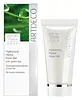
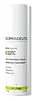
ARTDECO Hyaluronic Hydra Face Gel With Green Tea Versus Dermaceutic Laboratoire K Ceutic Post-treatment Cream
This calming moisturizer is formulated around Niacinamide and Sodium Hyaluronate to calm redness and hydrate skin.
This calming moisturizer is formulated around Butyrospermum Parkii Butter and Bisabolol to calm redness and strengthen the skin barrier.


What's inside
What's inside
 Key Ingredients
Benefits
Concerns
Ingredients Side-by-side
Water
Skin ConditioningButylene Glycol
Humectant

Dipropylene Glycol
HumectantPPG-25-Laureth-25
EmulsifyingGlycerin
Humectant
Polysorbate 20
Emulsifying

Hydrogenated Polyisobutene
EmollientPentylene Glycol
Skin Conditioning
Bis-PEG-18 Methyl Ether Dimethyl Silane
EmollientDimethicone
Emollient
Phenoxyethanol
Preservative
Ammonium Acryloyldimethyltaurate/Vp Copolymer
Butyl Methoxydibenzoylmethane
UV Absorber
Ethylhexyl Methoxycinnamate
UV Absorber

PPG-26-Buteth-26
Skin ConditioningCarbomer
Emulsion StabilisingNiacinamide
Smoothing









Sclerotium Gum
Emulsion StabilisingTocopheryl Acetate
Antioxidant

Ethylhexyl Salicylate
UV Absorber
PEG-40 Hydrogenated Castor Oil
Emulsifying
Dimethicone Crosspolymer
Emulsion Stabilising
Sodium Benzoate
Masking
Dipotassium Glycyrrhizate
Humectant
Disodium EDTA
ChelatingParfum
Masking


Sodium Hydroxide
BufferingLecithin
Emollient
Benzoic Acid
Masking
Sodium Metabisulfite
Antioxidant
Tocopherol
Antioxidant
Sodium Hyaluronate
Humectant
Ascorbyl Palmitate
Antioxidant
Saccharomyces/Xylinum/Black Tea Ferment
Skin Conditioning
Citric Acid
Buffering
Camellia Sinensis Leaf Extract
Antimicrobial
BHT
Antioxidant
Benzyl Alcohol
Perfuming

Lentinus Edodes Extract
Skin ConditioningZea Mays Kernel Extract
Hydroxyethylcellulose
Emulsion StabilisingPotassium Sorbate
Preservative
Sodium Citrate
BufferingXanthan Gum
EmulsifyingBiotin
AntiseborrhoeicCI 19140
Cosmetic ColorantCI 42090
Cosmetic ColorantWater, Butylene Glycol, Dipropylene Glycol, PPG-25-Laureth-25, Glycerin, Polysorbate 20, Hydrogenated Polyisobutene, Pentylene Glycol, Bis-PEG-18 Methyl Ether Dimethyl Silane, Dimethicone, Phenoxyethanol, Ammonium Acryloyldimethyltaurate/Vp Copolymer, Butyl Methoxydibenzoylmethane, Ethylhexyl Methoxycinnamate, PPG-26-Buteth-26, Carbomer, Niacinamide, Sclerotium Gum, Tocopheryl Acetate, Ethylhexyl Salicylate, PEG-40 Hydrogenated Castor Oil, Dimethicone Crosspolymer, Sodium Benzoate, Dipotassium Glycyrrhizate, Disodium EDTA, Parfum, Sodium Hydroxide, Lecithin, Benzoic Acid, Sodium Metabisulfite, Tocopherol, Sodium Hyaluronate, Ascorbyl Palmitate, Saccharomyces/Xylinum/Black Tea Ferment, Citric Acid, Camellia Sinensis Leaf Extract, BHT, Benzyl Alcohol, Lentinus Edodes Extract, Zea Mays Kernel Extract, Hydroxyethylcellulose, Potassium Sorbate, Sodium Citrate, Xanthan Gum, Biotin, CI 19140, CI 42090
Water
Skin ConditioningIsononyl Isononanoate
EmollientEthylhexyl Methoxycinnamate
UV Absorber
Beeswax
Emulsion Stabilising

Titanium Dioxide
Cosmetic Colorant
Glycerin
Humectant
Homosalate
Skin Conditioning
Butyl Methoxydibenzoylmethane
UV Absorber
Octyldodecanol
Emollient
Bis-Ethylhexyloxyphenol Methoxyphenyl Triazine
UV Absorber
Butylene Glycol
Humectant
Butyrospermum Parkii Butter
Skin Conditioning
Oleic/Linoleic/Linolenic Polyglycerides
Emollient
Cyclopentasiloxane
Emollient
Bisabolol
Antioxidant
Octyldodecyl Xyloside
EmulsifyingPEG-30 Dipolyhydroxystearate
Emulsifying
Tocopherol
Antioxidant
Zinc Stearate
Cosmetic ColorantSilica
Abrasive
Phenethyl Alcohol
MaskingMagnesium Sulfate
Ammonium Acryloyldimethyltaurate/Vp Copolymer
Alpha-Glucan Oligosaccharide
Cleansing
Methylpropanediol
SolventSclerotium Gum
Emulsion StabilisingTocopheryl Acetate
Antioxidant
Oxidized Corn Oil
Skin Conditioning
Glyceryl Caprylate
EmollientCitric Acid
Buffering
Dimethiconol
Emollient
Sodium Ascorbyl Phosphate
Antioxidant
Sodium Benzoate
Masking
Dimethicone
Emollient
Pseudoalteromonas Ferment Extract
Humectant
Xanthan Gum
EmulsifyingGlyceryl Undecylenate
Emollient
Glycine Soja Seed Extract
Skin Conditioning
CI 19140
Cosmetic ColorantDipotassium Glycyrrhizate
Humectant
Ethylhexylglycerin
Skin ConditioningT-Butyl Alcohol
Perfuming
CI 14700
Cosmetic ColorantMaltodextrin
Absorbent
Hyaluronic Acid
Humectant
Sodium Sulfate
Silanetriol
BHT
Antioxidant
CI 17200
Cosmetic ColorantGlucose
Humectant
Salicylic Acid
Masking
CI 42090
Cosmetic ColorantSodium Hydroxide
BufferingChondrus Crispus Extract
Skin Conditioning
Water, Isononyl Isononanoate, Ethylhexyl Methoxycinnamate, Beeswax, Titanium Dioxide, Glycerin, Homosalate, Butyl Methoxydibenzoylmethane, Octyldodecanol, Bis-Ethylhexyloxyphenol Methoxyphenyl Triazine, Butylene Glycol, Butyrospermum Parkii Butter, Oleic/Linoleic/Linolenic Polyglycerides, Cyclopentasiloxane, Bisabolol, Octyldodecyl Xyloside, PEG-30 Dipolyhydroxystearate, Tocopherol, Zinc Stearate, Silica, Phenethyl Alcohol, Magnesium Sulfate, Ammonium Acryloyldimethyltaurate/Vp Copolymer, Alpha-Glucan Oligosaccharide, Methylpropanediol, Sclerotium Gum, Tocopheryl Acetate, Oxidized Corn Oil, Glyceryl Caprylate, Citric Acid, Dimethiconol, Sodium Ascorbyl Phosphate, Sodium Benzoate, Dimethicone, Pseudoalteromonas Ferment Extract, Xanthan Gum, Glyceryl Undecylenate, Glycine Soja Seed Extract, CI 19140, Dipotassium Glycyrrhizate, Ethylhexylglycerin, T-Butyl Alcohol, CI 14700, Maltodextrin, Hyaluronic Acid, Sodium Sulfate, Silanetriol, BHT, CI 17200, Glucose, Salicylic Acid, CI 42090, Sodium Hydroxide, Chondrus Crispus Extract
Reviews
Ingredients Explained
These ingredients are found in both products.
Ingredients higher up in an ingredient list are typically present in a larger amount.
Ammonium Acryloyldimethyltaurate/Vp Copolymer is a synthetically created polymer. It's used as a film-forming agent and used to thicken the consistency of products.
Think of it as a supportive ingredient that helps your gel-creams feel silky, "cloud cream-like", and spread evenly without being greasy.
The Cosmetic Ingredient Review (CIR) Expert Panel evaluated it (along with 22 other acryloyldimethyltaurate polymers) and concluded it's:
Due to its large molecular size, it sits on the surface of skin rather than penetrating it.
Learn more about Ammonium Acryloyldimethyltaurate/Vp CopolymerBHT is a synthetic antioxidant and preservative.
As an antioxidant, it helps your body fight off free-radicals. Free-radicals are molecules that may damage your skin cells.
As a preservative, it is used to stabilize products and prevent them from degrading. Specifically, BHT prevents degradation from oxidation.
The concerns related to BHT come from oral studies; this ingredient is currently allowed for use by both the FDA and EU.
However, it was recently restricted for use in the UK as of April 2024.
Learn more about BHTAlso known as Avobenzone, this ingredient is an oil-soluble used to absorb the full spectrum of UVA rays (peak 357 nm).
It's one of the most effective UVA filters available but has a major caveat of photostability: avobenzone is susceptible to photodegradation.
This means it can lose efficacy when exposed to sunlight without the help of a stabilizing agent.
Studies show antioxidants (like vitamin E or vitamin C) and some UV filters (like octocrylene and Tinosorb S) can meaningfully improve its stability in a formulation.
The maximum allowable concentration according to regulation is 3% in the US + Canada, and 5% in the EU, Australia, China, Korea, and ASEAN countries.
It has a well-support safety profile: a comprehensive 2025 review found minimal toxicity with no evidence of carcinogenicity.
Overall, avobenzone is a safe and regulated ingredient used in sunscreen for over 40 years.
Learn more about Butyl MethoxydibenzoylmethaneButylene Glycol (or BG) is used within cosmetic products for a few different reasons:
Overall, Butylene Glycol is a safe and well-rounded ingredient that works well with other ingredients.
Though this ingredient works well with most skin types, some people with sensitive skin may experience a reaction such as allergic rashes, closed comedones, or itchiness.
Learn more about Butylene GlycolCI 19140 is also known as Tartrazine. Tartrazine is a synthetic dye used in cosmetics, foods, and medicine to add a yellow color.
Tartrazine is created from petroleum and is water-soluble.
Some people may experience allergies from this dye, especially asthmatics and those with an aspirin intolerance.
Learn more about CI 19140Ci 42090 is a synthetic dye created from petroleum. It is used to give a bright blue color to cosmetics, medicine, and food.
Citric Acid is an alpha hydroxy acid (AHA) naturally found in citrus fruits like oranges, lemons, and limes.
Like other AHAs, citric acid can exfoliate skin by breaking down the bonds that hold dead skin cells together. This helps reveal smoother and brighter skin underneath.
However, this exfoliating effect only happens at high concentrations (20%) which can be hard to find in cosmetic products.
Due to this, citric acid is usually included in small amounts as a pH adjuster. This helps keep products slightly more acidic and compatible with skin's natural pH.
In skincare formulas, citric acid can:
While it can provide some skin benefits, research shows lactic acid and glycolic acid are generally more effective and less irritating exfoliants.
Most citric acid used in skincare today is made by fermenting sugars (usually from molasses). This synthetic version is identical to the natural citrus form but easier to stabilize and use in formulations.
Rosacea skin has a lower threshold for acids generally, with 62.5% of rosacea subjects in one study reacting to lactic acid in a sting test. This is why we mark citric acid as a potential rosacea trigger.
However, this ingredient shows up as a pH adjuster or chelator at roughly 0.1-1% in many products. These low levels are unlikely to be an issue for rosacea skin and becomes a potential trigger at exfoliating concentrations (20%). Because everybody's skin is unique, we recommend a patch test if you are unsure.
Learn more about Citric AcidDimethicone is a type of synthetic silicone created from natural materials such as quartz. It is also known as polydimethylsiloxane.
What it does:
Dimethicone comes in different viscosities:
Depending on the viscosity, dimethicone has different properties.
Ingredients lists don't always show which type is used, so we recommend reaching out to the brand if you have questions about the viscosity.
This ingredient is unlikely to cause irritation because it does not get absorbed into skin. However, people with silicone allergies should be careful about using this ingredient.
Note: Dimethicone may contribute to pilling. This is because it is not oil or water soluble, so pilling may occur when layered with products. When mixed with heavy oils in a formula, the outcome is also quite greasy.
Learn more about DimethiconeDipotassium Glycyrrhizate comes from licorice root.
Extracts of licorice have demonstrated to have antibacterial, anti‐inflammatory, antiviral, antioxidant properties.
One component, glabridin, has extra potent antioxidant and soothing properties. It has also been found to block pigmentation from UVB rays in guinea pigs.
Licorice Root also contains a flavonoid. Flavonoids are a natural substance from in plants. Flavonoids also have antioxidant properties.
Another component, glycyrrhizin, has been found to have anti-inflammatory and antimicrobial benefits. This may make licorice root extract effective at treating acne. However, more research is needed to support this.
Liquiritin is one of the flavone compounds found in licorice. It has been found to help lighten skin by preventing tyrosinase from reacting with tyrosine. When the two react, protein is converted to melanin. Melanin is the substance in your body that gives your features pigmentation.
Licorice root is native to Southern Europe and Asia. It has been used in traditional Chinese medicine to help with respiratory issues.
Learn more about Dipotassium GlycyrrhizateThis ingredient is also known as Octinoxate and is one of the oldest and most widely used chemical UV filters in skincare.
It has a simple job: soap up UVB radiation (290-320 nm), the wavelengths responsible for sunburn and a big chunk of long-term sun damage.
In formulas, it's always paired with a separate UVA filter because octinoxate solely protects skin from UVB.
Because it's an oil-soluble liquid, it's easy to blend into the oil phase of lotions/creams and gives a cosmetically elegant feel.
The one quirk about formulating this ingredient is photostability; the molecule slowly changes shape into a less effective version when sunlight hits it. So the longer you're in the sun, the weaker its protection gets. The drop can be more than 30% in some formulas.
It also doesn't play nice with Avobenzone (the common UVA filter) since avobenzone destabilizes octinoxate and the two degrade each other. But don't worry: brands have solved this issue by adding photostabilizers like Tinosorb S to prevent degradation and keep SPF stable under heavy UV exposure.
The maximum allowed level is 10% in the EU and Australia, 7.5% in the US and Canada, and 20% in Japan.
The Cosmetic Ingredient Review Panel has concluded this ingredient to be safe in cosmetics up to 10%.
One last thing worth knowing for context:
Octinoxate has been the subject of ongoing review in Europe where the Scientific Committee on Consumer Safety's (SCCS) 2025 final opinion is that this ingredient is an endocrine-active substance.
Lab and animal studies suggest it can act a bit like a hormone in the body (mildly mimicking estrogen and slightly blocking male hormones). It's important to know this hasn't really been shown to happen in everyday human use.
This ingredient is also banned in Hawaii over coral reef concerns.
Learn more about Ethylhexyl MethoxycinnamateGlycerin (or glycerol) is a compound naturally found in your skin. It's a powerhouse humectant that pulls water into the stratum corneum.
Topically, glycerin does several things at once:
Your skin makes glycerin on its own (mostly from sebaceous oil breakdown) and shuttles it to your outermost layer of skin, or your epidermis, via aquaporin-3.
Aquaporin-3 is a transporter that is essential for normal skin hydration, elasticity, and repair. Interestingly, mice lacking in AQP3 have dry and less elastic skin that can be fully corrected with glycerin.
This ingredient is non-irritating, plays well with almost every ingredient, and works across all skin types. Typical use is anywhere between 3-10% but can go up to 79% in some leave-on products.
Just know very high concentrations (>40%) can feel tacky in low humidity.
Glycerin is the name for this ingredient in American English. British English uses Glycerol/Glycerine.
Learn more about GlycerinSclerotium Gum is a natural sugar-based fiber made by fermenting a fungus called Sclerotium rolfsii. It's often used as the plant-friendly alternative for synthetic thickeners like carbomer.
In skincare, it works as a thickener, gel former, and stabilizer that keeps heavy ingredients suspended so a product does not separate.
It is non-ionic and forms a triple helix in solution. This is just a fancy way of saying it builds a smooth, cushiony, and non-sticky gel that feels silkier than many other gums.
Another perk of this ingredient is that it is very sturdy and holds up across a wide pH range (~2-11). It's also good at resisting heat and hydrolysis.
Since it holds water at the skin surface, it can provide some light hydration as well.
Typical use levels are around 0.25-2%; formulators usually use 0.2-0.5% to thicken lotions and up to 2% for a firmer gel base.
This ingredient has been found safe in cosmetics with no meaningful evidence of skin sensitization.
Learn more about Sclerotium GumSodium Benzoate is a preservative. It's used in both cosmetic and food products to inhibit the growth of mold and bacteria. It is typically produced synthetically.
Both the US FDA and EU Health Committee have approved the use of sodium benzoate. In the US, levels of 0.1% (of the total product) are allowed.
Sodium benzoate works as a preservative by inhibiting the growth of bacteria inside of cells. It prevents the cell from fermenting a type of sugar using an enzyme called phosphofructokinase.
It is the salt of benzoic acid. Foods containing sodium benzoate include soda, salad dressings, condiments, fruit juices, wines, and snack foods.
Studies for using ascorbic acid and sodium benzoate in cosmetics are lacking, especially in skincare routines with multiple steps.
We always recommend speaking with a professional, such as a dermatologist, if you have any concerns.
Learn more about Sodium BenzoateSodium Hydroxide is also known as lye or caustic soda. It is used to adjust the pH of products; many ingredients require a specific pH to be effective.
In small amounts, sodium hydroxide is considered safe to use. However, large amounts may cause chemical burns due to its high alkaline.
Your skin has a natural pH and acid mantle. This acid mantle helps prevent harmful bacteria from breaking through. The acid mantle also helps keep your skin hydrated.
"Alkaline" refers to a high pH level. A low pH level would be considered acidic.
Learn more about Sodium HydroxideTocopherol is a fat-soluble antioxidant known as Vitamin E.
You'll find this ingredient in the vast majority of skincare (for good reason). It works to neutralize free radicals, or unstable molecules generated by UV exposure, pollution, and other environmental stressors, before they can cause oxidative damage to your skin cells.
Topically applied tocopherol has been shown to protect against UV damage by ramping up the skin's own natural defense enzymes.
It also acts as a skin conditioning agent; some studies show that regular topical use can improve the skin's water-binding capacity over 2-4 weeks.
This ingredient is especially loved for being a team player. When combined with Vitamin C, the photoprotective effect of both ingredients roughly doubles and the combo also helps reduce UV-induced DNA damage.
This ingredient has some brightening potential but it's more of a prevention ingredient than spot-fader. Cell studies show it can slow down melanin production but it's worth noting that it's not the most powerful brightener out there.
In formulations, it also serves as a stabilizer that helps protect other oxidation-prone ingredients from degrading.
Concentrations usually range from 0.1-1% in most leave-on products.
Learn more about TocopherolTocopheryl Acetate is a stable, shelf-friendly form of vitamin E.
Formulators love it because plain vitamin E oxidizes quickly once it hits air. This acetate version stays stable and resists going off, helping to extend a product's shelf life.
It's actually inactive on its own and works like a slow-release "storage" form; the enzymes in your skin called esterases gradually convert it into active vitamin E over time.
One in vivo study showed 5% of the acetate in the living layer of the epidermis converted to vitamin E after 5 days of application. This study also found the skin gained protection against UV damage even though the conversion was slow and small.
Once converted, vitamin E acts as a skin's main fat-soluble antioxidant that fights free radicals to protect skin from damage.
Topical vitamin E generally boosts the skin's photoprotection, and it reduced UV-damage in animal models.
This ingredient has some brightening potential but it's more of a prevention ingredient than spot-fader. Cell studies show it can slow down melanin production but it's worth noting that it's not the most powerful brightener out there.
Overall, it has a pretty solid safety profile and has been found to be non-irritating and non-comedogenic. Allergic reactions may happen but stay rare due to how widely the ingredient gets used.
The concentration will vary depending on the formula; industry data shows 0.1% in baby lotions, 3% in lipsticks, and 5% in foot powders. You can also find this ingredient at 100% in a pure vitamin E oil.
Most leave-on skincare keeps it at the lower end, often between 0.5-1%.
Learn more about Tocopheryl AcetateWater. It's the most common cosmetic ingredient of all. You'll usually see it at the top of ingredient lists, meaning that it makes up the largest part of the product.
So why is it so popular? Water most often acts as a solvent - this means that it helps dissolve other ingredients into the formulation.
You'll also recognize water as that liquid we all need to stay alive. If you see this, drink a glass of water. Remember to stay hydrated!
Learn more about WaterXanthan gum is used as a stabilizer and thickener within cosmetic products. It helps give products a sticky, thick feeling - preventing them from being too runny.
On the technical side of things, xanthan gum is a polysaccharide - a combination consisting of multiple sugar molecules bonded together.
Xanthan gum is a pretty common and great ingredient. It is a natural, non-toxic, non-irritating ingredient that is also commonly used in food products.
Learn more about Xanthan Gum

