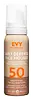
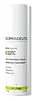
Evy Technology Daily Defense Face Mousse SPF 50 Versus Dermaceutic Laboratoire K Ceutic Post-treatment Cream
This chemical sunscreen covers the full UV range and blocks ~98% of UVB at SPF 50.
This calming moisturizer is formulated around Butyrospermum Parkii Butter and Bisabolol to calm redness and strengthen the skin barrier.


What's inside
What's inside
 Key Ingredients
Benefits
Concerns
Ingredients Side-by-side
Water
Skin ConditioningOctocrylene
UV Absorber



Butane
Butyl Methoxydibenzoylmethane
UV Absorber
Diethylamino Hydroxybenzoyl Hexyl Benzoate
UV Filter
Propylene Glycol
Humectant

Ethylhexyl Isononanoate
EmollientStearic Acid
Cleansing

Palmitic Acid
Emollient
Vp/Hexadecene Copolymer
Isobutane
Bis-Ethylhexyloxyphenol Methoxyphenyl Triazine
UV Absorber
Dipropylene Glycol
HumectantPvp
Emulsion StabilisingEthylhexyl Triazone
UV Absorber
Propane
Polysorbate 20
Emulsifying
Triethanolamine
BufferingBis(Cyano Butylacetate) Anthracenediylidene
Skin ConditioningSodium Palmitoyl Proline
Skin ConditioningButylene Glycol Dicaprylate/Dicaprate
EmollientSilica
Abrasive


Nymphaea Alba Flower Extract
Skin ConditioningSodium Ascorbyl Phosphate
Antioxidant






C12-15 Alkyl Benzoate
AntimicrobialTocopheryl Acetate
Antioxidant
Glycerin
Humectant
Butylene Glycol
Humectant
Dimethicone
Emollient
Tetrasodium Glutamate Diacetate
ChelatingWater, Octocrylene, Butane, Butyl Methoxydibenzoylmethane, Diethylamino Hydroxybenzoyl Hexyl Benzoate, Propylene Glycol, Ethylhexyl Isononanoate, Stearic Acid, Palmitic Acid, Vp/Hexadecene Copolymer, Isobutane, Bis-Ethylhexyloxyphenol Methoxyphenyl Triazine, Dipropylene Glycol, Pvp, Ethylhexyl Triazone, Propane, Polysorbate 20, Triethanolamine, Bis(Cyano Butylacetate) Anthracenediylidene, Sodium Palmitoyl Proline, Butylene Glycol Dicaprylate/Dicaprate, Silica, Nymphaea Alba Flower Extract, Sodium Ascorbyl Phosphate, C12-15 Alkyl Benzoate, Tocopheryl Acetate, Glycerin, Butylene Glycol, Dimethicone, Tetrasodium Glutamate Diacetate
Water
Skin ConditioningIsononyl Isononanoate
EmollientEthylhexyl Methoxycinnamate
UV Absorber
Beeswax
Emulsion Stabilising
Titanium Dioxide
Cosmetic Colorant
Glycerin
Humectant
Homosalate
Skin Conditioning
Butyl Methoxydibenzoylmethane
UV Absorber
Octyldodecanol
Emollient
Bis-Ethylhexyloxyphenol Methoxyphenyl Triazine
UV Absorber
Butylene Glycol
Humectant
Butyrospermum Parkii Butter
Skin Conditioning
Oleic/Linoleic/Linolenic Polyglycerides
Emollient
Cyclopentasiloxane
Emollient
Bisabolol
Antioxidant
Octyldodecyl Xyloside
EmulsifyingPEG-30 Dipolyhydroxystearate
Emulsifying
Tocopherol
Antioxidant
Zinc Stearate
Cosmetic ColorantSilica
Abrasive
Phenethyl Alcohol
MaskingMagnesium Sulfate
Ammonium Acryloyldimethyltaurate/Vp Copolymer
Alpha-Glucan Oligosaccharide
Cleansing
Methylpropanediol
SolventSclerotium Gum
Emulsion StabilisingTocopheryl Acetate
Antioxidant
Oxidized Corn Oil
Skin Conditioning
Glyceryl Caprylate
EmollientCitric Acid
Buffering
Dimethiconol
Emollient
Sodium Ascorbyl Phosphate
Antioxidant
Sodium Benzoate
Masking
Dimethicone
Emollient
Pseudoalteromonas Ferment Extract
Humectant
Xanthan Gum
EmulsifyingGlyceryl Undecylenate
Emollient
Glycine Soja Seed Extract
Skin Conditioning
CI 19140
Cosmetic ColorantDipotassium Glycyrrhizate
Humectant
Ethylhexylglycerin
Skin ConditioningT-Butyl Alcohol
Perfuming



CI 14700
Cosmetic ColorantMaltodextrin
Absorbent
Hyaluronic Acid
Humectant
Sodium Sulfate
Silanetriol
BHT
Antioxidant
CI 17200
Cosmetic ColorantGlucose
Humectant
Salicylic Acid
Masking

CI 42090
Cosmetic ColorantSodium Hydroxide
BufferingChondrus Crispus Extract
Skin Conditioning
Water, Isononyl Isononanoate, Ethylhexyl Methoxycinnamate, Beeswax, Titanium Dioxide, Glycerin, Homosalate, Butyl Methoxydibenzoylmethane, Octyldodecanol, Bis-Ethylhexyloxyphenol Methoxyphenyl Triazine, Butylene Glycol, Butyrospermum Parkii Butter, Oleic/Linoleic/Linolenic Polyglycerides, Cyclopentasiloxane, Bisabolol, Octyldodecyl Xyloside, PEG-30 Dipolyhydroxystearate, Tocopherol, Zinc Stearate, Silica, Phenethyl Alcohol, Magnesium Sulfate, Ammonium Acryloyldimethyltaurate/Vp Copolymer, Alpha-Glucan Oligosaccharide, Methylpropanediol, Sclerotium Gum, Tocopheryl Acetate, Oxidized Corn Oil, Glyceryl Caprylate, Citric Acid, Dimethiconol, Sodium Ascorbyl Phosphate, Sodium Benzoate, Dimethicone, Pseudoalteromonas Ferment Extract, Xanthan Gum, Glyceryl Undecylenate, Glycine Soja Seed Extract, CI 19140, Dipotassium Glycyrrhizate, Ethylhexylglycerin, T-Butyl Alcohol, CI 14700, Maltodextrin, Hyaluronic Acid, Sodium Sulfate, Silanetriol, BHT, CI 17200, Glucose, Salicylic Acid, CI 42090, Sodium Hydroxide, Chondrus Crispus Extract
Reviews
Ingredients Explained
These ingredients are found in both products.
Ingredients higher up in an ingredient list are typically present in a larger amount.
This ingredient is better known as bemotrizinol or Tinosorb S and is one of the best broad-spectrum UV filters in modern sunscreen.
It works by absorbing UV light across a whole range (280-400 nm) with peaks around 310 nm (UVB) and 340-345 nm (UVA). This means it covers UVB plus the deeper UVA wavelengths that drive photoaging and pigmentation.
Another pro?
It's exceptionally photostable, barely degrades in sunlight, and acts as a "bodyguard" for less stable filters.
That's why you'll see it paired with avobenzone or octinoxate; this team up ensures they keep working through sun exposure.
Safety reviews have been reassuring across the board. This ingredient shows low absorption through the skin, rarely irritates, and lab studies found it doesn't act like a hormone in the body (a concern that's been raised about some older sunscreen filters).
On maximum concentrations:
In 2026, the US F.D.A finally added it as an OTC sunscreen ingredient at concentrations up to 6% for adults / children 6 months and older
Learn more about Bis-Ethylhexyloxyphenol Methoxyphenyl TriazineAlso known as Avobenzone, this ingredient is an oil-soluble used to absorb the full spectrum of UVA rays (peak 357 nm).
It's one of the most effective UVA filters available but has a major caveat of photostability: avobenzone is susceptible to photodegradation.
This means it can lose efficacy when exposed to sunlight without the help of a stabilizing agent.
Studies show antioxidants (like vitamin E or vitamin C) and some UV filters (like octocrylene and Tinosorb S) can meaningfully improve its stability in a formulation.
The maximum allowable concentration according to regulation is 3% in the US + Canada, and 5% in the EU, Australia, China, Korea, and ASEAN countries.
It has a well-support safety profile: a comprehensive 2025 review found minimal toxicity with no evidence of carcinogenicity.
Overall, avobenzone is a safe and regulated ingredient used in sunscreen for over 40 years.
Learn more about Butyl MethoxydibenzoylmethaneButylene Glycol (or BG) is used within cosmetic products for a few different reasons:
Overall, Butylene Glycol is a safe and well-rounded ingredient that works well with other ingredients.
Though this ingredient works well with most skin types, some people with sensitive skin may experience a reaction such as allergic rashes, closed comedones, or itchiness.
Learn more about Butylene GlycolDimethicone is a type of synthetic silicone created from natural materials such as quartz. It is also known as polydimethylsiloxane.
What it does:
Dimethicone comes in different viscosities:
Depending on the viscosity, dimethicone has different properties.
Ingredients lists don't always show which type is used, so we recommend reaching out to the brand if you have questions about the viscosity.
This ingredient is unlikely to cause irritation because it does not get absorbed into skin. However, people with silicone allergies should be careful about using this ingredient.
Note: Dimethicone may contribute to pilling. This is because it is not oil or water soluble, so pilling may occur when layered with products. When mixed with heavy oils in a formula, the outcome is also quite greasy.
Learn more about DimethiconeGlycerin (or glycerol) is a compound naturally found in your skin. It's a powerhouse humectant that pulls water into the stratum corneum.
Topically, glycerin does several things at once:
Your skin makes glycerin on its own (mostly from sebaceous oil breakdown) and shuttles it to your outermost layer of skin, or your epidermis, via aquaporin-3.
Aquaporin-3 is a transporter that is essential for normal skin hydration, elasticity, and repair. Interestingly, mice lacking in AQP3 have dry and less elastic skin that can be fully corrected with glycerin.
This ingredient is non-irritating, plays well with almost every ingredient, and works across all skin types. Typical use is anywhere between 3-10% but can go up to 79% in some leave-on products.
Just know very high concentrations (>40%) can feel tacky in low humidity.
Glycerin is the name for this ingredient in American English. British English uses Glycerol/Glycerine.
Learn more about GlycerinSilica, also known as silicon dioxide, is a naturally occurring mineral. It is used as a fine, spherical, and porous powder in cosmetics.
Though it has exfoliant properties, the function of silica varies depending on the product.
The unique structure of silica enhances the spreadability and adds smoothness, making it a great texture enhancer.
It is also used as an active carrier, emulsifier, and mattifier due to its ability to absorb excess oil.
In some products, tiny microneedles called spicules are made from silica or hydrolyzed sponge. When you rub them in, they lightly polish away dead skin layers and enhance the penetration of active ingredients.
Learn more about SilicaSodium Ascorbyl Phosphate (SAP) is a water-soluble form of Vitamin C. It is the salt of ascorbic acid.
This ingredient is commonly used in skincare because it's more formulation-stable while still offering the same benefits as pure ascorbic acid. Ascorbic acid is notorious for breaking down when exposed to sunlight and oxygen whereas SAP has been shown to be more stable.
Studies show SAP has anti-acne and antioxidant benefits. One study found 5% of SAP lotion to be an effective ingredient for treating acne vulgaris. This is because research shows that SAP may help control acne by reducing acne-causing bacteria and slowing the oxidation of skin oils caused by UV exposure.
In addition to acne, vitamin C is important for skin structure. Lab studies suggest SAP may support collagen production in skin cells, making it a great ingredient in anti-aging routines.
Vitamin C has many benefits: it helps reduce redness, improve skin texture, fade the appearance of dark spots, and brighten the skin.
Read more about other types of Vitamin C:
Learn more about Sodium Ascorbyl PhosphateTocopheryl Acetate is a stable, shelf-friendly form of vitamin E.
Formulators love it because plain vitamin E oxidizes quickly once it hits air. This acetate version stays stable and resists going off, helping to extend a product's shelf life.
It's actually inactive on its own and works like a slow-release "storage" form; the enzymes in your skin called esterases gradually convert it into active vitamin E over time.
One in vivo study showed 5% of the acetate in the living layer of the epidermis converted to vitamin E after 5 days of application. This study also found the skin gained protection against UV damage even though the conversion was slow and small.
Once converted, vitamin E acts as a skin's main fat-soluble antioxidant that fights free radicals to protect skin from damage.
Topical vitamin E generally boosts the skin's photoprotection, and it reduced UV-damage in animal models.
This ingredient has some brightening potential but it's more of a prevention ingredient than spot-fader. Cell studies show it can slow down melanin production but it's worth noting that it's not the most powerful brightener out there.
Overall, it has a pretty solid safety profile and has been found to be non-irritating and non-comedogenic. Allergic reactions may happen but stay rare due to how widely the ingredient gets used.
The concentration will vary depending on the formula; industry data shows 0.1% in baby lotions, 3% in lipsticks, and 5% in foot powders. You can also find this ingredient at 100% in a pure vitamin E oil.
Most leave-on skincare keeps it at the lower end, often between 0.5-1%.
Learn more about Tocopheryl AcetateWater. It's the most common cosmetic ingredient of all. You'll usually see it at the top of ingredient lists, meaning that it makes up the largest part of the product.
So why is it so popular? Water most often acts as a solvent - this means that it helps dissolve other ingredients into the formulation.
You'll also recognize water as that liquid we all need to stay alive. If you see this, drink a glass of water. Remember to stay hydrated!
Learn more about Water

