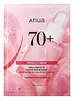
This brightening sheet mask is formulated around Lactobacillus Ferment and Niacinamide to brighten dull-looking skin and refine skin texture.
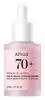
This brightening serum is formulated around Niacinamide and Alpha-Arbutin to brighten dull-looking skin and fade the look of dark spots.

What's inside
What's inside
 Key Ingredients
Benefits
Concerns
Ingredients Side-by-side
Prunus Persica Fruit Water
Masking
1,2-Hexanediol
Skin Conditioning
Lactobacillus Ferment
Skin Conditioning

Water
Skin ConditioningMethylpropanediol
SolventGlycerin
Humectant
Niacinamide
Smoothing








Hydroxyacetophenone
Antioxidant
Butylene Glycol
Humectant
Cynanchum Atratum Extract
Skin ConditioningAlthaea Rosea Flower Extract
Skin ConditioningEthylhexylglycerin
Skin ConditioningPropanediol
Solvent
Polyglyceryl-10 Isostearate
Skin Conditioning

Polyglyceryl-10 Oleate
Skin Conditioning
Carbomer
Emulsion StabilisingAllantoin
Skin Conditioning
Xanthan Gum
EmulsifyingPhellinus Linteus Extract
Skin ConditioningTromethamine
BufferingSodium Phytate
ChelatingParfum
Masking


Cyanocobalamin
Skin ConditioningPrunus Persica Flower Extract
MoisturisingHydrolyzed Hyaluronic Acid
Humectant
Hyaluronic Acid
Humectant
Sodium Hyaluronate
Humectant
Caprylic/Capric Triglyceride
Masking
Hydrogenated Lecithin
Emulsifying
Ceramide NP
Skin Conditioning
Linoleic Acid
Cleansing
Linolenic Acid
Cleansing
Salvia Hispanica Seed Oil
Emollient
Carthamus Tinctorius Seed Oil
Masking
Sucrose Palmitate
EmollientCamellia Sinensis Seed Oil
Humectant
Yeast Ferment Extract
Skin ConditioningCandida Bombicola/Glucose/Methyl Rapeseedate Ferment
AntimicrobialPanthenol
Skin Conditioning
Betaine Salicylate
Antimicrobial
Prunus Persica Fruit Water, 1,2-Hexanediol, Lactobacillus Ferment, Water, Methylpropanediol, Glycerin, Niacinamide, Hydroxyacetophenone, Butylene Glycol, Cynanchum Atratum Extract, Althaea Rosea Flower Extract, Ethylhexylglycerin, Propanediol, Polyglyceryl-10 Isostearate, Polyglyceryl-10 Oleate, Carbomer, Allantoin, Xanthan Gum, Phellinus Linteus Extract, Tromethamine, Sodium Phytate, Parfum, Cyanocobalamin, Prunus Persica Flower Extract, Hydrolyzed Hyaluronic Acid, Hyaluronic Acid, Sodium Hyaluronate, Caprylic/Capric Triglyceride, Hydrogenated Lecithin, Ceramide NP, Linoleic Acid, Linolenic Acid, Salvia Hispanica Seed Oil, Carthamus Tinctorius Seed Oil, Sucrose Palmitate, Camellia Sinensis Seed Oil, Yeast Ferment Extract, Candida Bombicola/Glucose/Methyl Rapeseedate Ferment, Panthenol, Betaine Salicylate
Prunus Persica Fruit Water 70%
Masking
Glycerin
Humectant
Niacinamide 5%
Smoothing
Butylene Glycol
Humectant
Diethoxyethyl Succinate
SolventWater
Skin Conditioning1,2-Hexanediol
Skin Conditioning
Lactobacillus Ferment
Skin Conditioning
Sodium Hyaluronate
Humectant
Sphingomonas Ferment Extract
Skin Conditioning
Alpha-Arbutin
Antioxidant
Melia Azadirachta Flower Extract
Skin ConditioningOcimum Sanctum Leaf Extract
Skin ConditioningMelia Azadirachta Leaf Extract
Skin ConditioningCarthamus Tinctorius Seed Oil
Masking
Salvia Hispanica Seed Oil
Emollient
Curcuma Longa Root Extract
Antioxidant
Corallina Officinalis Extract
Skin Conditioning
Hydrolyzed Hyaluronic Acid
Humectant
Chamaecyparis Obtusa Leaf Extract
Skin ConditioningPrunus Persica Flower Extract
MoisturisingCamellia Sinensis Seed Oil
Humectant
Yeast Ferment Extract
Skin ConditioningCentella Asiatica Extract
Cleansing
Artemisia Princeps Leaf Extract
Skin ConditioningCandida Bombicola/Glucose/Methyl Rapeseedate Ferment
AntimicrobialPentylene Glycol
Skin Conditioning
Polyglyceryl-10 Laurate
Skin Conditioning
Betaine Salicylate
Antimicrobial
Sodium Phytate
ChelatingCellulose
Absorbent
Caprylic/Capric Triglyceride
Masking
Hydrogenated Lecithin
Emulsifying
Panthenol
Skin Conditioning
Polyglutamic Acid
Skin Conditioning
Linoleic Acid
Cleansing
Linolenic Acid
Cleansing
Polyglyceryl-10 Oleate
Skin Conditioning
Sucrose Palmitate
EmollientCyanocobalamin
Skin Conditioning3-O-Ethyl Ascorbic Acid
Skin Conditioning
Ceramide NP
Skin Conditioning
Asiaticoside
Antioxidant
Madecassic Acid
Skin Conditioning
Asiatic Acid
Skin Conditioning
Xanthan Gum
EmulsifyingParfum
Masking
Prunus Persica Fruit Water 70%, Glycerin, Niacinamide 5%, Butylene Glycol, Diethoxyethyl Succinate, Water, 1,2-Hexanediol, Lactobacillus Ferment, Sodium Hyaluronate, Sphingomonas Ferment Extract, Alpha-Arbutin, Melia Azadirachta Flower Extract, Ocimum Sanctum Leaf Extract, Melia Azadirachta Leaf Extract, Carthamus Tinctorius Seed Oil, Salvia Hispanica Seed Oil, Curcuma Longa Root Extract, Corallina Officinalis Extract, Hydrolyzed Hyaluronic Acid, Chamaecyparis Obtusa Leaf Extract, Prunus Persica Flower Extract, Camellia Sinensis Seed Oil, Yeast Ferment Extract, Centella Asiatica Extract, Artemisia Princeps Leaf Extract, Candida Bombicola/Glucose/Methyl Rapeseedate Ferment, Pentylene Glycol, Polyglyceryl-10 Laurate, Betaine Salicylate, Sodium Phytate, Cellulose, Caprylic/Capric Triglyceride, Hydrogenated Lecithin, Panthenol, Polyglutamic Acid, Linoleic Acid, Linolenic Acid, Polyglyceryl-10 Oleate, Sucrose Palmitate, Cyanocobalamin, 3-O-Ethyl Ascorbic Acid, Ceramide NP, Asiaticoside, Madecassic Acid, Asiatic Acid, Xanthan Gum, Parfum
Reviews
Ingredients Explained
These ingredients are found in both products.
Ingredients higher up in an ingredient list are typically present in a larger amount.
1,2-Hexanediol is a synthetic liquid and another multi-functional powerhouse.
It is a:
- Humectant, drawing moisture into the skin
- Emollient, helping to soften skin
- Solvent, dispersing and stabilizing formulas
- Preservative booster, enhancing the antimicrobial activity of other preservatives
Betaine Salicylate is considered a salicylic acid alternative.
Limited studies exist proving this ingredient to be a complete alternative to salicylic acid. Based on existing research, this ingredient does not penetrate as deeply and is not shown to be as effective.
However, this makes it a great choice for those with sensitive skin or need gentle BHA action.
This ingredient is created using betaine and salicylic acid.
This ingredient is oil-soluble and is most effective at a pH range of 3.8-4.2.
Learn more about Betaine SalicylateButylene Glycol (or BG) is used within cosmetic products for a few different reasons:
Overall, Butylene Glycol is a safe and well-rounded ingredient that works well with other ingredients.
Though this ingredient works well with most skin types, some people with sensitive skin may experience a reaction such as allergic rashes, closed comedones, or itchiness.
Learn more about Butylene GlycolCamellia Sinensis Seed Oil is the oil expressed from the seeds from the tea plant. This is the same plant we get green, black, and oolong tea from.
Camellia Sinensis Seed Oil is rich in oleic acid. This makes it an effective moisturizer. By drawing moisture to the skin, Camellia Oleifera Seed Oil helps keep your skin hydrated.
Other components of Camellia Sinensis Seed Oil includes Vitamin E and polyphenols. These are antioxidants that may help slow down the signs of aging. Antioxidants help fight free-radicals, or unstable molecules that can damage our skin cells.
Camellia Sinensis Seed Oil also has anti-inflammatory properties.
The seed oil comes from the dried kernels of the plant.
Learn more about Camellia Sinensis Seed OilThis ingredient is a biosurfactant ferment made when the yeast Candida bombicola ferments glucose plus methyl rapeseedate. This kind of ferment is best known for producing sophorolipids (a family of glycolipid biosurfactants) which brands use as mild cleansing agents.
What it does;
Lab work on purified acidic sophorolipids suggests they can be less cytotoxic/irritating in skin-model testing than a common harsh surfactant (SLES) at the tested conditions.
By the way, the final cosmetic ingredient does not contain live yeast. It’s a processed fermentation-derived ingredient.
Learn more about Candida Bombicola/Glucose/Methyl Rapeseedate FermentCaprylic/Capric Triglyceride (aka MCT Oil) is a lightweight emollient, solvent, and texture enhancer. It is considered a skin-softener by helping to prevent moisture loss.
Though it behaves like an oil, it is not technically one due to its chemical composition. One perk of this ingredient is that it is very stable, resistant to oxidation, and unlikely to go rancid.
In practice, that translates to a long shelf life and a consistently elegant skin feel.
While there is an assumption Caprylic Triglyceride can clog pores due to it being derived from coconut oil, there is no research supporting this. Just patch test if you have concerns.
Fractionated coconut oil and MCT Oil are both listed as Caprylic/Capric Triglyceride according to INCI. This is because INCI names are based on the ingredient’s final chemical composition and not its marketing name or source.
This ingredient is treated as the gold standard fungal acne safe oil. Even though it is coconut derived, the problematic lauric acid is stripped out.
This leaves just caprylic (C8) and capric (C10) acid. These chain lengths actually trend antifungal; a 2020 study found caprylic acid was enough to disrupt Malassezia furfur cell membrane, with a caprylic acid derivative damaging membrane structures at concentrations as low as 0.2%.
Learn more about Caprylic/Capric TriglycerideCarthamus Tinctorius Seed Oil comes from the seeds of the safflower plant. It is a skin conditioning agent that helps soften skin and keep it hydrated.
This seed oil has an unusual fatty acid profile: it is one of the highest linoleic acid plant oils out there (~55-77%). It also has low amounts of oleic acid, and this high-linoleic/low-oleic ratio gets people excited.
Linoleic acid helps maintain skin barrier integrity and is a building block for the ceramides in your stratum corneum. Notably, people with acne tend to have lower linoleic acid in their skin lipids as well (and this gets worse as acne gets more severe).
Overall, it's a lightweight, fast-absorbing oil that has a long safety track record. Lab testing has found it to be non-irritating for skin or eyes.
The Malassezia yeast can metabolize the fatty acids in this oil to grow; therefore this ingredient may not be fungal acne safe.
Learn more about Carthamus Tinctorius Seed OilCeramide NP (formerly known as Ceramide 3) is one of the skin's naturally occurring lipids.
Since ceramides are the major lipid components of the skin, they are crucial for maintaining skin barrier and hydration. Ceramide NP most closely mirrors the dominant kind in human skin amongst ceramide subtypes.
This ceramide works by slotting into gaps within the stratum corneum's lipid matrix to limit trans-epidermal water loss (TEWL) and shield the skin against external irritants.
A study with 312 patients found that using a ceramide-containing routine for 4 weeks reduced the severity of atopic dermatitis by over 61%.
Another clinical study in subjects aged 60 and older found that a ceramide body wash and moisturizer improved skin dryness and itchy skin in 15 days.
Overall, ceramides are considered non-irritating and safety tests have found little to no observable adverse effects from using this ingredient.
Ceramide NP is usually sourced from plants (like soybean or rice bran), or produced synthetically.
Learn more about Ceramide NPCyanocobalamin is the manufactured version of vitamin B12. It has skin soothing, antioxidant, and barrier protecting properties. Topical cyanocobalamin is used to treat skin irritation and atopic dermatitis.
Glycerin (or glycerol) is a compound naturally found in your skin. It's a powerhouse humectant that pulls water into the stratum corneum.
Topically, glycerin does several things at once:
Your skin makes glycerin on its own (mostly from sebaceous oil breakdown) and shuttles it to your outermost layer of skin, or your epidermis, via aquaporin-3.
Aquaporin-3 is a transporter that is essential for normal skin hydration, elasticity, and repair. Interestingly, mice lacking in AQP3 have dry and less elastic skin that can be fully corrected with glycerin.
This ingredient is non-irritating, plays well with almost every ingredient, and works across all skin types. Typical use is anywhere between 3-10% but can go up to 79% in some leave-on products.
Just know very high concentrations (>40%) can feel tacky in low humidity.
Glycerin is the name for this ingredient in American English. British English uses Glycerol/Glycerine.
Learn more about GlycerinHydrogenated Lecithin is a more stable version of lecithin.
It's made by taking lecithin (a phospholipid commonly found in soybeans and egg yolks) and hydrogenating it. This just means the unsaturated fatty acids are turned into saturated ones so they don't go bad as easily.
This ingredient is an emollient, emulsifier, and penetration enhancer. As an emollient, it helps soften and hydrate skin by trapping moisture within. As an emulsifier, it prevents oil and water ingredients from separating.
Hydrogenated Lecithin can form tiny spherical structures made of phospholipid bilayers called liposomes. These liposomes are able to capture compounds inside their structure and deliver them through the skin barrier.
Because phospholipids are a natural component of our cell membranes, this ingredient is inherently compatible with skin.
A 2021 study found lecithin-based surfactants were less harsh and more tolerable comared to Sodium Lauryl Sulfate (SLS).
Learn more about Hydrogenated LecithinHydrolyzed Hyaluronic Acid is hyaluronic acid (HA) that is broken down into lower molecular weight fragments.
It's a humectant that pulls and holds water in the skin to help with hydration, plumpness, and reduce transepidermal water loss.
Because hydrolyzed hyaluronic acid is smaller in size, it can slip past your outermost layer of skin more easily than full-sized HA.
Most formulations will combine all sizes to get the best of both worlds.
Typical usage levels range from 0.01-1%. Any percentage higher than 2% might become goopy and tacky.
Learn more about Hydrolyzed Hyaluronic AcidThis ingredient is made when the Lactobacillus bacteria (the same kind that makes yogurt and kimchi) are allowed to ferment a nutrient medium.
As it ferments, it collects lactic acid, peptides, enzymes, and other bioactive metabolites to provide:
A 2023 review noted that probiotic fermentation ingredients like this one can enhance antioxidant capacity, reduce UV-induced oxidative damage, and support barrier function.
One clinical study from the same year showed a Lactobacillus ferment lysate significantly reduced transepidermal water loss and improved skin hydration.
Another review highlighted that topical Lactobacillus-based preparations can improve ceramide levels in the stratum corneum, support barrier integrity, and even help reduce S. aureus colonization in atopic dermatitis.
Why is this so cool?
Basically, your skin's outer layer works as a brick wall; skin cells are bricks and ceramides are the mortar holding it together. Moisture escapes, irritants get in, and your skin gets dry and reactive when ceramide levels drop. On top of that, "bad" skin bacteria S. aureus loves to move in when your barrier is weak to make inflammation and irritation worse.
So Lactobacillus ferment is basically patching the wall and evicting the troublemaker when it boosts ceramide production and help keep S. aureus in check.
On top of all this, it also acts as a mild antimicrobial preservative booster.
Just so you know, most studies focus on specific strains or the lysate form rather than this generic "Lactobacillus Ferment", so results can vary.
Though it's a promising ingredient, it doesn't have decades of robust clinical data behind it just yet.
Lactobacillus Ferment is generally considered safe for fungal-acne prone skin. The key thing to understand is that it comes from bacteria, not yeast or fungus.
Yeast-derived ferments (like galactomyces) have been shown to activate a protein that's linked to Malassezia-related skin issues whereas lactobacillus doesn't have that problem.
Its byproducts also don't contain the types of fatty acids (C11-24 chain lengths) that Malassezia feeds on.
Learn more about Lactobacillus FermentLinoleic Acid is also known as Vitamin F. It is a fatty acid with emollient and skin conditioning properties.
Our top layer of skin, or epidermis, naturally contains high amounts of linoleic acid.
Your body uses linoleic acid to build ceramides and prostaglandins. Ceramides keep your skin's barrier hydrated and strong while prosaglandins help control inflammation and healing.
Needless to say, linoleic acid is crucial for having a strong skin barrier.
One study found applying linoleic acid rich sunflower oil to be more effective at repairing the skin barrier than olive oil.
This ingredient can also help treat acne by softening sebum to prevent clogged pores. Another study found using 2.5% linoleic acid gel for 4 weeks showed a 25% reduction in small comedones.
Studies show it can also help lighten hyperpigmentation or sun spots by disrupting the melanin production process. It also helps your skin shed melanin pigment from your skin caused by UV exposure.
Due to its role in the production of the fatty acid prostaglandin, linoleic acid can also help reduce inflammation and support wound healing.
Fun fact: Linoleic acid is an essential fatty acid. This means our bodies cannot create it on its own and we need to get it through foods such as nuts and vegetable oils.
Just know this ingredient is not always fungal-acne safe because it is a long-chain fatty acid (with 18 carbon atoms) that directly feeds the Malassezia yeast responsible for fungal acne.
Learn more about Linoleic AcidLinolenic Acid is also known as "ALA" or alpha-linolenic acid. It is a key fatty acid.
Our skin uses this ingredient for maintaining a healthy skin barrier, regulating inflammation, and supporting keratinocyte function.
ALA is a great skin hydrator because it has the ability to restore lipids in our stratum corneum, or outermost layer of our skin; it also helps prevent transepidermal water loss.
This ingredient also helps soothe irritated skin by downregulating inflammation.
Chia seed oil is one of the highest natural sources of ALA. Research shows topical chia seed oil significantly improves skin hydration, reduces itch, and strengthens the barrier in both healthy and extremely dry skin.
Additionally, in-vivo and in-vitro studies show ALA exhibits antioxidant properties, reduces UV-induced inflammation, and supports wound healing.
Early research showed a fatty-acid deficiency in animals leads to abnormal skin barrier function. It is believed a deficiency in linolenic acid may be linked to skin disorders like eczema.
Fun fact: This ingredient is considered an essential fatty acid for humans. This means our bodies cannot naturally produce it and we must get it from food. Some foods rich in linolenic acid include walnuts, fish oils, soy, and canola.
Learn more about Linolenic AcidNiacinamide is a multitasking form of vitamin B3 that strengthens the skin barrier, reduces pores and dark spots, regulates oil, and improves signs of aging.
And the best part? It's gentle and well-tolerated by most skin types, including sensitive and reactive skin.
You might have heard of "niacin flush", or the reddening of skin that causes itchiness. Niacinamide has not been found to cause this.
In very rare cases, some individuals may not be able to tolerate niacinamide at all or experience an allergic reaction to it.
If you are experiencing flaking, irritation, and dryness with this ingredient, be sure to double check all your products as this ingredient can be found in all categories of skincare.
When incorporating niacinamide into your routine, look out for concentration amounts. Typically, 5% niacinamide provides benefits such as fading dark spots. However, if you have sensitive skin, it is better to begin with a smaller concentration.
When you apply niacinamide to your skin, your body converts it into nicotinamide adenine dinucleotide (NAD). NAD is an essential coenzyme that is already found in your cells as "fuel" and powers countless biological processes.
In your skin, NAD helps repair cell damage, produce new healthy cells, support collagen production, strengthen the skin barrier, and fight environmental stressors (like UV and pollution).
Our natural NAD levels start to decline with age, leading to slower skin repair, visible aging, and a weaker skin barrier. By providing your skin niacinamide, you're recharging your skin's NAD levels. This leads to stronger, healthier, and younger looking skin.
Another name for vitamin B3 is nicotinamide. This vitamin is water-soluble and our bodies don't store it. We obtain Vitamin B3 from either food or skincare. Meat, fish, wheat, yeast, and leafy greens contain vitamin B3.
The type of niacinamide used in skincare is synthetically created.
Learn more about NiacinamidePanthenol is a common ingredient that helps hydrate and soothe the skin. It is found naturally in our skin and hair.
There are two forms of panthenol: D and L.
D-panthenol is also known as dexpanthenol. Most cosmetics use dexpanthenol or a mixture of D and L-panthenol.
Panthenol is famous due to its ability to go deeper into the skin's layers. Using this ingredient has numerous pros (and no cons):
Like hyaluronic acid, panthenol is a humectant. Humectants are able to bind and hold large amounts of water to keep skin hydrated.
This ingredient works well for wound healing. It works by increasing tissue in the wound and helps close open wounds.
Once oxidized, panthenol converts to pantothenic acid. Panthothenic acid is found in all living cells.
This ingredient is also referred to as pro-vitamin B5.
Learn more about PanthenolParfum is a catch-all term for an ingredient or more that is used to give a scent to products.
Also called "fragrance", this ingredient can be a blend of hundreds of chemicals or plant oils. This means every product with "fragrance" or "parfum" in the ingredients list is a different mixture.
For instance, Habanolide is a proprietary trade name for a specific aroma chemical. When used as a fragrance ingredient in cosmetics, most aroma chemicals fall under the broad labeling category of “FRAGRANCE” or “PARFUM” according to EU and US regulations.
The term 'parfum' or 'fragrance' is not regulated in many countries. In many cases, it is up to the brand to define this term.
For instance, many brands choose to label themselves as "fragrance-free" because they are not using synthetic fragrances. However, their products may still contain ingredients such as essential oils that are considered a fragrance by INCI standards.
One example is Calendula flower extract. Calendula is an essential oil that still imparts a scent or 'fragrance'.
Depending on the blend, the ingredients in the mixture can cause allergies and sensitivities on the skin. Some ingredients that are known EU allergens include linalool and citronellol.
Parfum can also be used to mask or cover an unpleasant scent.
The bottom line is: not all fragrances/parfum/ingredients are created equally. If you are worried about fragrances, we recommend taking a closer look at an ingredient. And of course, we always recommend speaking with a professional.
Learn more about ParfumPolyglyceryl-10 Oleate is made by combining ten units of glycerin with oleic acid.
According to a manufacturer, it is a low-irritation and hydrophilic (water loving) skin conditioning agent. It also improves the sensory feel and texture of a product.
Fungal acne note:
Since this ingredient is made from oleic acid, it might not be fungal acne safe. The Malassezia yeast survives by eating certain fats, including oleic acid.
However, it should be noted this oleic acid is chemically bound to a large polyglycerol molecule, so it might not trigger fungal acne for everyone.
Learn more about Polyglyceryl-10 OleatePrunus Persica Flower Extract comes from the flowers of the peach tree.
Peach flower extract has anti-inflammatory and antioxidant properties.
Some studies show peach flower to potentially protect skin against UV damage. However, further research is needed.
Learn more about Prunus Persica Flower ExtractPrunus Persica Fruit Water is made by distilling parts of the peach.
This ingredient is also known as Chia Seed Oil. It is rich in fatty acids, especially linolenic acid and linoleic acid.
Research shows topical application of chia seed oil improves skin hydration and barrier function. In vitro studies show the chia seed oil especially rich in linolenic acid can increase the skin's natural ability to hydrate and even boost natural hyaluronic acid.
Due to its fatty acid content, this ingredient may not be Malassezia folliculitis safe.
Learn more about Salvia Hispanica Seed OilSodium Hyaluronate is the salt form of hyaluronic acid. It is a long sugar chain that is naturally found in your skin, joints, and connective tissue that maintains hydration and elasticity.
In skincare, it works as a humectant. It pulls water from the environment and deeper layers of skin and binds it to the surface.
Interestingly, the size of the molecule affects its behavior:
Some clinical evidence links low molecular weight versions to improved wrinkle depth, elasticity, anti-inflammatory effects, and barrier repair.
Many serums use a blend of both weights so you can get surface hydration plus longer-lasting and deeper effects.
You'll typically see concentrations between 0.1-2% for this ingredient.
Learn more about Sodium HyaluronateSodium Phytate is the sodium salt of Phytic acid, a compound that plants store phosphorus in. It's the plant-derived alternative to ingredients like Disodium EDTA.
In skincare, this ingredient is a chelator that grabs onto trace metal ions like iron and copper that sneak into formulas through water/raw materials.
Those metals speed up oxidation so binding them keeps oils, fragrance, and actives from going off, stops color changes, and helps the preservative system work harder.
Survey data shows usage levels range from 0.0099%-0.5% in leave-on products, 0.025%-0.3% in rinse-off, and up to 0.05% in eye-area products. Suppliers typically recommend a range between 0.05-0.5%.
Learn more about Sodium PhytateWe don't have a description for Sucrose Palmitate yet.
Water. It's the most common cosmetic ingredient of all. You'll usually see it at the top of ingredient lists, meaning that it makes up the largest part of the product.
So why is it so popular? Water most often acts as a solvent - this means that it helps dissolve other ingredients into the formulation.
You'll also recognize water as that liquid we all need to stay alive. If you see this, drink a glass of water. Remember to stay hydrated!
Learn more about WaterXanthan gum is used as a stabilizer and thickener within cosmetic products. It helps give products a sticky, thick feeling - preventing them from being too runny.
On the technical side of things, xanthan gum is a polysaccharide - a combination consisting of multiple sugar molecules bonded together.
Xanthan gum is a pretty common and great ingredient. It is a natural, non-toxic, non-irritating ingredient that is also commonly used in food products.
Learn more about Xanthan GumWe don't have a description for Yeast Ferment Extract yet.


