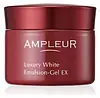
This brightening emulsion is formulated around Squalane and Ascorbyl Tetraisopalmitate to fade the look of dark spots and brighten dull-looking skin.
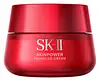
This anti-aging moisturizer is formulated around Galactomyces Ferment Filtrate and Niacinamide to soften the look of wrinkles and refine skin texture.

What's inside
What's inside
 Key Ingredients
Benefits
Concerns
Ingredients Side-by-side
Water
Skin ConditioningButylene Glycol
Humectant

Triethylhexanoin
MaskingGlycerin
Humectant
Pentylene Glycol
Skin Conditioning
Isononyl Isononanoate
EmollientSqualane
Emollient
Dimethicone
Emollient
Behenyl Alcohol
Emollient
Butyrospermum Parkii Butter
Skin Conditioning




Phytosteryl Macadamiate
Skin Conditioning
Polyglyceryl-10 Pentastearate
Skin Conditioning
Glyceryl Stearate
Emollient
Carbomer
Emulsion StabilisingSodium Stearoyl Lactylate
EmulsifyingAscorbyl Tetraisopalmitate
Antioxidant


Tocopherol
Antioxidant


Acrylates/C10-30 Alkyl Acrylate Crosspolymer
Emulsion StabilisingArbutin
Antioxidant
Acrylates Copolymer
Cerebrosides
EmollientPyridoxine Hcl
Skin ConditioningOctyldodecyl Myristate
EmollientGlucosylrutin
Antioxidant
Stearyl Glycyrrhetinate
Skin ConditioningHydrolyzed Collagen
Emollient
Malus Domestica Fruit Cell Culture Extract
Skin ConditioningRosa Canina Fruit Oil
Emollient
Phellodendron Amurense Bark Extract
Skin ConditioningRetinyl Palmitate
Skin Conditioning
Ubiquinone
Antioxidant
Zea Mays Oil
Emulsifying
Vp/Polycarbamyl Polyglycol Ester
Hydrolyzed Sesame Protein Pg-Propyl Methylsilanediol
Skin ConditioningSodium Hyaluronate
Humectant
Xanthan Gum
EmulsifyingPlacental Extract
Myrciaria Dubia Fruit Extract
Skin ConditioningDioscorea Alata Root Extract
Flower Extract
Fragaria Ananassa Fruit Extract
Skin Conditioning
Punica Granatum Fruit Extract
Antioxidant
Biosaccharide Gum-4
Skin Conditioning
Solanum Lycopersicum Fruit Extract
Antioxidant
Malpighia Punicifolia Fruit Extract
Antioxidant
Thioctic Acid
Antioxidant
Hair Extract
Lecithin
Emollient
Hydrogenated Lecithin
Emulsifying
Potassium Hydroxide
BufferingPhenoxyethanol
Preservative
Water, Butylene Glycol, Triethylhexanoin, Glycerin, Pentylene Glycol, Isononyl Isononanoate, Squalane, Dimethicone, Behenyl Alcohol, Butyrospermum Parkii Butter, Phytosteryl Macadamiate, Polyglyceryl-10 Pentastearate, Glyceryl Stearate, Carbomer, Sodium Stearoyl Lactylate, Ascorbyl Tetraisopalmitate, Tocopherol, Acrylates/C10-30 Alkyl Acrylate Crosspolymer, Arbutin, Acrylates Copolymer, Cerebrosides, Pyridoxine Hcl, Octyldodecyl Myristate, Glucosylrutin, Stearyl Glycyrrhetinate, Hydrolyzed Collagen, Malus Domestica Fruit Cell Culture Extract, Rosa Canina Fruit Oil, Phellodendron Amurense Bark Extract, Retinyl Palmitate, Ubiquinone, Zea Mays Oil, Vp/Polycarbamyl Polyglycol Ester, Hydrolyzed Sesame Protein Pg-Propyl Methylsilanediol, Sodium Hyaluronate, Xanthan Gum, Placental Extract, Myrciaria Dubia Fruit Extract, Dioscorea Alata Root Extract, Flower Extract, Fragaria Ananassa Fruit Extract, Punica Granatum Fruit Extract, Biosaccharide Gum-4, Solanum Lycopersicum Fruit Extract, Malpighia Punicifolia Fruit Extract, Thioctic Acid, Hair Extract, Lecithin, Hydrogenated Lecithin, Potassium Hydroxide, Phenoxyethanol
Water
Skin ConditioningGlycerin
Humectant
Galactomyces Ferment Filtrate
Humectant
Isohexadecane
EmollientNiacinamide
Smoothing




Isopropyl Isostearate
Emollient
Butylene Glycol
Humectant
Butyrospermum Parkii Butter
Skin Conditioning
Caprylic/Capric Triglyceride
Masking
Pentylene Glycol
Skin Conditioning
Dimethicone
Emollient
Phytosteryl/Behenyl/Octyldodecyl Lauroyl Glutamate
Skin ConditioningVinyl Dimethicone/Methicone Silsesquioxane Crosspolymer
Stearyl Alcohol
Emollient
Cetyl Alcohol
Emollient
Sodium Acrylate/Sodium Acryloyldimethyl Taurate Copolymer
Emulsion StabilisingBehenyl Alcohol
Emollient
Panthenol
Skin Conditioning
Tocopheryl Acetate
Antioxidant
Benzyl Alcohol
Perfuming



Dimethiconol
Emollient
PEG-100 Stearate
Surfactant
Cetearyl Alcohol
Emollient
Cetearyl Glucoside
Emulsifying
Polysorbate 80
Emulsifying
Polymethylsilsesquioxane
Methylparaben
Preservative

Disodium EDTA
ChelatingParfum
Masking
Paeonia Albiflora Root Extract
Skin ConditioningPalmitic Acid
Emollient
Stearic Acid
Cleansing
Propylparaben
Preservative
Ethylparaben
Preservative
Sorbitan Oleate
Emulsifying
PEG-7 Glyceryl Cocoate
Emulsifying
Sodium Hydroxide
BufferingHouttuynia Cordata Extract
Skin Conditioning
Palmitoyl Pentapeptide-4
Skin Conditioning
Methylsilanol Tri-PEG-8 Glyceryl Cocoate
Emulsifying
Zantedeschia Aethiopica Flower/Stem Extract
MaskingPolyquaternium-7
Methicone
Emollient
CI 77891
Cosmetic ColorantCI 77492
Cosmetic ColorantWater, Glycerin, Galactomyces Ferment Filtrate, Isohexadecane, Niacinamide, Isopropyl Isostearate, Butylene Glycol, Butyrospermum Parkii Butter, Caprylic/Capric Triglyceride, Pentylene Glycol, Dimethicone, Phytosteryl/Behenyl/Octyldodecyl Lauroyl Glutamate, Vinyl Dimethicone/Methicone Silsesquioxane Crosspolymer, Stearyl Alcohol, Cetyl Alcohol, Sodium Acrylate/Sodium Acryloyldimethyl Taurate Copolymer, Behenyl Alcohol, Panthenol, Tocopheryl Acetate, Benzyl Alcohol, Dimethiconol, PEG-100 Stearate, Cetearyl Alcohol, Cetearyl Glucoside, Polysorbate 80, Polymethylsilsesquioxane, Methylparaben, Disodium EDTA, Parfum, Paeonia Albiflora Root Extract, Palmitic Acid, Stearic Acid, Propylparaben, Ethylparaben, Sorbitan Oleate, PEG-7 Glyceryl Cocoate, Sodium Hydroxide, Houttuynia Cordata Extract, Palmitoyl Pentapeptide-4, Methylsilanol Tri-PEG-8 Glyceryl Cocoate, Zantedeschia Aethiopica Flower/Stem Extract, Polyquaternium-7, Methicone, CI 77891, CI 77492
Reviews
Ingredients Explained
These ingredients are found in both products.
Ingredients higher up in an ingredient list are typically present in a larger amount.
Behenyl Alcohol is a type of fatty alcohol (these are different from the drying, solvent alcohols).
Fatty Alcohols have hydrating properties and are most often used as an emollient or to thicken a product. They are usually derived from natural fats and oils; behenyl alcohol is derived from the fats of vegetable oils.
Emollients help keep your skin soft and hydrated by creating a film that traps moisture in.
In 2000, Behenyl Alcohol was approved by the US as medicine to reduce the duration of cold sores.
Learn more about Behenyl AlcoholButylene Glycol (or BG) is used within cosmetic products for a few different reasons:
Overall, Butylene Glycol is a safe and well-rounded ingredient that works well with other ingredients.
Though this ingredient works well with most skin types, some people with sensitive skin may experience a reaction such as allergic rashes, closed comedones, or itchiness.
Learn more about Butylene GlycolThis ingredient is also known as shea butter. It is a plant-derived extract from the nuts of the Africa shea tree and one of the most well-studied emollients.
Because it has a high concentration of fatty acids (primarily oleic, stearic, and linoleic) it is able to form a protective barrier on the skin's surface. This helps seal in moisture and prevents transepidermal water loss (TEWL).
In vitro research found an increase in skin hydration by 58% and a decrease in TEWL by 37.8% after 24 hours of applying this ingredient (pretty impressive for a single ingredient!).
Besides hydration, shea butter also contains triterpenes that have anti-inflammatory potential. In particule, lupeol cinnamate has shown the highest anti-inflammatory activity in vivo.
Shea butter also contains vitamins A and E which may contribute to antioxidant activity.
While Shea Butter has an SPF rating of about 3-4, it is not a sunscreen replacement.
This ingredient may not be fungal acne safe because its fatty acids fall within the C11-C24 range that the Malassezia yeast can metabolize.
This ingredient shows up on a lot of "pore-clogging" lists but there's no real evidence behind that. It doesn't even have a comedogenic rating from an actual study; the numbers you'll find online come from blogs citing other blogs.
Ratings for other ingredients mostly come from a 1980s rabbit ear test. This test doesn't translate well to human skin or to real products because the ingredient sits at a much lower percentage.
Some people still find it breaks them out. So if that's you, definitely trust your skin. Just know this one's based on experience and not evidence.
Learn more about Butyrospermum Parkii ButterDimethicone is a type of synthetic silicone created from natural materials such as quartz. It is also known as polydimethylsiloxane.
What it does:
Dimethicone comes in different viscosities:
Depending on the viscosity, dimethicone has different properties.
Ingredients lists don't always show which type is used, so we recommend reaching out to the brand if you have questions about the viscosity.
This ingredient is unlikely to cause irritation because it does not get absorbed into skin. However, people with silicone allergies should be careful about using this ingredient.
Note: Dimethicone may contribute to pilling. This is because it is not oil or water soluble, so pilling may occur when layered with products. When mixed with heavy oils in a formula, the outcome is also quite greasy.
Learn more about DimethiconeGlycerin (or glycerol) is a compound naturally found in your skin. It's a powerhouse humectant that pulls water into the stratum corneum.
Topically, glycerin does several things at once:
Your skin makes glycerin on its own (mostly from sebaceous oil breakdown) and shuttles it to your outermost layer of skin, or your epidermis, via aquaporin-3.
Aquaporin-3 is a transporter that is essential for normal skin hydration, elasticity, and repair. Interestingly, mice lacking in AQP3 have dry and less elastic skin that can be fully corrected with glycerin.
This ingredient is non-irritating, plays well with almost every ingredient, and works across all skin types. Typical use is anywhere between 3-10% but can go up to 79% in some leave-on products.
Just know very high concentrations (>40%) can feel tacky in low humidity.
Glycerin is the name for this ingredient in American English. British English uses Glycerol/Glycerine.
Learn more about GlycerinPentylene Glycol (1,2-pentanediol) is a multitasking little diol with three main roles in a formula:
Research on alkanediols (the family pentylene glycol belongs to) show they work by disrupting microbial cell membranes. This disruption helps the primary preservative system in a product work more effectively at lower doses.
On the safety side, the Cosmetic Ingredient Review Expert Panel has concluded this ingredient to be safe as used in current cosmetic practices + concentrations.
Typical use levels in a formula run about 1-5%.
Learn more about Pentylene GlycolWater. It's the most common cosmetic ingredient of all. You'll usually see it at the top of ingredient lists, meaning that it makes up the largest part of the product.
So why is it so popular? Water most often acts as a solvent - this means that it helps dissolve other ingredients into the formulation.
You'll also recognize water as that liquid we all need to stay alive. If you see this, drink a glass of water. Remember to stay hydrated!
Learn more about Water

