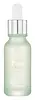
This pore-care serum is formulated around Camellia Sinensis Leaf Extract to refine the look of pores.
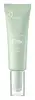
This calming moisturizer is formulated around Niacinamide to calm redness and refine skin texture.

What's inside
What's inside
 Key Ingredients
Benefits
Concerns
No concerns
Ingredients Side-by-side
Pinus Densiflora Leaf Extract
Antimicrobial
Water
Skin ConditioningGlycerin
Humectant


Butylene Glycol
Humectant
Dipropylene Glycol
HumectantTrehalose
Humectant
Betaine
Humectant
Glycosyl Trehalose
Emulsion StabilisingSodium Hyaluronate
Humectant

1,2-Hexanediol
Skin Conditioning
Hydrogenated Starch Hydrolysate
HumectantCamellia Sinensis Leaf Extract
Antimicrobial


Laminaria Japonica Extract
Skin Protecting
Prunus Mume Fruit Extract
Humectant
Brassica Oleracea Italica Extract
AstringentApium Graveolens Extract
Skin ConditioningSpinacia Oleracea Leaf Extract
Skin ConditioningPersea Gratissima Fruit Extract
EmollientCucumis Sativus Fruit Extract
Emollient
Mentha Arvensis Extract
MaskingCaprylyl Glycol
Emollient
Polyglyceryl-4 Caprate
EmulsifyingHydrolyzed Sponge Extract
Skin ConditioningAcrylates/C10-30 Alkyl Acrylate Crosspolymer
Emulsion StabilisingTromethamine
BufferingTremella Fuciformis Extract
Humectant
Aspalathus Linearis Extract
Skin ConditioningGlycyrrhiza Glabra Root Extract
Bleaching
Acacia Senegal Gum
MaskingYucca Schidigera Root Extract
Skin ConditioningCommiphora Myrrha Resin Extract
Skin ConditioningPerilla Frutescens Leaf Extract
MaskingArtemisia Vulgaris Extract
Skin Conditioning
Artemisia Capillaris Extract
Vaccinium Myrtillus Fruit Extract
Skin ConditioningRhizobian Gum
Gardenia Florida Fruit Extract
Skin ConditioningEthylhexylglycerin
Skin ConditioningDisodium EDTA
ChelatingPentylene Glycol
Skin Conditioning
Pinus Densiflora Leaf Extract, Water, Glycerin, Butylene Glycol, Dipropylene Glycol, Trehalose, Betaine, Glycosyl Trehalose, Sodium Hyaluronate, 1,2-Hexanediol, Hydrogenated Starch Hydrolysate, Camellia Sinensis Leaf Extract, Laminaria Japonica Extract, Prunus Mume Fruit Extract, Brassica Oleracea Italica Extract, Apium Graveolens Extract, Spinacia Oleracea Leaf Extract, Persea Gratissima Fruit Extract, Cucumis Sativus Fruit Extract, Mentha Arvensis Extract, Caprylyl Glycol, Polyglyceryl-4 Caprate, Hydrolyzed Sponge Extract, Acrylates/C10-30 Alkyl Acrylate Crosspolymer, Tromethamine, Tremella Fuciformis Extract, Aspalathus Linearis Extract, Glycyrrhiza Glabra Root Extract, Acacia Senegal Gum, Yucca Schidigera Root Extract, Commiphora Myrrha Resin Extract, Perilla Frutescens Leaf Extract, Artemisia Vulgaris Extract, Artemisia Capillaris Extract, Vaccinium Myrtillus Fruit Extract, Rhizobian Gum, Gardenia Florida Fruit Extract, Ethylhexylglycerin, Disodium EDTA, Pentylene Glycol
Pinus Densiflora Leaf Extract 56%
Antimicrobial
Water
Skin ConditioningGlycerin
Humectant
Dipropylene Glycol
HumectantButyrospermum Parkii Butter
Skin Conditioning




Cetyl Ethylhexanoate
EmollientButylene Glycol
Humectant
Niacinamide
Smoothing


Caprylic/Capric Triglyceride
Masking
Macadamia Integrifolia Seed Oil
Skin Conditioning
Simmondsia Chinensis Seed Oil
Emollient
Cetearyl Alcohol
Emollient
Cetearyl Olivate
Betaine
Humectant
Sorbitan Olivate
Emulsifying
Beeswax
Emulsion Stabilising
1,2-Hexanediol
Skin Conditioning
Caprylyl Glycol
Emollient
Hydrolyzed Sponge
Skin ConditioningTremella Fuciformis Extract
Humectant
Allantoin
Skin Conditioning
Ammonium Acryloyldimethyltaurate/Vp Copolymer
Viola Tricolor Extract
EmollientCentaurea Cyanus Flower Extract
Astringent
Hyacinthus Orientalis Extract
Skin ConditioningRhizobian Gum
Ethylhexylglycerin
Skin ConditioningAdenosine
Skin Conditioning
Dipotassium Glycyrrhizate
Humectant
Panax Ginseng Extract
Antioxidant
Sophora Angustifolia Root Extract
Skin ConditioningCurcuma Longa Root Extract
Antioxidant
Camellia Sinensis Leaf Extract
Antimicrobial
Laminaria Japonica Extract
Skin Protecting
Prunus Mume Fruit Extract
Humectant
Brassica Oleracea Italica Extract
AstringentApium Graveolens Extract
Skin ConditioningSpinacia Oleracea Leaf Extract
Skin ConditioningPersea Gratissima Fruit Extract
EmollientCucumis Sativus Fruit Extract
Emollient
Mentha Arvensis Leaf Extract
MaskingXanthan Gum
EmulsifyingPentylene Glycol
Skin Conditioning
Artemisia Vulgaris Extract
Skin Conditioning
Artemisia Capillaris Leaf Extract
Skin ConditioningAspalathus Linearis Extract
Skin ConditioningGlycyrrhiza Glabra Root Extract
Bleaching
Acacia Senegal Gum
MaskingYucca Schidigera Root Extract
Skin ConditioningCommiphora Abyssinica Resin Extract
Skin ConditioningPerilla Frutescens Leaf Extract
MaskingPinus Densiflora Leaf Extract 56%, Water, Glycerin, Dipropylene Glycol, Butyrospermum Parkii Butter, Cetyl Ethylhexanoate, Butylene Glycol, Niacinamide, Caprylic/Capric Triglyceride, Macadamia Integrifolia Seed Oil, Simmondsia Chinensis Seed Oil, Cetearyl Alcohol, Cetearyl Olivate, Betaine, Sorbitan Olivate, Beeswax, 1,2-Hexanediol, Caprylyl Glycol, Hydrolyzed Sponge, Tremella Fuciformis Extract, Allantoin, Ammonium Acryloyldimethyltaurate/Vp Copolymer, Viola Tricolor Extract, Centaurea Cyanus Flower Extract, Hyacinthus Orientalis Extract, Rhizobian Gum, Ethylhexylglycerin, Adenosine, Dipotassium Glycyrrhizate, Panax Ginseng Extract, Sophora Angustifolia Root Extract, Curcuma Longa Root Extract, Camellia Sinensis Leaf Extract, Laminaria Japonica Extract, Prunus Mume Fruit Extract, Brassica Oleracea Italica Extract, Apium Graveolens Extract, Spinacia Oleracea Leaf Extract, Persea Gratissima Fruit Extract, Cucumis Sativus Fruit Extract, Mentha Arvensis Leaf Extract, Xanthan Gum, Pentylene Glycol, Artemisia Vulgaris Extract, Artemisia Capillaris Leaf Extract, Aspalathus Linearis Extract, Glycyrrhiza Glabra Root Extract, Acacia Senegal Gum, Yucca Schidigera Root Extract, Commiphora Abyssinica Resin Extract, Perilla Frutescens Leaf Extract
Ingredients Explained
These ingredients are found in both products.
Ingredients higher up in an ingredient list are typically present in a larger amount.
1,2-Hexanediol is a synthetic liquid and another multi-functional powerhouse.
It is a:
- Humectant, drawing moisture into the skin
- Emollient, helping to soften skin
- Solvent, dispersing and stabilizing formulas
- Preservative booster, enhancing the antimicrobial activity of other preservatives
Acacia Senegal Gum has skin soothing, thickening, and formulation stabilizing properties. It comes from the Acacia tree that is native to sub-Saharan Africa.
Apium Graveolens Extract is derived from celery. It contains antioxidants such as Ferulic Acid and Caffeic Acid.
Antioxidants help fight free-radicals. Free-radicals are molecules that may damage your skin cells
Artemisia Vulgaris Extract is more commonly known as the common mugwort. It has strong antioxidant properties and helps soothe irritation.
Antioxidants protect skin from damage and the signs of aging.
This plant contains the compounds saponins, glycosides, flavanoids, protein, triterpenoids.
The common wugwort has been used in traditional Indian, Chinese, and European medicines to treat gastrointestinal diseases.
Learn more about Artemisia Vulgaris ExtractThis ingredient is also known as Rooibos. It is a caffeine-free plant rich in antioxidants such as vitamin C and polyphenols.
Betaine is a humectant. Like hyaluronic acid, it helps attract and retain moisture in the skin. It’s known for being gentle and for helping the skin maintain balanced hydration.
Betaine is mainly used to improve hydration and support calmer skin. It helps skin cells regulate water balance because it functions as an osmolyte.
Some studies suggest betaine may support making skin tone more even.
Fun fact: Betaine naturally exists in the skin and the body. In cosmetic products, it can be either plant-derived (most commonly from sugar beets) or synthetically produced for consistency and stability.
Betaine is also known as trimethylglycine.
Learn more about BetaineYou might know Brassica Oleracea Italica as Broccoli. Broccoli is rich in antioxidants.
Broccoli extract is rich in antioxidants. Antioxidants help fight free-radical molecules. These unstable molecules may damage your skin cells. By helping to stabilize them, antioxidants may help with anti-aging. Beta-carotene, vitamin A, and vitamin C are three types of antioxidants found in broccoli.
Broccoli is also rich in fatty acids such as oleic and linoleic acids.
Brassica Oleracea Italica Extract can be extracted from any part of the broccoli plant.
Learn more about Brassica Oleracea Italica ExtractButylene Glycol (or BG) is used within cosmetic products for a few different reasons:
Overall, Butylene Glycol is a safe and well-rounded ingredient that works well with other ingredients.
Though this ingredient works well with most skin types, some people with sensitive skin may experience a reaction such as allergic rashes, closed comedones, or itchiness.
Learn more about Butylene GlycolCamellia Sinensis Leaf Extract (tea extract) is one of the most well-researched plant extracts in skincare with an impressive resume.
Black tea, green tea, and oolong tea are all harvested from the Camellia Sinensis plant.
Studies show green tea extract and its catechins (like epigallocatechin gallate (EGCG)) help your skin cells product energy more efficiently and reducing the number of free-radicals that can damage your skin from the inside.
In lab-grown skin models, this translated to younger, healthier, and stronger skin.
There's also good sun protection data; researchers saw less DNA damage and redness on human skin when green tea was applied before UVB exposure. And the more they applied, the better the protection.
Needless to say, this ingredient shouldn't replace your sunscreen. But it is a great supportive ingredient that you can already find in many sunscreens and antioxidant serums.
A 2009 study found a 2% green tea lotion was effective for mild-to-moderate acne thanks to its anti-inflammatory and mild antimicrobial activity.
The quality of the extract matters a lot here:
Good extracts contain 50-90% catechins while lower quality ones are mostly there for marketing. We recommend reaching out to the brand if you have questions about the quality or source of their ingredients.
Human Repeated Insult Patch Testing showed no irritation or sensitization at use concentrations (0.86% in leave-on products and up to 30% as leaf water).
Learn more about Camellia Sinensis Leaf ExtractCaprylyl Glycol is a humectant, skin conditioner, emollient, and preservative booster derived from either caprylic acid or synthetically created.
Typical use levels vary from 0.3-1% as a preservative booster and go up to 2% to condition skin.
Because it is not a free-fatty acid, this ingredient is fungal acne safe (there's nothing for Malassezia to feed on).
Learn more about Caprylyl GlycolThis extract comes from cucumber. Cucumbers are mostly made up of water (95%), and the other 5% is composed of: vitamin C, caffeic acid, fatty acids, amino acids, and other minerals.
Cucumbers have anti-inflammatory, barrier repair, and hydrating properties.
They contain shikimate dehydrigenase, an enzyme shown to help reduce inflammation and soothe the skin.
The amino acids found in cucumbers help nourish our skin's natural acid mantle (it's an important part of our skin barrier). This slightly acidic film acts as a barrier to protect us from bacteria, viruses, and other contaminants.
Unless you have an allergy to cucumbers, this is generally a non-irritating ingredient.
Fun fact: Cucumis Sativus is native to South Asia and can now be found on every continent.
Learn more about Cucumis Sativus Fruit ExtractDipropylene Glycol is a synthetically created humectant, stabilizer, and solvent.
This ingredient helps:
Dipropylene glycol is technically an alcohol, but it belongs to the glycol family (often considered part of the ‘good’ alcohols). This means it is hydrating and gentle on skin unlike drying solvent alcohols like denatured alcohol.
As a masking agent, Dipropylene Glycol can be used to cover the smell of other ingredients. However, it does not have a scent.
Studies show Dipropylene Glycol is considered safe to use in skincare.
Learn more about Dipropylene GlycolEthylhexylglycerin is created from glycerin. It is a multitasker ingredient that:
The CIR Expert Panel found minimal skin absorption or sensitization of any kind in a safety assessment. Though this ingredient is considered well-tolerated, a small number of cases of allergic dermatitis have been published since 2002. Just be sure to patch test if you are unsure.
Industry-reported use ranges from 8% in rinse-off products and 2% in leave-on formulations.
Learn more about EthylhexylglycerinGlycerin (or glycerol) is a compound naturally found in your skin. It's a powerhouse humectant that pulls water into the stratum corneum.
Topically, glycerin does several things at once:
Your skin makes glycerin on its own (mostly from sebaceous oil breakdown) and shuttles it to your outermost layer of skin, or your epidermis, via aquaporin-3.
Aquaporin-3 is a transporter that is essential for normal skin hydration, elasticity, and repair. Interestingly, mice lacking in AQP3 have dry and less elastic skin that can be fully corrected with glycerin.
This ingredient is non-irritating, plays well with almost every ingredient, and works across all skin types. Typical use is anywhere between 3-10% but can go up to 79% in some leave-on products.
Just know very high concentrations (>40%) can feel tacky in low humidity.
Glycerin is the name for this ingredient in American English. British English uses Glycerol/Glycerine.
Learn more about GlycerinGlycyrrhiza Glabra Root Extract is an extract of the roots of Licorice. It has been found to have several benefits such as skin hydrating, conditioning, and soothing.
One component, glabridin, has extra potent antioxidant and soothing properties. It has also been found to block pigmentation from UVB rays in guinea pigs.
Licorice Root also contains a flavonoid. Flavonoids are a natural substance from in plants. Flavonoids also have antioxidant properties.
Another component, glycyrrhizin, has been found to have anti-inflammatory and antimicrobial benefits. This may make licorice root extract effective at treating acne. However, more research is needed to support this.
Liquiritin is one of the flavone compounds found in licorice. It has been found to help lighten skin by preventing tyrosinase from reacting with tyrosine. When the two react, protein is converted to melanin. Melanin is the substance in your body that gives your features pigmentation.
Learn more about Glycyrrhiza Glabra Root ExtractLaminaria Japonica Extract is an extract of Japanese kelp, the same brown seaweed sold as kombu.
This ingredient is usually extracted from dried, ground kelp with water or a water/glycol mix. Most of what ends up in your bottle is mostly big sugar molecules, minerals, and amino acids rather than oils.
Those sugars help hold water and form a light film on the skin's surface, giving it humectant and mild-barrier supporting properties.
The best human data is a small Korean study where a cream with 10% extract upped skin hydration about 14% over placebo and cut water loss through the skin for up to eight hours.
Beyond this study, most of the anti-aging and anti-inflammatory claims come from mouse and cell studies; these studies found that topical kelp sugars preserved collagen in aging mice and the extract calmed UVB-triggered inflammation markers in cultured skin cells.
Though this sounds promising, it isn't the same as proof on human faces.
Industry data shows this ingredient is usually used anywhere from 0.0005% - 5%. Most leave-on products sit well under 1% and the 5% end mostly shows up in bath products.
Allergy-risk for this ingredient looks low as well. A cream with 10% extract patch-tested on 25 people caused no irritation and there have been no sensitization reports either.
There is one real allergy report on "laminaria" that involves medical cervical dilators made from whole dried kelp stems inserted internally; though this is a very different exposure from a few tenths of a percent in a serum.
Learn more about Laminaria Japonica ExtractPentylene Glycol (1,2-pentanediol) is a multitasking little diol with three main roles in a formula:
Research on alkanediols (the family pentylene glycol belongs to) show they work by disrupting microbial cell membranes. This disruption helps the primary preservative system in a product work more effectively at lower doses.
On the safety side, the Cosmetic Ingredient Review Expert Panel has concluded this ingredient to be safe as used in current cosmetic practices + concentrations.
Typical use levels in a formula run about 1-5%.
Learn more about Pentylene GlycolWe don't have a description for Perilla Frutescens Leaf Extract yet.
Persea Gratissima Fruit Extract comes from the avocado.
Avocados are rich in fatty acids. About 67% of these fatty acids is made up of oleic acid. Palmitic acid and linoleic acid are also present.
Besides fatty acids, avocados also have B vitamins, vitamin K, vitamin C, vitamin E, and potassium.
Learn more about Persea Gratissima Fruit ExtractThis ingredient comes from the needles of the pine tree native to Korea and Japan. It's rich in antioxidant compounds like protocatechuic acid and shikimic acid.
Research on human skin fibroblast cells found that the extract inhibited UVB-induced cytotoxicity and suppressed the enzymes that break down collagen and reduce skin elasticity. This extract also inhibited elastase activity which is relevant for maintaining skin firmness over time.
Studies also show that it has antifungal activity against Malassezia furfur. This is the yeast that causes conditions like dandruff, seborrheic dermatitis, and folliculitis (fungal acne). It also displays anti-inflammatory activity.
On top of all this, all tested fractions of the extract demonstrated significant tyrosinase inhibitory activity comparable to ascorbic acid. This suggests it can play a potential role in fading hyperpigmentation.
Learn more about Pinus Densiflora Leaf ExtractPrunus Mume extract comes from the Asian plum. This plum is AKA 'plum blossom'. Plum blossom has hydrating and antibacterial properties.
Plum Blossoms are rich in nutrients, including Vitamin A, Vitamin B, and Vitamin C.
A study from 2021 found this ingredient to inhibit melanin production. An animal study found plum blossom to help increase collagen production.
Learn more about Prunus Mume Fruit ExtractWe don't have a description for Rhizobian Gum yet.
Tremella Fuciformis Extract comes from the tremella fuciformis mushroom, also known as snow mushroom or white jelly mushroom.
The snow mushroom has moisturizing and antioxidant properties.
Snow mushroom is rich in polysaccharides, giving it moisturizing benefits. As a humectant, snow mushroom helps draw moisture from the air to the skin. Polysaccharides are able to mimic our skin's natural carbohydrates to help the skin retain water.
Snow mushroom has been shown to help with anti-aging due to its antioxidants. It increases the presence of superoxide dismutase in our brain and liver. Superoxide is a by-product of oxygen metabolism. It left unregulated, superoxide causes cell damage. Thus, superoxide dismutase acts as an antioxidant to protect our living cells.
Another study from 2016 showed snow mushroom extract blocks the skin from creating melanin when exposed to UVB. Thus, it may help protect against the signs of aging from sun exposure. However, more studies are needed to confirm this. Another study from 2021 found snow mushroom to protect against UVA damage as well.
This white mushroom is native to Asian countries such as China, Korea, Japan, and Thailand. It is a common ingredient in traditional Chinese cuisine and medicine.
Learn more about Tremella Fuciformis ExtractWater. It's the most common cosmetic ingredient of all. You'll usually see it at the top of ingredient lists, meaning that it makes up the largest part of the product.
So why is it so popular? Water most often acts as a solvent - this means that it helps dissolve other ingredients into the formulation.
You'll also recognize water as that liquid we all need to stay alive. If you see this, drink a glass of water. Remember to stay hydrated!
Learn more about WaterWe don't have a description for Yucca Schidigera Root Extract yet.


