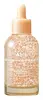
This brightening serum is formulated around Niacinamide and Glutathione to fade the look of dark spots and brighten dull-looking skin.
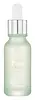
This pore-care serum is formulated around Camellia Sinensis Leaf Extract to refine the look of pores.

What's inside
What's inside
 Key Ingredients
Benefits
Concerns
No concerns
Ingredients Side-by-side
Water
Skin ConditioningButylene Glycol
Humectant

Niacinamide
Smoothing










1,2-Hexanediol
Skin Conditioning
Zea Mays Starch
Absorbent
Chondrus Crispus Extract
Skin Conditioning

Chlorella Vulgaris Extract
Skin ConditioningSaccharum Officinarum Extract
MoisturisingCentella Asiatica Leaf Extract
Skin Conditioning
Chitosan
Malus Domestica Fruit Cell Culture Extract
Skin ConditioningPolyacrylate Crosspolymer-6
Emulsion StabilisingBetaine
Humectant
Glucose
Humectant
Acrylates/C10-30 Alkyl Acrylate Crosspolymer
Emulsion StabilisingTromethamine
BufferingAcetyl Glucosamine
Skin Conditioning
Fructooligosaccharides
Humectant
Fructose
Humectant
Glycerin
Humectant
Pentylene Glycol
Skin Conditioning
Ethylhexylglycerin
Skin ConditioningAllantoin
Skin Conditioning
Dipropylene Glycol
HumectantAdenosine
Skin Conditioning
Glutathione
Madecassoside
Antioxidant
Hydroxypropyl Methylcellulose
Emulsion StabilisingHydrogenated Lecithin
Emulsifying
Beta-Glucan
Skin Conditioning
Cholesterol
Emollient
Asiaticoside
Antioxidant
Ascorbic Acid
Antioxidant
3-O-Ethyl Ascorbic Acid
Skin Conditioning
Ascorbyl Glucoside
Antioxidant
Ceramide NP
Skin Conditioning
Tocopherol
Antioxidant
Ferulic Acid
Antimicrobial
Lactic Acid
Buffering


Disodium EDTA
ChelatingCarbomer
Emulsion StabilisingCI 77491
Cosmetic ColorantWater, Butylene Glycol, Niacinamide, 1,2-Hexanediol, Zea Mays Starch, Chondrus Crispus Extract, Chlorella Vulgaris Extract, Saccharum Officinarum Extract, Centella Asiatica Leaf Extract, Chitosan, Malus Domestica Fruit Cell Culture Extract, Polyacrylate Crosspolymer-6, Betaine, Glucose, Acrylates/C10-30 Alkyl Acrylate Crosspolymer, Tromethamine, Acetyl Glucosamine, Fructooligosaccharides, Fructose, Glycerin, Pentylene Glycol, Ethylhexylglycerin, Allantoin, Dipropylene Glycol, Adenosine, Glutathione, Madecassoside, Hydroxypropyl Methylcellulose, Hydrogenated Lecithin, Beta-Glucan, Cholesterol, Asiaticoside, Ascorbic Acid, 3-O-Ethyl Ascorbic Acid, Ascorbyl Glucoside, Ceramide NP, Tocopherol, Ferulic Acid, Lactic Acid, Disodium EDTA, Carbomer, CI 77491
Pinus Densiflora Leaf Extract
Antimicrobial
Water
Skin ConditioningGlycerin
Humectant
Butylene Glycol
Humectant
Dipropylene Glycol
HumectantTrehalose
Humectant
Betaine
Humectant
Glycosyl Trehalose
Emulsion StabilisingSodium Hyaluronate
Humectant
1,2-Hexanediol
Skin Conditioning
Hydrogenated Starch Hydrolysate
HumectantCamellia Sinensis Leaf Extract
Antimicrobial
Laminaria Japonica Extract
Skin Protecting
Prunus Mume Fruit Extract
Humectant
Brassica Oleracea Italica Extract
AstringentApium Graveolens Extract
Skin ConditioningSpinacia Oleracea Leaf Extract
Skin ConditioningPersea Gratissima Fruit Extract
EmollientCucumis Sativus Fruit Extract
Emollient
Mentha Arvensis Extract
MaskingCaprylyl Glycol
Emollient
Polyglyceryl-4 Caprate
EmulsifyingHydrolyzed Sponge Extract
Skin ConditioningAcrylates/C10-30 Alkyl Acrylate Crosspolymer
Emulsion StabilisingTromethamine
BufferingTremella Fuciformis Extract
Humectant
Aspalathus Linearis Extract
Skin ConditioningGlycyrrhiza Glabra Root Extract
Bleaching
Acacia Senegal Gum
MaskingYucca Schidigera Root Extract
Skin ConditioningCommiphora Myrrha Resin Extract
Skin ConditioningPerilla Frutescens Leaf Extract
MaskingArtemisia Vulgaris Extract
Skin Conditioning
Artemisia Capillaris Extract
Vaccinium Myrtillus Fruit Extract
Skin ConditioningRhizobian Gum
Gardenia Florida Fruit Extract
Skin ConditioningEthylhexylglycerin
Skin ConditioningDisodium EDTA
ChelatingPentylene Glycol
Skin Conditioning
Pinus Densiflora Leaf Extract, Water, Glycerin, Butylene Glycol, Dipropylene Glycol, Trehalose, Betaine, Glycosyl Trehalose, Sodium Hyaluronate, 1,2-Hexanediol, Hydrogenated Starch Hydrolysate, Camellia Sinensis Leaf Extract, Laminaria Japonica Extract, Prunus Mume Fruit Extract, Brassica Oleracea Italica Extract, Apium Graveolens Extract, Spinacia Oleracea Leaf Extract, Persea Gratissima Fruit Extract, Cucumis Sativus Fruit Extract, Mentha Arvensis Extract, Caprylyl Glycol, Polyglyceryl-4 Caprate, Hydrolyzed Sponge Extract, Acrylates/C10-30 Alkyl Acrylate Crosspolymer, Tromethamine, Tremella Fuciformis Extract, Aspalathus Linearis Extract, Glycyrrhiza Glabra Root Extract, Acacia Senegal Gum, Yucca Schidigera Root Extract, Commiphora Myrrha Resin Extract, Perilla Frutescens Leaf Extract, Artemisia Vulgaris Extract, Artemisia Capillaris Extract, Vaccinium Myrtillus Fruit Extract, Rhizobian Gum, Gardenia Florida Fruit Extract, Ethylhexylglycerin, Disodium EDTA, Pentylene Glycol
Reviews
Ingredients Explained
These ingredients are found in both products.
Ingredients higher up in an ingredient list are typically present in a larger amount.
1,2-Hexanediol is a synthetic liquid and another multi-functional powerhouse.
It is a:
- Humectant, drawing moisture into the skin
- Emollient, helping to soften skin
- Solvent, dispersing and stabilizing formulas
- Preservative booster, enhancing the antimicrobial activity of other preservatives
Acrylates/C10-30 Alkyl Acrylate Crosspolymer is a synthetic polymer. It is used to thicken, emulsify, and improve the texture of products.
As an emulsifier, it helps stabilize oil-in-water emulsions to give products an elegant feel when applied.
It can also form a thin protective film on skin. One study found that a formula using this polymer helped slow down how quickly other ingredients (like DEET) were absorbed through skin.
A 2024 study of over 1,300 patients confirmed that sensitization to this ingredient is rare. It is also non-mutagenic and has a clean track record.
Learn more about Acrylates/C10-30 Alkyl Acrylate CrosspolymerBetaine is a humectant. Like hyaluronic acid, it helps attract and retain moisture in the skin. It’s known for being gentle and for helping the skin maintain balanced hydration.
Betaine is mainly used to improve hydration and support calmer skin. It helps skin cells regulate water balance because it functions as an osmolyte.
Some studies suggest betaine may support making skin tone more even.
Fun fact: Betaine naturally exists in the skin and the body. In cosmetic products, it can be either plant-derived (most commonly from sugar beets) or synthetically produced for consistency and stability.
Betaine is also known as trimethylglycine.
Learn more about BetaineButylene Glycol (or BG) is used within cosmetic products for a few different reasons:
Overall, Butylene Glycol is a safe and well-rounded ingredient that works well with other ingredients.
Though this ingredient works well with most skin types, some people with sensitive skin may experience a reaction such as allergic rashes, closed comedones, or itchiness.
Learn more about Butylene GlycolDipropylene Glycol is a synthetically created humectant, stabilizer, and solvent.
This ingredient helps:
Dipropylene glycol is technically an alcohol, but it belongs to the glycol family (often considered part of the ‘good’ alcohols). This means it is hydrating and gentle on skin unlike drying solvent alcohols like denatured alcohol.
As a masking agent, Dipropylene Glycol can be used to cover the smell of other ingredients. However, it does not have a scent.
Studies show Dipropylene Glycol is considered safe to use in skincare.
Learn more about Dipropylene GlycolDisodium EDTA is a chelating agent. It grabs onto and deactivates metal ions that sneak into your products from water, packaging, or air.
This ingredient mainly works behind the scenes and helps with:
On top of that, this ingredient can counteract the effects of hard water by binding to the minerals in it.
One thing worth knowing is that Disodium EDTA has been shown to be a mild penetration enhancer. It can help other ingredients absorb into skin more effectively which can be a double-edged sword (great for actives, but can also make the active too strong if you have sensitive skin).
Clinical patch testing showed no significant skin irritation at typical use concentrations and minimal dermal absorption.
You'll most likely see this ingredient near the end of an ingredient list. It's typically found in concentrations less than 1%.
Learn more about Disodium EDTAEthylhexylglycerin is created from glycerin. It is a multitasker ingredient that:
The CIR Expert Panel found minimal skin absorption or sensitization of any kind in a safety assessment. Though this ingredient is considered well-tolerated, a small number of cases of allergic dermatitis have been published since 2002. Just be sure to patch test if you are unsure.
Industry-reported use ranges from 8% in rinse-off products and 2% in leave-on formulations.
Learn more about EthylhexylglycerinGlycerin (or glycerol) is a compound naturally found in your skin. It's a powerhouse humectant that pulls water into the stratum corneum.
Topically, glycerin does several things at once:
Your skin makes glycerin on its own (mostly from sebaceous oil breakdown) and shuttles it to your outermost layer of skin, or your epidermis, via aquaporin-3.
Aquaporin-3 is a transporter that is essential for normal skin hydration, elasticity, and repair. Interestingly, mice lacking in AQP3 have dry and less elastic skin that can be fully corrected with glycerin.
This ingredient is non-irritating, plays well with almost every ingredient, and works across all skin types. Typical use is anywhere between 3-10% but can go up to 79% in some leave-on products.
Just know very high concentrations (>40%) can feel tacky in low humidity.
Glycerin is the name for this ingredient in American English. British English uses Glycerol/Glycerine.
Learn more about GlycerinPentylene Glycol (1,2-pentanediol) is a multitasking little diol with three main roles in a formula:
Research on alkanediols (the family pentylene glycol belongs to) show they work by disrupting microbial cell membranes. This disruption helps the primary preservative system in a product work more effectively at lower doses.
On the safety side, the Cosmetic Ingredient Review Expert Panel has concluded this ingredient to be safe as used in current cosmetic practices + concentrations.
Typical use levels in a formula run about 1-5%.
Learn more about Pentylene GlycolTromethamine (aka THAM) is a synthetic amino acid that shows up in skincare as a helper ingredient.
It functions as a pH adjuster to help neutralize acidic ingredients and set a formula's pH to the right spot.
This matters a lot because a lot of actives (like vitamin C) needs a specific pH to work well and feel comfortable on skin.
Concentration use ranges from 0.1-1.0% depending on the formula.
Learn more about TromethamineWater. It's the most common cosmetic ingredient of all. You'll usually see it at the top of ingredient lists, meaning that it makes up the largest part of the product.
So why is it so popular? Water most often acts as a solvent - this means that it helps dissolve other ingredients into the formulation.
You'll also recognize water as that liquid we all need to stay alive. If you see this, drink a glass of water. Remember to stay hydrated!
Learn more about Water

