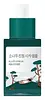
This calming ampoule is formulated around Centella Asiatica Extract and Madecassoside to calm redness and strengthen the skin barrier.
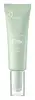
This calming moisturizer is formulated around Niacinamide to calm redness and refine skin texture.

What's inside
What's inside
 Key Ingredients
Benefits
Concerns
No concerns
Ingredients Side-by-side
Pinus Densiflora Leaf Extract
Antimicrobial
Butylene Glycol
Humectant

Dipropylene Glycol
HumectantGlycereth-26
Humectant
Glycerin
Humectant
1,2-Hexanediol
Skin Conditioning
Centella Asiatica Extract
Cleansing



Propanediol
Solvent
Hyaluronic Acid
Humectant
Hydrolyzed Hyaluronic Acid
Humectant
Sodium Hyaluronate
Humectant
Ethylhexylglycerin
Skin ConditioningWater
Skin ConditioningGlycoproteins
Skin Conditioning
Melia Azadirachta Leaf Extract
Skin ConditioningCoptis Japonica Root Extract
Skin ConditioningMelia Azadirachta Flower Extract
Skin ConditioningHydroxyacetophenone
Antioxidant
Asiaticoside
Antioxidant
Asiatic Acid
Skin Conditioning
Madecassoside
Antioxidant
Madecassic Acid
Skin Conditioning
Sodium Citrate
BufferingCapryloyl Salicylic Acid
Exfoliating




Disodium EDTA
ChelatingXanthan Gum
EmulsifyingCarbomer
Emulsion StabilisingTromethamine
BufferingCitric Acid
Buffering


Pinus Densiflora Leaf Extract, Butylene Glycol, Dipropylene Glycol, Glycereth-26, Glycerin, 1,2-Hexanediol, Centella Asiatica Extract, Propanediol, Hyaluronic Acid, Hydrolyzed Hyaluronic Acid, Sodium Hyaluronate, Ethylhexylglycerin, Water, Glycoproteins, Melia Azadirachta Leaf Extract, Coptis Japonica Root Extract, Melia Azadirachta Flower Extract, Hydroxyacetophenone, Asiaticoside, Asiatic Acid, Madecassoside, Madecassic Acid, Sodium Citrate, Capryloyl Salicylic Acid, Disodium EDTA, Xanthan Gum, Carbomer, Tromethamine, Citric Acid
Pinus Densiflora Leaf Extract 56%
Antimicrobial
Water
Skin ConditioningGlycerin
Humectant
Dipropylene Glycol
HumectantButyrospermum Parkii Butter
Skin Conditioning



Cetyl Ethylhexanoate
EmollientButylene Glycol
Humectant
Niacinamide
Smoothing
Caprylic/Capric Triglyceride
Masking
Macadamia Integrifolia Seed Oil
Skin Conditioning
Simmondsia Chinensis Seed Oil
Emollient
Cetearyl Alcohol
Emollient
Cetearyl Olivate
Betaine
Humectant
Sorbitan Olivate
Emulsifying
Beeswax
Emulsion Stabilising
1,2-Hexanediol
Skin Conditioning
Caprylyl Glycol
Emollient
Hydrolyzed Sponge
Skin ConditioningTremella Fuciformis Extract
Humectant
Allantoin
Skin Conditioning
Ammonium Acryloyldimethyltaurate/Vp Copolymer
Viola Tricolor Extract
EmollientCentaurea Cyanus Flower Extract
Astringent
Hyacinthus Orientalis Extract
Skin ConditioningRhizobian Gum
Ethylhexylglycerin
Skin ConditioningAdenosine
Skin Conditioning
Dipotassium Glycyrrhizate
Humectant
Panax Ginseng Extract
Antioxidant
Sophora Angustifolia Root Extract
Skin ConditioningCurcuma Longa Root Extract
Antioxidant
Camellia Sinensis Leaf Extract
Antimicrobial
Laminaria Japonica Extract
Skin Protecting
Prunus Mume Fruit Extract
Humectant
Brassica Oleracea Italica Extract
AstringentApium Graveolens Extract
Skin ConditioningSpinacia Oleracea Leaf Extract
Skin ConditioningPersea Gratissima Fruit Extract
EmollientCucumis Sativus Fruit Extract
Emollient
Mentha Arvensis Leaf Extract
MaskingXanthan Gum
EmulsifyingPentylene Glycol
Skin Conditioning
Artemisia Vulgaris Extract
Skin Conditioning
Artemisia Capillaris Leaf Extract
Skin ConditioningAspalathus Linearis Extract
Skin ConditioningGlycyrrhiza Glabra Root Extract
Bleaching
Acacia Senegal Gum
MaskingYucca Schidigera Root Extract
Skin ConditioningCommiphora Abyssinica Resin Extract
Skin ConditioningPerilla Frutescens Leaf Extract
MaskingPinus Densiflora Leaf Extract 56%, Water, Glycerin, Dipropylene Glycol, Butyrospermum Parkii Butter, Cetyl Ethylhexanoate, Butylene Glycol, Niacinamide, Caprylic/Capric Triglyceride, Macadamia Integrifolia Seed Oil, Simmondsia Chinensis Seed Oil, Cetearyl Alcohol, Cetearyl Olivate, Betaine, Sorbitan Olivate, Beeswax, 1,2-Hexanediol, Caprylyl Glycol, Hydrolyzed Sponge, Tremella Fuciformis Extract, Allantoin, Ammonium Acryloyldimethyltaurate/Vp Copolymer, Viola Tricolor Extract, Centaurea Cyanus Flower Extract, Hyacinthus Orientalis Extract, Rhizobian Gum, Ethylhexylglycerin, Adenosine, Dipotassium Glycyrrhizate, Panax Ginseng Extract, Sophora Angustifolia Root Extract, Curcuma Longa Root Extract, Camellia Sinensis Leaf Extract, Laminaria Japonica Extract, Prunus Mume Fruit Extract, Brassica Oleracea Italica Extract, Apium Graveolens Extract, Spinacia Oleracea Leaf Extract, Persea Gratissima Fruit Extract, Cucumis Sativus Fruit Extract, Mentha Arvensis Leaf Extract, Xanthan Gum, Pentylene Glycol, Artemisia Vulgaris Extract, Artemisia Capillaris Leaf Extract, Aspalathus Linearis Extract, Glycyrrhiza Glabra Root Extract, Acacia Senegal Gum, Yucca Schidigera Root Extract, Commiphora Abyssinica Resin Extract, Perilla Frutescens Leaf Extract
Reviews
Ingredients Explained
These ingredients are found in both products.
Ingredients higher up in an ingredient list are typically present in a larger amount.
1,2-Hexanediol is a synthetic liquid and another multi-functional powerhouse.
It is a:
- Humectant, drawing moisture into the skin
- Emollient, helping to soften skin
- Solvent, dispersing and stabilizing formulas
- Preservative booster, enhancing the antimicrobial activity of other preservatives
Butylene Glycol (or BG) is used within cosmetic products for a few different reasons:
Overall, Butylene Glycol is a safe and well-rounded ingredient that works well with other ingredients.
Though this ingredient works well with most skin types, some people with sensitive skin may experience a reaction such as allergic rashes, closed comedones, or itchiness.
Learn more about Butylene GlycolDipropylene Glycol is a synthetically created humectant, stabilizer, and solvent.
This ingredient helps:
Dipropylene glycol is technically an alcohol, but it belongs to the glycol family (often considered part of the ‘good’ alcohols). This means it is hydrating and gentle on skin unlike drying solvent alcohols like denatured alcohol.
As a masking agent, Dipropylene Glycol can be used to cover the smell of other ingredients. However, it does not have a scent.
Studies show Dipropylene Glycol is considered safe to use in skincare.
Learn more about Dipropylene GlycolEthylhexylglycerin is created from glycerin. It is a multitasker ingredient that:
The CIR Expert Panel found minimal skin absorption or sensitization of any kind in a safety assessment. Though this ingredient is considered well-tolerated, a small number of cases of allergic dermatitis have been published since 2002. Just be sure to patch test if you are unsure.
Industry-reported use ranges from 8% in rinse-off products and 2% in leave-on formulations.
Learn more about EthylhexylglycerinGlycerin (or glycerol) is a compound naturally found in your skin. It's a powerhouse humectant that pulls water into the stratum corneum.
Topically, glycerin does several things at once:
Your skin makes glycerin on its own (mostly from sebaceous oil breakdown) and shuttles it to your outermost layer of skin, or your epidermis, via aquaporin-3.
Aquaporin-3 is a transporter that is essential for normal skin hydration, elasticity, and repair. Interestingly, mice lacking in AQP3 have dry and less elastic skin that can be fully corrected with glycerin.
This ingredient is non-irritating, plays well with almost every ingredient, and works across all skin types. Typical use is anywhere between 3-10% but can go up to 79% in some leave-on products.
Just know very high concentrations (>40%) can feel tacky in low humidity.
Glycerin is the name for this ingredient in American English. British English uses Glycerol/Glycerine.
Learn more about GlycerinThis ingredient comes from the needles of the pine tree native to Korea and Japan. It's rich in antioxidant compounds like protocatechuic acid and shikimic acid.
Research on human skin fibroblast cells found that the extract inhibited UVB-induced cytotoxicity and suppressed the enzymes that break down collagen and reduce skin elasticity. This extract also inhibited elastase activity which is relevant for maintaining skin firmness over time.
Studies also show that it has antifungal activity against Malassezia furfur. This is the yeast that causes conditions like dandruff, seborrheic dermatitis, and folliculitis (fungal acne). It also displays anti-inflammatory activity.
On top of all this, all tested fractions of the extract demonstrated significant tyrosinase inhibitory activity comparable to ascorbic acid. This suggests it can play a potential role in fading hyperpigmentation.
Learn more about Pinus Densiflora Leaf ExtractWater. It's the most common cosmetic ingredient of all. You'll usually see it at the top of ingredient lists, meaning that it makes up the largest part of the product.
So why is it so popular? Water most often acts as a solvent - this means that it helps dissolve other ingredients into the formulation.
You'll also recognize water as that liquid we all need to stay alive. If you see this, drink a glass of water. Remember to stay hydrated!
Learn more about WaterXanthan gum is used as a stabilizer and thickener within cosmetic products. It helps give products a sticky, thick feeling - preventing them from being too runny.
On the technical side of things, xanthan gum is a polysaccharide - a combination consisting of multiple sugar molecules bonded together.
Xanthan gum is a pretty common and great ingredient. It is a natural, non-toxic, non-irritating ingredient that is also commonly used in food products.
Learn more about Xanthan Gum

