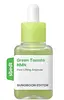
This pore-care ampoule is formulated around Niacinamide and Gluconolactone to refine the look of pores and soften the look of wrinkles.
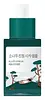
This calming ampoule is formulated around Centella Asiatica Extract and Madecassoside to calm redness and strengthen the skin barrier.

What's inside
What's inside
 Key Ingredients
Benefits
Concerns
No concerns
Ingredients Side-by-side
Water
Skin ConditioningButylene Glycol
Humectant

Glycerin
Humectant
Xylitol
Humectant
1,2-Hexanediol
Skin Conditioning
Dipropylene Glycol
HumectantNiacinamide
Smoothing









Nicotinamide Mononucleotide
Antioxidant
Trehalose
Humectant
Xanthan Gum
EmulsifyingCarbomer
Emulsion StabilisingPhenyl Trimethicone
Skin Conditioning
Tromethamine
BufferingAllantoin
Skin Conditioning
C12-13 Alketh-9
EmulsifyingPolymethylsilsesquioxane
Sodium Phosphate
BufferingHydrolyzed Safflower Flower Extract
Skin ConditioningMethyldihydrojasmonate
MaskingDipotassium Glycyrrhizate
Humectant
Adenosine
Skin Conditioning
Disodium EDTA
Gardenia Taitensis Callus Extract
Antioxidant
Dextrin
AbsorbentStomach Extract
HumectantEthylene Brassylate
MaskingGluconolactone
Skin Conditioning
Panthenol
Skin Conditioning
2-T-Butylcyclohexyl Acetate
Masking

Pueraria Lobata Root Extract
HumectantOenothera Biennis Flower Extract
AstringentPinus Pinaster Leaf Extract
Skin ConditioningMaranta Arundinacea Root Extract
SmoothingFibronectin
Skin ConditioningSodium Hyaluronate
Humectant
Adenosine Triphosphate
Skin ConditioningHydrogenated Lecithin
Emulsifying
Hydrolyzed Hyaluronic Acid
Humectant
Hyaluronic Acid
Humectant
Sodium Hyaluronate Crosspolymer
Humectant
Hydroxypropyltrimonium Hyaluronate
Hydrogenated Polyisobutene
EmollientBenzyl Glycol
SolventCeramide NP
Skin Conditioning
Tocopherol
Antioxidant
Polyglyceryl-10 Laurate
Skin Conditioning

Bellis Perennis Flower Extract
Skin ConditioningSoluble Proteoglycan
Skin ConditioningPEG-5 Rapeseed Sterol
Cleansing
Solanum Lycopersicum Fruit Juice
Skin ConditioningSolanum Lycopersicum Fruit
EmollientPhenethyl Alcohol
MaskingHydrolyzed Collagen
Emollient
Raspberry Ketone
Masking
Phytosteryl/Behenyl/Octyldodecyl Lauroyl Glutamate
Skin ConditioningCholesterol
Emollient
Lysolecithin
EmulsifyingOleic Acid
Emollient


Glycosaminoglycans
EmollientSodium Chloride
MaskingPotassium Phosphate
BufferingPotassium Chloride
Disodium Phosphate
BufferingHydrolyzed Vegetable Protein
Skin ConditioningEphedra Sinica Root Extract
Skin ConditioningLycopene
Antioxidant
Collagen Extract
Skin Conditioning
Linalyl Acetate
Masking

Ethyl Linalool
Masking
Eucalyptol
Perfuming
Methylenedioxyphenyl Methylpropanal
Perfuming
Hexenyl Acetate
Masking
2,4-Dimethyl-3-Cyclohexene Carboxaldehyde
Masking
3-Hexenol
Masking
Water, Butylene Glycol, Glycerin, Xylitol, 1,2-Hexanediol, Dipropylene Glycol, Niacinamide, Nicotinamide Mononucleotide, Trehalose, Xanthan Gum, Carbomer, Phenyl Trimethicone, Tromethamine, Allantoin, C12-13 Alketh-9, Polymethylsilsesquioxane, Sodium Phosphate, Hydrolyzed Safflower Flower Extract, Methyldihydrojasmonate, Dipotassium Glycyrrhizate, Adenosine, Disodium EDTA, Gardenia Taitensis Callus Extract, Dextrin, Stomach Extract, Ethylene Brassylate, Gluconolactone, Panthenol, 2-T-Butylcyclohexyl Acetate, Pueraria Lobata Root Extract, Oenothera Biennis Flower Extract, Pinus Pinaster Leaf Extract, Maranta Arundinacea Root Extract, Fibronectin, Sodium Hyaluronate, Adenosine Triphosphate, Hydrogenated Lecithin, Hydrolyzed Hyaluronic Acid, Hyaluronic Acid, Sodium Hyaluronate Crosspolymer, Hydroxypropyltrimonium Hyaluronate, Hydrogenated Polyisobutene, Benzyl Glycol, Ceramide NP, Tocopherol, Polyglyceryl-10 Laurate, Bellis Perennis Flower Extract, Soluble Proteoglycan, PEG-5 Rapeseed Sterol, Solanum Lycopersicum Fruit Juice, Solanum Lycopersicum Fruit, Phenethyl Alcohol, Hydrolyzed Collagen, Raspberry Ketone, Phytosteryl/Behenyl/Octyldodecyl Lauroyl Glutamate, Cholesterol, Lysolecithin, Oleic Acid, Glycosaminoglycans, Sodium Chloride, Potassium Phosphate, Potassium Chloride, Disodium Phosphate, Hydrolyzed Vegetable Protein, Ephedra Sinica Root Extract, Lycopene, Collagen Extract, Linalyl Acetate, Ethyl Linalool, Eucalyptol, Methylenedioxyphenyl Methylpropanal, Hexenyl Acetate, 2,4-Dimethyl-3-Cyclohexene Carboxaldehyde, 3-Hexenol
Pinus Densiflora Leaf Extract
Antimicrobial
Butylene Glycol
Humectant
Dipropylene Glycol
HumectantGlycereth-26
Humectant
Glycerin
Humectant
1,2-Hexanediol
Skin Conditioning
Centella Asiatica Extract
Cleansing
Propanediol
Solvent
Hyaluronic Acid
Humectant
Hydrolyzed Hyaluronic Acid
Humectant
Sodium Hyaluronate
Humectant
Ethylhexylglycerin
Skin ConditioningWater
Skin ConditioningGlycoproteins
Skin Conditioning
Melia Azadirachta Leaf Extract
Skin ConditioningCoptis Japonica Root Extract
Skin ConditioningMelia Azadirachta Flower Extract
Skin ConditioningHydroxyacetophenone
Antioxidant
Asiaticoside
Antioxidant
Asiatic Acid
Skin Conditioning
Madecassoside
Antioxidant
Madecassic Acid
Skin Conditioning
Sodium Citrate
BufferingCapryloyl Salicylic Acid
Exfoliating
Disodium EDTA
Xanthan Gum
EmulsifyingCarbomer
Emulsion StabilisingTromethamine
BufferingCitric Acid
Buffering
Pinus Densiflora Leaf Extract, Butylene Glycol, Dipropylene Glycol, Glycereth-26, Glycerin, 1,2-Hexanediol, Centella Asiatica Extract, Propanediol, Hyaluronic Acid, Hydrolyzed Hyaluronic Acid, Sodium Hyaluronate, Ethylhexylglycerin, Water, Glycoproteins, Melia Azadirachta Leaf Extract, Coptis Japonica Root Extract, Melia Azadirachta Flower Extract, Hydroxyacetophenone, Asiaticoside, Asiatic Acid, Madecassoside, Madecassic Acid, Sodium Citrate, Capryloyl Salicylic Acid, Disodium EDTA, Xanthan Gum, Carbomer, Tromethamine, Citric Acid
Reviews
Ingredients Explained
These ingredients are found in both products.
Ingredients higher up in an ingredient list are typically present in a larger amount.
1,2-Hexanediol is a synthetic liquid and another multi-functional powerhouse.
It is a:
- Humectant, drawing moisture into the skin
- Emollient, helping to soften skin
- Solvent, dispersing and stabilizing formulas
- Preservative booster, enhancing the antimicrobial activity of other preservatives
Butylene Glycol (or BG) is used within cosmetic products for a few different reasons:
Overall, Butylene Glycol is a safe and well-rounded ingredient that works well with other ingredients.
Though this ingredient works well with most skin types, some people with sensitive skin may experience a reaction such as allergic rashes, closed comedones, or itchiness.
Learn more about Butylene GlycolCarbomer is a synthetic thickening and gelling agent. It's basically the ingredient that gives a lot of serums, gels, creams, and sunscreens their smooth, non-sticky texture.
Although legally permitted at very high levels, carbomers are normally used at concentrations below 1%.
It also needs to be neutralized to actually thicken, and because it is a large molecule, it doesn't really penetrate the skin barrier.
Allergy-wise, the risk is very low. Clinical studies show carbomers have low potential for skin irritation/sensitization even at concentrations up to 100%.
A 2024 UK study patch-tested 1,302 patients and found true allergy to the parent group of carbomer to be rare with no confirmed relevant reactions.
Learn more about CarbomerDipropylene Glycol is a synthetically created humectant, stabilizer, and solvent.
This ingredient helps:
Dipropylene glycol is technically an alcohol, but it belongs to the glycol family (often considered part of the ‘good’ alcohols). This means it is hydrating and gentle on skin unlike drying solvent alcohols like denatured alcohol.
As a masking agent, Dipropylene Glycol can be used to cover the smell of other ingredients. However, it does not have a scent.
Studies show Dipropylene Glycol is considered safe to use in skincare.
Learn more about Dipropylene GlycolDisodium EDTA is a chelating agent. It grabs onto and deactivates metal ions that sneak into your products from water, packaging, or air.
This ingredient mainly works behind the scenes and helps with:
On top of that, this ingredient can counteract the effects of hard water by binding to the minerals in it.
One thing worth knowing is that Disodium EDTA has been shown to be a mild penetration enhancer. It can help other ingredients absorb into skin more effectively which can be a double-edged sword (great for actives, but can also make the active too strong if you have sensitive skin).
Clinical patch testing showed no significant skin irritation at typical use concentrations and minimal dermal absorption.
You'll most likely see this ingredient near the end of an ingredient list. It's typically found in concentrations less than 1%.
Learn more about Disodium EDTAGlycerin (or glycerol) is a compound naturally found in your skin. It's a powerhouse humectant that pulls water into the stratum corneum.
Topically, glycerin does several things at once:
Your skin makes glycerin on its own (mostly from sebaceous oil breakdown) and shuttles it to your outermost layer of skin, or your epidermis, via aquaporin-3.
Aquaporin-3 is a transporter that is essential for normal skin hydration, elasticity, and repair. Interestingly, mice lacking in AQP3 have dry and less elastic skin that can be fully corrected with glycerin.
This ingredient is non-irritating, plays well with almost every ingredient, and works across all skin types. Typical use is anywhere between 3-10% but can go up to 79% in some leave-on products.
Just know very high concentrations (>40%) can feel tacky in low humidity.
Glycerin is the name for this ingredient in American English. British English uses Glycerol/Glycerine.
Learn more about GlycerinHyaluronic acid (HA) is a glycosaminoglycan (basically a long sugar chain) that your skin already makes on its own. In your skin, HA lives in the extracellular matrix and acts as the body's moisture reservoir.
Topically, HA is a humectant that binds water and helps skin look more plump, smooth, and hydrated.
The only catch is that HA isn't a single thing; it actually comes in a wide range of molecular weights (~50 - 2,000+ kDA) and size matters.
Some clinical evidence links low molecular weight versions to improved wrinkle depth, elasticity, anti-inflammatory effects, and barrier repair.
This is why the best HA serums blend the two sizes together so you get the best of both worlds.
The majority of cosmetic HA is produced by bacterial fermentation, typically using Streptococcus or Bacillus strains. Typical use levels in skincare sit around 0.1-2%.
A clinical study using a 0.2% low-molecular weight HA gel showed improvement in facial seborrheic dermatitis with excellent tolerance.
These are some other common types of Hyaluronic Acid:
Learn more about Hyaluronic AcidHydrolyzed Hyaluronic Acid is hyaluronic acid (HA) that is broken down into lower molecular weight fragments.
It's a humectant that pulls and holds water in the skin to help with hydration, plumpness, and reduce transepidermal water loss.
Because hydrolyzed hyaluronic acid is smaller in size, it can slip past your outermost layer of skin more easily than full-sized HA.
Most formulations will combine all sizes to get the best of both worlds.
Typical usage levels range from 0.01-1%. Any percentage higher than 2% might become goopy and tacky.
Learn more about Hydrolyzed Hyaluronic AcidSodium Hyaluronate is the salt form of hyaluronic acid. It is a long sugar chain that is naturally found in your skin, joints, and connective tissue that maintains hydration and elasticity.
In skincare, it works as a humectant. It pulls water from the environment and deeper layers of skin and binds it to the surface.
Interestingly, the size of the molecule affects its behavior:
Some clinical evidence links low molecular weight versions to improved wrinkle depth, elasticity, anti-inflammatory effects, and barrier repair.
Many serums use a blend of both weights so you can get surface hydration plus longer-lasting and deeper effects.
You'll typically see concentrations between 0.1-2% for this ingredient.
Learn more about Sodium HyaluronateTromethamine (aka THAM) is a synthetic amino acid that shows up in skincare as a helper ingredient.
It functions as a pH adjuster to help neutralize acidic ingredients and set a formula's pH to the right spot.
This matters a lot because a lot of actives (like vitamin C) needs a specific pH to work well and feel comfortable on skin.
Concentration use ranges from 0.1-1.0% depending on the formula.
Learn more about TromethamineWater. It's the most common cosmetic ingredient of all. You'll usually see it at the top of ingredient lists, meaning that it makes up the largest part of the product.
So why is it so popular? Water most often acts as a solvent - this means that it helps dissolve other ingredients into the formulation.
You'll also recognize water as that liquid we all need to stay alive. If you see this, drink a glass of water. Remember to stay hydrated!
Learn more about WaterXanthan gum is used as a stabilizer and thickener within cosmetic products. It helps give products a sticky, thick feeling - preventing them from being too runny.
On the technical side of things, xanthan gum is a polysaccharide - a combination consisting of multiple sugar molecules bonded together.
Xanthan gum is a pretty common and great ingredient. It is a natural, non-toxic, non-irritating ingredient that is also commonly used in food products.
Learn more about Xanthan Gum

