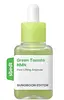
This pore-care ampoule is formulated around Niacinamide and Gluconolactone to refine the look of pores and soften the look of wrinkles.
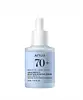
This hydrating serum is formulated around Betula Platyphylla Japonica Juice and Panthenol to hydrate skin and strengthen the skin barrier.

What's inside
What's inside
 Key Ingredients
Benefits
Concerns
No concerns
Ingredients Side-by-side
Water
Skin ConditioningButylene Glycol
Humectant

Glycerin
Humectant
Xylitol
Humectant
1,2-Hexanediol
Skin Conditioning
Dipropylene Glycol
HumectantNiacinamide
Smoothing









Nicotinamide Mononucleotide
Antioxidant
Trehalose
Humectant
Xanthan Gum
EmulsifyingCarbomer
Emulsion StabilisingPhenyl Trimethicone
Skin Conditioning
Tromethamine
BufferingAllantoin
Skin Conditioning
C12-13 Alketh-9
EmulsifyingPolymethylsilsesquioxane
Sodium Phosphate
BufferingHydrolyzed Safflower Flower Extract
Skin ConditioningMethyldihydrojasmonate
MaskingDipotassium Glycyrrhizate
Humectant
Adenosine
Skin Conditioning
Disodium EDTA
ChelatingGardenia Taitensis Callus Extract
Antioxidant
Dextrin
AbsorbentStomach Extract
HumectantEthylene Brassylate
MaskingGluconolactone
Chelating
Panthenol
Skin Conditioning
2-T-Butylcyclohexyl Acetate
Masking

Pueraria Lobata Root Extract
HumectantOenothera Biennis Flower Extract
AstringentPinus Pinaster Leaf Extract
Skin ConditioningMaranta Arundinacea Root Extract
SmoothingFibronectin
Skin ConditioningSodium Hyaluronate
Humectant
Adenosine Triphosphate
Skin ConditioningHydrogenated Lecithin
Emulsifying
Hydrolyzed Hyaluronic Acid
Humectant
Hyaluronic Acid
Humectant
Sodium Hyaluronate Crosspolymer
Humectant
Hydroxypropyltrimonium Hyaluronate
Hydrogenated Polyisobutene
EmollientBenzyl Glycol
SolventCeramide NP
Skin Conditioning
Tocopherol
Antioxidant
Polyglyceryl-10 Laurate
Skin Conditioning

Bellis Perennis Flower Extract
Skin ConditioningSoluble Proteoglycan
Skin ConditioningPEG-5 Rapeseed Sterol
Cleansing
Solanum Lycopersicum Fruit Juice
Skin ConditioningSolanum Lycopersicum Fruit
EmollientPhenethyl Alcohol
MaskingHydrolyzed Collagen
Emollient
Raspberry Ketone
Masking
Phytosteryl/Behenyl/Octyldodecyl Lauroyl Glutamate
Skin ConditioningCholesterol
Emollient
Lysolecithin
EmulsifyingOleic Acid
Emollient


Glycosaminoglycans
EmollientSodium Chloride
MaskingPotassium Phosphate
BufferingPotassium Chloride
Disodium Phosphate
BufferingHydrolyzed Vegetable Protein
Skin ConditioningEphedra Sinica Root Extract
Skin ConditioningLycopene
Antioxidant
Collagen Extract
Skin Conditioning
Linalyl Acetate
Masking

Ethyl Linalool
Masking
Eucalyptol
Perfuming
Methylenedioxyphenyl Methylpropanal
Perfuming
Hexenyl Acetate
Masking
2,4-Dimethyl-3-Cyclohexene Carboxaldehyde
Masking
3-Hexenol
Masking
Water, Butylene Glycol, Glycerin, Xylitol, 1,2-Hexanediol, Dipropylene Glycol, Niacinamide, Nicotinamide Mononucleotide, Trehalose, Xanthan Gum, Carbomer, Phenyl Trimethicone, Tromethamine, Allantoin, C12-13 Alketh-9, Polymethylsilsesquioxane, Sodium Phosphate, Hydrolyzed Safflower Flower Extract, Methyldihydrojasmonate, Dipotassium Glycyrrhizate, Adenosine, Disodium EDTA, Gardenia Taitensis Callus Extract, Dextrin, Stomach Extract, Ethylene Brassylate, Gluconolactone, Panthenol, 2-T-Butylcyclohexyl Acetate, Pueraria Lobata Root Extract, Oenothera Biennis Flower Extract, Pinus Pinaster Leaf Extract, Maranta Arundinacea Root Extract, Fibronectin, Sodium Hyaluronate, Adenosine Triphosphate, Hydrogenated Lecithin, Hydrolyzed Hyaluronic Acid, Hyaluronic Acid, Sodium Hyaluronate Crosspolymer, Hydroxypropyltrimonium Hyaluronate, Hydrogenated Polyisobutene, Benzyl Glycol, Ceramide NP, Tocopherol, Polyglyceryl-10 Laurate, Bellis Perennis Flower Extract, Soluble Proteoglycan, PEG-5 Rapeseed Sterol, Solanum Lycopersicum Fruit Juice, Solanum Lycopersicum Fruit, Phenethyl Alcohol, Hydrolyzed Collagen, Raspberry Ketone, Phytosteryl/Behenyl/Octyldodecyl Lauroyl Glutamate, Cholesterol, Lysolecithin, Oleic Acid, Glycosaminoglycans, Sodium Chloride, Potassium Phosphate, Potassium Chloride, Disodium Phosphate, Hydrolyzed Vegetable Protein, Ephedra Sinica Root Extract, Lycopene, Collagen Extract, Linalyl Acetate, Ethyl Linalool, Eucalyptol, Methylenedioxyphenyl Methylpropanal, Hexenyl Acetate, 2,4-Dimethyl-3-Cyclohexene Carboxaldehyde, 3-Hexenol
Betula Platyphylla Japonica Juice 70%
Skin Conditioning
Butylene Glycol
Humectant
Dipropylene Glycol
HumectantWater
Skin ConditioningGlycerin
Humectant
Diglycerin
Humectant
1,2-Hexanediol
Skin Conditioning
Trehalose
Humectant
Hydroxyacetophenone
Antioxidant
Carbomer
Emulsion StabilisingCaprylyl Glycol
Emollient
Tromethamine
BufferingAllantoin
Skin Conditioning
Betaine
Humectant
Cucumis Sativus Fruit Extract
Emollient
Glyceryl Acrylate/Acrylic Acid Copolymer
HumectantDextrin
AbsorbentGardenia Florida Fruit Extract
Skin ConditioningOenothera Biennis Flower Extract
AstringentUlmus Davidiana Root Extract
Skin Conditioning
Biosaccharide Gum-1
Humectant
Pinus Palustris Leaf Extract
TonicPanthenol
Skin Conditioning
Pueraria Lobata Root Extract
HumectantGluconolactone
Chelating
Dipotassium Glycyrrhizate
Humectant
Malachite Extract
Antioxidant
Tocopherol
Antioxidant
Sodium Hyaluronate
Humectant
Hydroxypropyltrimonium Hyaluronate
Sodium Acetylated Hyaluronate
Humectant
Hydrolyzed Hyaluronic Acid
Humectant
Hyaluronic Acid
Humectant
Sodium Hyaluronate Crosspolymer
Humectant
Hydrolyzed Sodium Hyaluronate
Skin Conditioning
Potassium Hyaluronate
Skin ConditioningSodium Phytate
ChelatingEthylhexylglycerin
Skin ConditioningBetula Platyphylla Japonica Juice 70%, Butylene Glycol, Dipropylene Glycol, Water, Glycerin, Diglycerin, 1,2-Hexanediol, Trehalose, Hydroxyacetophenone, Carbomer, Caprylyl Glycol, Tromethamine, Allantoin, Betaine, Cucumis Sativus Fruit Extract, Glyceryl Acrylate/Acrylic Acid Copolymer, Dextrin, Gardenia Florida Fruit Extract, Oenothera Biennis Flower Extract, Ulmus Davidiana Root Extract, Biosaccharide Gum-1, Pinus Palustris Leaf Extract, Panthenol, Pueraria Lobata Root Extract, Gluconolactone, Dipotassium Glycyrrhizate, Malachite Extract, Tocopherol, Sodium Hyaluronate, Hydroxypropyltrimonium Hyaluronate, Sodium Acetylated Hyaluronate, Hydrolyzed Hyaluronic Acid, Hyaluronic Acid, Sodium Hyaluronate Crosspolymer, Hydrolyzed Sodium Hyaluronate, Potassium Hyaluronate, Sodium Phytate, Ethylhexylglycerin
Reviews
Ingredients Explained
These ingredients are found in both products.
Ingredients higher up in an ingredient list are typically present in a larger amount.
1,2-Hexanediol is a synthetic liquid and another multi-functional powerhouse.
It is a:
- Humectant, drawing moisture into the skin
- Emollient, helping to soften skin
- Solvent, dispersing and stabilizing formulas
- Preservative booster, enhancing the antimicrobial activity of other preservatives
Allantoin is a soothing ingredient known for its protective and moisturizing properties; it's basically a quiet workhorse ingredient you can find in a huge range of cosmetics.
Though it can be derived from the comfrey plant, allantoin is produced synthetically for cosmetic products to ensure purity.
Research shows it can encourage your skin cells to turn over and renew by stimulating keratinocyte and fibroblast proliferation.
It also has mild keratolytic properties to help loosen and shed dead skin cells without being harsh.
Studies also suggest allantoin can help calm inflammation by dialing down some of the chemical signals your skin sends out when it is irritated.
This ingredient is typically used in the 0.1-0.5% range, and the FDA recognizes it as a skin protectant in OTC products up to 2%.
Overall, allantoin is a wonderful addition to most routines; it is stable across a wide pH range (~4-8), works well with other ingredients, and is considered non-sensitizing/non-irritating.
Fun fact: Allantoin is naturally occurring in comfrey root, beets, chamomile, and wheat sprouts. Our bodies even produce it as a byproduct of uric acid metabolism.
Learn more about AllantoinButylene Glycol (or BG) is used within cosmetic products for a few different reasons:
Overall, Butylene Glycol is a safe and well-rounded ingredient that works well with other ingredients.
Though this ingredient works well with most skin types, some people with sensitive skin may experience a reaction such as allergic rashes, closed comedones, or itchiness.
Learn more about Butylene GlycolCarbomer is a synthetic thickening and gelling agent. It's basically the ingredient that gives a lot of serums, gels, creams, and sunscreens their smooth, non-sticky texture.
Although legally permitted at very high levels, carbomers are normally used at concentrations below 1%.
It also needs to be neutralized to actually thicken, and because it is a large molecule, it doesn't really penetrate the skin barrier.
Allergy-wise, the risk is very low. Clinical studies show carbomers have low potential for skin irritation/sensitization even at concentrations up to 100%.
A 2024 UK study patch-tested 1,302 patients and found true allergy to the parent group of carbomer to be rare with no confirmed relevant reactions.
Learn more about CarbomerDextrin is a starch-derived polysaccharide. It's made by partially breaking down corn, potato, or other plant starches.
Think of it as "half-processed" starch; it's less complex than the original but not fully broken down into sugar like maltodextrin.
In cosmetics, it mainly functions as a bulking agent, viscosity controller, binder, and absorbent. It helps thicken products, stabilize powders, and get certain textures a less "wet" feel.
This ingredient has a pretty solid safety profile; it's recognized as a safe food additive and its large molecular size means it doesn't meaningfully penetrate skin.
Human repeat insult patch tests using a rinse-off facial product containing 42.69% dextrin found no skin irritation or sensitization in 54 subjects.
Typical real-world usage is much lower: usually under 1% as a texture modifier and up to 40% in masks (rinse off products use less).
Learn more about DextrinDipotassium Glycyrrhizate comes from licorice root.
Extracts of licorice have demonstrated to have antibacterial, anti‐inflammatory, antiviral, antioxidant properties.
One component, glabridin, has extra potent antioxidant and soothing properties. It has also been found to block pigmentation from UVB rays in guinea pigs.
Licorice Root also contains a flavonoid. Flavonoids are a natural substance from in plants. Flavonoids also have antioxidant properties.
Another component, glycyrrhizin, has been found to have anti-inflammatory and antimicrobial benefits. This may make licorice root extract effective at treating acne. However, more research is needed to support this.
Liquiritin is one of the flavone compounds found in licorice. It has been found to help lighten skin by preventing tyrosinase from reacting with tyrosine. When the two react, protein is converted to melanin. Melanin is the substance in your body that gives your features pigmentation.
Licorice root is native to Southern Europe and Asia. It has been used in traditional Chinese medicine to help with respiratory issues.
Learn more about Dipotassium GlycyrrhizateDipropylene Glycol is a synthetically created humectant, stabilizer, and solvent.
This ingredient helps:
Dipropylene glycol is technically an alcohol, but it belongs to the glycol family (often considered part of the ‘good’ alcohols). This means it is hydrating and gentle on skin unlike drying solvent alcohols like denatured alcohol.
As a masking agent, Dipropylene Glycol can be used to cover the smell of other ingredients. However, it does not have a scent.
Studies show Dipropylene Glycol is considered safe to use in skincare.
Learn more about Dipropylene GlycolGluconolactone is a PHA. PHAs are a great gentle alternative to traditional AHAs.
When applied, Gluconolactone has the same affect on skin as AHAs such as lactic acid. It helps dissolve the dead skin cells in the top layer of your skin. This improves texture and brightens the skin.
PHAs are more gentle than AHAs due to their larger structure. They do not penetrate as deeply as AHAs and take a longer time to dissolve dead cells. Studies show PHAs do not cause as much irritation.
Gluconolactone has some interesting properties:
In a 2004 study, Gluconolactone was found to prevent UV damage in mouse skin cells and has not been found to increase sun sensitivity. However, we still recommend wearing SPF daily.
This ingredient is is an created by reacting gluconic acid with an alcohol.
Learn more about GluconolactoneGlycerin (or glycerol) is a compound naturally found in your skin. It's a powerhouse humectant that pulls water into the stratum corneum.
Topically, glycerin does several things at once:
Your skin makes glycerin on its own (mostly from sebaceous oil breakdown) and shuttles it to your outermost layer of skin, or your epidermis, via aquaporin-3.
Aquaporin-3 is a transporter that is essential for normal skin hydration, elasticity, and repair. Interestingly, mice lacking in AQP3 have dry and less elastic skin that can be fully corrected with glycerin.
This ingredient is non-irritating, plays well with almost every ingredient, and works across all skin types. Typical use is anywhere between 3-10% but can go up to 79% in some leave-on products.
Just know very high concentrations (>40%) can feel tacky in low humidity.
Glycerin is the name for this ingredient in American English. British English uses Glycerol/Glycerine.
Learn more about GlycerinHyaluronic acid (HA) is a glycosaminoglycan (basically a long sugar chain) that your skin already makes on its own. In your skin, HA lives in the extracellular matrix and acts as the body's moisture reservoir.
Topically, HA is a humectant that binds water and helps skin look more plump, smooth, and hydrated.
The only catch is that HA isn't a single thing; it actually comes in a wide range of molecular weights (~50 - 2,000+ kDA) and size matters.
Some clinical evidence links low molecular weight versions to improved wrinkle depth, elasticity, anti-inflammatory effects, and barrier repair.
This is why the best HA serums blend the two sizes together so you get the best of both worlds.
The majority of cosmetic HA is produced by bacterial fermentation, typically using Streptococcus or Bacillus strains. Typical use levels in skincare sit around 0.1-2%.
A clinical study using a 0.2% low-molecular weight HA gel showed improvement in facial seborrheic dermatitis with excellent tolerance.
These are some other common types of Hyaluronic Acid:
Learn more about Hyaluronic AcidHydrolyzed Hyaluronic Acid is hyaluronic acid (HA) that is broken down into lower molecular weight fragments.
It's a humectant that pulls and holds water in the skin to help with hydration, plumpness, and reduce transepidermal water loss.
Because hydrolyzed hyaluronic acid is smaller in size, it can slip past your outermost layer of skin more easily than full-sized HA.
Most formulations will combine all sizes to get the best of both worlds.
Typical usage levels range from 0.01-1%. Any percentage higher than 2% might become goopy and tacky.
Learn more about Hydrolyzed Hyaluronic AcidHydroxypropyltrimonium Hyaluronate is a positively charged version of hyaluronic acid.
This small change does a lot in a formula:
Regular hyaluronic acid carries a negative charge and so does the surface of your skin. This means the two repel each other and hyaluronic acid can be washed away easily. The positive charge here does the opposite: it makes the ingredient cling to your skin (also called "substantivity") so it keeps hydrating even in rinse-off products where it lays down a light, moisture-holding film.
The research backs this up too; a 2025 clinical study on a shower gel containing 0.1% positively charged hyaluronic acid increased skin hydration by 6.6% versus the baseline and 11.1% versus the placebo. This was measured 6 hours after 1 minute of contact and rinse, and on volunteers with very dry skin.
The same team's lab work showed it adhered to skin far better than unmodified hyaluronic acid (+107% vs. low molecular weight, +23% versus high molecular weight). They also found it increased two proteins tied to skin hydration, aquaporin-3 by 16% and filaggrin by 35%.
A separate 2024 study reached a similar conclusion and credited the hydrating benefits to its film-forming properties.
Both studies used the ingredient at 0.1% which also matches how much it usually shows up in products (at fractions of a percent).
One honesty note worth keeping in mind: the published research comes from the company that manufactures the ingredient so independent data would strengthen the picture. However, the results are consistent and the mechanism makes sense.
As a Hyaluronic Acid derivative, it has a well-tolerated profile and suits most skin types.
Learn more about Hydroxypropyltrimonium HyaluronateWe don't have a description for Oenothera Biennis Flower Extract yet.
Panthenol is a common ingredient that helps hydrate and soothe the skin. It is found naturally in our skin and hair.
There are two forms of panthenol: D and L.
D-panthenol is also known as dexpanthenol. Most cosmetics use dexpanthenol or a mixture of D and L-panthenol.
Panthenol is famous due to its ability to go deeper into the skin's layers. Using this ingredient has numerous pros (and no cons):
Like hyaluronic acid, panthenol is a humectant. Humectants are able to bind and hold large amounts of water to keep skin hydrated.
This ingredient works well for wound healing. It works by increasing tissue in the wound and helps close open wounds.
Once oxidized, panthenol converts to pantothenic acid. Panthothenic acid is found in all living cells.
This ingredient is also referred to as pro-vitamin B5.
Learn more about PanthenolThis ingredient comes from the Kudzu root.
Sodium Hyaluronate is the salt form of hyaluronic acid. It is a long sugar chain that is naturally found in your skin, joints, and connective tissue that maintains hydration and elasticity.
In skincare, it works as a humectant. It pulls water from the environment and deeper layers of skin and binds it to the surface.
Interestingly, the size of the molecule affects its behavior:
Some clinical evidence links low molecular weight versions to improved wrinkle depth, elasticity, anti-inflammatory effects, and barrier repair.
Many serums use a blend of both weights so you can get surface hydration plus longer-lasting and deeper effects.
You'll typically see concentrations between 0.1-2% for this ingredient.
Learn more about Sodium HyaluronateSodium Hyaluronate Crosspolymer is a crosslinked version of sodium hyaluronate. This just means it's linked into a 3D mesh network that lets it be more stable and sit on skin as a cohesive, gel-like film rather than sinking into skin.
A 2016 human skin study found crosslinked HA increased epidermal water content by 7.6% over the control group and reduced transepidermal water loss by 27.8%.
A follow-up clinical trial found that a topical crosslinked HA serum applied after fillers, microneedling, or chemical peels was well-tolerated and enhanced skin quality at 14 / 28 days.
More recent research suggests that concentrations as low as 0.03% can act as a penetration enhancer for other skincare actives.
Learn more about Sodium Hyaluronate CrosspolymerTocopherol is a fat-soluble antioxidant known as Vitamin E.
You'll find this ingredient in the vast majority of skincare (for good reason). It works to neutralize free radicals, or unstable molecules generated by UV exposure, pollution, and other environmental stressors, before they can cause oxidative damage to your skin cells.
Topically applied tocopherol has been shown to protect against UV damage by ramping up the skin's own natural defense enzymes.
It also acts as a skin conditioning agent; some studies show that regular topical use can improve the skin's water-binding capacity over 2-4 weeks.
This ingredient is especially loved for being a team player. When combined with Vitamin C, the photoprotective effect of both ingredients roughly doubles and the combo also helps reduce UV-induced DNA damage.
This ingredient has some brightening potential but it's more of a prevention ingredient than spot-fader. Cell studies show it can slow down melanin production but it's worth noting that it's not the most powerful brightener out there.
In formulations, it also serves as a stabilizer that helps protect other oxidation-prone ingredients from degrading.
Concentrations usually range from 0.1-1% in most leave-on products.
Learn more about TocopherolTrehalose is a disaccharide made of two glucose molecules (glucose is sugar!). Trehalose is used to help moisturize skin. It also has antioxidant properties.
As a humectant, trehalose helps draw moisture from the air to your skin. This helps keep your skin hydrated.
Due to its antioxidant properties, trehalose may help with signs of aging. Antioxidants help fight free-radical molecules, unstable molecules that may damage your skin.
In medicine, trehalose and hyaluronic acid are used to help treat dry eyes.
Some animals, plants, and bacteria create trehalose as a source of energy to survive freeze or lack of water.
Learn more about TrehaloseTromethamine (aka THAM) is a synthetic amino acid that shows up in skincare as a helper ingredient.
It functions as a pH adjuster to help neutralize acidic ingredients and set a formula's pH to the right spot.
This matters a lot because a lot of actives (like vitamin C) needs a specific pH to work well and feel comfortable on skin.
Concentration use ranges from 0.1-1.0% depending on the formula.
Learn more about TromethamineWater. It's the most common cosmetic ingredient of all. You'll usually see it at the top of ingredient lists, meaning that it makes up the largest part of the product.
So why is it so popular? Water most often acts as a solvent - this means that it helps dissolve other ingredients into the formulation.
You'll also recognize water as that liquid we all need to stay alive. If you see this, drink a glass of water. Remember to stay hydrated!
Learn more about Water

