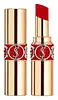
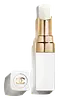
Yves Saint Laurent Rouge Volupte Shine Lipstick Balm Versus Chanel Rogue Coco Baume Hydrating Beautifying Tinted Lip Balm
This barrier-repair lip moisturizer is formulated around Squalane and Butyrospermum Parkii Butter to strengthen the lip barrier and hydrate lips.

What's inside
What's inside
 Key Ingredients
Benefits
Concerns
Ingredients Side-by-side
Diisostearyl Malate
EmollientHydrogenated Polyisobutene
EmollientPhenyl Trimethicone
Skin Conditioning
Paraffin
Skin Conditioning
C12-15 Alkyl Benzoate
AntimicrobialCetyl Dimethicone
Emollient
Octyldodecanol
Emollient
Diisopropyl Dimer Dilinoleate
Emollient

Phytosteryl Macadamiate
Skin Conditioning
Euphorbia Cerifera Cera
Astringent
Polyethylene
Abrasive

Microcrystalline Wax
Emulsion StabilisingPentaerythrityl Tetraisostearate
Emollient
Pentaerythrityl Tetraethylhexanoate
Emollient
Polyglyceryl-2 Isostearate
Emulsifying
Hexadecene
SolventEthylhexyl Palmitate
Emollient

Caprylic/Capric Triglyceride
Masking

Calcium Aluminum Borosilicate
Alumina
Abrasive
Caprylyl Glycol
Emollient
Tribehenin
Emollient
Tocopheryl Acetate
Antioxidant


Oryzanol
Skin ConditioningAmmonium Glycyrrhizate
MaskingPentaerythrityl Tetra-Di-T-Butyl Hydroxyhydrocinnamate
Antioxidant
Calcium Sodium Borosilicate
Parfum
Masking

Glyceryl Stearate
Emollient
Sorbitan Isostearate
Emulsifying
Lecithin
Emollient
Tocopherol
Antioxidant


Ascorbyl Palmitate
Antioxidant

Silica Dimethyl Silylate
EmollientPunica Granatum Extract
AstringentSynthetic Fluorphlogopite
Tin Oxide
Abrasive
Polyethylene Terephthalate
Silica
Abrasive

Sodium Hyaluronate
Humectant
Palmitoyl Oligopeptide
Cleansing
Acrylates Copolymer
CI 77891
Cosmetic ColorantCI 45410
Cosmetic ColorantCI 77491
Cosmetic ColorantCI 77492
Cosmetic ColorantCI 77499
Cosmetic ColorantCI 15850
Cosmetic ColorantCI 15985
Cosmetic ColorantMica
Cosmetic ColorantCI 42090
Cosmetic ColorantCI 45380
Cosmetic ColorantCI 75470
Cosmetic ColorantCI 19140
Cosmetic ColorantDiisostearyl Malate, Hydrogenated Polyisobutene, Phenyl Trimethicone, Paraffin, C12-15 Alkyl Benzoate, Cetyl Dimethicone, Octyldodecanol, Diisopropyl Dimer Dilinoleate, Phytosteryl Macadamiate, Euphorbia Cerifera Cera, Polyethylene, Microcrystalline Wax, Pentaerythrityl Tetraisostearate, Pentaerythrityl Tetraethylhexanoate, Polyglyceryl-2 Isostearate, Hexadecene, Ethylhexyl Palmitate, Caprylic/Capric Triglyceride, Calcium Aluminum Borosilicate, Alumina, Caprylyl Glycol, Tribehenin, Tocopheryl Acetate, Oryzanol, Ammonium Glycyrrhizate, Pentaerythrityl Tetra-Di-T-Butyl Hydroxyhydrocinnamate, Calcium Sodium Borosilicate, Parfum, Glyceryl Stearate, Sorbitan Isostearate, Lecithin, Tocopherol, Ascorbyl Palmitate, Silica Dimethyl Silylate, Punica Granatum Extract, Synthetic Fluorphlogopite, Tin Oxide, Polyethylene Terephthalate, Silica, Sodium Hyaluronate, Palmitoyl Oligopeptide, Acrylates Copolymer, CI 77891, CI 45410, CI 77491, CI 77492, CI 77499, CI 15850, CI 15985, Mica, CI 42090, CI 45380, CI 75470, CI 19140
Octyldodecanol
Emollient
Pentaerythrityl Adipate/Caprate/Caprylate/Heptanoate
EmollientHydrogenated Polyisobutene
EmollientSynthetic Wax
Abrasive
Polyglyceryl-10 Decaisostearate
EmollientSqualane
Emollient
Polyglyceryl-2 Triisostearate
Emulsifying
Ethylene/Propylene Copolymer
Abrasive
Disteardimonium Hectorite
StabilisingButyrospermum Parkii Butter
Skin Conditioning
Olea Europaea Fruit Oil
Masking
Olea Europaea Leaf Extract
Perfuming
Ethylhexyl Palmitate
Emollient
Calcium Aluminum Borosilicate
Propylene Carbonate
SolventTribehenin
Emollient
Hydrogenated Castor Oil
Emollient
Tocopherol
Antioxidant
Jojoba Esters
Emollient
Silica
Abrasive
Helianthus Annuus Seed Wax
Skin Conditioning
Parfum
Masking
Sorbitan Isostearate
Emulsifying
Lactic Acid
Buffering

Polyglycerin-3
Humectant
Acacia Decurrens Flower Wax
Emollient
Tin Oxide
Abrasive
Palmitoyl Tripeptide-1
Skin Conditioning
Water
Skin ConditioningCI 12085
Cosmetic ColorantCI 15850
Cosmetic ColorantCI 15985
Cosmetic ColorantCI 17200
Cosmetic ColorantCI 19140
Cosmetic ColorantCI 42090
Cosmetic ColorantCI 45380
Cosmetic ColorantCI 45410
Cosmetic ColorantCI 73360
Cosmetic ColorantCI 77163
Cosmetic Colorant
CI 77491
Cosmetic ColorantCI 77492
Cosmetic ColorantCI 77499
Cosmetic ColorantCI 77742
Cosmetic ColorantCI 77891
Cosmetic ColorantMica
Cosmetic ColorantOctyldodecanol, Pentaerythrityl Adipate/Caprate/Caprylate/Heptanoate, Hydrogenated Polyisobutene, Synthetic Wax, Polyglyceryl-10 Decaisostearate, Squalane, Polyglyceryl-2 Triisostearate, Ethylene/Propylene Copolymer, Disteardimonium Hectorite, Butyrospermum Parkii Butter, Olea Europaea Fruit Oil, Olea Europaea Leaf Extract, Ethylhexyl Palmitate, Calcium Aluminum Borosilicate, Propylene Carbonate, Tribehenin, Hydrogenated Castor Oil, Tocopherol, Jojoba Esters, Silica, Helianthus Annuus Seed Wax, Parfum, Sorbitan Isostearate, Lactic Acid, Polyglycerin-3, Acacia Decurrens Flower Wax, Tin Oxide, Palmitoyl Tripeptide-1, Water, CI 12085, CI 15850, CI 15985, CI 17200, CI 19140, CI 42090, CI 45380, CI 45410, CI 73360, CI 77163, CI 77491, CI 77492, CI 77499, CI 77742, CI 77891, Mica
Reviews
Ingredients Explained
These ingredients are found in both products.
Ingredients higher up in an ingredient list are typically present in a larger amount.
Calcium Aluminum Borosilicate is made up of calcium, aluminum, and silicates. It is a glass-like material. In cosmetics, it comes in the form of flakes or microspheres.
Calcium aluminum borosilicate is a bulking agent, meaning it helps thicken a product.
This ingredient is created by slowly mixing several minerals, including kaolin clay.
Although “aluminum” in an ingredient name can raise red flags for some consumers, the form and usage context matter significantly. For typical topical applications, there is no substantial evidence of health risks - such as cancer, neurotoxicity, or systemic “aluminum overload.”
Learn more about Calcium Aluminum BorosilicateCi 15850 is the pigment color red. It is an azo dye and created synthetically.
Azo dyes need to be thoroughly purified before use. This allows them to be more stable and longer-lasting.
This ingredient is common in foundations, lipsticks, and blushes. This color is described as brown/orangey red.
It has many secondary names such as Red 6 and Red 7. According to a manufacturer, Red 6 usually contains aluminum.
Learn more about CI 15850Ci 15985 is a dye made from petroleum. It is synthetically created and approved by the FDA for use in foods and cosmetics.
The color of this dye is orange/yellow.
This ingredient can be found in makeup, sun care, and skincare.
Learn more about CI 15985CI 19140 is also known as Tartrazine. Tartrazine is a synthetic dye used in cosmetics, foods, and medicine to add a yellow color.
Tartrazine is created from petroleum and is water-soluble.
Some people may experience allergies from this dye, especially asthmatics and those with an aspirin intolerance.
Learn more about CI 19140Ci 42090 is a synthetic dye created from petroleum. It is used to give a bright blue color to cosmetics, medicine, and food.
Ci 45380 is a synthetic dye that comes from coal or tar sources. Due to this, it is often used in small quantities.
A common name for this dye is Red 22. Red 22 imparts a warm reddish color.
Similar to Red 27, this dye changes color based on pH and moisture levels.
This dye is colorless when dry but turns pink between pH levels 0.0 to ~3.0.
Learn more about CI 45380CI 45410 is a synthetic red-pigment and dye.
It often goes by both Red 28 or Red 27; manufacturers label both ingredients as CI 45410.
This dye is commonly found in makeup because it imparts a vivid color. Some types of this dye change color based on pH level and interaction with moisture:
Your skin has a natural pH of around 4.5 - 5.5.
According to the FDA, CI 45410 is not permitted for use in eye products.
Red 27 is a flourescein dye and commonly used as a fluorescent tracer in medicine.
Learn more about CI 45410Ci 77491 is also hydrated iron III oxide. It's sole purpose is to give a red/pink hue to products.
Iron III oxides are classified as inorganic chemicals for coloring.
Synthetically created Ci 77491 is considered safer than those naturally found. This is because the synthetically created version may contain less impurities. Iron oxides are generally non-toxic and non-allergenic.
Learn more about CI 77491CI 77492 is also hydrated iron III oxide. It's sole purpose is to give a yellow hue to products.
Iron III oxides are classified as inorganic chemicals for coloring.
Synthetically created CI 77492 is considered safer than those naturally found. This is because the synthetically created version may contain less impurities. Iron oxides are generally non-toxic and non-allergenic.
Learn more about CI 77492Ci 77499 is also hydrated iron III oxide. It is created from mixing red and black iron oxides. This helps give shades of darkness to a product.
Iron III oxides are classified as inorganic chemicals for coloring.
Ci 77891 is a white pigment from Titanium dioxide. It is naturally found in minerals such as rutile and ilmenite.
It's main function is to add a white color to cosmetics. It can also be mixed with other colors to create different shades.
Ci 77891 is commonly found in sunscreens due to its ability to block UV rays.
Learn more about CI 77891Ethylhexyl Palmitate, also known as octyl palmitate, is created from 2-ethylhexyl alcohol and palmitic acid.
In cosmetics, it plays many roles:
One thing worth noting: a controlled study found this ingredient applied under occlusion to acne-prone subjects increased microcomedones. Just keep in mind this was under occlusive conditions and don't reflect how most products are used day-to-day.
For most people, this is a well-tolerated and lightweight ingredient.
This ingredient may not be fungal acne safe because it is an ester of palmitic acid, a C16 fatty acid that falls within the C11-24 range that Malassezia can metabolize.
Learn more about Ethylhexyl PalmitateHydrogenated Polyisobutene is a synthetic polymer. Polymers are compounds with high molecular weight. Hydrogenated Polyisobutene is an emollient and texture enhancer.
In one study, Hydrogenated Polyisobutene showed better skin hydration levels than Caprylic/Capric Triglyceride. As an emollient, it helps keep your skin soft and hydrated by trapping moisture in.
Hydrogenated Polyisobutene is often used as a mineral oil replacement.
Learn more about Hydrogenated PolyisobuteneMica is a naturally occurring mineral used to add shimmer and color in cosmetics. It can also help improve the texture of a product or give it an opaque, white/silver color.
Serecite is the name for very fine but ragged grains of mica.
This ingredient is often coated with metal oxides like titanium dioxide. Trace amounts of heavy metals may be found in mica, but these metals are not harmful in our personal products.
Mica has been used since prehistoric times throughout the world. Ancient Egyptian, Indian, Greek, Roman, Aztec, and Chinese civilizations have used mica.
Learn more about MicaOctyldodecanol is a fatty alcohol sourced from plant oils like coconut or palm (or made synthetically).
It is:
You'll likely see this in many BHA products because this is the go-to solvent for salicylic acid.
This ingredient is typically used at levels between 2-20%.
Regarding fungal acne:
In 2019, this ingredient was tested against multiple Malassezia species (the yeast that causes fungal acne) and showed no growth.
Parfum is a catch-all term for an ingredient or more that is used to give a scent to products.
Also called "fragrance", this ingredient can be a blend of hundreds of chemicals or plant oils. This means every product with "fragrance" or "parfum" in the ingredients list is a different mixture.
For instance, Habanolide is a proprietary trade name for a specific aroma chemical. When used as a fragrance ingredient in cosmetics, most aroma chemicals fall under the broad labeling category of “FRAGRANCE” or “PARFUM” according to EU and US regulations.
The term 'parfum' or 'fragrance' is not regulated in many countries. In many cases, it is up to the brand to define this term.
For instance, many brands choose to label themselves as "fragrance-free" because they are not using synthetic fragrances. However, their products may still contain ingredients such as essential oils that are considered a fragrance by INCI standards.
One example is Calendula flower extract. Calendula is an essential oil that still imparts a scent or 'fragrance'.
Depending on the blend, the ingredients in the mixture can cause allergies and sensitivities on the skin. Some ingredients that are known EU allergens include linalool and citronellol.
Parfum can also be used to mask or cover an unpleasant scent.
The bottom line is: not all fragrances/parfum/ingredients are created equally. If you are worried about fragrances, we recommend taking a closer look at an ingredient. And of course, we always recommend speaking with a professional.
Learn more about ParfumSilica, also known as silicon dioxide, is a naturally occurring mineral. It is used as a fine, spherical, and porous powder in cosmetics.
Though it has exfoliant properties, the function of silica varies depending on the product.
The unique structure of silica enhances the spreadability and adds smoothness, making it a great texture enhancer.
It is also used as an active carrier, emulsifier, and mattifier due to its ability to absorb excess oil.
In some products, tiny microneedles called spicules are made from silica or hydrolyzed sponge. When you rub them in, they lightly polish away dead skin layers and enhance the penetration of active ingredients.
Learn more about SilicaSorbitan Isostearate is an emulsifer. It is created from isostearic acid and sorbitol.
As an emulsifier, it keeps the water and oil ingredients from separating. This keeps formulas stable and smooth.
In a 24 hour occlusive patch test on 56 subjects, 10% sorbitan isostearate was completely non-irritating. Most formulas use less than 10%.
Because it's a fatty acid ester, it may not be fungal acne safe since the Malassezia yeast can utilize it as a nutrient source.
Learn more about Sorbitan IsostearateTin Oxide is an inorganic oxide used to add opacity and volume to a product. In nature, it is already found in mineral form. The main ore of tin is an opaque and shiny mineral called casseterite.
Tin Oxide helps remove translucency in a product, or make it more opaque. Besides adding opacity, tin oxide is used for bulking to add volume.
Tocopherol is a fat-soluble antioxidant known as Vitamin E.
You'll find this ingredient in the vast majority of skincare (for good reason). It works to neutralize free radicals, or unstable molecules generated by UV exposure, pollution, and other environmental stressors, before they can cause oxidative damage to your skin cells.
Topically applied tocopherol has been shown to protect against UV damage by ramping up the skin's own natural defense enzymes.
It also acts as a skin conditioning agent; some studies show that regular topical use can improve the skin's water-binding capacity over 2-4 weeks.
This ingredient is especially loved for being a team player. When combined with Vitamin C, the photoprotective effect of both ingredients roughly doubles and the combo also helps reduce UV-induced DNA damage.
This ingredient has some brightening potential but it's more of a prevention ingredient than spot-fader. Cell studies show it can slow down melanin production but it's worth noting that it's not the most powerful brightener out there.
In formulations, it also serves as a stabilizer that helps protect other oxidation-prone ingredients from degrading.
Concentrations usually range from 0.1-1% in most leave-on products.
Learn more about TocopherolTribehenin is the triglyceride of glycerin and behenic acid. It is an emollient that helps soften and condition skin.
Safety-wise, this is a well-vetted ingredient. Repeated-insult patch tests of 0.38% tribehenin did not trigger sensitization.
This ingredient may not be fungal acne safe because behenic acid falls into the chain-length range that Malassezia yeasts can feed on.
Learn more about Tribehenin

