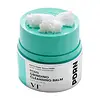
This oil-based makeup remover is made to dissolve makeup, sunscreen, and daily buildup.
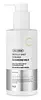
This mild cream cleanser is made to cleanse while respecting your skin barrier.

What's inside
What's inside
 Key Ingredients
Benefits
Concerns
Ingredients Side-by-side
Ethylhexyl Palmitate
Emollient




Canola Oil
Emollient
Sorbeth-30 Tetraoleate
Emulsifying
Cetyl Ethylhexanoate
EmollientSynthetic Wax
Abrasive
Isopropyl Myristate
Emollient
Triethylhexanoin
MaskingEthylhexyl Pelargonate
EmollientSilica Dimethyl Silylate
EmollientPanax Ginseng Extract
Antioxidant
Sodium DNA
Skin Conditioning
Ceramide NP
Skin Conditioning




Macadamia Ternifolia Seed Oil
Emollient
Persea Gratissima Oil
Skin Conditioning
Simmondsia Chinensis Seed Oil
Emollient
Argania Spinosa Kernel Oil
Emollient

Melaleuca Alternifolia Leaf Oil
Antioxidant


Squalane
Emollient
Vitis Vinifera Fruit Extract
Skin ConditioningCarthamus Tinctorius Flower Extract
Skin ConditioningCoffea Arabica Seed Extract
Masking
Polygonum Multiflorum Root Extract
Skin ConditioningCastanea Crenata Shell Extract
Skin ConditioningZanthoxylum Piperitum Fruit Extract
Skin ConditioningDiospyros Kaki Leaf Extract
Skin Protecting
Camellia Sinensis Leaf Extract
Antimicrobial

Gluconolactone
Chelating

Capryloyl Salicylic Acid
Exfoliating
Panthenol
Skin Conditioning
Glucose
Humectant
Water
Skin ConditioningButylene Glycol
Humectant
1,2-Hexanediol
Skin Conditioning
Ethylhexylglycerin
Skin ConditioningEthylhexyl Palmitate, Canola Oil, Sorbeth-30 Tetraoleate, Cetyl Ethylhexanoate, Synthetic Wax, Isopropyl Myristate, Triethylhexanoin, Ethylhexyl Pelargonate, Silica Dimethyl Silylate, Panax Ginseng Extract, Sodium DNA, Ceramide NP, Macadamia Ternifolia Seed Oil, Persea Gratissima Oil, Simmondsia Chinensis Seed Oil, Argania Spinosa Kernel Oil, Melaleuca Alternifolia Leaf Oil, Squalane, Vitis Vinifera Fruit Extract, Carthamus Tinctorius Flower Extract, Coffea Arabica Seed Extract, Polygonum Multiflorum Root Extract, Castanea Crenata Shell Extract, Zanthoxylum Piperitum Fruit Extract, Diospyros Kaki Leaf Extract, Camellia Sinensis Leaf Extract, Gluconolactone, Capryloyl Salicylic Acid, Panthenol, Glucose, Water, Butylene Glycol, 1,2-Hexanediol, Ethylhexylglycerin
Water
Skin ConditioningHelianthus Annuus Seed Oil
Emollient
Glycerin
Humectant
Cetearyl Alcohol
Emollient

1,2-Hexanediol
Skin Conditioning
Glyceryl Stearate
Emollient
Panthenol
Skin Conditioning
Decyl Glucoside
Cleansing
Arachidyl Alcohol
Emollient
Butylene Glycol
Humectant
Diheptyl Succinate
EmollientBehenyl Alcohol
Emollient
Arachidyl Glucoside
EmulsifyingHydroxyethyl Acrylate/Sodium Acryloyldimethyl Taurate Copolymer
Emulsion StabilisingAllantoin
Skin Conditioning
Citric Acid
Buffering
Tocopherol
Antioxidant
Capryloyl Glycerin/Sebacic Acid Copolymer
Skin ConditioningSimmondsia Chinensis Seed Oil
Emollient
Propanediol
Solvent
Glucose
Humectant
Centella Asiatica Extract
Cleansing
Hydrogenated Lecithin
Emulsifying
Avena Sativa Protein Extract
Skin ConditioningStearic Acid
Cleansing
Aloe Barbadensis Leaf Extract
Emollient
Silica
Abrasive
Ceramide NP
Skin Conditioning
Sodium Hyaluronate
Humectant
Bioflavonoids
Skin ConditioningHydrolyzed Wheat Protein
Skin ConditioningHydrolyzed Sweet Almond Protein
Skin ConditioningGlycine Soja Protein
EmulsifyingCeramide Ns
Skin Conditioning
Propolis Extract
Skin Conditioning
Phytosphingosine
Skin Conditioning
Cholesterol
Emollient
Milk Protein
Skin ConditioningBrassica Oleracea Italica Extract
AstringentAsiaticoside
Antioxidant
Ceramide AP
Skin Conditioning
Ceramide As
Skin Conditioning
Asiatic Acid
Skin Conditioning
Madecassic Acid
Skin Conditioning
Madecassoside
Antioxidant
Ceramide EOP
Skin Conditioning
Water, Helianthus Annuus Seed Oil, Glycerin, Cetearyl Alcohol, 1,2-Hexanediol, Glyceryl Stearate, Panthenol, Decyl Glucoside, Arachidyl Alcohol, Butylene Glycol, Diheptyl Succinate, Behenyl Alcohol, Arachidyl Glucoside, Hydroxyethyl Acrylate/Sodium Acryloyldimethyl Taurate Copolymer, Allantoin, Citric Acid, Tocopherol, Capryloyl Glycerin/Sebacic Acid Copolymer, Simmondsia Chinensis Seed Oil, Propanediol, Glucose, Centella Asiatica Extract, Hydrogenated Lecithin, Avena Sativa Protein Extract, Stearic Acid, Aloe Barbadensis Leaf Extract, Silica, Ceramide NP, Sodium Hyaluronate, Bioflavonoids, Hydrolyzed Wheat Protein, Hydrolyzed Sweet Almond Protein, Glycine Soja Protein, Ceramide Ns, Propolis Extract, Phytosphingosine, Cholesterol, Milk Protein, Brassica Oleracea Italica Extract, Asiaticoside, Ceramide AP, Ceramide As, Asiatic Acid, Madecassic Acid, Madecassoside, Ceramide EOP
Reviews
Ingredients Explained
These ingredients are found in both products.
Ingredients higher up in an ingredient list are typically present in a larger amount.
1,2-Hexanediol is a synthetic liquid and another multi-functional powerhouse.
It is a:
- Humectant, drawing moisture into the skin
- Emollient, helping to soften skin
- Solvent, dispersing and stabilizing formulas
- Preservative booster, enhancing the antimicrobial activity of other preservatives
Butylene Glycol (or BG) is used within cosmetic products for a few different reasons:
Overall, Butylene Glycol is a safe and well-rounded ingredient that works well with other ingredients.
Though this ingredient works well with most skin types, some people with sensitive skin may experience a reaction such as allergic rashes, closed comedones, or itchiness.
Learn more about Butylene GlycolCeramide NP (formerly known as Ceramide 3) is one of the skin's naturally occurring lipids.
Since ceramides are the major lipid components of the skin, they are crucial for maintaining skin barrier and hydration. Ceramide NP most closely mirrors the dominant kind in human skin amongst ceramide subtypes.
This ceramide works by slotting into gaps within the stratum corneum's lipid matrix to limit trans-epidermal water loss (TEWL) and shield the skin against external irritants.
A study with 312 patients found that using a ceramide-containing routine for 4 weeks reduced the severity of atopic dermatitis by over 61%.
Another clinical study in subjects aged 60 and older found that a ceramide body wash and moisturizer improved skin dryness and itchy skin in 15 days.
Overall, ceramides are considered non-irritating and safety tests have found little to no observable adverse effects from using this ingredient.
Ceramide NP is usually sourced from plants (like soybean or rice bran), or produced synthetically.
Learn more about Ceramide NPGlucose is a simple sugar (a monosaccharide). In skincare, it is mostly a humectant and skin conditioning agent.
Mechanistically, it has multiple hydroxyl groups that hydrogen-bond to water. This pulls moisture into the upper layers of skin to keep the surface soft and hydrated.
It's worth knowing sugars are already a natural component of the skin's NMF (natural moisturizing factor) so it's a molecule that your stratum corneum is well-acquainted with.
Just so you know, glucose is hydrophilic (water-loving) and the stratum corneum is a strong barrier to hydrophilic compounds. This just means penetration is slow and most of the action is happening on the surface.
Gram-to-gram, glucose is not as efficient as a humectant as glycerin. This is why you'll likely see glycose paired with stronger humectants for a bigger hydration payoff.
In skincare, glucose is typically derived from corn or other starch sources.
Learn more about GlucosePanthenol is a common ingredient that helps hydrate and soothe the skin. It is found naturally in our skin and hair.
There are two forms of panthenol: D and L.
D-panthenol is also known as dexpanthenol. Most cosmetics use dexpanthenol or a mixture of D and L-panthenol.
Panthenol is famous due to its ability to go deeper into the skin's layers. Using this ingredient has numerous pros (and no cons):
Like hyaluronic acid, panthenol is a humectant. Humectants are able to bind and hold large amounts of water to keep skin hydrated.
This ingredient works well for wound healing. It works by increasing tissue in the wound and helps close open wounds.
Once oxidized, panthenol converts to pantothenic acid. Panthothenic acid is found in all living cells.
This ingredient is also referred to as pro-vitamin B5.
Learn more about PanthenolJojoba oil is one of the most well-studied plant-derived ingredients in cosmetics. It is an emollient with a special structure.
Because it is made up of 97-98% wax esters, it closely mirrors the linear monoesters found in human sebum. This makes it skin compatible, non-greasy, and lightweight.
Unlike other plant oils, jojoba wax doesn't easily penetrate skin. It mostly works in the uppermost layers as an emollient. This just means it forms a light barrier on the skin to help retain moisture.
Formulations with jojoba esters up to 90% reduced transepidermal water loss (TEWL) and increased barrier recovery by 81% (outperforming bisabolol at 47%).
Besides barrier support, the science also suggests jojoba to have anti-inflammatory effects and potential applications for skin infections, aging, and wound healing.
Fun fact: Indigenous cultures have used jojoba as a moisturizer and to help treat burns for centuries.
Fungal acne: The Malassezia yeast is known to metabolize fatty acids in the C11-24 range and jojoba's dominant fatty acid components fall into this range. This ingredient may not be fungal acne safe.
Learn more about Simmondsia Chinensis Seed OilWater. It's the most common cosmetic ingredient of all. You'll usually see it at the top of ingredient lists, meaning that it makes up the largest part of the product.
So why is it so popular? Water most often acts as a solvent - this means that it helps dissolve other ingredients into the formulation.
You'll also recognize water as that liquid we all need to stay alive. If you see this, drink a glass of water. Remember to stay hydrated!
Learn more about Water

