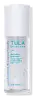
This hydrating serum is formulated around Sodium Hyaluronate and Hydrolyzed Hyaluronic Acid to hydrate skin and strengthen the skin barrier.
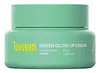
This calming moisturizer is formulated around Centella Asiatica Extract and Tranexamic Acid to calm redness and brighten dull-looking skin.

What's inside
What's inside
 Key Ingredients
Benefits
Concerns
Ingredients Side-by-side
Water
Skin ConditioningDipentaerythrityl Hexacaprylate/Hexacaprate
EmulsifyingPentaerythrityl Tetraisostearate
Emollient

Isononyl Isononanoate
EmollientPropanediol
Solvent

Glycerin
Humectant
Caprylic/Capric Triglyceride
Masking
Sodium Hyaluronate
Humectant


Hydrolyzed Hyaluronic Acid
Humectant
Sodium Hyaluronate Crosspolymer
Humectant
Hydrolyzed Sodium Hyaluronate
Skin Conditioning
Sodium Acetylated Hyaluronate
Humectant
Sodium Polyglutamate
HumectantSqualane
Emollient
Collagen
Moisturising
Lactococcus Ferment Lysate
Skin Conditioning
Lactobacillus Ferment
Skin Conditioning
Lactobacillus
Skin ConditioningBeta Vulgaris Root Extract
Skin ConditioningCurcuma Longa Root Extract
Antioxidant

Pyrus Malus Fruit Extract
Skin Conditioning
Citrullus Lanatus Fruit Extract
Skin Conditioning
Vaccinium Angustifolium Fruit Extract
Skin Protecting
Lens Esculenta Fruit Extract
Skin ConditioningHydrolyzed Rice Protein
Skin ConditioningInulin
Skin Conditioning
Alpha-Glucan Oligosaccharide
Cleansing
Lactic Acid
Buffering







Sodium PCA
Humectant
Hydrogenated Poly(C6-20 Olefin)
Abrasive
Hydroxyacetophenone
Antioxidant
Leuconostoc/Radish Root Ferment Filtrate
Antimicrobial
Polymnia Sonchifolia Root Juice
Skin ConditioningRhus Verniciflua Peel Wax
Caprylyl Glycol
Emollient
Sodium Lactate
Buffering
Carrageenan


Pentylene Glycol
Skin Conditioning
Maltodextrin
Absorbent
Butylene Glycol
Humectant
Sodium Chloride
MaskingEthylhexylglycerin
Skin Conditioning1,2-Hexanediol
Skin Conditioning
Acrylates/C10-30 Alkyl Acrylate Crosspolymer
Emulsion StabilisingTromethamine
BufferingHdi/Trimethylol Hexyllactone Crosspolymer
Sodium Benzoate
Masking
Potassium Sorbate
Preservative
Water, Dipentaerythrityl Hexacaprylate/Hexacaprate, Pentaerythrityl Tetraisostearate, Isononyl Isononanoate, Propanediol, Glycerin, Caprylic/Capric Triglyceride, Sodium Hyaluronate, Hydrolyzed Hyaluronic Acid, Sodium Hyaluronate Crosspolymer, Hydrolyzed Sodium Hyaluronate, Sodium Acetylated Hyaluronate, Sodium Polyglutamate, Squalane, Collagen, Lactococcus Ferment Lysate, Lactobacillus Ferment, Lactobacillus, Beta Vulgaris Root Extract, Curcuma Longa Root Extract, Pyrus Malus Fruit Extract, Citrullus Lanatus Fruit Extract, Vaccinium Angustifolium Fruit Extract, Lens Esculenta Fruit Extract, Hydrolyzed Rice Protein, Inulin, Alpha-Glucan Oligosaccharide, Lactic Acid, Sodium PCA, Hydrogenated Poly(C6-20 Olefin), Hydroxyacetophenone, Leuconostoc/Radish Root Ferment Filtrate, Polymnia Sonchifolia Root Juice, Rhus Verniciflua Peel Wax, Caprylyl Glycol, Sodium Lactate, Carrageenan, Pentylene Glycol, Maltodextrin, Butylene Glycol, Sodium Chloride, Ethylhexylglycerin, 1,2-Hexanediol, Acrylates/C10-30 Alkyl Acrylate Crosspolymer, Tromethamine, Hdi/Trimethylol Hexyllactone Crosspolymer, Sodium Benzoate, Potassium Sorbate
Centella Asiatica Extract
Cleansing
Cyclohexasiloxane
Emollient
Glycerin
Humectant
Triethylhexanoin
MaskingPentylene Glycol
Skin Conditioning
Silica
Abrasive
Cyclomethicone
Emollient
1,2-Hexanediol
Skin Conditioning
Lauryl Dimethicone/Polyglycerin-3 Crosspolymer
Cleansing
Polyglyceryl-3 Polydimethylsiloxyethyl Dimethicone
Skin Conditioning
Sodium Chloride
MaskingWater
Skin ConditioningChlorella Vulgaris Extract
Skin ConditioningGlucose
Humectant
Sodium Polyacrylate Starch
AbsorbentButylene Glycol
Humectant
Fructooligosaccharides
Humectant
Fructose
Humectant
Hydroxyacetophenone
Antioxidant
Dimethicone/Vinyl Dimethicone Crosspolymer
Skin Conditioning
Sodium Citrate
BufferingTranexamic Acid
Astringent
Phenyl Trimethicone
Skin Conditioning
Morus Indica Leaf Extract
Citrus Aurantium Dulcis Peel Oil
Masking

Dimethicone Crosspolymer
Emulsion Stabilising
Adenosine
Skin Conditioning
Dipotassium Glycyrrhizate
Humectant
Dipropylene Glycol
HumectantMorinda Citrifolia Flower Extract
Citrus Aurantium Bergamia Fruit Oil
Masking
Sodium Phytate
ChelatingLactobacillus Ferment Lysate
Skin Conditioning
Ethylhexylglycerin
Skin ConditioningAllantoin
Skin Conditioning
Panthenol
Skin Conditioning
Tocopherol
Antioxidant
Laminaria Digitata Extract
Skin Protecting
Beta-Glucan
Skin Conditioning
Persea Gratissima Oil
Skin Conditioning
Propanediol
Solvent
Mentha Piperita Leaf Extract
Skin ConditioningActinidia Deliciosa Fruit Extract
Skin ConditioningPyrus Malus Leaf Extract
Skin ConditioningBrassica Oleracea Acephala Leaf Extract
HumectantBrassica Oleracea Capitata Leaf Extract
Skin ConditioningBrassica Oleracea Italica Extract
AstringentCamellia Sinensis Leaf Extract
Antimicrobial
Abelmoschus Esculentus Fruit Extract
Skin ConditioningMorinda Citrifolia Fruit Extract
Skin Conditioning
Prunus Mume Fruit Water
HumectantSpinacia Oleracea Leaf Extract
Skin ConditioningMenthol
Masking
Menthyl Lactate
Masking
Vigna Radiata Seed Extract
Skin ConditioningCentella Asiatica Extract, Cyclohexasiloxane, Glycerin, Triethylhexanoin, Pentylene Glycol, Silica, Cyclomethicone, 1,2-Hexanediol, Lauryl Dimethicone/Polyglycerin-3 Crosspolymer, Polyglyceryl-3 Polydimethylsiloxyethyl Dimethicone, Sodium Chloride, Water, Chlorella Vulgaris Extract, Glucose, Sodium Polyacrylate Starch, Butylene Glycol, Fructooligosaccharides, Fructose, Hydroxyacetophenone, Dimethicone/Vinyl Dimethicone Crosspolymer, Sodium Citrate, Tranexamic Acid, Phenyl Trimethicone, Morus Indica Leaf Extract, Citrus Aurantium Dulcis Peel Oil, Dimethicone Crosspolymer, Adenosine, Dipotassium Glycyrrhizate, Dipropylene Glycol, Morinda Citrifolia Flower Extract, Citrus Aurantium Bergamia Fruit Oil, Sodium Phytate, Lactobacillus Ferment Lysate, Ethylhexylglycerin, Allantoin, Panthenol, Tocopherol, Laminaria Digitata Extract, Beta-Glucan, Persea Gratissima Oil, Propanediol, Mentha Piperita Leaf Extract, Actinidia Deliciosa Fruit Extract, Pyrus Malus Leaf Extract, Brassica Oleracea Acephala Leaf Extract, Brassica Oleracea Capitata Leaf Extract, Brassica Oleracea Italica Extract, Camellia Sinensis Leaf Extract, Abelmoschus Esculentus Fruit Extract, Morinda Citrifolia Fruit Extract, Prunus Mume Fruit Water, Spinacia Oleracea Leaf Extract, Menthol, Menthyl Lactate, Vigna Radiata Seed Extract
Reviews
Ingredients Explained
These ingredients are found in both products.
Ingredients higher up in an ingredient list are typically present in a larger amount.
1,2-Hexanediol is a synthetic liquid and another multi-functional powerhouse.
It is a:
- Humectant, drawing moisture into the skin
- Emollient, helping to soften skin
- Solvent, dispersing and stabilizing formulas
- Preservative booster, enhancing the antimicrobial activity of other preservatives
Butylene Glycol (or BG) is used within cosmetic products for a few different reasons:
Overall, Butylene Glycol is a safe and well-rounded ingredient that works well with other ingredients.
Though this ingredient works well with most skin types, some people with sensitive skin may experience a reaction such as allergic rashes, closed comedones, or itchiness.
Learn more about Butylene GlycolEthylhexylglycerin is created from glycerin. It is a multitasker ingredient that:
The CIR Expert Panel found minimal skin absorption or sensitization of any kind in a safety assessment. Though this ingredient is considered well-tolerated, a small number of cases of allergic dermatitis have been published since 2002. Just be sure to patch test if you are unsure.
Industry-reported use ranges from 8% in rinse-off products and 2% in leave-on formulations.
Learn more about EthylhexylglycerinGlycerin (or glycerol) is a compound naturally found in your skin. It's a powerhouse humectant that pulls water into the stratum corneum.
Topically, glycerin does several things at once:
Your skin makes glycerin on its own (mostly from sebaceous oil breakdown) and shuttles it to your outermost layer of skin, or your epidermis, via aquaporin-3.
Aquaporin-3 is a transporter that is essential for normal skin hydration, elasticity, and repair. Interestingly, mice lacking in AQP3 have dry and less elastic skin that can be fully corrected with glycerin.
This ingredient is non-irritating, plays well with almost every ingredient, and works across all skin types. Typical use is anywhere between 3-10% but can go up to 79% in some leave-on products.
Just know very high concentrations (>40%) can feel tacky in low humidity.
Glycerin is the name for this ingredient in American English. British English uses Glycerol/Glycerine.
Learn more about GlycerinHydroxyacetophenone is a small phenolic molecule that earns its place in a formulas as an antioxidant and preservative booster.
As a phenol, it is able to neutralize free radicals to protect both the product and the skin from oxidative stress.
Though it can't kill microbes on its own, it works as a good supporting agent when combined with other preservatives like Phenoxyethanol or 1,2-Hexanediol.
This ingredient naturally occurs as piceol in Norwegian spruce needles (~0.4-1.1% dry weight and in cloudberries). Though the cosmetic-grade material is synthesized for purity and consistency.
You'll usually see it used at low levels and suppliers recommend up to 1% added to a water phase.
Safety testing was done at concentrations like 0.05% in SPF products and 0.5% in a Human Repeated Insult Patch Test. The safety evidence is assuring; this ingredient is safe for cosmetics in current use and also holds safety status as a food flavoring as well.
An honest caveat: the "soothing" and "anti-inflammatory" claims come mostly from supplier marketing rather than published clinical trials. The Cosmetic Ingredient Review's own literature search found no useful efficacy studies on this ingredient.
So the antioxidant and preservative-boosting roles are the well supported ones while the calming benefit is plausible but thinly evidenced.
Overall, this is a well-tolerated, low-irritation multitasker that quietly helps a formula stay fresh and stable.
Learn more about HydroxyacetophenonePentylene Glycol (1,2-pentanediol) is a multitasking little diol with three main roles in a formula:
Research on alkanediols (the family pentylene glycol belongs to) show they work by disrupting microbial cell membranes. This disruption helps the primary preservative system in a product work more effectively at lower doses.
On the safety side, the Cosmetic Ingredient Review Expert Panel has concluded this ingredient to be safe as used in current cosmetic practices + concentrations.
Typical use levels in a formula run about 1-5%.
Learn more about Pentylene GlycolPropanediol is an all-star ingredient. It softens, hydrates, and smooths the skin.
It’s often used to:
Propanediol is not likely to cause sensitivity and considered safe to use. It is derived from corn or petroleum with a clear color and no scent.
Learn more about PropanediolChances are, you eat sodium chloride every day. Sodium Chloride is also known as table salt. This ingredient has many purposes in skincare: thickener, emulsifier, and exfoliator.
You'll most likely find this ingredient in cleansers where it is used to create a gel-like texture. As an emulsifier, it also prevents ingredients from separating.
You might see people debate whether Sodium Chloride is comedogenic, but there actually haven't been any comedogenic tests done on it. Either way, the overall formulation of a product matters a lot more than any single ingredient.
You might see this ingredient used in scrubs as a primary exfoliating ingredient.
Learn more about Sodium ChlorideWater. It's the most common cosmetic ingredient of all. You'll usually see it at the top of ingredient lists, meaning that it makes up the largest part of the product.
So why is it so popular? Water most often acts as a solvent - this means that it helps dissolve other ingredients into the formulation.
You'll also recognize water as that liquid we all need to stay alive. If you see this, drink a glass of water. Remember to stay hydrated!
Learn more about Water

