

What's inside
What's inside
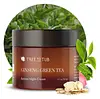 Key Ingredients
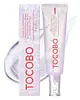
Benefits
Concerns
Ingredients Side-by-side
Water
Skin ConditioningGlycerin
Humectant


Caprylic/Capric Triglyceride
Masking
Coco-Caprylate/Caprate
Emollient
Cetearyl Olivate

Simmondsia Chinensis Seed Oil
Emollient
Sorbitan Olivate
Emulsifying
1,2-Hexanediol
Skin Conditioning
Betaine
Humectant
Panthenol
Skin Conditioning
Retinol
Skin Conditioning








Sodium Acrylates Copolymer
Lecithin
Emollient
Copernicia Cerifera Wax
Propanediol
Solvent
Disodium Cocoamphodiacetate
CleansingHelianthus Annuus Seed Oil
Emollient
Caprylyl Glycol
Emollient
Panax Ginseng Root Extract
Emollient
Camellia Sinensis Leaf Extract
Antimicrobial
Sodium Hyaluronate
Humectant
Tocopheryl Acetate
Antioxidant
Hydroxyacetophenone
Antioxidant
Rosa Damascena Flower Water
Masking
Xanthan Gum
EmulsifyingPalmitoyl Hexapeptide-12
Skin Conditioning
Palmitoyl Tetrapeptide-7
Skin Conditioning
Caprylhydroxamic Acid
Cucumis Sativus Fruit Extract
Emollient
Propylene Glycol
Humectant
Aloe Barbadensis Leaf Juice
Skin Conditioning
Water, Glycerin, Caprylic/Capric Triglyceride, Coco-Caprylate/Caprate, Cetearyl Olivate, Simmondsia Chinensis Seed Oil, Sorbitan Olivate, 1,2-Hexanediol, Betaine, Panthenol, Retinol, Sodium Acrylates Copolymer, Lecithin, Copernicia Cerifera Wax, Propanediol, Disodium Cocoamphodiacetate, Helianthus Annuus Seed Oil, Caprylyl Glycol, Panax Ginseng Root Extract, Camellia Sinensis Leaf Extract, Sodium Hyaluronate, Tocopheryl Acetate, Hydroxyacetophenone, Rosa Damascena Flower Water, Xanthan Gum, Palmitoyl Hexapeptide-12, Palmitoyl Tetrapeptide-7, Caprylhydroxamic Acid, Cucumis Sativus Fruit Extract, Propylene Glycol, Aloe Barbadensis Leaf Juice
Lavandula Angustifolia Flower Water
Skin Conditioning
Butylene Glycol
Humectant
Glycerin
Humectant
1,2-Hexanediol
Skin Conditioning
Niacinamide
Smoothing
Water
Skin ConditioningGlycereth-26
Humectant
Propanediol
Solvent
Carbomer
Emulsion StabilisingSodium Polyacryloyldimethyl Taurate
Emulsion StabilisingTromethamine
BufferingGlycereth-25 PCA Isostearate
Emulsifying
Panthenol
Skin Conditioning
Ethylhexylglycerin
Skin ConditioningAdenosine
Skin Conditioning
Zea Mays Kernel Extract
Hydrolyzed Gardenia Florida Extract
Antioxidant
Hydrolyzed Malt Extract
Skin ConditioningDisodium EDTA
Hydrolyzed Viola Tricolor Extract
Skin ProtectingMelia Azadirachta Leaf Extract
Skin ConditioningMelia Azadirachta Flower Extract
Skin ConditioningLavandula Angustifolia Oil
Masking


Ammonium Polyacryloyldimethyl Taurate
Emulsion StabilisingSynthetic Fluorphlogopite
Hyaluronic Acid
Humectant
Hydrolyzed Hyaluronic Acid
Humectant
Sodium Hyaluronate
Humectant
Collagen
Moisturising
Coccinia Indica Fruit Extract
Skin ConditioningBetaine
Humectant
Leuconostoc/Radish Root Ferment Filtrate
Antimicrobial
CI 77891
Cosmetic ColorantFructan
Skin ConditioningSolanum Melongena Fruit Extract
Skin ConditioningCorallina Officinalis Extract
Skin Conditioning
Glucose
Humectant
Ocimum Sanctum Leaf Extract
Skin ConditioningCurcuma Longa Root Extract
Masking
Caprylic/Capric Triglyceride
Masking
Macadamia Ternifolia Seed Oil
Emollient
Quartz
Abrasive
Hydrogenated Lecithin
Emulsifying
Retinol
Skin Conditioning
Brassica Campestris Sterols
EmollientCholesterol
Emollient
Polyglyceryl-10 Laurate
Skin Conditioning
Phytosteryl/Behenyl/Octyldodecyl Lauroyl Glutamate
Skin ConditioningAluminum/Magnesium Hydroxide Stearate
Emulsion StabilisingPentaerythrityl Tetra-Di-T-Butyl Hydroxyhydrocinnamate
Antioxidant
Potassium Cetyl Phosphate
EmulsifyingChitosan
Tris(Tetramethylhydroxypiperidinol)Citrate
StabilisingLinalool
Perfuming
Lavandula Angustifolia Flower Water, Butylene Glycol, Glycerin, 1,2-Hexanediol, Niacinamide, Water, Glycereth-26, Propanediol, Carbomer, Sodium Polyacryloyldimethyl Taurate, Tromethamine, Glycereth-25 PCA Isostearate, Panthenol, Ethylhexylglycerin, Adenosine, Zea Mays Kernel Extract, Hydrolyzed Gardenia Florida Extract, Hydrolyzed Malt Extract, Disodium EDTA, Hydrolyzed Viola Tricolor Extract, Melia Azadirachta Leaf Extract, Melia Azadirachta Flower Extract, Lavandula Angustifolia Oil, Ammonium Polyacryloyldimethyl Taurate, Synthetic Fluorphlogopite, Hyaluronic Acid, Hydrolyzed Hyaluronic Acid, Sodium Hyaluronate, Collagen, Coccinia Indica Fruit Extract, Betaine, Leuconostoc/Radish Root Ferment Filtrate, CI 77891, Fructan, Solanum Melongena Fruit Extract, Corallina Officinalis Extract, Glucose, Ocimum Sanctum Leaf Extract, Curcuma Longa Root Extract, Caprylic/Capric Triglyceride, Macadamia Ternifolia Seed Oil, Quartz, Hydrogenated Lecithin, Retinol, Brassica Campestris Sterols, Cholesterol, Polyglyceryl-10 Laurate, Phytosteryl/Behenyl/Octyldodecyl Lauroyl Glutamate, Aluminum/Magnesium Hydroxide Stearate, Pentaerythrityl Tetra-Di-T-Butyl Hydroxyhydrocinnamate, Potassium Cetyl Phosphate, Chitosan, Tris(Tetramethylhydroxypiperidinol)Citrate, Linalool
Reviews
Ingredients Explained
These ingredients are found in both products.
Ingredients higher up in an ingredient list are typically present in a larger amount.
1,2-Hexanediol is a synthetic liquid and another multi-functional powerhouse.
It is a:
- Humectant, drawing moisture into the skin
- Emollient, helping to soften skin
- Solvent, dispersing and stabilizing formulas
- Preservative booster, enhancing the antimicrobial activity of other preservatives
Betaine is a humectant. Like hyaluronic acid, it helps attract and retain moisture in the skin. It’s known for being gentle and for helping the skin maintain balanced hydration.
Betaine is mainly used to improve hydration and support calmer skin. It helps skin cells regulate water balance because it functions as an osmolyte.
Some studies suggest betaine may support making skin tone more even.
Fun fact: Betaine naturally exists in the skin and the body. In cosmetic products, it can be either plant-derived (most commonly from sugar beets) or synthetically produced for consistency and stability.
Betaine is also known as trimethylglycine.
Learn more about BetaineCaprylic/Capric Triglyceride (aka MCT Oil) is a lightweight emollient, solvent, and texture enhancer. It is considered a skin-softener by helping to prevent moisture loss.
Though it behaves like an oil, it is not technically one due to its chemical composition. One perk of this ingredient is that it is very stable, resistant to oxidation, and unlikely to go rancid.
In practice, that translates to a long shelf life and a consistently elegant skin feel.
While there is an assumption Caprylic Triglyceride can clog pores due to it being derived from coconut oil, there is no research supporting this. Just patch test if you have concerns.
Fractionated coconut oil and MCT Oil are both listed as Caprylic/Capric Triglyceride according to INCI. This is because INCI names are based on the ingredient’s final chemical composition and not its marketing name or source.
This ingredient is treated as the gold standard fungal acne safe oil. Even though it is coconut derived, the problematic lauric acid is stripped out.
This leaves just caprylic (C8) and capric (C10) acid. These chain lengths actually trend antifungal; a 2020 study found caprylic acid was enough to disrupt Malassezia furfur cell membrane, with a caprylic acid derivative damaging membrane structures at concentrations as low as 0.2%.
Learn more about Caprylic/Capric TriglycerideGlycerin (or glycerol) is a compound naturally found in your skin. It's a powerhouse humectant that pulls water into the stratum corneum.
Topically, glycerin does several things at once:
Your skin makes glycerin on its own (mostly from sebaceous oil breakdown) and shuttles it to your outermost layer of skin, or your epidermis, via aquaporin-3.
Aquaporin-3 is a transporter that is essential for normal skin hydration, elasticity, and repair. Interestingly, mice lacking in AQP3 have dry and less elastic skin that can be fully corrected with glycerin.
This ingredient is non-irritating, plays well with almost every ingredient, and works across all skin types. Typical use is anywhere between 3-10% but can go up to 79% in some leave-on products.
Just know very high concentrations (>40%) can feel tacky in low humidity.
Glycerin is the name for this ingredient in American English. British English uses Glycerol/Glycerine.
Learn more about GlycerinPanthenol is a common ingredient that helps hydrate and soothe the skin. It is found naturally in our skin and hair.
There are two forms of panthenol: D and L.
D-panthenol is also known as dexpanthenol. Most cosmetics use dexpanthenol or a mixture of D and L-panthenol.
Panthenol is famous due to its ability to go deeper into the skin's layers. Using this ingredient has numerous pros (and no cons):
Like hyaluronic acid, panthenol is a humectant. Humectants are able to bind and hold large amounts of water to keep skin hydrated.
This ingredient works well for wound healing. It works by increasing tissue in the wound and helps close open wounds.
Once oxidized, panthenol converts to pantothenic acid. Panthothenic acid is found in all living cells.
This ingredient is also referred to as pro-vitamin B5.
Learn more about PanthenolPropanediol is an all-star ingredient. It softens, hydrates, and smooths the skin.
It’s often used to:
Propanediol is not likely to cause sensitivity and considered safe to use. It is derived from corn or petroleum with a clear color and no scent.
Learn more about PropanediolRetinol is a gold-standard ingredient for anti-aging. It is a form of Vitamin A and belongs to the class of retinoids that also includes tretinoin.
Why is retinol famous?
It has the most scientific studies backing up its skin benefits out of all the non-prescription ingredients.
Retinol is proven to:
This is why retinol is effective at removing wrinkles, fading dark spots, treating acne, and reducing the appearance of pores.
Studies show retinol is less effective when exposed to UV. Be sure to look for appropriate packaging to keep your retinol potent (similar to Vitamin C).
Using retinol or any retinoids will increase sun-sensitivity in the first few months. Though studies show retinoids increase your skin's natural SPF with continuous use, it is best to always wear sunscreen and sun-protection.
We recommend speaking with a medical professional about using this ingredient during pregnancy.
Retinol may cause irritation in some people, so be sure to patch test. Experts recommend 'ramping up' retinol use: start using this ingredient once a week and work up to using it daily.
Read about Tretinoin
Learn more about RetinolSodium Hyaluronate is the salt form of hyaluronic acid. It is a long sugar chain that is naturally found in your skin, joints, and connective tissue that maintains hydration and elasticity.
In skincare, it works as a humectant. It pulls water from the environment and deeper layers of skin and binds it to the surface.
Interestingly, the size of the molecule affects its behavior:
Some clinical evidence links low molecular weight versions to improved wrinkle depth, elasticity, anti-inflammatory effects, and barrier repair.
Many serums use a blend of both weights so you can get surface hydration plus longer-lasting and deeper effects.
You'll typically see concentrations between 0.1-2% for this ingredient.
Learn more about Sodium HyaluronateWater. It's the most common cosmetic ingredient of all. You'll usually see it at the top of ingredient lists, meaning that it makes up the largest part of the product.
So why is it so popular? Water most often acts as a solvent - this means that it helps dissolve other ingredients into the formulation.
You'll also recognize water as that liquid we all need to stay alive. If you see this, drink a glass of water. Remember to stay hydrated!
Learn more about Water
